
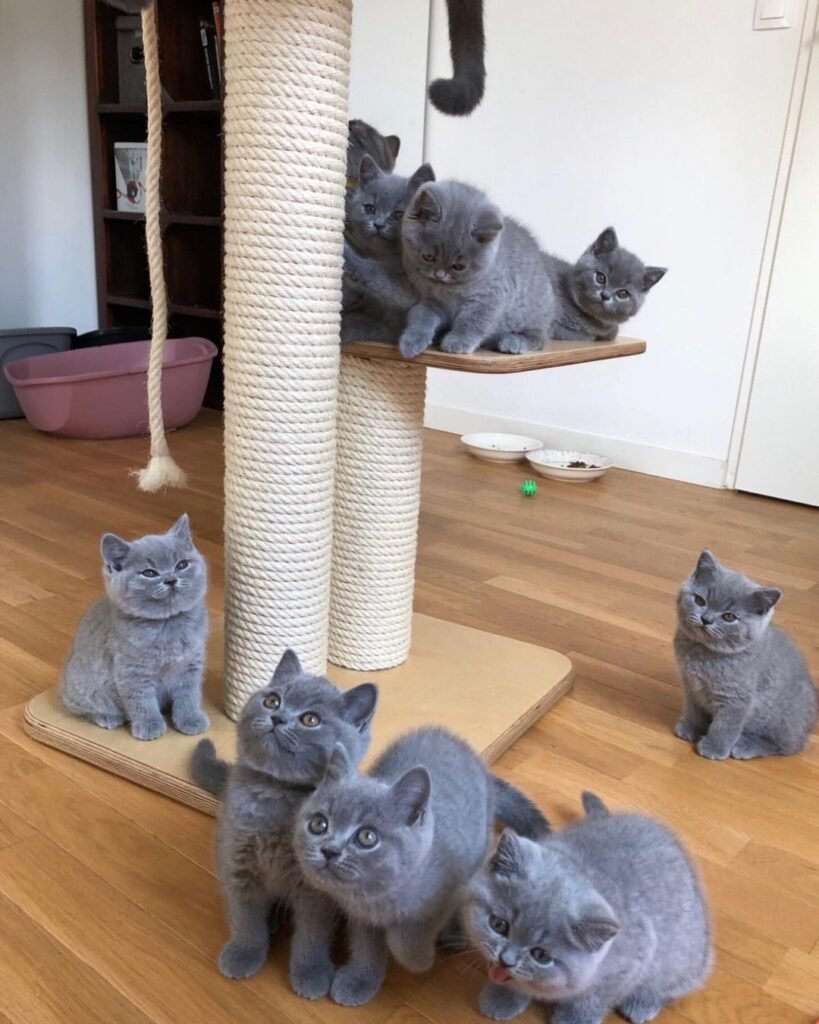
Blue British Shorthair kittens are a captivating breed known for their distinctively plush, blue-gray coats and round, expressive faces. With their charming demeanor and playful nature, these kittens have become increasingly popular among cat lovers. Originating from the British Isles, the British Shorthair breed boasts a rich history and is celebrated for its sturdiness and adaptability. In this article, we will explore the unique characteristics, care requirements, and health considerations of Blue British Shorthair kittens, providing valuable insights for prospective owners and enthusiasts alike.
Overview of Blue British Shorthair Kittens
Origins and History
The Blue British Shorthair kitten is a delightful blend of history and charm. These lovely felines trace their roots back to ancient Rome, where they were likely the feline companions of soldiers. Over time, they gained popularity in Britain, particularly during the Victorian era, as they were favored for their robust physique and amiable nature. They’re essentially like the aristocrats of the cat world—graceful, dignified, and just a tad fluffy!
Distinctive Color and Coat
Ah, the color ‘blue’—a shade that sounds fancy and is often associated with royalty. In the case of the Blue British Shorthair, this ‘blue’ is actually a soft, subtle gray that envelops their plush coat like a warm hug. Their dense, short fur is not just casual cat chic; it’s also a testament to their British heritage. These little furballs strut around like they own the place, which, let’s face it, they probably do!
Physical Characteristics and Appearance
Size and Weight
Blue British Shorthairs are like those friends who always show up with snacks—they’re solid and dependable! These kittens grow into medium to large cats, typically weighing between 9 to 18 pounds when fully grown. Their stocky build is complemented by a muscular frame, giving them a ‘cuddle me’ look that’s hard to resist.
Eye Color Variations
When it comes to eye color, Blue British Shorthairs don’t skimp on options. While their kittens may sport a range of shades from copper to gold, as they mature, their eyes usually settle into a captivating deep orange or copper hue. It’s as if they’re forever gazing at you with the secrets of the universe in their mesmerizing eyes—how’s that for a conversation starter?
Coat Texture and Grooming Needs
Their soft, plush coat is as inviting as a freshly baked cookie—and just as tempting to touch! While the good news is that their dense fur doesn’t mat easily, a weekly brushing session will keep them looking fabulous and minimize those sneaky fur tumbleweeds rolling across your floor. Plus, it’s a great excuse for some quality bonding time!
Temperament and Personality Traits
Affectionate and Loyal Nature
Blue British Shorthairs are the quintessential cuddle buddies. They’re known for their affectionate and loyal nature, often forming strong bonds with their human companions. These kittens can be as committed as your most dedicated Netflix binge-watching partner—always there, ready to snuggle and offer emotional support (or just a warm lap to sit on).
Playfulness and Activity Level
While these kittens can be relaxed and lazy like a Sunday morning, they also have a surprisingly playful side. Imagine a kitten version of a couch potato who occasionally decides it’s time to unleash their inner lion! Engaging them with interactive toys and playtime will keep them happy and provide that much-needed entertainment (for both parties involved).
Interaction with Children and Other Pets
The Blue British Shorthair is as adaptable as your favorite pair of sweatpants. They tend to get along well with kids and other pets, proving to be friendly, calm, and generally easy-going. Just keep in mind that, like most toddlers, they appreciate being treated gently. They’ll happily be your child’s furry sidekick, provided they’re not being used as a toy (which is totally fair).
Care and Maintenance Requirements
Daily Care Routines
Caring for a Blue British Shorthair isn’t rocket science—thankfully! Daily care routines typically involve feeding a balanced diet, providing fresh water, and ensuring ample playtime. Since they enjoy company, they’ll appreciate some good old-fashioned quality time, even if it’s just sharing a cozy couch while you scroll through your phone.
Grooming and Bathing Tips
Grooming sessions for these kittens should feel less like a chore and more like a spa day. A weekly brushing is usually sufficient, though you might want to step it up during shedding season. As for bathing—these cats are usually pretty good at self-cleaning, but if they do get into something questionable, a gentle bath with cat-friendly shampoo will do the trick. Think of it as their version of a day at the beach (minus the sand, of course).
Creating a Comfortable Living Environment
Your Blue British Shorthair will thrive in a cozy environment filled with plenty of sunlit spots for napping and safe spaces to explore. Providing scratching posts, cozy beds, and stimulating toys will help create a feline paradise. A little greenery doesn’t hurt either—just make sure it’s pet-friendly! After all, you want your kitten to feel like the king or queen of the castle, and who doesn’t want that?
Health Considerations and Common Issues
Genetic Health Concerns
Blue British Shorthairs are generally robust little fluffballs, but they can inherit a few genetic quirks. Watch out for hypertrophic cardiomyopathy (HCM), a fancy term for heart disease that can sneak up on them. Regular check-ups can help catch this early—because let’s be honest, no one wants a surprise during their annual vet visit.
Routine Veterinary Care
Just like you schedule your dentist appointment (with considerable grumbling), your kitten needs to visit the vet. Routine veterinary care includes vaccinations, parasite control, and spaying/neutering if you’re feeling particularly generous. Regular vet visits ensure your blue ball of fluff stays as healthy as possible and helps build a relationship between your kitten and their trusted sidekick—aka the vet.
Signs of Illness to Watch For
Kittens can be sneaky little fur ninjas when it comes to hiding illness. Keep an eye out for changes in appetite, lethargy, uncharacteristic vocalizations, or any odd behaviors. If your blue British Shorthair starts acting like they’re auditioning for a drama series, it might be time for a visit to the vet. Trust your instincts—it’s better to be safe than sorry!
Nutrition and Diet for Growing Kittens
Choosing the Right Food
Feeding your blue British Shorthair the right food is like giving them a high-tech engine instead of a clunker. Look for high-quality cat food that lists meat as the first ingredient. Brands that offer balanced nutrition with the right mix of protein, carbohydrates, and fats will help your kitten grow into a strong, furry little powerhouse. And remember, wet food can add some hydration for those who are picky drinkers!
Feeding Schedule and Portions
Kittens thrive on routine—much like humans and coffee. Start with 3-4 small meals a day to keep their energy levels up. Use the feeding guidelines on the food packaging as a loose reference (because who has time to measure everything?). Gradually transition to adult food around the one-year mark. Spoiler alert: they can still be picky eaters, and that’s definitely part of their charm.
Supplements and Treats
Treats are like the icing on the cake of your kitten’s diet—just don’t overdo it! A few healthy treats can make training sessions more enticing and keep your little one motivated. Talk to your vet about supplements if you think your kitten might need a little something extra in their diet. Just don’t go full-on “kitchen witch” with home remedies; keep it professional!
Socialization and Training Tips
Early Socialization Strategies
Socializing your blue British Shorthair is key to molding a friendly and confident adult cat. Introduce them to different environments, sounds, and people while they’re still young, ideally before they hit 14 weeks. Playdates with other kittens, exposure to new textures (like that weird carpet), and gentle handling will turn them into the social butterflies of the kitty world.
Basic Training Commands
Yes, cats can be trained! Start with basic commands like “sit” and “come” using treats and positive reinforcement. Keep training sessions short and filled with patience; think of it as a fun game! This not only stimulates their brains but can also help strengthen the bond between you and your furry companion.
Addressing Behavioral Issues
Every kitten has their quirks—some are endearing, while others might leave you scratching your head. If your blue British Shorthair displays unwanted behaviors like scratching furniture or excessive meowing, try redirecting their energy with toys or interactive play. If things get out of hand, consult a vet or a behaviorist. After all, every kitty deserves a chance to shine (just not in your floral wallpaper).
Adoption and Finding a Reputable Breeder
Understanding the Adoption Process
Adopting a kitten is like committing to a lifelong Netflix series—once you start, you’re hooked! Whether from a rescue group or a breeder, make sure you know what to expect during the adoption process. This includes filling out applications, potential home visits, and maybe even a few heartwarming tales about your furry future friend.
Questions to Ask a Breeder
When meeting with breeders, channel your inner detective. Ask about health screenings, socialization practices, and the kitten’s lineage. A reputable breeder will be happy to share this info and help you understand their breeding philosophy—think of it as a first date, but with less awkwardness and more fluff.
Considering Rescue Options
Don’t forget about the many cute critters waiting for their forever homes at shelters! Rescuing a kitten can be incredibly rewarding (and seriously cute!). Research local rescues, check their adoption policies, and be prepared for a whirlwind of cuteness. Every kitty deserves a warm home—and you’ll be doing your part to help pawsitively change a life! In conclusion, Blue British Shorthair kittens are not only beautiful but also make wonderful companions with their affectionate and playful personalities. Understanding their care needs, health considerations, and socialization requirements is essential for providing a loving home. Whether you’re considering adoption or simply admiring this charming breed, the Blue British Shorthair promises to bring joy and companionship to any household. With the right approach, these delightful kittens will grow into loyal and cherished members of your family.
Frequently Asked Questions
1. How much do Blue British Shorthair kittens typically cost?
The price of Blue British Shorthair kittens can vary widely, typically ranging from $1,000 to $3,000, depending on factors such as breeder reputation, pedigree, and location.
2. Are Blue British Shorthair cats good with children and other pets?
Yes, Blue British Shorthairs are generally known for their gentle and friendly temperament, making them good companions for children and other pets when properly socialized.
3. How often should I groom my Blue British Shorthair kitten?
Regular grooming is recommended, typically once a week, to keep their coat healthy and free of mats, though more frequent grooming may be necessary during shedding seasons.
4. What is the lifespan of a Blue British Shorthair cat?
Blue British Shorthairs typically have a lifespan of 12 to 20 years, depending on their overall health, diet, and care throughout their lives.