
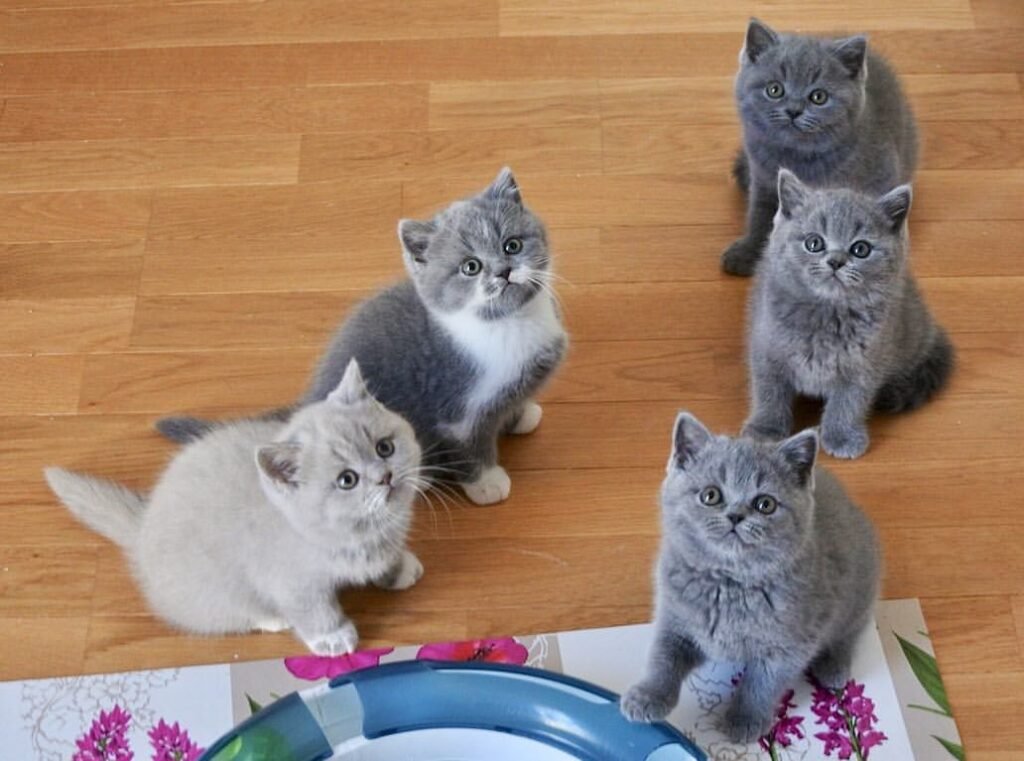
Owning a Blue British Shorthair cat can be a delightful experience, characterized by their striking appearance and charming personalities. However, prospective owners should be aware that the financial commitment extends well beyond the initial purchase price. From routine care and health maintenance to food and grooming, understanding the various costs associated with this beloved breed is essential for responsible pet ownership. In this article, we will explore the different financial aspects of owning a Blue British Shorthair in the U.S., providing insights into what potential cat owners need to consider before bringing one of these feline companions home.
Overview of Blue British Shorthair Cats
History and Origin
The Blue British Shorthair cat is like the British aristocracy of the feline world—dignified, a bit mysterious, and known for its distinguished looks. Originating in the United Kingdom, these cats can trace their lineage back to the Romans, who likely brought them over to keep their homes rodent-free. Over the years, they’ve accumulated a reputation for being sturdy companions, and their plush coats coupled with that iconic chubby-cheeked face have made them a favorite among cat lovers. You could say they were the stars of British cat shows long before the internet made fame accessible to all!
Physical Characteristics
If you’ve ever seen a Blue British Shorthair, you might have mistaken it for a plush toy—seriously, they’re that cuddly. They sport a broad head, large round eyes (usually copper or gold, if they’re lucky), and a stocky body covered in a dense, plush gray coat. It’s as if someone took a cloud and gave it a cat form! Adult males typically weigh between 9 to 17 pounds, while females are a tad smaller. Their sturdy build and powerful limbs lend them a regal air, perfect for lounging like royalty on your couch.
Temperament and Behavior
Don’t let their grandeur fool you; Blue British Shorthairs are not the snooty aristocrats of the cat world. They’ve got personality in spades! Known for their calm and friendly demeanor, these cats are great companions for families and singles alike. They enjoy being around people but aren’t the clingy types—think of them as the laid-back roommate who occasionally joins you for a movie but also appreciates their alone time. They tend to be playful and social, relishing interactive toys and the occasional game of hide-and-seek with your shoelaces.
Initial Purchase Price
Factors Influencing Price
When it comes to the initial price tag for your Blue British Shorthair, several factors come into play. Breeder reputation, lineage, age, and even coat color can all affect how much you’ll have to shell out. A cat’s genetics can have a role too—the fancier the pedigree, the fancier the price. On average, expect to spend anywhere from $1,500 to $3,000, depending on these variables. Just remember, this isn’t just a purchase; it’s an investment in cuteness!
Reputable Breeders vs. Pet Stores
Buying a Blue British Shorthair from a reputable breeder is like ordering a gourmet meal; you know you’re getting quality. Reputable breeders prioritize health and temperament, providing you with a well-socialized kitten. On the flip side, pet stores often sell cats without proper background checks, leading to potential health problems down the road. So, while that kitten may look cute behind the glass, remember that you get what you pay for—don’t compromise quality for a quick purchase!
Adoption Costs
Adopting a Blue British Shorthair can be a more budget-friendly option, though it’s less common. Shelter fees typically range from $100 to $300, which often covers spaying/neutering and initial vaccinations. Keep in mind, while the upfront costs may be lower, you might not know the full history of your feline friend. However, adopting a cat in need not only saves you some cash but also gives a deserving kitty a forever home—talk about a win-win!
Ongoing Costs of Care
Routine Expenses
Once your Blue British Shorthair is settled in, the costs don’t stop flowing like catnip at a feline fiesta. Expect recurring expenses for food, litter, toys, grooming, and occasional treats to keep your kitty purring. On average, you might spend around $500 to $1,000 annually, depending on how much you spoil your fur baby. Spoiler alert: they will demand to be spoiled—it’s in their nature.
Comparison to Other Breeds
When stacked against other breeds, Blue British Shorthairs might be slightly more expensive, but their low-maintenance grooming needs can save you some bucks in the long run. Many long-haired breeds require more frequent grooming sessions (and the inevitable expense that comes with them). While their overall care is mid-range in the feline world, these adorable gray companions offer a blend of beauty, personality, and charm that’s hard to resist.
Health Considerations and Veterinary Expenses
Common Health Issues
Like any breed, Blue British Shorthairs can be prone to a few health issues. These cuties may experience obesity if they snack on too many treats (who could blame them?), as well as hypertrophic cardiomyopathy (HCM), a heart condition seen in various cat breeds. Regular check-ups are essential to catch any health concerns before they snowball into bigger issues—after all, we want our furry friends to live long and happy lives!
Routine Check-ups
Routine veterinary check-ups are the name of the game when it comes to keeping your kitty in top shape. These visits generally run between $50 to $150, depending on the vet and the services provided. Regular check-ups help catch potential health issues early on, and who wouldn’t want to avoid expensive surprises down the road? Plus, isn’t it nice to hear the vet say, “What a healthy cat you have!”? You might just glow with feline pride.
Vaccination and Preventive Care
Vaccination and preventive care are like cat insurance—essential if you want your Blue British Shorthair to thrive. Expect to spend around $100 to $500 per year on vaccinations and preventive treatments like flea control and dental care. While it might feel like a hefty expense, it’s a fraction of what you’d pay for treatment if your cat got sick. Plus, keeping those paws and whiskers healthy means more cuddle sessions for you both!
Grooming and Maintenance Requirements
Brushing and Bathing Needs
Blue British Shorthairs have luxurious coats that deserve a little TLC. Regular brushing, ideally once a week, helps minimize shedding and keeps their fur looking fab. Given that these cats can be a bit picky about water, bathing isn’t typically necessary—unless, of course, they take a dive in the spaghetti sauce. In which case, all bets are off!
Nail Trimming and Ear Cleaning
Nail trimming is essential to prevent those adorable little claws from turning into a stealthy weapon during cuddle sessions. Aim for a trim every 2-4 weeks. As for ear cleaning, a quick check every month should do the trick. If they look like a tiny disco ball in there, it’s time for a clean-up. Just remember, your cat may not appreciate your newfound hobby.
Professional Grooming Services
If you’re too busy binge-watching shows or just want to avoid the cat wrestling match that is at-home grooming, consider professional services. Grooming costs can range from $40 to $100 per session, depending on where you live and how fancy the salon is. Just be prepared for your cat to exit the groomer’s with an impressive ‘do and an attitude that says, “I’m fabulous, and you’re not.”
Food and Nutrition Costs
Recommended Diet for Blue British Shorthairs
These regal felines thrive on high-quality protein, so think premium cat food, not the stuff that looks like it was scraped off the highway. A balanced diet of wet and dry food is ideal, and look for options that specifically cater to their breed. Your kitty deserves to dine like royalty—even if they occasionally choose to ignore their pristine food bowl in favor of the floor crumbs.
Cost of Premium Cat Food
Prepare for the sticker shock when shopping for quality cat food. Prices for premium brands can range from $30 to $70 per month, depending on the size of your furry friend and their appetite. Remember, the investment pays off in health and shiny coats. Plus, your cat will appreciate it, which is basically the same as saying they’ll love you more (even if they still occasionally knock over your plants).
Special Dietary Needs
Some Blue British Shorthairs might develop special dietary requirements due to age or health concerns. Whether it’s grain-free gourmet or prescription food, such options can dramatically increase your monthly expenses, adding another $20 to $100 to your budget. Be prepared for the potential of “cat health issues” to become your new favorite dinner conversation.
Insurance and Emergency Expenses
Types of Pet Insurance
Pet insurance is as vital as that extra slice of pizza you justify because it’s “just a snack.” There are three main types: accident-only, wellness coverage, and comprehensive plans that cover most things (except, for some reason, your cat’s inexplicable desire to sit on your laptop). Pricing can vary widely, from $20 to $50 a month. Choose wisely—the wrong plan might leave you feeling more stressed than a cat in a room full of rocking chairs.
Estimating Emergency Costs
While we all hope for a drama-free existence, life happens. Emergency vet visits can set you back anywhere from $500 to a whopping $3,000 depending on the situation. That’s a lot of kibble! Remember that a little preparation goes a long way in avoiding financial panic.
Benefits of Pet Insurance
Good pet insurance can cover a significant portion of those unexpected expenses, allowing you the peace of mind to focus on more pressing matters, like whether to buy a climbing tree or a new catnip toy. Think of it as a cat’s version of having a savings account—except it’s your cat that gets to cash in when the occasion calls for it.
Long-term Financial Commitment
Average Lifespan and Financial Planning
Blue British Shorthairs typically live for 12 to 15 years. That’s a long time to have a furry roommate! Over their lifetime, you could spend anywhere from $20,000 to $40,000 on food, grooming, and healthcare—so make sure your financial plans include room for a feline diva. Budgeting is key; just don’t be surprised if your budget mysteriously disappears under the weight of cat toys!
Unexpected Expenses
The surprise vet bill you never saw coming? Yeah, that’s a classic feature of pet ownership. From minor mishaps (like what your cat did to that unsuspecting houseplant) to serious health issues, keeping a rainy-day fund for these unforeseen adventures is wise. Consider it your cat’s very own “Emergency Fun Fund”—because you know they’ll have a blast with it!
Budgeting for a Pet
Budgeting for a Blue British Shorthair means planning for all the obvious expenses (food, grooming, and litter) as well as the not-so-obvious ones (like replacing your couch because your cat took a liking to it). Use a budgeting app or a good old-fashioned spreadsheet. Whatever works for you—just remember to leave some room for spontaneous catnip purchases!In conclusion, while owning a Blue British Shorthair cat can bring immense joy and companionship, it is crucial to recognize the various costs involved in their care. By understanding the initial purchase price, ongoing expenses, and long-term financial commitments, potential owners can make informed decisions and ensure they provide the best possible environment for their new feline friend. With proper planning and care, your Blue British Shorthair can thrive as a cherished member of your family for many years to come.
Frequently Asked Questions
What is the average lifespan of a Blue British Shorthair?
The average lifespan of a Blue British Shorthair is typically between 12 to 15 years, although some may live longer with proper care.
Are Blue British Shorthairs prone to any specific health issues?
Yes, Blue British Shorthairs can be prone to certain health issues, such as hypertrophic cardiomyopathy (HCM) and obesity, making regular veterinary check-ups essential.
How much should I budget for monthly food expenses for my Blue British Shorthair?
Monthly food expenses can vary, but on average, you should budget between $30 to $60 for high-quality cat food, depending on the brand and dietary needs.
Is pet insurance recommended for Blue British Shorthairs?
Yes, pet insurance is highly recommended as it can help cover unexpected medical expenses and provide peace of mind for pet owners.