
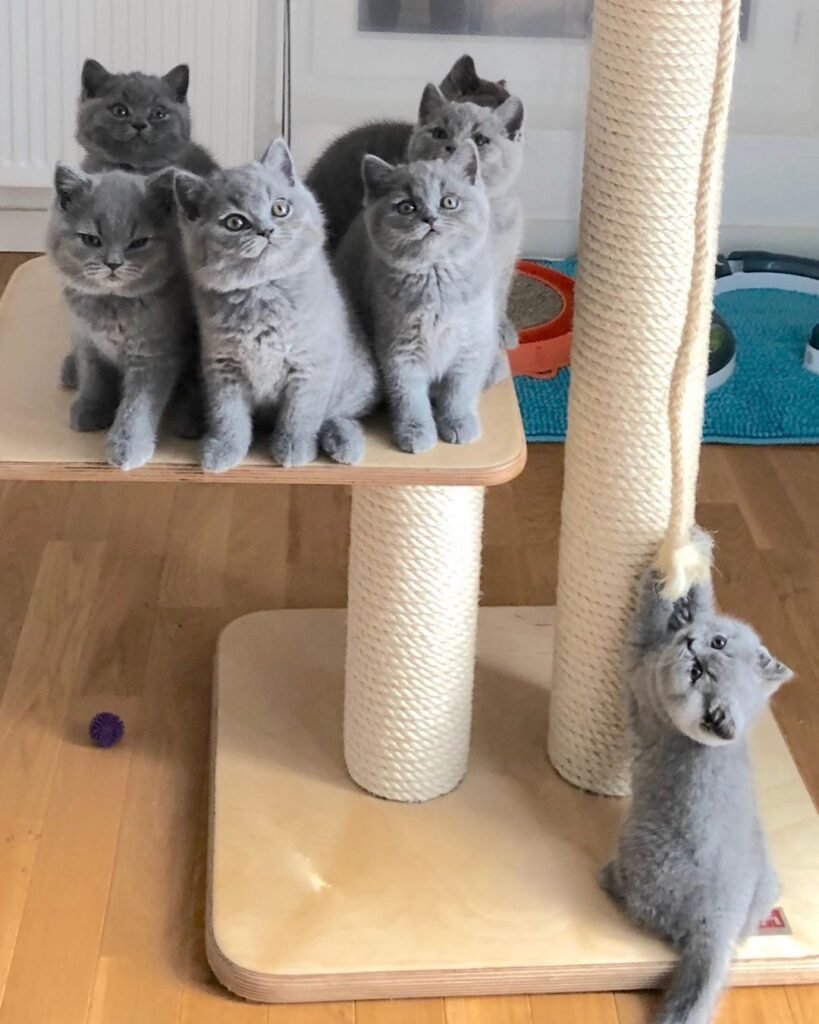
Bringing a Blue British Shorthair kitten into your home is an exciting and rewarding experience. Known for their charming personalities, striking blue coats, and round faces, these kittens quickly capture the hearts of their owners. However, proper care and attention are essential to ensure that your new furry friend thrives in their new environment. From preparing your home and selecting the right supplies to establishing a nutritious diet and understanding their unique behavior, this guide will provide you with all the essential information needed to give your Blue British Shorthair kitten the best start in life.
Preparing Your Home for a Blue British Shorthair Kitten
Kitten-Proofing Your Living Space
Before your furry friend arrives, take a stroll around your home and channel your inner detective. Cats are nimble, curious creatures with a knack for getting into trouble. Secure loose wires, hide away breakable items, and keep chemicals and plants that are toxic to cats well out of reach. Remember, your new kitten is like a tiny furry tornado; they’ll be exploring every nook and cranny. It’s best to play it safe!
Designating a Safe Zone
Every kitten needs their own little sanctuary, so pick a cozy corner of your home to be their safe zone. This space should have everything they need—food, water, a litter box, and comfortable bedding. Consider adding a plush blanket or a toy to make it feel extra snug. This will be their go-to spot when the world outside feels a bit overwhelming, like a mini spa retreat just for them!
Essential Supplies for Your New Kitten
Food and Water Bowls
Invest in some sturdy food and water bowls that won’t tip over at the first enthusiastic paw swipe. Look for options that are easy to clean and free from harmful materials. Stainless steel or ceramic bowls are great choices. Plus, choosing a shallow design helps those adorable whiskers get a drink without a messy face—because who wants to deal with a soggy kitten?
Choosing the Right Litter and Box
Picking the right litter box is a major decision—like choosing your favorite Netflix show, it requires careful thought. Go for a box that’s the right size for your growing kitten, and don’t forget about the litter! Clumping, unscented litter is usually a hit with both kittens and their humans. Just make sure to scoop it regularly unless you enjoy the delightful aroma of “Eau de Litter Box” wafting through your home!
Comfortable Bedding and Toys
Your Blue British Shorthair kitten deserves a fluffy retreat! Look for bedding that’s soft yet supportive, and it’s always a bonus if you can toss it in the washing machine. As for toys, variety is key—think feather wands, crinkly balls, and anything that sparks their hunting instinct. Remember, a bored kitten is a mischievous kitten, so stock up on toys to keep them entertained (and your furniture safe!).
Establishing a Healthy Diet
Selecting High-Quality Kitten Food
When it comes to feeding your kitten, opt for high-quality food that’s specifically formulated for their growing bodies. Look for options rich in protein and essential nutrients. Your vet can help you select the perfect brand, ensuring your little furball doesn’t end up with a classic case of “hangry.” After all, a well-fed kitten is a happy, purring machine!
Feeding Schedule and Portions
Kittens have big appetites and even bigger personalities, so establishing a feeding schedule is key. Aim to feed them small meals throughout the day—four times is a safe bet! Be cautious not to overdo it; follow the portion guidelines on your kitten food packaging. After all, no one wants to deal with a chubby little diva demanding extra treats!
Creating a Safe and Comfortable Environment
Safe Spaces for Exploration
Kittens are natural explorers, so ensure your home is filled with safe spaces for them to roam. Create climbing spots, cozy nooks, and fun hiding places. Cardboard boxes and cat trees can become instant favorites—who knew you were sitting on a gold mine of entertainment? Just be sure to supervise their adventures until they know their boundaries (and what’s not a toy, like your favorite pair of shoes).
Temperature and Comfort Considerations
Your home should be a cozy haven for your kitten, meaning temperature matters! Keep it warm enough for their small bodies, and provide soft, snuggly spots for them to curl up. Be mindful of drafts and chilly windows; kittens are not fans of the Arctic chill. A little bit of warmth and comfort goes a long way in helping them feel safe and happy in their new home!
Socialization and Training Techniques
Introducing Your Kitten to Family Members
Getting your new Blue British Shorthair kitten used to the family can be a game of patience and strategy. Start by allowing your furry friend to explore at their own pace. Set up a quiet space with their bed and litter box, and let them come out when they feel comfortable. Encourage family members to sit on the floor to avoid towering over the kitten—because let’s face it, nobody likes being the center of attention right away. Use treats and gentle voices to create positive associations; soon, they’ll be a darling little diplomat of the household!
Basic Training Commands
Training your kitten isn’t just about teaching them to “sit” and “stay” (though those are handy). Start with fundamental commands like “come” and “no” using treats as bribes—sorry, I mean rewards! Keep training sessions short and fun; your kitten has the attention span of a goldfish. Consistency is key; use the same words and tone every time. Celebrate small victories with praise; before you know it, your Blue British Shorthair will be impressing everyone with their newfound skills, likely forgetting to mention that they still think the laser pointer is out to get them.
Regular Veterinary Care and Vaccinations
Choosing a Veterinarian
Finding the right vet for your Blue British Shorthair is like selecting a good pizza place—everyone has their preferences, but you can’t go wrong with something reliable. Look for a veterinarian experienced with cats, particularly our fluffy friends. Ask for recommendations, check reviews, and consider visiting the clinic to see if it feels welcoming (bonus points for cat-themed decor). Comfort is important; a good vet will make both you and your kitten feel like you’re part of the family… or maybe just part of the “cats are superior” club.
Understanding Vaccination Schedules
Your kitten’s vaccination schedule is crucial and not just a cleverly disguised excuse for a vet visit. Typically, your little fluffball will need a series of vaccinations starting around 6-8 weeks, followed by boosters until they’re around 16 weeks old. These shots will protect them from common feline diseases that no one wants to mess with. Keep track of their vaccination records because nothing says “I’m a responsible pet parent” like a well-organized folder. And remember, a trip to the vet is also an opportunity for extra treats—so go ahead and spoil them after.
Grooming Tips for Blue British Shorthairs
Brushing Techniques and Frequency
Blue British Shorthairs have that luscious fur that feels like a cloud—if clouds were furry and had an insatiable need for attention. Brush your kitten at least once a week to keep their coat smooth and reduce shedding. Use a soft brush or a grooming glove; remember, this is supposed to be a bonding experience, not a wrestling match. If your kitten gives you the side-eye or decides the brush is an enemy, be patient. Offer treats and gentle praise, letting them know that grooming is a helpful act that leads to more snuggles and less hairball drama.
Nail Trimming and Ear Cleaning
Nail trimming and ear cleaning might not sound like the most thrilling activities, but keeping your Blue British Shorthair tidy is essential. Start getting your kitten accustomed to having their paws handled while they’re still young. Introduce the nail clippers slowly—maybe over a treat or two. Aim to trim those sharp claws every couple of weeks, unless you enjoy the occasional surprise cat scratch. For ear cleaning, use a vet-recommended solution and a cotton ball. Be gentle, and if your kitten appears to be auditioning for a drama role, give them a break and try again later. A tidy kitty is a happy kitty!
Understanding Behavior and Personality Traits
Common Behavioral Traits of Blue British Shorthairs
Blue British Shorthairs are like the cool kids of the cat world—chill, affectionate, and a little sassy. They tend to have a calm demeanor and are usually quite playful when the mood strikes. You might find them lounging like royalty on your favorite chair or following you around to ensure you don’t forget about their snack time. They also have a strong sense of independence, so don’t be surprised if they pretend to ignore you when called. It’s just their way of asserting their feline authority (but they still love you, don’t worry).
Recognizing Signs of Stress or Discomfort
Even the coolest cats can experience stress—so it’s essential to be aware of their signals. If your Blue British Shorthair is hiding more than usual, not eating, or marking territory in unusual spots, it could be indicative of stress. Watch for behaviors like excessive grooming or changes in litter box habits, as these can signal discomfort. Providing a safe, quiet space and consistent routines will help them feel secure. And if you’re ever unsure, don’t hesitate to reach out to your vet; they’re the cat whisperers of the adult world! Caring for your Blue British Shorthair kitten is a fulfilling journey that requires patience, love, and attention to detail. By following the tips and guidelines outlined in this article, you can create a nurturing environment that supports your kitten’s health and happiness. Remember, each kitten is unique, so take the time to understand their individual needs and personality. With your care and commitment, your Blue British Shorthair will grow into a beloved companion for years to come.
FAQ
How often should I feed my Blue British Shorthair kitten?
It is generally recommended to feed your kitten three to four small meals a day. As they grow, you can gradually transition to two meals a day. Always consult your veterinarian for specific dietary recommendations based on your kitten’s age and health.
What type of litter is best for my kitten?
A low-dust, clumping litter is often ideal for kittens, as it helps with odor control and is easier to clean. Avoid clay-based litters that contain harmful chemicals, and consider natural or biodegradable options for a safer environment.
How can I help my kitten adjust to their new home?
To help your kitten adjust, create a designated safe space where they can explore and feel secure. Gradually introduce them to other areas of your home and family members, while providing plenty of toys and opportunities for play.
When should I schedule my kitten’s first veterinary visit?
It’s best to schedule your kitten’s first veterinary visit as soon as you bring them home, ideally within the first week. This visit allows for a health check, vaccination scheduling, and discussions about diet and care.