
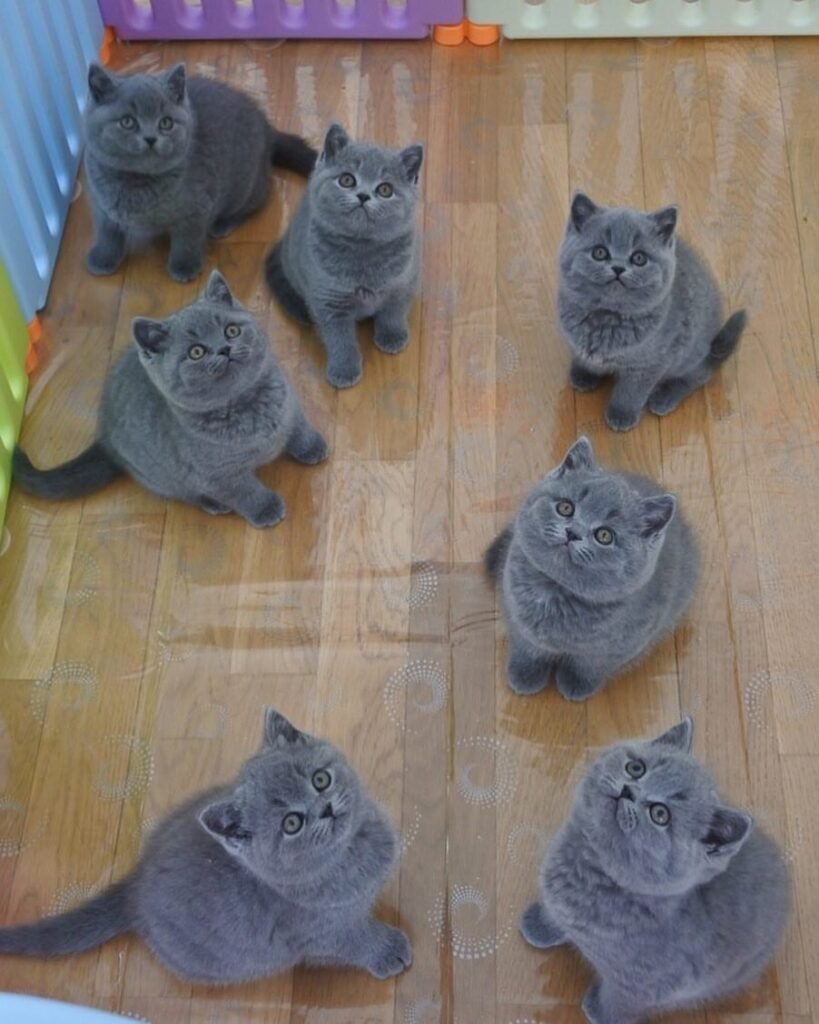
Bringing a Blue British Shorthair kitten into your home can be an exciting and rewarding experience. Known for their striking appearance, playful demeanor, and affectionate nature, these charming felines have captured the hearts of cat enthusiasts around the world. However, purchasing a kitten is a significant commitment that requires careful consideration and preparation. This ultimate guide will walk you through everything you need to know about buying a Blue British Shorthair, from understanding the breed’s unique characteristics and finding reputable breeders to preparing your home and ensuring proper care. Whether you’re a first-time cat owner or an experienced feline enthusiast, this guide will equip you with the knowledge to make a well-informed decision and provide a loving environment for your new companion.
1. Understanding the Blue British Shorthair Breed
1.1 History and Origin
The Blue British Shorthair has a lineage steeped in history that goes all the way back to ancient Rome, where they were likely bred from the cats brought in by Roman soldiers. These charming felines were once the proud protectors of farms and grain stores, reigning supreme as pest controllers. Over time, they became popular in British cat shows, earning their place as a beloved breed, especially for their striking blue-grey coat and round features. So, they basically went from farm workers to superstars – talk about a cat-astic glow-up!
1.2 Distinctive Features
Blue British Shorthairs are easily recognizable thanks to their plush, dense coat that resembles a soft cloud. They sport a sturdy body, broad head, and big, round eyes that can be copper or gold, making them look like they’re always judging you (in the cutest way possible). Their chubby cheeks give them a perpetually adorable expression, as if they’ve just tasted the world’s best tuna treat. With their stocky build and lovely rounded features, they truly are the feline version of a teddy bear!
1.3 Temperament and Personality Traits
These cats are renowned for their easygoing and laid-back nature. Blue British Shorthairs are typically affectionate but not overly clingy, making them perfect companions for busy humans. They’re friendly with kids and other pets, embodying the definition of a social butterfly—albeit a fluffy one! You can expect them to be rather dignified and somewhat aloof at times, but they’re also playful and have a good sense of humor. Think of them as the suave cat you invite to parties who subtly steals the spotlight without even trying.
2. Key Characteristics of Blue British Shorthair Kittens
2.1 Physical Characteristics
When it comes to physicality, Blue British Shorthair kittens are the definition of “small but mighty.” They typically boast chunky little bodies with broad chests and thick legs, which will definitely make them the heavyweight champions of your home. Their heads are round with chubby cheeks, giving them a permanently adorable look that’s hard to resist. Plus, those big, round eyes are like two little suns beaming happiness, drawing you in every time they give you that “feed me” stare!
2.2 Coat and Color Variations
The iconic blue coat of these kittens is a striking, solid color that’s as cool as a calm sea on a sunny day. Their fur is dense and plush, which needs a bit of regular grooming to keep it looking fabulous (because every kitten deserves to feel like a supermodel!). While “blue” refers to a particular shade of grey, some may also sport faint tabby stripes in their younger days—think of it as their “just woke up” look before they fully embrace their chic adult style.
2.3 Typical Size and Growth Patterns
Blue British Shorthair kittens grow quite steadily—well, they don’t want to be shortchanged on their journey to greatness! They generally reach their full size by the age of 3 to 5 years, with males typically being larger than females. On average, expect them to weigh between 9 to 17 pounds as adults, with a solid, muscular build. Their adorable kitten stage lasts a while, so enjoy the tiny antics while you can before they blossom into magnificent, fluffy adults that strut around like they own the place!
3. Where to Find Reputable Breeders
3.1 Identifying Responsible Breeders
Finding a reputable breeder is crucial, as it ensures you get a healthy and well-socialized kitten. Look for breeders who are registered with cat associations like the CFA or TICA. They should provide a clean, nurturing environment and be transparent about their breeding practices. Responsible breeders also conduct health tests on their cats and are happy to share that information with you. If they seem more interested in making a sale than finding a good home for their kittens, it’s time to walk away—your future furry friend deserves better!
3.2 Questions to Ask Breeders
When you find a potential breeder that seems to tick all the right boxes, it’s time to channel your inner detective. Ask them about the kitten’s lineage, health screenings, and any potential genetic issues associated with the breed. Inquire about their socialization practices—because you want a kitten that’s ready to tackle the world, not a recluse! Also, don’t forget to ask about the kitten’s temperament, dietary needs, and if they offer any health guarantees. The more you know, the better prepared you’ll be for welcoming your new feline overlord!
3.3 Adoption vs. Purchasing from Breeders
While buying from reputable breeders is a popular option, don’t overlook the joy of adoption! Many animal shelters and rescue organizations have Blue British Shorthairs waiting for a loving home. Adopting can be more affordable and gives a cat in need a second chance at happiness. Weigh your options: do you want a pampered, purebred from a breeder, or a charming mix from a shelter? Either way, you’ll be getting a lovable, furry companion who will enrich your life immensely, so it’s a win-win!
4. Important Health Considerations
4.1 Common Health Issues in British Shorthairs
Much like humans, British Shorthairs are prone to certain health conditions. Some common issues include hypertrophic cardiomyopathy (a heart disease), obesity (because who can resist those adorable eyes?), and certain joint problems. Regular vet check-ups and a balanced diet are essential to keep your kitty in tip-top shape. Keeping an eye out for any changes in behavior or appetite can also help you stay ahead of potential health hiccups.
4.2 Vaccination and Vet Care
Vaccinations are vital for your kitten’s health and protection against nasty diseases like feline leukemia and panleukopenia. A good vet will set up a vaccination schedule to ensure your fluffy friend isn’t just cute but also healthy! Regular vet visits will give you peace of mind that your kitten is on the right track to a long and happy life. Plus, you’ll get to show off your adorable companion at the vet’s office—who doesn’t love a little attention?
4.3 Health Screening and Genetic Testing
In the quest for a healthy kitty, health screenings and genetic testing can be a godsend. Responsible breeders should conduct these tests to detect any hereditary conditions, helping you to avoid potential health issues down the road. Don’t hesitate to ask your vet for advice on what screenings are recommended based on your kitten’s family history. A little foresight now can save you from a whole lot of worry later—after all, you want your Blue British Shorthair to live their best life (and keep you entertained for years to come
5. Preparing Your Home for a New Kitten
5.1 Creating a Safe Space
Before bringing your adorable blue British Shorthair kitten home, it’s essential to create a cozy and secure space for them. Start by choosing a quiet area away from heavy foot traffic where your furry friend can feel safe and relaxed. Consider setting up a comfy bed, a few blankets, and some soft toys. It’s like setting up a mini bungalow—just minus the fancy vacations and the hammock. Make sure to kitten-proof the area by removing any hazardous items they could chew on or get tangled in, like electrical cords and delicate houseplants (sorry, ficus!).
5.2 Essential Room Requirements
Your kitten’s room should include all the essentials to ensure a happy and healthy life. Start with a litter box—preferably one that’s low enough for tiny legs to access easily. Then, toss in some food and water bowls (preferably ceramic or stainless steel to avoid boredom with plastic). It’s also wise to include scratching posts for those inevitable urges to sharpen their claws and some climbing structures to satisfy their inner mountain goat. You want to create a kitty kingdom fit for royalty, minus the questionable advisors.
5.3 Introducing Other Pets
If you have other pets, introducing them to your new blue British Shorthair can feel like orchestrating a delicate diplomatic summit. Start by keeping your new kitten in a separate space for a few days, allowing everyone to sniff around and get used to each other’s scents. Then, do gradual introductions—perhaps with supervised playdates (but without the awkward small talk). Keep an eye out for signs of aggression or stress. Remember, it’s all about positive vibes; treats can help make this meet-and-greet a little more festive.
6. Essential Supplies for Your Blue British Shorthair
6.1 Food and Water Bowls
Choosing the right food and water bowls for your kitten is more pivotal than selecting the perfect Netflix show for a Saturday night. Opt for shallow, wide bowls that discourage whisker fatigue and are easy for little faces to access. As for the food, consider high-quality kitten food that contains all the nutrients your growing furball needs. Bonus points if it’s tasty enough to make your kitten look at you like you’re the gourmet chef of the century.
6.2 Litter Box and Accessories
When it comes to litter boxes, one size does not fit all. Choose a box that’s easy for your kitten to enter and exit, and consider getting one with higher sides to keep things tidy. Don’t forget the litter—clumping, unscented litter is often a good bet to keep things neat and simple. Add a scoop and a mat to catch any stray litter—your future self (and your floors) will thank you!
6.3 Toys and Enrichment Items
Kittens are like tiny balls of energy, ready to bounce off the walls (quite literally, in some cases). Keep them entertained with a variety of toys—think feather wands, balls that jingle, and even those adorable little laser pointers that turn you into a cat-stalking ninja. Puzzle toys are also great for keeping their brains active and can turn your kitten into a feline Einstein. Just be prepared for the chaos that follows a play session; your living room may briefly resemble a war zone!
7. Training and Socialization Tips
7.1 Basic Training Techniques
Training a kitten may seem daunting, but fear not! Start with basic commands like “come” or “no,” paired with delightful treats as motivation (food bribery is totally acceptable here). Use a gentle tone while keeping sessions short, as kittens have attention spans shorter than a goldfish’s. Consistency is key—soon enough, your blue British Shorthair will be the star pupil of the feline academy.
7.2 Socializing with People and Other Animals
Socialization is crucial for your kitten’s development, so don’t be shy about introducing them to new people and other animals. Make it a fun experience, with plenty of treats and praise, to help them associate new encounters with positive vibes. Gradually expose your kitten to different sounds, smells, and experiences, and remember—patience is your best friend here. Before you know it, your kitten will be the life of the (litter) party!
7.3 Addressing Behavioral Issues
Even the cutest kittens can have their moments, whether it’s scratching furniture or an occasional rogue pooping escapade. Stay calm and avoid punishment—this rarely works and often backfires. Instead, redirect unwanted behaviors with toys or engage them in play. If your kitten starts exhibiting persistent behavioral issues, consider consulting a professional trainer or veterinarian. After all, we want well-behaved fluffballs, not tiny tyrants!
8. Ongoing Care and Maintenance for Your Kitten
8.1 Nutrition and Feeding Guidelines
Feeding your blue British Shorthair the right diet is crucial for their growth and development. Kittens need specially formulated food rich in protein and nutrients, so look for high-quality options marked specifically for kittens. Stick to a schedule—usually two to three meals a day—and gradually transition them to adult food as they reach around a year old. And remember, moderation is vital; despite those big, pleading eyes, no cat should become a tiny, fluffy bowling ball.
8.2 Grooming and Coat Care
Despite their plush, glorious fur, British Shorthairs require only moderate grooming. A weekly brush will help reduce shedding and keep their coat looking sleek and shiny, while also providing you with the perfect excuse to bond (and an endless supply of cute Instagram pics). Don’t forget to check their ears and trim their nails regularly, because even the most regal kitten needs to look sharp—literally! In conclusion, welcoming a Blue British Shorthair kitten into your life can be a delightful journey filled with joy and companionship. By taking the time to understand the breed, choosing a reputable source, and preparing your home for your new pet, you set the foundation for a happy and fulfilling relationship. Remember that ongoing care, training, and love are essential to your kitten’s well-being. With the right approach and dedication, your Blue British Shorthair will thrive and become a cherished member of your family for years to come.
Frequently Asked Questions
1. How much does a Blue British Shorthair kitten typically cost?
The price of a Blue British Shorthair kitten can vary widely based on factors like breeder reputation, lineage, and location, typically ranging from $1,000 to $2,500.
2. Are Blue British Shorthairs good with children and other pets?
Yes, Blue British Shorthairs are generally known for their gentle and affectionate nature, making them great companions for children and other pets when properly socialized.
3. What should I feed my Blue British Shorthair kitten?
A high-quality kitten formula that provides balanced nutrition is recommended. Look for food specifically designed for kittens to support their growth and development.
4. How often should I take my kitten to the vet?
Kittens should have their first vet visit shortly after adoption, followed by regular check-ups every 3-4 weeks until they are about 16 weeks old. After that, annual check-ups are generally recommended.