
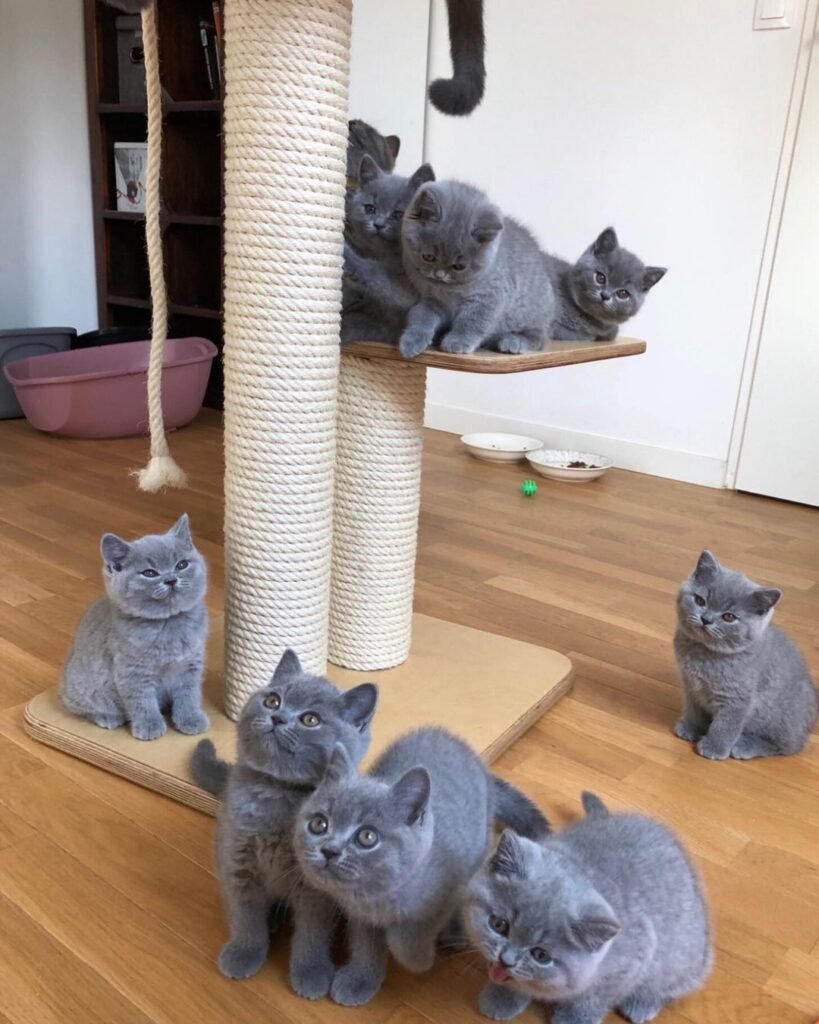
Bringing a new Blue British Shorthair kitten into your home is an exciting and rewarding experience. Known for their striking appearance, friendly demeanor, and playful nature, these kittens quickly become beloved members of the family. However, caring for a young kitten requires preparation, knowledge, and a commitment to ensuring their health and happiness. In this essential guide, we will explore everything you need to know about caring for your new Blue British Shorthair, from understanding their unique characteristics to creating a nurturing environment that fosters their growth and development. Whether you’re a first-time pet owner or a seasoned cat lover, this guide will equip you with the tools and insights needed to provide the best possible care for your adorable new companion.
Understanding the Blue British Shorthair Breed
History and Origin
The Blue British Shorthair breed has a history as rich as a double chocolate cake. Believed to have originated in ancient Rome, these cats were once the feline protectors of grain stores, keeping vermin at bay. A bit like your neighbor’s retired bulldog, they’ve seen the world change but remain steadfast in their love for cozy homes and catnip. Their robust build and striking blue coat are iconic, making them a favorite among cat enthusiasts.
Physical Characteristics
If you’re looking for a cat that looks like it just stepped off a royal catwalk, the Blue British Shorthair has you covered. They sport a dense, plush coat in a stunning slate-blue hue that feels like a cloud made of kittens. With round faces, big eyes, and a stocky build, they are the quintessential “cuddle me” cats. On average, they weigh between 9 to 18 pounds, making them perfect lap companions—just be prepared for the occasional knee-crushing snuggle.
Temperament and Behavior
British Shorthairs are the cool cats of the feline world: friendly, easy-going, and a bit aloof—like your favorite distant cousin who sends you birthday cards. They enjoy companionship but aren’t overly needy, making them ideal for busy households. Their playful nature lasts well into adulthood, so don’t be surprised if your furry friend tries to pounce on your laptop while you’re working. Just roll with it; they’re practicing for the next kitty Olympics.
Preparing Your Home for a New Kitten
Kitten-Proofing Your Space
Before your new Blue British Shorthair embarks on their mission to explore every nook and cranny of your home, it’s time to channel your inner safety inspector. Secure loose wires, hide away toxic plants, and check for small objects they could swallow (goodbye, Lego!). If it looks like a potential plaything, it probably is, so baby-proof your home like you’re preparing for a toddler invasion.
Creating a Comfortable Sleeping Area
Every cat deserves a cozy retreat, and your new kitten is no exception. Find a soft bed in a quiet corner where they can snooze without interruption. Bonus points if it’s a spot with a sunbeam! Consider adding a blanket or a familiar scent to help them settle in—because let’s face it, who doesn’t love falling asleep in a cloud of familiarity?
Designating Play Zones
Your kitten is going to have more energy than a kid on a sugar rush, so it’s crucial to carve out specific play zones in your home. Use soft rugs or mats and toss around some toys, laser pointers, or feather wands. Make sure these areas are free from breakables—unless you enjoy playing “what was that sound?”—and let the kitty games commence!
Essential Supplies for Your Blue British Shorthair
Food and Water Bowls
Invest in a sturdy set of food and water bowls—think of them as the fine dining establishment for your furry friend. Choose options that are easy to clean and won’t slide around (because a cat’s mission should never be obstructed by a wayward food bowl). Stainless steel or ceramic are solid choices; plus, they look snazzy in your kitchen.
Litter Box and Supplies
A litter box isn’t just a necessity; it’s a vital component of your home’s happiness. Opt for a box that’s big enough for your kitten to turn around in—think of it as their personal throne. Get quality litter that clumps well and absorbs odors, because nobody enjoys the scent of a litter box turning into a modern art installation.
Toys and Entertainment
Kittens are playful little rascals, so you’ll need a stash of toys to keep your Blue British Shorthair entertained. Invest in various options—balls with bells, plush mice, interactive toys—anything that can withstand a good pounce. Rotate the toys regularly to keep things fresh and exciting, and you’ll have a happy, entertained kitty doing its best impression of a tiny lion.
Scratching Posts and Cat Trees
Scratching posts and cat trees are the ultimate playgrounds for your Blue British Shorthair. They not only keep your furniture safe from mini claw attacks but also provide mental stimulation and exercise. Look for sturdy options with different heights and textures—this way, your new feline friend can conquer every level of their mini jungle gym.
Nutrition and Feeding Guidelines
Choosing the Right Cat Food
When it comes to food, not all cat cuisine is created equal. Look for high-quality cat food that lists meat as the first ingredient—because your kitten isn’t a vegetarian. Wet or dry, choose what works best for your lifestyle and your cat’s taste buds. And, of course, check with your vet for any specific dietary needs—after all, every royal deserves a proper feast.
Feeding Schedule for Kittens
Kittens have tiny tummies and big appetites, so establishing a feeding schedule is essential. Aim for three to four small meals a day, spacing them out to keep their energy levels high and their moods sunny. Adjust the portions as they grow, and don’t forget to break out the measuring cups—you wouldn’t want to overfeed your little furball too much love!
Monitoring Weight and Health
Keep an eye on your kitten’s weight and overall health, because a happy cat is a healthy cat. Regular vet check-ups are a must, and make sure you’re weighing your kitten periodically to track their growth. If you notice any unusual behavior or significant weight changes, it’s time to schedule a chat with your veterinarian—after all, an ounce of prevention is worth a pound of kitty shenanigans!
Health Care and Veterinary Visits
Initial Veterinary Check-Up
As soon as you bring your new Blue British Shorthair home, it’s time to book that all-important vet visit. This initial check-up is crucial for assessing your kitten’s health, checking for any congenital issues, and starting them on a solid healthcare foundation. Your vet will give your furry friend a thorough examination, discuss vaccinations, and provide you with a wealth of information on nutrition and behavior. It’s also a great opportunity for you to voice any questions or concerns—trust me, you’ll have them!
Vaccination Schedule
Kittens are like tiny sponges, soaking up every ounce of love—and, thankfully, some essential vaccinations. Your little fluff ball will need a series of vaccinations starting around 6-8 weeks old, with boosters typically given at 12 and 16 weeks. These vaccines protect against nasty bugs like feline distemper and rhinotracheitis, so don’t skip them! Your vet will provide you with a vaccination schedule that you can plaster on your fridge—a visual reminder that your kitten is on their way to becoming a healthy adult cat warrior!
Preventative Care and Parasite Control
While the thought of parasites might make you cringe, it’s a reality of pet parenthood. Fleas, ticks, and worms can sneak into your home faster than you can say “kitten cuddles.” Make sure to discuss preventative care with your vet. They’ll guide you in choosing the right flea and tick treatments, as well as deworming protocols. Regular check-ups every 6-12 months will keep your kitten’s defenses strong and ready to take on the world—or at least the living room!
Socialization and Training Tips
Introducing Your Kitten to Family Members
Introducing your Blue British Shorthair to your family (human and fur) is a bit like casting for a reality show—everyone has to get along. Start by keeping your kitten in a quiet space, allowing them to explore at their own pace. Gradually introduce family members, one at a time. Encourage gentle interactions and provide treats to create positive associations. Remember, patience is key. Your kitten will soon be the star of the show, charming everyone in the family!
Basic Commands and Training Techniques
Training your kitten might sound like a daunting task, but it can be a fabulous bonding experience. Start with simple commands like “come,” “sit,” and “no.” Use treats as incentives—because food is the universal language! Keep training sessions short and fun; kittens have the attention span of a goldfish. Positive reinforcement is your friend, so shower them with praise when they get it right. Soon enough, you’ll have a well-behaved little feline companion who might even respond when you call!
Handling Behavioral Issues
Kittens, like tiny tornadoes, can be unpredictable. If your Blue British Shorthair starts displaying less-than-desirable behaviors, don’t panic! Common issues include scratching furniture or nipping at hands during play. Redirect their energy with toys or scratching posts to satisfy their instincts. If issues persist, consider consulting a vet or a feline behaviorist—they have the tricks to help you turn your whirlwind into a calm breeze.
Grooming and Coat Care
Brushing and Bathing Techniques
The luxurious coat of a Blue British Shorthair is one of their standout features. To keep it looking fab, regular brushing is essential—aim for at least once a week. Use a soft-bristle brush to minimize shedding and distribute those natural oils. Bathing is typically not necessary unless your kitten really knows how to get into trouble (hello, mud puddle!). If a bath is needed, use a cat-specific shampoo and ensure the water is warm but not scalding—because no one wants a grumpy, soggy kitty!
Nail Trimming and Ear Cleaning
Nail trimming can be a wrestling match, but with a bit of practice, you can master it! Use cat-friendly clippers and clip just the tip of the nail—avoid the pink area (the quick) to prevent any drama. As for ear cleaning, your Blue British Shorthair may need it from time to time. Use a veterinarian-recommended ear cleaner and a cotton ball; just don’t go poking around like you’re searching for buried treasure. Regular checks will keep those ears healthy and free from unsightly wax!
Dealing with Shedding
Ah, shedding, the inevitable price we pay for feline companionship. Luckily, Blue British Shorthairs have a short, dense coat that doesn’t shed excessively. Regular brushing will help capture loose fur before it decorates your home. Invest in a good lint roller for those moments when a quick clean-up is needed. And remember, shedding is normal—just think of it as your kitten’s way of leaving their mark on everything you own (including your favorite sweater).
Creating a Safe and Enriching Environment
Indoor vs. Outdoor Living
The great debate: indoor vs. outdoor living. For a Blue British Shorthair, the safer option is definitely indoors. Outdoor adventures may seem appealing, but they expose your kitten to potential dangers like traffic, predators, and other hazards. Create a stimulating indoor environment with plenty of toys, climbing structures, and cozy spots for napping. Consider setting up a catio (a cat patio) for a taste of the outdoors while keeping your kitten safe and sound.
Enrichment Activities and Toys
Kittens are natural explorers and often need mental stimulation to avoid boredom. Invest in a variety of toys—think feather wands, puzzle feeders, and balls with bells. Rotate toys regularly to keep things fresh and exciting. Interactive playtime is a must; it strengthens your bond and keeps them physically active. Just remember, the goal is to make your living room feel like a feline amusement park!
Identifying Hazards in Your Home
Your home sweet home can harbor hidden dangers for your inquisitive Blue British Shorthair. Start by securing loose wires, as kittens seem to have an innate talent for turning them into chew toys. Consider removing any toxic plants and securing heavy objects that could topple over. Don’t forget about small items that can be swallowed or choked on—kittens have a knack for finding the smallest bits of trouble! A thorough safety check will help ensure your home is a safe haven for your new furry friend. Caring for your new Blue British Shorthair kitten is a fulfilling journey that brings joy and companionship into your life. By understanding their needs and providing a safe, loving environment, you set the foundation for a happy and healthy life together. Remember to be patient as your kitten adjusts to their new home, and enjoy every moment of play, cuddles, and exploration. With the right care and attention, your Blue British Shorthair will grow into a loyal and cherished friend for years to come.
Frequently Asked Questions
1. How do I choose the right food for my Blue British Shorthair kitten?
It’s essential to select a high-quality kitten food that meets their nutritional needs, focusing on growth and development. Look for options that are rich in protein, have appropriate fat levels, and are specifically formulated for kittens.
2. At what age should my Blue British Shorthair get their vaccinations?
Kittens typically start their vaccination schedule at around six to eight weeks of age. It’s important to consult with your veterinarian to establish a vaccination timeline tailored for your kitten.
3. How can I help my kitten adjust to their new home?
Provide a quiet, comfortable space where your kitten can feel safe. Gradually introduce them to other areas of your home and family members, allowing them to explore at their own pace. Consistent routines for feeding and playtime can also help ease their transition.
4. Do Blue British Shorthairs require special grooming care?
While Blue British Shorthairs have dense coats that are relatively low-maintenance, regular brushing (about once a week) is recommended to reduce shedding and keep their fur healthy. Be sure to also check their nails and ears regularly as part of their grooming routine.