
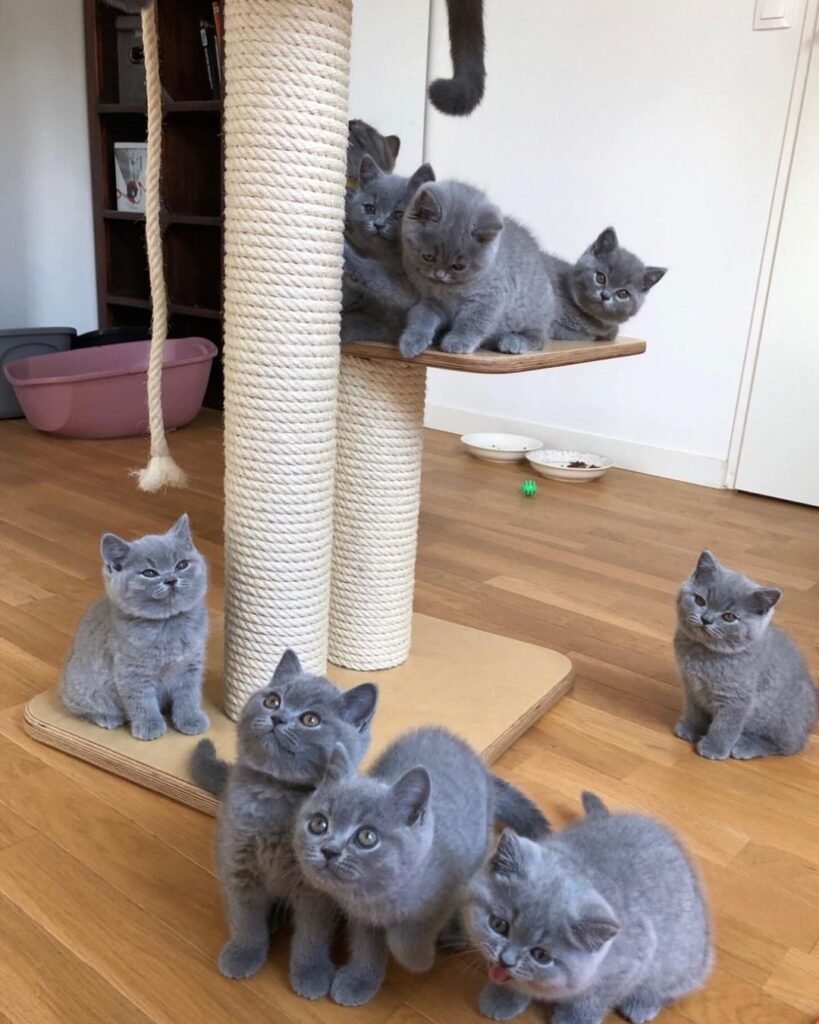
Bringing a Blue British Shorthair kitten into your home is an exciting and rewarding experience, but it also comes with important considerations to ensure you make the best choice for both you and your new furry companion. Known for their striking blue-gray coats, round faces, and friendly personalities, Blue British Shorthairs are not only adorable but also make excellent family pets. To help you navigate the journey of finding and welcoming a Blue British Shorthair kitten, we’ve compiled a list of the top 10 tips that cover everything from understanding the breed to preparing your home and caring for your new kitten. Whether you’re a first-time cat owner or looking to add to your family, these tips will guide you toward a successful and fulfilling adoption experience.
Understanding the Blue British Shorthair Breed
Characteristics and Appearance
Blue British Shorthairs are the chubby little royalty of the cat world. With a dense, plush coat that feels like a cloud (seriously, you’ll want to hug them), their signature blue-gray color, round faces, and captivating copper or gold eyes make them utterly irresistible. They look like they just walked off a Victorian painting, but don’t be fooled by their aristocratic airs; they come with personality!
Common Health Issues
Like all breeds, Blue British Shorthairs have their own set of health quirks. They can be prone to heart disease (hypertrophic cardiomyopathy), obesity (who can resist those pleading eyes?), and dental issues. Regular check-ups and being mindful of their diet help keep them in tip-top shape, so you can enjoy their fluffiness for as long as possible.
Temperament and Behavior
These cats are the epitome of charm and independence. Blue British Shorthairs are typically calm, friendly, and oh-so-dignified. They love their humans but aren’t overly needy—think of them as the perfect roommates who occasionally ask for cuddles but also respect your personal space. They’re great with families, kids, and even other pets, making them the social butterflies of the feline world.
Researching Reputable Breeders
Identifying Ethical Breeders
Finding the right breeder is like searching for your favorite pizza place—there are a lot of options, but not all will make your heart sing. Ethical breeders prioritize the health and well-being of their cats, are transparent about their breeding practices, and don’t have that sketchy vibe. Look for breeders who are registered with recognized feline organizations and who don’t have litter boxes overflowing with fur babies.
Questions to Ask Breeders
Once you find a breeder you like, it’s time to channel your inner detective. Ask them about the kitten’s lineage, health checks, socialization practices, and the living conditions of the kitties. A good breeder will be happy to answer your questions and provide you with all the information you need—like a cat version of a Yelp review.
Visiting the Cattery
If possible, take a field trip to the cattery! This allows you to see where the kittens are raised and how they interact with their environment. A clean, well-maintained space with happy, healthy cats is a positive sign. Plus, who wouldn’t enjoy playing with a bunch of tiny furballs? Just be prepared for some tough decisions; they might all win your heart!
Evaluating Kitten Health and Wellness
Signs of a Healthy Kitten
When you finally meet your potential new best friend, keep an eye out for the signs of health. A healthy kitten should have bright eyes, a clean coat, and a playful personality. They should be curious and eager to explore (or pounce on a suspicious shoelace). If they seem lethargic or have discharge from their eyes or nose, it might be time to keep looking!
Vaccinations and Veterinary Checks
Before bringing your new pal home, ensure they have received their initial vaccinations and a veterinary check. A good breeder will provide you with all relevant health records. It’s like getting their version of a report card, and you want no C’s or D’s in there, thank you very much!
Understanding Kitten Care Requirements
Kittens are like tiny tornadoes of adorable chaos. They require proper nutrition, regular vet visits, and a safe space to play. You’ll also want to stock up on toys to keep their little minds engaged and prevent any furniture from becoming a scratching post. Be ready to invest time and love—because your new fluffball will need both in plentiful amounts!
Assessing Personality and Temperament
Observing Interactions with Littermates
Watching how a kitten interacts with its littermates is like scrolling through their social media feed: their behavior can tell you a lot about them. Kittens that play nicely, share toys, and engage in gentle wrestling matches are usually well-adjusted and sociable. Look for a kitten who doesn’t shy away from the action but also knows when to take a break for a stealthy nap.
Choosing a Kitten That Fits Your Lifestyle
Before you bring home a blue bundle of joy, consider your lifestyle. Are you a couch potato or an outdoor adventurer? Some kittens thrive in lively households while others prefer a more serene environment. The key is to find a kitty that matches your energy; after all, you want a partner-in-crime, not a roommate who keeps you up all night.
Understanding Playfulness and Energy Levels
Kittens are like little rubber balls on caffeine—full of energy and zest for life! That said, not every kitten has the same play style. Some are feisty little dynamos who will turn your living room into a racetrack, while others prefer to lounge like furry royalty. Pay attention to their playfulness and activity levels to ensure they align with your expectations (and your furniture’s durability).
Preparing Your Home for a New Kitten
Kitten-Proofing Your Space
Before your adorable blue British Shorthair arrives, it’s time to play the role of a detective and search for potential hazards lurking in your home. Get rid of any dangling cords, small objects, or toxic plants (sorry, peace lily—you’re out!). Secure cabinets and lock away cleaning supplies because, let’s face it, your kitten is now officially the king (or queen) of the house, and they’ll find mischief in the most unexpected places. Think of it as preparing a castle for a tiny, furry ruler!
Creating a Safe and Comfortable Environment
Kittens are a bit like toddlers—curious and inclined to explore every nook and cranny. Set up a cozy space filled with soft bedding, a scratching post, and a few hiding spots to make your little one feel at home. Ensure their area is free from drafts and has a warm, inviting atmosphere. And don’t forget to sprinkle in some toys to keep those tiny paws entertained! After all, a happy kitten is a less destructive kitten.
Introducing Other Pets
If you have furry friends already lurking around, introducing them to your new blue British Shorthair is crucial—think of it as a royal summit. Allow both parties to sniff around each other’s space first. Conduct slow, supervised meetings, and don’t rush the process. Treats for everyone can help ease any tensions (because who doesn’t like snacks?). Remember, patience is your best ally here!
Essential Supplies and Gear for Your Kitten
Food and Water Bowls
Get ready to splurge on some stylish food and water bowls! Your British Shorthair deserves nothing but the best, right? Opt for non-tip, easy-to-clean options—because let’s face it, kittens can be messy eaters. Consider getting elevated bowls as well; they may help reduce strain on those little necks, and your kitten will look all the more regal while dining.
Choosing the Right Litter and Litter Box
Selecting a litter box isn’t just a box—it’s a throne for your little kitty! Choose a litter box that’s the right size (no one likes to feel cramped) and easy to clean. Clumping litter can make your life easier and keep unwanted odors at bay. And remember, some cats can be picky about their litter, so be prepared to try a few different types to find the royal flush they prefer!
Selecting Toys and Scratching Posts
Every kitten needs a collection of toys that could rival the local toy store! From feather wands to crinkly balls, the options are endless. Don’t forget a sturdy scratching post; this is a must-have to save your furniture from becoming Swiss cheese. Think of it as your kitten’s gym membership—it’s where they get to work out their little claws and keep their muscles fit!
Budgeting for Your New Pet
Initial Costs of Purchasing a Kitten
Ah, the moment you fall in love with those adorable blue eyes—time to open your wallet! The initial costs of purchasing a blue British Shorthair can vary depending on the breeder and lineage. Expect to invest a fair sum; quality comes at a price! Don’t skimp on finding a reputable breeder—you want a healthy kitty, not a surprise vet bill waiting to happen!
Ongoing Expenses: Food, Health Care, and Supplies
Once you’ve warmly welcomed your kitten into your home, ongoing expenses will make their appearance. Quality cat food, routine vaccinations, and yearly check-ups add up. Plus, there are always new toys to buy and those irresistible kitty treat splurges. Create a monthly budget and remember: your kitten’s cuteness might just lead to some unexpected indulgences!
Emergency Fund for Unexpected Costs
Every savvy pet owner should have an emergency fund tucked away for unexpected expenses—think of it as pet insurance without the paperwork! Kittens are known for their curious nature, and sometimes that leads to mishaps requiring a vet’s intervention. Ideally, you’ll never need to dip into it, but having that financial cushion will give you peace of mind (and keep your budget from feeling like a cat on a hot tin roof).
After the Purchase: Caring for Your Blue British Shorthair
Establishing a Routine
Kittens thrive on routine—think of it as their comfort blanket. Set a consistent feeding schedule, playtime, and cuddle hours. It helps them feel secure and understand what to expect from their day. Besides, you’ll get into a rhythm that can make those early morning wake-up calls seem a lot more bearable (even if they still feel like tiny alarms on paws).
Regular Veterinary Check-ups
Don’t forget that your kitten will need regular vet check-ups to stay in tip-top shape. Vaccinations, parasite prevention, and spaying/neutering should all be on your to-do list. It’s not just about keeping your blue British Shorthair healthy; it’s also about helping them live their best life as the purring overlord of your home!
Socialization and Training Tips
Socializing your kitten is crucial for their development. Encourage interactions with various people, pets, and even different environments to help them grow into well-adjusted adults. Use positive reinforcement, like treats or praise, to teach commands and reinforce good behavior. Remember, you’re not just raising a pet; you’re nurturing a furry partner in crime—especially when it’s time to plot world domination! Welcoming a Blue British Shorthair kitten into your life can bring immense joy and companionship. By following these tips and being well-informed, you can ensure a smooth transition for both you and your new pet. Remember that patience, love, and proper care are key to building a strong bond with your kitten. Enjoy the journey of nurturing your Blue British Shorthair, and cherish the many moments of happiness they will bring to your home.
Frequently Asked Questions
What is the average cost of a Blue British Shorthair kitten?
The price of a Blue British Shorthair kitten can vary widely depending on factors such as the breeder, location, and the kitten’s lineage. On average, you can expect to pay between $1,500 and $3,000.
How do I know if a breeder is reputable?
A reputable breeder will be open about their breeding practices, provide health clearances for the kittens, allow you to visit their cattery, and be willing to answer any questions you may have. Look for reviews and recommendations from other cat owners as well.
What should I feed my Blue British Shorthair kitten?
A high-quality, age-appropriate kitten food is essential for your Blue British Shorthair’s growth and development. Look for options that contain real meat as the primary ingredient and avoid foods with fillers or artificial additives.
How much exercise does a Blue British Shorthair need?
Blue British Shorthairs are relatively calm and may not require extensive exercise, but regular playtime is important to keep them healthy and engaged. Aim for at least 15-30 minutes of interactive play every day to stimulate their physical and mental well-being.