
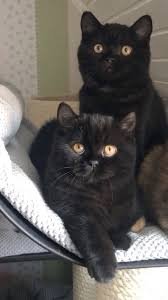
Welcoming a Black British Shorthair kitten into your home is an exciting and rewarding experience, filled with joy and companionship. Known for their striking appearance, playful nature, and affectionate demeanor, these kittens make wonderful pets for families and individuals alike. However, as a first-time owner, it’s essential to be well-prepared to provide the best care for your new furry friend. In this article, we’ll share ten essential tips to help you navigate the early stages of kitten ownership, ensuring a smooth transition for both you and your new companion. From understanding their breed-specific needs to creating a safe and stimulating environment, these tips will set you on the path to a happy and healthy relationship with your Black British Shorthair.
Understanding the Black British Shorthair Breed
Origins and History
The Black British Shorthair is a true British classic, with roots that can be traced back to the Roman era. These cats were originally bred for their hunting prowess, tackling rodents in the streets and homes of Britain like little furry ninjas. Over the years, they evolved from practical companions to beloved pets, and the breed’s distinctively plush coat and round faces have made them a favorite in households across the nation.
Physical Characteristics
With a stocky build, rounded head, and those adorable chubby cheeks, the Black British Shorthair is designed to be both adorable and sturdy. Their short, dense fur is not just for show; it’s like a soft, luxurious blanket that begs for petting. Their eyes can be copper, gold, or even a striking green, adding to their charm. When they prance around, they might not be the quickest cats on the block, but their confident swagger more than makes up for it.
Temperament and Personality Traits
These cats are known for their gentle and calm nature. Black British Shorthairs are the quintessential couch companions—affectionate, but not overly clingy. They enjoy being around people and other pets, but they also treasure their independence. Think of them as the friend who always brings snacks to the party but is perfectly fine curling up with a book when the socializing gets too intense.
Preparing Your Home for a New Kitten
Creating a Safe Space
Before your little furball arrives, it’s essential to set up a cozy nook where they can feel secure. This space should have a soft bed, a few toys, and a litter box hidden away from the hustle and bustle. Cats love privacy, so think of it as their own VIP lounge; no humans allowed (unless specifically invited, of course).
Kitten-Proofing Your Home
Kittens are notorious for their curiosity—and that can be a recipe for disaster if you’re not careful. Secure loose wires, hide away fragile items, and tuck away anything that could be harmful (like cleaning supplies and chocolate – yes, kittens are much like toddlers in that respect). Don’t forget to cover electrical outlets; your kitten might find them more fascinating than Netflix on a lazy Sunday.
Designating a Play Area
Kittens are bundles of energy, and they need a designated play area where they can let loose. Set up a space with cat trees, scratching posts, and plenty of toys. Make it a wonderland of playfulness! Remember, the more entertaining their space is, the less likely they are to find mischief elsewhere—because who wouldn’t want a fun cat gym instead of the curtains?
Essential Supplies for Your Kitten
Choosing the Right Food and Water Bowls
When it comes to food and water bowls, opt for shallow dishes to prevent whisker fatigue—yes, that’s a thing! Look for durable, non-slip materials, and make sure they’re easy to clean. As for the water bowl, consider using a fountain; some kittens prefer running water, and it’s like a spa day in their dining room!
Bed and Sleeping Arrangements
Every kitten needs a snuggly bed to curl up in after a long day of play. Look for a cozy, washable option to keep things fresh. Some kittens enjoy a high perch to survey their kingdom from above, while others prefer to burrow under blankets. It’s all about finding what makes your little one feel at home—so whether it’s a plush bed or a pile of soft laundry, let them choose!
Toys and Entertainment Options
Toys are a kitten’s best friend, and variety is key! Invest in a range of options—think feather wands, balls with bells, and interactive puzzles to keep your kitten entertained and mentally stimulated. Rotate the toys regularly to keep their interest piqued; it’s like having a toy shop at home, minus the annoying salespeople!
Nutrition and Feeding Guidelines
Selecting High-Quality Kibble vs. Wet Food
When choosing between kibble and wet food, high-quality options should be your go-to. Kibble can help with dental health, while wet food provides hydration and can be more palatable for picky eaters. Many cat owners opt for a mix—because who can resist pampering their fur babies with a buffet-style meal? Just steer clear of products with fillers and artificial ingredients; if you wouldn’t eat it, why would you feed it to your kitten?
Feeding Schedule for Kittens
Kittens thrive on routine, so establish a feeding schedule to keep their little tummies happy. Generally, feeding them three to four times a day until they reach about six months old is ideal. Eventually, you can transition to two meals a day. Just be prepared for some adorable begging—those little eyes can be hard to resist!
Understanding Portion Control
While it’s tempting to spoil your kitten with endless food, portion control is crucial for their health. Follow the feeding guidelines on your chosen food packaging and adjust based on your kitten’s growth. Keep an eye on their weight and overall appearance—remember, a healthy kitten is a happy kitten, and you’ll want them to strut their stuff for years to come!
Health Care and Veterinary Visits
Initial Vet Check-Up
Your first mission as a kitten parent is to schedule that all-important initial vet check-up. This is like a first date but with a stethoscope. The vet will assess your kitten’s health, check for any underlying conditions, and provide advice on care. Plus, it’s a good time to take cute photos for Instagram—because what’s the point of having a kitten if not to show them off?
Vaccination Schedule
Vaccinations are like your kitten’s superhero cape; they’ll protect them from harmful diseases while they explore the world. Your vet will recommend a vaccination schedule that usually starts around eight weeks old. Keep a calendar, jot down appointments, and feel free to bribe your little furball with treats—who knew the vet could be a fun adventure?
Preventive Care and Common Health Issues
Preventive care is key to keeping your Black British Shorthair sprightly and sassy. Regular check-ups, dental care, and parasite prevention should be on your radar. As for common health issues, look out for those little signs like excessive grooming or changes in appetite. If you see your kitten channeling their inner detective, it might be time for a vet visit!
Socialization and Behavior Training
Importance of Early Socialization
Socialization is essential for helping your kitten grow into a well-rounded adult cat—or as well-rounded as a fluffball can get! Start introducing them to different environments, sounds, and people early on. The goal is to make them less of a scaredy-cat and more of a social butterfly. Plus, who doesn’t want a feline friend that doesn’t hide under the couch when guests arrive?
Basic Commands and Training Techniques
Believe it or not, kittens can learn basic commands (yes, they’re not just adorable little furballs). Use positive reinforcement—think treats and praise—when teaching commands like “sit” or “come here.” Keep training sessions short and playful. If they ignore you, try not to take it personally; they have their own agenda, after all!
Dealing with Common Behavioral Issues
Even the cutest kittens can have behavioral quirks that would make a cat whisperer raise an eyebrow. Common issues include scratching furniture or biting during playtime. Redirect their attention with toys and scratching posts, and if biting becomes too much, it’s okay to play “hard to get.” Don’t worry, with time, patience, and a little training, you can have a well-behaved companion!
Grooming Tips for Black British Shorthairs
Brush Types and Techniques
Grooming your Black British Shorthair is a bonding experience—and a necessity! A good slicker brush is your best friend for their dense coat. Aim to brush them at least once a week to keep their fur stunningly shiny and to minimize shedding. Hold a treat in your other hand for motivation (for them, not you… you’re already motivated, right?).
Bathing Guidelines
Bathing your kitten might sound like a recipe for chaos, but don’t panic just yet! Kittens usually don’t need frequent baths unless they’ve gotten themselves into a particularly sticky situation. When you do bathe them, use lukewarm water and kitten-friendly shampoo. Keep it quick, and don’t forget the treats—after all, who wants a soggy kitten throwing a tantrum?
Nail Trimming and Ear Cleaning
Nail trimming and ear cleaning may feel like a ninja operation, but with practice, you’ll perfect your technique! Use cat-specific clippers and trim a little at a time—no one wants a cat drama over a nail trim! For ears, check them weekly for wax or dirt, and use a cotton ball with a vet-recommended solution. Your kitten will thank you, and you might save your furniture in the process!
Creating a Safe and Enriching Environment
Indoor vs. Outdoor Considerations
Ah, the age-old debate: to let your kitten roam free outdoors or keep them safe indoors? Outdoor cats have more adventures, but they also face risks. If you opt for indoor life, provide a stimulating environment with toys and climbing structures. If you allow outdoor time, consider a leash and harness—trust us, watching them explore like a tiny lion is priceless!
Providing Scratching Posts and Climbing Structures
Scratching posts are a must-have for any proud kitten owner. They’ll save your furniture while giving your kitten a place to stretch and sharpen those claws (because, let’s face it, every cat feels like a tiger deep down). Invest in a sturdy post and cat trees that allow for climbing and perching. Your kitten will love the vertical space, and you’ll enjoy watching their acrobatics.
Engaging Activities and Mental Stimulation
Kittens are little bundles of energy, and you don’t want them to unleash that chaos on your shoelaces. Engage them with puzzle toys, interactive play, or even DIY toys—think crumpled paper balls or feather wands. Rotate toys every week to keep their interest alive. Remember, a mentally stimulated kitten is a happy (and less destructive) kitten! In conclusion, bringing a Black British Shorthair kitten into your home can be a truly fulfilling experience when you are prepared and informed. By following these ten tips, you’ll not only ensure that your kitten grows up happy and healthy but also strengthen the bond between you and your furry companion. Remember, patience and love are key to navigating the joys and challenges of kitten ownership. Enjoy every moment with your new friend!
Frequently Asked Questions
What is the average lifespan of a Black British Shorthair?
The average lifespan of a Black British Shorthair is typically between 12 to 20 years, depending on their health, diet, and care.
How often should I groom my Black British Shorthair kitten?
It is recommended to groom your Black British Shorthair at least once a week to keep their coat healthy and reduce shedding. Regular grooming also helps to establish a bonding routine between you and your kitten.
Are Black British Shorthairs good with children and other pets?
Yes, Black British Shorthairs are generally known for their friendly and adaptable nature, making them great companions for children and other pets when properly socialized.
What should I do if my kitten is not eating?
If your kitten is not eating, it is important to consult your veterinarian as this could indicate a health issue. In the meantime, ensure that their food is fresh and consider trying different types or flavors of food to entice them.