
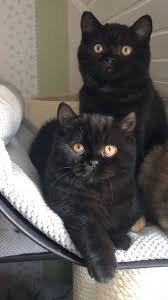
Bringing home a Black British Shorthair kitten is an exciting and rewarding experience, filled with joy and companionship. Known for their striking appearance and affectionate nature, these cats quickly become beloved members of the family. However, preparing for a new furry friend requires careful consideration and planning. From understanding their unique traits to ensuring your home is safe and welcoming, having a comprehensive checklist can make the transition smoother for both you and your kitten. This ultimate checklist will guide you through every essential step, helping you create a loving environment where your Black British Shorthair can thrive.
Understanding the Black British Shorthair Breed
History and Origins
The Black British Shorthair has a rich history that goes back centuries, with roots tracing back to ancient Rome. Originally bred from domestic cats brought over by the Romans, this breed was valued for its hunting skills. Over time, it evolved into a beloved companion in British households, gaining recognition for its distinct look and charming personality. Today, they are celebrated not just in the UK but around the globe, admired for their striking appearance and gentle temperament.
Physical Characteristics
The Black British Shorthair is the definition of feline elegance. With a dense, plush coat that feels as luxurious as it looks, these cats sport a solid black hue that gleams under the light. Their round faces, chubby cheeks, and big, copper-gold eyes give them an endearing expression that could melt the coldest of hearts. Sturdy and muscular, they are larger than your average kitty, often weighing between 9 to 18 pounds, making them both adorable and a little hefty in the best way possible.
Temperament and Personality Traits
When you bring home a Black British Shorthair, you’re not just adopting a pet; you’re gaining a loyal companion. Known for their calm and easygoing nature, these cats are as cool as a cucumber. They are affectionate without being clingy, enjoying the company of their humans while also relishing their independence. With a playful side that sometimes resurfaces, they are just the right mix of mischievous and laid-back, making them a delightful addition to any home.
Preparing Your Home for a New Kitten
Choosing the Right Space
Before your little furball arrives, it’s essential to select the right space for them to thrive. Look for a cozy corner or a quiet room where your kitten can feel safe and secure. Ideally, this space should be free from drafts and high traffic to minimize stress. Consider setting up a few hiding spots—kittens love to explore, and having a snuggly nook will give them a sense of safety. Remember, the goal is to create a feline paradise!
Kitten-Proofing Your Home
As cute as kittens are, they are also little bundles of trouble! Kitten-proofing your home is key to ensuring both their safety and your sanity. Start by securing loose cables and removing any small objects they could swallow. Keep hazardous substances like cleaners and medications out of reach. Don’t forget to check for open windows and balconies—kittens are known escape artists! With a bit of effort, you can create a safe haven for your playful new family member.
Essential Supplies for Your Black British Shorthair
Food and Water Bowls
Investing in good-quality food and water bowls is a must. Look for sturdy, easy-to-clean options that won’t tip over with every enthusiastic meal. Stainless steel or ceramic bowls are excellent choices, as they are resistant to scratches and bacteria. Remember to fill them with nutritious kitten food and fresh water—your little fluffball needs the best fuel for those zoomies!
Cat Litter and Box Setup
Kitten litter box training should be a breeze, but you’ll want to set the stage for success. Choose a low-sided litter box for easy access, and opt for unscented clumping litter to keep things tidy and less overwhelming for their sensitive noses. Place the litter box in a quiet, accessible location and keep it clean to encourage your kitten to use it. Think of it as their bathroom, only much fancier!
Comfortable Sleeping Area
Every kitten needs a cozy spot to curl up after a day filled with exploration. Invest in a soft bed or blanket and place it in their designated safe space. Cats love warmth and softness, so consider using materials like fleece or plush fabric. Just be mindful to offer a few choices, as your kitten might be a bit picky about their napping arrangements—feline royalty, anyone?
Toys and Stimulation
Kittens are little bundles of energy and curiosity, which is why having toys is crucial. Stock up on a variety of toys, from feather wands to interactive puzzles, to keep their minds and bodies active. They love to chase, pounce, and sometimes just sit there and stare at their toys as if contemplating the meaning of life. Rotate toys regularly to keep things fresh and exciting—because who wants a bored kitten on their hands?
Health Considerations and Veterinary Care
Vaccinations and Preventative Care
Keeping your Black British Shorthair healthy begins with a trip to the vet. Vaccinations are essential for protecting your new feline friend from common diseases, and your vet will guide you through the vaccination schedule. Regular check-ups are also important, so mark your calendar like it’s a date with your favorite celebrity—because, let’s face it, your kitten is a star in their own right!
Spaying/Neutering Options
One of the most responsible decisions you can make as a pet owner is to spay or neuter your kitten. This not only helps control the pet population but can also prevent health issues down the line. Your vet will recommend the best time for the procedure, typically around six months of age. Afterward, your kitten will be back to their playful self in no time—just with a bit less hormonal chaos!
Recognizing Common Health Issues
As a proud kitten parent, it’s essential to be aware of common health issues that can affect your Black British Shorthair. Issues like obesity, dental problems, and certain genetic conditions can arise, so keeping an eye on their diet and behavior is key. Regular vet visits and proper care will help spot any potential problems early. Don’t hesitate to consult your vet if something seems off; a healthy kitty is a happy kitty!
Socialization and Training Tips
Introducing Your Kitten to Family Members
When bringing home your fluffy little dictator, it’s crucial to introduce them to family members one at a time—think of it as a royal tour! Start by letting them sniff each person’s hand before moving on to cuddles. Keep the atmosphere low-key and fun. This isn’t the time for a dance-off; just gentle petting and soft voices to prevent overwhelming your new furball.
Basic Commands and Training Techniques
Yes, you can teach your kitten some tricks! Begin with simple commands like “sit” and “come.” Use treats as motivation—after all, food is the ultimate bribery. Keep training sessions short and sweet (think catnip-sized), and end on a high note with plenty of praise, so they associate learning with all things warm and fuzzy.
Encouraging Positive Behavior
Kittens are expert mischief-makers, so catch them doing something right! Reward good behavior with treats or affection—this is the feline version of a gold star. If they scratch the couch instead of the cat tree, gently redirect them without making a fuss. Consistency is key; soon they’ll be showing off their skills like a superstar at a talent show.
Nutrition and Feeding Guidelines
Selecting High-Quality Kitten Food
Your new kitten isn’t just a cute face; they need proper fuel to grow into their adorable selves. Invest in high-quality kitten food packed with proteins and all the essential vitamins. Skip the cheap stuff—this isn’t the time for budget options. Look for brands that list meat as the first ingredient. Your kitten deserves the best, after all!
Establishing a Feeding Schedule
Kittens thrive on routine, so set regular feeding times—two to three times a day should do the trick. This not only helps prevent overindulgence (no fat cats on our watch), but also keeps their metabolism in check. Consider using a feeding schedule that suits your lifestyle; after all, you don’t want to serve dinner at 3 AM—unless your kitten has a penchant for midnight snacks.
Understanding Portion Control
Portion control is essential, so read the feeding guidelines on the cat food packaging as if it were a top-secret recipe for success. Measure out the right amount and resist those puppy-dog eyes begging for more. Overfeeding can lead to a hefty kitty, and nobody wants to carry a feline boulder around!
Grooming and Maintenance for Your Kitten
Brushing and Coat Care
Black British Shorthairs boast a luxuriously dense coat that requires a bit of TLC. Brush them weekly to minimize shedding and prevent those little fur bunnies from taking over your home. Use a soft-bristle brush—good for their coat and great for your bonding time. Plus, kittens love the attention, and who wouldn’t want a well-groomed little buddy?
Nail Trimming Techniques
Nail trimming can seem scarier than a horror movie, but it doesn’t have to be! Get them accustomed to having their paws touched from a young age. Use cat-friendly nail clippers and trim just the tip to avoid the quick. If in doubt, consult your friendly neighborhood vet—they’ll gladly show you the ropes (or the clippers).
Dental Care Basics
Kitten dental hygiene may sound like a fancy spa treatment, but it’s actually super simple. Start by gently brushing their teeth with a cat-friendly toothpaste (no human flavors, please!). Aim for a couple of times a week to keep plaque at bay. If they give you the look of betrayal, try dental treats instead—because even cats deserve a little indulgence!
Creating a Safe and Enriching Environment
Indoor vs. Outdoor Living
While the great outdoors may call to your kitten, indoor living is usually safer and more convenient. Consider creating a stimulating indoor environment with climbing trees, scratch posts, and plenty of toys. If your heart is set on letting them roam outside, invest in a secure catio or harness training to keep your feline friend safe while they explore.
Enrichment Activities and Playtime
Kittens are bundles of energy in need of stimulation! Engage them with interactive toys, laser pointers, or simple cardboard boxes—who knew a box could be more exciting than a thousand-dollar toy? Schedule daily playtime to keep boredom at bay and encourage those acrobatic skills. Who says you can’t have a feline Olympian in your living room?
Safe Spaces for Relaxation
Every kitten needs a cozy retreat. Set up a comfortable bed or a soft blanket in a quiet corner of the home where your little buddy can snooze without interruptions. Cats love high places, too, so consider a nice window perch or a cat tree for optimal spying opportunities (and ultimate nap zones). Trust us, your kitten will thank you with countless purrs and cuddles! In conclusion, bringing home a Black British Shorthair kitten is just the beginning of a beautiful journey filled with love and companionship. By following this checklist, you can ensure that your home is well-prepared and that your new kitten receives the care and attention they deserve. Remember, patience and understanding are key as you both adapt to this new adventure together. Enjoy the precious moments and the unique bond that will grow between you and your furry friend.
FAQ
What is the typical cost of a Black British Shorthair kitten?
The cost of a Black British Shorthair kitten can vary widely depending on the breeder, location, and lineage. Generally, you can expect to pay anywhere from $1,000 to $2,500.
How do I socialize my Black British Shorthair kitten?
Socialization can begin as soon as you bring your kitten home. Introduce them to different people, pets, and environments gradually, using positive reinforcement to encourage confidence and good behavior.
How much exercise does a Black British Shorthair kitten need?
Black British Shorthair kittens are playful and energetic, requiring daily playtime to keep them active and mentally stimulated. Interactive toys, climbing structures, and regular play sessions are great for their exercise needs.
What type of food is best for a Black British Shorthair kitten?
A high-quality, commercial kitten food that is rich in protein and essential nutrients is best for a Black British Shorthair kitten. Look for options specifically formulated for kittens to support their growth and development.