
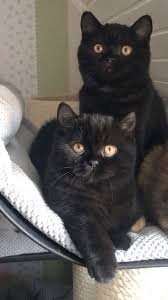
If you’re considering adding a Black British Shorthair kitten to your family, you’re in for a delightful experience. Known for their striking appearance, affectionate nature, and playful demeanor, these cats make wonderful companions. However, bringing a new kitten into your home involves careful planning and consideration. This buyer’s guide aims to equip you with essential information, from understanding the breed’s characteristics to finding reputable breeders and preparing your home for your new furry friend. With the right knowledge and resources, you can ensure a smooth transition and a happy life together.
Understanding the Black British Shorthair Breed
Origin and History
The Black British Shorthair, a chubby little bundle of joy, has roots that trace back to the Roman times when cats were brought to Britain to keep the rodent population in check. Over the centuries, these feline warriors were selectively bred for their robust physique and charming demeanor. They have evolved into the epitome of British cat royalty, with their plush coats and round faces that could melt the coldest of hearts.
Physical Characteristics
You’ll know a Black British Shorthair when you see one—it’s like encountering a furry tank. They boast a stocky build, broad chest, and short, sturdy legs. Their round faces are framed by chubby cheeks, and their eyes are typically copper or gold, giving them an air of dignified mischief. The sleek black coat is dense and plush, perfect for snuggles in front of the fireplace (or just to look fabulous while lounging).
Personality Traits
Prepare for a delightful companion! Black British Shorthairs are known for their easy-going nature and affectionate personalities. They’re not overly demanding but enjoy being around their humans, often following you from room to room— like a soft, furry shadow. Their playful yet calm demeanor makes them great for families and singletons alike, but don’t expect them to be the life of the party; they prefer gentle play and cozy cuddles over wild antics.
Key Considerations Before Buying a Kitten
Time Commitment
Bringing a Black British Shorthair into your home is like adopting a tiny, furry roommate who requires your attention and love. They thrive on companionship and can get a bit lonely if left alone for extended periods. So, if you’re often away or have a jam-packed social calendar, consider how much time you can dedicate to your newfound friend before you make the leap.
Space Requirements
While these kitties don’t need a mansion to thrive, a decent amount of space for them to roam and play is essential. They appreciate cozy corners, sunny windowsills, and even a few cat trees to show off their climbing skills. If you’re living in a shoebox studio, you might want to rethink your plans—or invest in some serious cat furniture!
Allergies and Health Concerns
Before you bring home that adorable ball of fur, it’s wise to check for any allergies among your household members. While no cat is entirely hypoallergenic, some breeds trigger fewer reactions than others. Additionally, Black British Shorthairs are generally healthy, but make sure to discuss potential health issues with your breeder, so you know what to look out for in your future feline friend.
Finding Reputable Breeders
Researching Breeders
Embarking on a quest for a reputable breeder is like finding a hidden treasure. Start by searching for breeders who specialize in Black British Shorthairs and have a good reputation. Look for reviews, ask for recommendations from fellow cat lovers, and explore breed-specific forums. If a breeder claims to be reputable without any online presence, run for the hills—not all treasure maps lead to gold!
Questions to Ask a Breeder
When you meet a breeder, arm yourself with questions that would make Sherlock Holmes proud. Inquire about the kitten’s health history, the parents’ lineage, and whether they follow ethical breeding practices. Don’t shy away from asking about socialization efforts; a well-socialized kitten is key to a happy household. And if they give you vague answers, remember: a good breeder is like a good friend, honest and straightforward!
Visiting the Breeder
If possible, arrange a visit to the breeder’s facility. You want to ensure their environment is clean, loving, and free of any funky smells. Meet the kittens and their parents – observe their behavior, and see how they interact. A reputable breeder will be just as excited to show you their cats as you are to meet them, so don’t hesitate to soak up the experience!
Online Resources and Classifieds
Popular Pet Adoption Websites
In the age of the internet, finding a Black British Shorthair has never been easier—thanks to the plethora of adoption websites out there. Platforms like Petfinder, Adoptapet, and even your local rescue or shelter websites often list cats looking for loving homes. So, grab your favorite beverage and start scrolling, but remember: patience is key in this digital cat-hunting adventure.
Social Media and Forums
Don’t underestimate the power of social media! Join cat-related groups on platforms like Facebook or Reddit, where you can connect with other cat lovers, share tips, and discover potential leads on where to find your perfect Black British Shorthair. Just remember, while scrolling memes is fun, don’t forget to keep your eyes peeled for adoption posts or reputable breeders—your future furry friend is depending on it!
Red Flags to Watch For
When browsing online listings, keep your radar tuned for any red flags. Avoid listings that show sickly or under-socialized kittens, and steer clear of prices that seem too good to be true—if a deal feels fishy, it probably is. A responsible breeder prioritizes the health and well-being of their cats over making a quick buck, so trust your instincts and proceed with caution!
Assessing Kitten Health and Temperament
Health Checklists
When it comes to choosing a Black British Shorthair kitten, health is paramount. Start with a checklist: ensure the kitten has been vaccinated, dewormed, and has a clean bill of health from a vet. Check for clear eyes, clean ears, and healthy fur. A responsible breeder will provide health records and be open about any genetic conditions that may arise. If the kitten looks like it just rolled out of bed and is sneezing like it’s auditioning for a cold commercial, it’s a red flag!
Understanding Kitten Behavior
Kittens are like tiny, furry tornadoes of energy. They can be playful and curious or shy and reserved. Watch how the kitten interacts with its littermates and people. A confident kitten is more likely to adapt well to your home, while a timid one might need extra TLC. Don’t be shocked if you witness some wrestling or an unexpected leap onto your shoulder—this is just their charming version of “hello!”
Importance of Socialization
Socialization is crucial for your kitten’s development. The more experiences they have with different people, sounds, and environments, the better adjusted they’ll be. Kittens that receive proper socialization tend to grow into well-rounded adults who don’t freak out at the sight of a vacuum cleaner. Early exposure helps prevent behavioral issues down the line, so don’t skip this step!
Preparing Your Home for a New Kitten
Essential Supplies
Before your adorable new roommate arrives, make sure you’re equipped with the essentials. Stock up on food and water bowls, high-quality kitten food, a litter box (and litter!), scratching posts, toys, and a cozy bed. Think of it like a welcome mat, but for fluffy royalty. Pro tip: kittens are notorious for treating anything that’s not a toy as a toy, so keeping breakables out of reach is a smart move!
Creating a Safe Environment
Kittens are naturally curious and have a knack for finding trouble. Cat-proof your home by securing cords, removing toxic plants, and ensuring windows and balconies are safe. A cat tree will not only give them a space to climb but also a great viewing point for neighborhood birds. It’s like their own little penthouse without the fancy champagne—just a pile of catnip!
Introducing Your Kitten to Family Members
Introduce your new kitten to family members slowly—especially if you have other pets! A gradual introduction minimizes stress and allows everyone to sniff each other out (literally). Have family members sit on the floor and let the kitten come to them when it’s ready. Remember, patience is key! Just like dating, you don’t want to rush into anything; let the bonds form naturally.
Costs and Ongoing Care for Black British Shorthairs
Initial Purchase Price
The price of a Black British Shorthair kitten can vary, but expect to shell out a pretty penny. Kittens from reputable breeders often range from £1,200 to £3,000. The higher price tag often reflects responsible breeding practices, health checks, and the adorable factor. Always opt for a breeder who prioritizes the kittens’ well-being over profit—after all, it’s not just a kitten; it’s a lifelong commitment!
Routine Veterinary Care
Routine vet visits are non-negotiable. Budget for vaccinations, spaying/neutering, and annual check-ups. This can add up to a few hundred pounds each year, but think of it as an investment in your kitten’s health—and your peace of mind. And remember, a healthy kitten is a happy kitten (and a happy owner!).
Feeding and Grooming Expenses
Quality food is essential for keeping your Black British Shorthair shiny and healthy. Budget around £30-£50 monthly for good kitten food. Grooming is generally low-maintenance with this breed, but occasional brushing is still needed to keep that coat looking fabulous. A brush is a one-time purchase, so factor in around £10-£20 for that and some toys to keep your kitty entertained. After all, a busy kitten is a happy kitten—and a not-so-destructive one!
Common Questions and Answers for Prospective Owners
What to Expect in the First Few Weeks
The first few weeks are an adventure! Expect your kitten to explore, play, and possibly hide under the couch. They might be cautious at first, but before you know it, they’ll be ruling your home with an iron paw. Keep your camera handy for those adorable moments—they grow up faster than you can say “catnip!”
Training Tips for New Owners
Kittens are like little sponges, ready to learn. Start with basic commands like “no” and “come” and reward good behavior with treats. Litter training should come naturally, but be patient if there are accidents. Remember that consistency is key—cats love routine almost as much as they love napping!
Long-term Care and Commitment
Bringing a kitten into your home is a long-term commitment, ideally lasting 15 years or more. Be prepared for a rollercoaster of cuddles, playtime, and the occasional hairball. Regular vet visits, lots of love, and plenty of playtime will make for a happy feline. Remember, you’re not just adopting a kitten; you’re gaining a furry family member who will be a part of your life for years to come!Bringing a Black British Shorthair kitten into your home can be a rewarding and joyful experience. By taking the time to research and prepare, you can ensure that both you and your new feline companion thrive together. Remember to choose a reputable breeder, assess your kitten’s health and temperament, and create a loving environment for your new pet. With patience and care, your Black British Shorthair will become a cherished member of your family for years to come.
Frequently Asked Questions
What is the average cost of a Black British Shorthair kitten?
The average cost of a Black British Shorthair kitten typically ranges from $1,500 to $3,000, depending on the breeder, lineage, and location.
How do I know if a breeder is reputable?
A reputable breeder will provide health guarantees, allow you to visit their facility, show you the kitten’s parents, and ensure that the cats are raised in a healthy and loving environment.
What should I prepare before bringing my kitten home?
Before bringing your kitten home, ensure you have essential supplies such as food, a litter box, scratching posts, toys, and a safe space for them to explore.
Are Black British Shorthairs good with children and other pets?
Yes, Black British Shorthairs are generally known for their friendly and adaptable nature, making them suitable companions for children and other pets when properly socialized.