
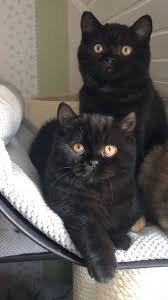
Choosing the right breeder is crucial when it comes to bringing home an adorable kitten. A reputable breeder not only ensures that you get a healthy and well-socialized pet, but they also adhere to ethical practices that prioritize the well-being of their animals. With so many breeders out there, it can be challenging to distinguish between those who are committed to responsible breeding and those who are not. This article will guide you through the essential steps to identify trustworthy breeders, highlighting key traits to look for, questions to ask, and red flags to watch out for, ensuring that your new feline companion comes from a loving and reputable source.
Understanding the Importance of Choosing a Reputable Breeder
Choosing a reputable breeder is like picking a five-star restaurant versus a mystery meat taco truck. It’s all about quality and ensuring you’re set up for success with your new furry friend. A good breeder ensures that your future fluff ball has a healthy start in life, which can save you from heartache—and hefty vet bills—down the line.
The Impact on Kitten Health and Temperament
Let’s face it, who wants a kitten that’s always sneezing, scratching, or, worse, plotting world domination? A reputable breeder prioritizes the health and temperament of their kittens. They carefully breed for genetic health and socialization, meaning you’re more likely to welcome a playful, snuggle-loving fuzzball into your home rather than a sneezy, shy gremlin.
Long-Term Benefits of Selecting a Good Breeder
Investing time and effort in finding a reputable breeder pays off in the long run. Think of it as buying quality insurance for your kitten’s happiness and health. You get a kitten bred with care, a solid health history, and often, the breeder’s ongoing support and advice. Plus, good breeders are like treasure maps—they can point you to the hidden gems of kitten wisdom!
Key Traits to Look for in a Responsible Breeder
Not all breeders are created equal, and “adorable” doesn’t always equate to “reputable.” When searching for your new purring partner, keep an eye out for these essential traits that scream ‘responsible.’
Experience and Knowledge of the Breed
You wouldn’t want a chef who’s never boiled water to cook your dinner, right? The same goes for breeders! A responsible breeder knows their breed inside and out, from quirks to grooming needs. They can answer your queries faster than you can say “kittens are cuter than puppies,” which is a bonus in any kitty quest.
Commitment to Ethical Practices
A true champion of the kitten kingdom follows ethical breeding practices. This includes proper socialization, health screenings, and a transparent breeding process. If a breeder is dodging questions like they’re in a game of dodgeball, it’s time to run in the opposite direction. You want someone who wears their ethics like a badge of honor!
Researching Breeders: Where to Start
Armed with the knowledge of what to look for, it’s time to embark on the adventure of searching for your future feline companion. Think of it as a scavenger hunt but with fewer hidden treasures and more adorable fluff.
Utilizing Online Resources and Reviews
The internet is a rabbit hole of cat-related knowledge—some of it useful, some not so much. Start by scouring breeder directories, reading reviews, and joining forums. Just remember to trust your gut. If a breeder’s website or reviews give you the heebie-jeebies, close the tab and keep looking.
Networking with Local Pet Communities
Remember that old saying, “It takes a village”? Well, it also takes a village to find a reputable kitten breeder! Social media groups, local pet shows, or even your friendly neighborhood pet store can connect you with other kitten enthusiasts and reputable breeders. Word of mouth can lead you to some hidden gems!
Questions to Ask a Potential Breeder
You’ve done your research and found a few potential breeders—now it’s time to break out your inner journalist and ask the tough questions. Think of this as your ticket to becoming the Sherlock Holmes of kitten adoption.
Inquiries About Health Testing and Vaccinations
Don’t be shy! A reputable breeder will openly discuss health testing and vaccination protocols. Ask about the kitten’s health history, parentage, and any genetic testing that’s been done. You want to ensure that your new partner in crime isn’t carrying any hidden health issues that could become a problem down the road.
Understanding the Breeding Practices and Philosophy
Get a sense of the breeder’s philosophy—after all, you want someone who genuinely cares about their kittens, not just a cash cow (or cat). Ask about their breeding practices, socialization efforts, and how they ensure the well-being of their kittens. A good breeder will be more than happy to share their insights, so don’t hesitate to dig a little deeper!
Red Flags to Watch Out For
Lack of Transparency and Open Communication
If the breeder is dodging your questions quicker than your future kitten dodges a bath, it’s time to pump the brakes. A reputable breeder should be open and eager to discuss their practices, the kitten’s lineage, and any potential health issues. If they’re not willing to share this information, consider it a big red flag, waving like your friend trying to warn you about that sketchy taco truck.
High Volume of Kittens and Limited Care
When a breeder has more kittens than a cartoon cat can handle, it raises a serious concern about their ability to provide quality care. A responsible breeder will have a manageable number of kittens, ensuring each one gets individual attention, love, and not just thrown a handful of kibble while they binge-watch cat videos. If you see a kitten factory in action, it’s best to look elsewhere.
The Role of Documentation and Health Testing
Importance of Pedigree and Health Records
A kitten’s pedigree and health records are like their report cards—if they’re not up to snuff, you might end up with a furball full of surprises. A reputable breeder should provide clear documentation outlining the kitten’s lineage and any health testing done. This will help you avoid future vet visits that feel more like a wallet workout than a cute cat cuddle.
Understanding Genetic Testing and Its Benefits
Genetic testing is like a crystal ball for your kitten’s future health. It can reveal predispositions to certain conditions and ensure that your little furball is not just a pretty face but a healthy one too. A reputable breeder will embrace these tests and use them to improve their breeding practices. So, if your breeder is all about the genetics—high five for making informed decisions!
Evaluating the Breeder’s Environment and Practices
Assessing Living Conditions of the Kittens
When you visit a breeder, channel your inner detective. Look around: Are the kittens living in a clean, safe environment, or are they in a chaotic kitten jungle? Kittens thrive in spaces that are well-kept and enriched, not in a breeding ground for chaos. If you find a tidy, loving space where the kittens can play and explore, it’s a good sign that you’re on the right track.
Observing Socialization and Care Provided
Kittens are like little sponges—they soak up everything, including the love and attention they receive. Watch how the breeder interacts with the kittens. Are they treated like family or just products for sale? A reputable breeder will spend time socializing their kittens, helping them grow into well-adjusted, friendly companions. If they’re not engaged, be wary; you don’t want a kitten that’s more shy than a wallflower at a dance party.
Final Steps: Making an Informed Decision
Trusting Your Instincts and Feelings
At the end of the day, your gut feeling is worth its weight in catnip. If something feels off—like that one time you tried a new pet store snack—don’t ignore it. A reputable breeder should instill confidence and excitement, not anxiety. Remember, a kitten is a commitment, so trust your instincts and take your time finding the right match.
Preparing for the Arrival of Your New Kitten
Once you’ve found the perfect breeder and kitten, it’s time to get ready for the little bundle of joy! Stock up on essentials like food, a litter box, toys, and a scratching post—trust us, they’ll thank you later. Creating a cozy space for your new feline friend will make their transition smoother and help lay the foundation for a lifelong friendship filled with purring, playtime, and the occasional nibble on your favorite shoe. In conclusion, finding a reputable breeder is an important step in welcoming a new kitten into your home. By following the guidelines outlined in this article, you can make informed decisions that ensure the health and happiness of your future furry friend. Remember to take your time, ask the right questions, and trust your instincts as you embark on this exciting journey. With the right breeder by your side, you’ll be well on your way to enjoying the joys of kitten companionship for years to come.
FAQ
What is the difference between a reputable breeder and a backyard breeder?
A reputable breeder prioritizes the health and well-being of their animals, follows ethical breeding practices, and provides proper care and socialization for their kittens. In contrast, a backyard breeder often lacks knowledge and may prioritize profit over the welfare of the animals, leading to potential health and behavioral issues in the kittens.
How can I verify a breeder’s credentials?
You can verify a breeder’s credentials by asking for documentation of health testing, pedigree information, and references from previous buyers. Additionally, researching their reputation online and seeking recommendations from veterinarians or local pet communities can provide valuable insights.
Is it important to visit the breeder’s facility before making a decision?
Yes, visiting the breeder’s facility is crucial. It allows you to observe the living conditions of the kittens, assess the cleanliness and care provided, and gauge the breeder’s commitment to responsible practices. A reputable breeder will welcome your visit and be happy to show you around.
What should I do if I suspect a breeder is not reputable?
If you suspect a breeder is not reputable, trust your instincts and walk away. Report them to local animal welfare organizations if necessary, and consider sharing your experience to help others avoid similar situations. Always prioritize the health and well-being of the animals over any immediate desire to adopt.