
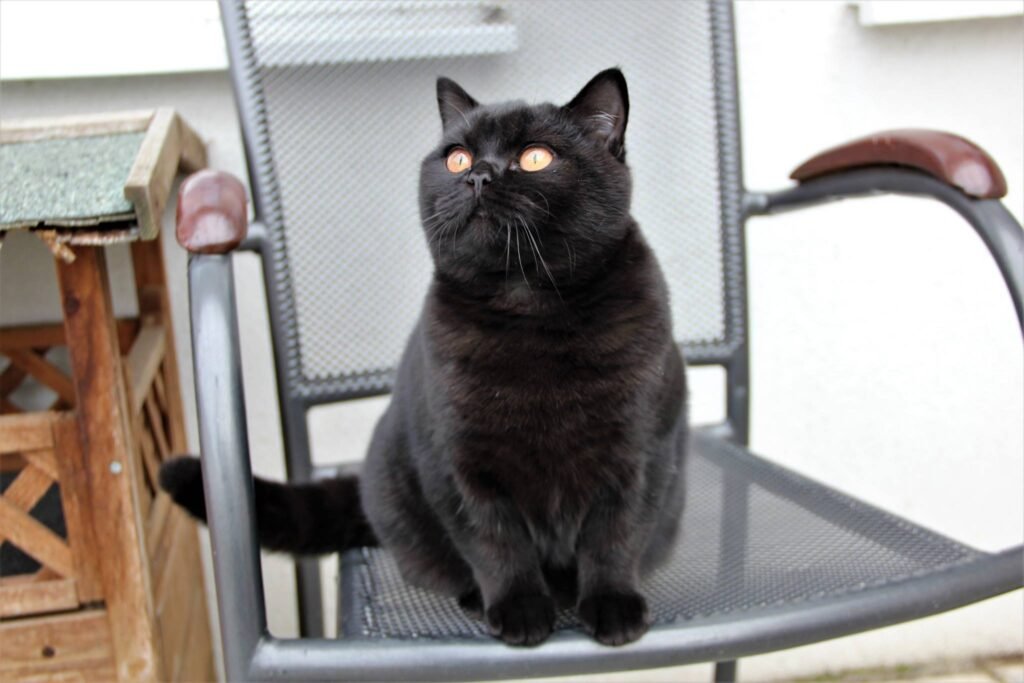
Bringing home a new Black British Shorthair kitten is an exciting and rewarding experience, but it also comes with responsibilities. Known for their striking appearance and affectionate nature, these kittens require special care to ensure they grow into healthy and happy adults. From preparing your home to understanding their unique needs, this guide will provide you with essential tips and insights to help you navigate the first few months with your new furry companion. Whether you are a first-time pet owner or an experienced cat lover, understanding how to properly care for your Black British Shorthair will set the foundation for a long and loving relationship.
Introduction to the Black British Shorthair Breed
The Black British Shorthair is not just a pretty face; it’s a breed steeped in history and charm. With their plush coats and striking features, these cats are often the life of the party—if that party includes lots of naps and some quality lap time.
History and Origin
The Black British Shorthair has roots that go way back to the Roman times when their ancestors were brought to Britain to control the rodent population. Fast forward a couple of centuries, and they became beloved companions known for their robust health and adorable squishy faces. Today, they are celebrated for their loyal, gentle nature and, let’s be real, their Instagram-worthy looks!
Physical Characteristics
These kitties are the bodybuilders of the feline world, characterized by their stocky build, broad heads, and plush coats that can make you want to sink your hands into them. Their striking golden or copper eyes are like little beacons of cuteness, and their short, dense fur not only adds to their appeal but also requires minimal grooming—bonus!
Temperament and Personality Traits
The Black British Shorthair is known for being calm, affectionate, and generally easygoing. They’re the cats you can count on to bring you a sense of peace, and they’re not overly demanding, either. They’re social, but not clingy, making them perfect companions for both families and solo dwellers. Just make sure there’s a sunny spot for them to lounge in!
Preparing Your Home for a New Kitten
Bringing home a new Black British Shorthair means setting the stage for a feline extravaganza—or at least making sure your home is safe and welcoming for your new little buddy. Let’s get into the nitty-gritty.
Kitten-Proofing Your Space
Kittens are curious creatures that can transform into mini demolition experts in seconds flat. Secure loose wires, hide breakables, and stash away any plants that could be dangerous. Think of it as an intense game of hide-and-seek…but with your valuables.
Designating a Safe Area
Set up a cozy little nook where your kitten can feel safe and secure. This is their sanctuary to retreat to when the world feels a bit overwhelming. You can include a bed, some toys, and maybe a plush blanket that smells like you. The more inviting, the better—after all, we want them to think they’ve landed in a five-star kitten hotel!
Choosing the Right Location for the Litter Box
Select a quiet, accessible spot for the litter box that’s away from food and sleeping areas. You want your kitten to feel comfortable doing their business, not like they’re in a high-pressure situation. Plus, nailing this now will make everyone’s life a whole lot easier (and fresher).
Essential Supplies for Your Kitten
Before your kitten arrives, it’s essential to gather the right gear. Think of it as setting up a little kitty kingdom!
Food and Water Bowls
Opt for shallow bowls that won’t tip over during enthusiastic munching. Stainless steel or ceramic bowls are great choices since they’re easy to clean and less likely to harbor bacteria. Remember to put the water bowl away from the food—kittens like to keep things neat and tidy!
Comfortable Sleeping Arrangements
Your new furball will need a cozy bed to curl up in after a long day of play (and by play, we mean napping). Look for a soft, warm bed that provides them with a sense of security, and place it in their designated safe area. If you want to spoil them, consider adding a snuggly blanket!
Toys and Enrichment Activities
Kittens are little bundles of energy, so providing a variety of toys is essential. Think balls, plush mice, and interactive toys that will challenge their brains and keep their claws busy. A good scratching post can spare your furniture, and a few perches will satisfy their climbing instincts. Did someone say kitty Disneyland?
Nutrition and Feeding Guidelines
Keeping your Black British Shorthair healthy means paying close attention to their food. Let’s dive into the world of kitty cuisine!
Choosing the Right Food
Go for high-quality kitten food that’s tailored to their developmental needs. Since these little ones have growing bodies (and insatiable appetites), look for options rich in protein and nutrients. Check with your vet for recommendations tailored to your kitten’s needs—because what’s better than having a pro on your side?
Feeding Schedule and Portion Control
Establishing a consistent feeding schedule will help your kitten (and you!) thrive. Generally, feeding them small portions multiple times a day is ideal. Your vet can guide you on specific portion sizes, but if you find yourself mysteriously surrounded by empty food bowls, that could mean your kitten has become a master of persuasion!
Transitioning to Adult Food
As your kitten grows, they’ll eventually need to transition to adult food. This usually happens around the one-year mark. When making the switch, do it gradually over a week or so, mixing their current food with the new variety. This will help avoid any tummy troubles—because nobody wants to deal with that mess!
Health Care and Regular Veterinary Visits
Initial Veterinary Check-Up
Your new furry friend deserves the royal treatment, starting with a trip to the vet. The initial check-up is crucial—think of it as a health spa day for your kitten. The vet will give them a full examination, check for any health concerns, and ensure they’re on track for a healthy start in life. Don’t forget to ask about any breed-specific issues; knowledge is power, and you want to be prepared for anything!
Vaccination Schedule
Vaccinations are like little superhero capes for your kitten’s immune system. They’ll need a series of vaccines starting at around 9 weeks of age, including core vaccines that protect against nasty diseases like feline distemper and rabies. Work with your vet to create a vaccination schedule that makes sense for your kitten, because nothing says “I love you” like a healthy kitty!
Parasite Prevention
Fleas, ticks, and worms—oh my! These pesky critters are the unwanted guests nobody wants at their kitten party. Start your parasite prevention plan early and discuss with your vet about the best preventative treatments for your furry companion. Regular treatment will keep your kitty healthy and let them explore their world without the constant itch of unwanted roommates.
Socialization and Behavioral Training
Introducing Your Kitten to Family Members
Think of this as speed dating for your kitten and your family. Introduce them to each family member gradually, allowing the kitten to adjust at their own pace. Consider each introduction as an audition—encouraging gentle petting and interaction will help your kitten become comfortable in their new home. Don’t be surprised if they take a little longer to warm up to the family dog; it’s a big world out there!
Basic Commands and Training Techniques
Training your kitten can be a delightful adventure. Start with basic commands like “sit” and “come” using treats as incentives. Positive reinforcement is key—think of it as rewarding your kitten with “gold stars” for every good behavior. Keep sessions short and fun, because who wants to sit through a lecture when they could be exploring the fascinating world of cardboard boxes?
Addressing Common Behavioral Issues
Kittens are like tiny tornadoes of curiosity, and sometimes that leads to chaos. If your little one is scratching furniture or jumping on counters, try redirecting their behavior with a scratching post or interactive toys. Consistency is crucial, so set clear boundaries and be patient. After all, Rome wasn’t built in a day, and neither is your kitten’s impeccable manners.
Grooming and Maintenance Tips
Brushing and Coat Care
Your Black British Shorthair is going to have a stunning coat, but maintaining that shiny look requires a bit of work. Brush your kitten weekly to minimize shedding and keep their coat healthy. Plus, they’ll love the attention—it’s like a spa day, minus the cucumber slices! Don’t forget to check for any mats or tangles while you’re at it.
Nail Trimming Basics
Nail trimming can sound intimidating, but with the right approach, it can be a breeze. Start by getting your kitten used to having their paws handled. Use cat-specific clippers and only trim the sharp tips. If your kitten is less than cooperative, offer treats and lots of praise to remind them that being a model citizen comes with perks!
Ear and Dental Care
Ear care is essential; check your kitten’s ears regularly for dirt or wax build-up and clean gently with a vet-recommended solution. For dental care, introduce tooth brushing slowly—kittens need to learn to love the idea! Start with dental treats and progress to brushing, because nobody likes the idea of cat breath on their face during cuddle time.
Tips for Creating a Safe and Stimulating Environment
Indoor vs. Outdoor Living
Deciding between indoor and outdoor life for your kitten is like choosing between cookies and cake—they both have their merits! Indoor living offers safety, while outdoor adventures can be exciting. If you opt for the outdoors, consider a catio or harness training to keep your kitten safe while they explore. Whatever path you choose, make sure it’s a good one for your tiny explorer.
Interactive Playtime Ideas
Kittens are bundles of energy that require plenty of playtime to keep them happy and healthy. Invest in feather wands, laser pointers, and toys that challenge their hunting instincts. Rotate toys regularly to keep things fresh and exciting—variety is the spice of kitten life! Just remember, a tired kitten is a happy kitten.
Safe Plants and Household Items
Ensure your home is a safe haven by removing any toxic plants—like lilies or philodendrons—that could pose a threat to your curious kitten. Opt for safe alternatives like cat grass or catnip plants. Also, stow away household items that could be dangerous—kittens may think power cords are just another toy. Safety first means fun second!Caring for your Black British Shorthair kitten is a journey filled with joy and companionship. By following the tips outlined in this guide, you can create a nurturing environment that supports their growth and well-being. Remember that every kitten is unique, so be patient and attentive to their individual needs as they adapt to their new home. With love, care, and proper attention, your kitten will thrive and become a cherished member of your family for years to come.
Frequently Asked Questions
What is the typical temperament of a Black British Shorthair kitten?
Black British Shorthair kittens are known for their calm and affectionate nature. They are generally friendly, social, and good with children and other pets, making them ideal family companions.
How often should I take my kitten to the vet?
It is recommended to take your kitten for an initial check-up within the first week of bringing them home, followed by regular veterinary visits for vaccinations and check-ups, typically every 3-4 weeks until they are around 16 weeks old.
What type of food is best for my Black British Shorthair kitten?
A high-quality kitten food that is specifically formulated for their nutritional needs is ideal. Look for options that contain real meat as the primary ingredient and avoid fillers or artificial additives.
How can I help my kitten adjust to their new home?
To help your kitten adjust, create a safe and quiet space for them, gradually introduce them to different areas of your home, and provide plenty of playtime and affection to build their confidence and comfort level.