
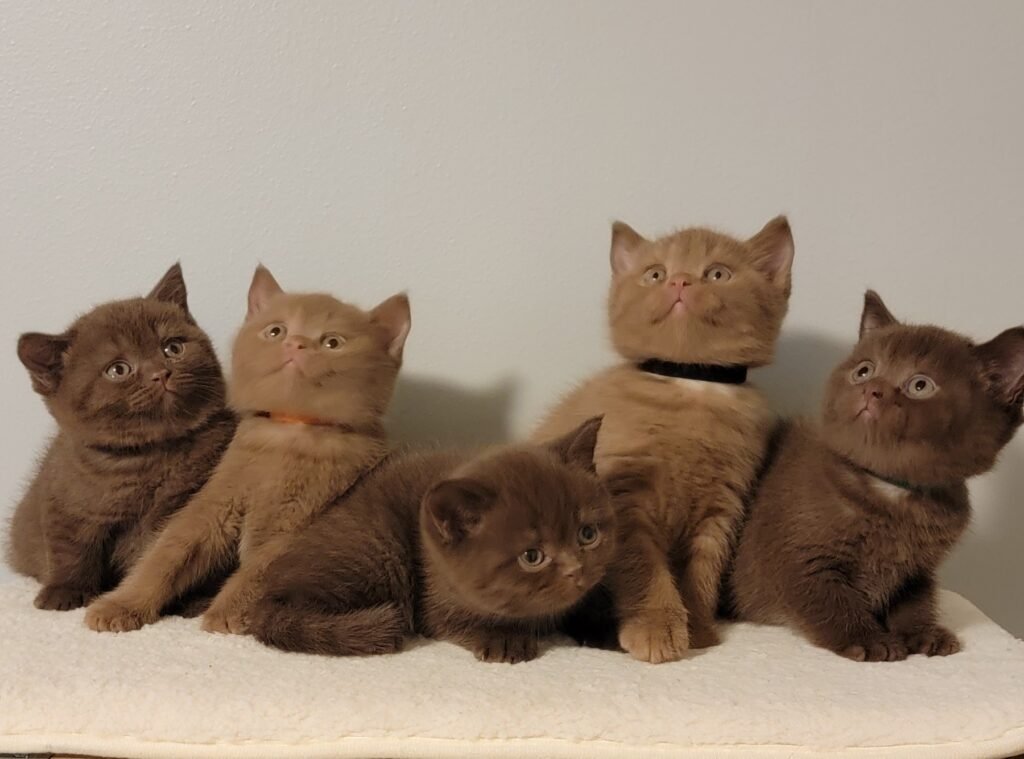
Bringing a new kitten into your home is an exciting journey, especially when it comes to the charming and affectionate Brown British Shorthair. Known for their distinctive round faces, plush coats, and easy-going nature, these cats make wonderful companions for families and individuals alike. However, finding the perfect Brown British Shorthair kitten requires careful consideration and research. This buying guide will walk you through the essential steps to ensure that you select a healthy, well-bred kitten that fits seamlessly into your lifestyle, while also highlighting important factors such as breed characteristics, reputable breeders, and long-term care.
Understanding the British Shorthair Breed
History and Origin
The British Shorthair is like the James Bond of cats—charming, suave, and with a history that’s more layered than an onion. Originating in the UK, this breed can be traced back to the Roman times, where they were valued for their mousing skills (the original catnip dream team). These sturdy felines were eventually bred for their robust physique and friendly disposition, and today they’re known for their easygoing nature and plush, round faces.
Personality Traits
British Shorthairs are the laid-back friends of the cat world. They have a calm demeanor and often possess a dignified air, but don’t let that fool you—these cats have playful sides that could rival a toddler on a sugar high. They’re known for being affectionate but not overly needy, making them great companions for introverts and extroverts alike. You’ll find them napping in your lap one moment and chasing after a laser pointer the next, living life to the fullest!
Physical Characteristics
These cats are essentially the compact muscle cars of the feline highway. With a broad, rounded head, chunky cheeks, and a dense, plush coat, they look like they’ve just stepped out of a pet grooming salon. Adult British Shorthairs typically weigh between 9 to 18 pounds, and their strong, stocky build gives them an imposing presence, even if their personality isn’t quite as intimidating. They boast a sturdy frame, short legs, and a tail that’s thick at the base and tapers off—perfect for balancing all that adorableness.
Characteristics of Brown British Shorthairs
Coat Color and Texture
The brown British Shorthair is a sight to behold, flaunting a rich, chocolatey coat that can make a candy bar jealous. Their fur is short, dense, and plush, giving them that irresistibly hug-worthy vibe. The color ranges from light tan to deep, chocolate brown, often with a lighter shade on the belly and paws—like a delightful dessert waiting to be devoured (but please don’t eat your kitty!).
Eye Color Variations
With their captivating eyes, brown British Shorthairs can have hues that’d make any gemstone green with envy. Most typically sport copper or gold-colored eyes, which perfectly complement their dark fur. Some lucky kitties might even flaunt green eyes, adding an enchanting twist to their already striking appearance. You’ll find yourself getting lost in those peepers—just be careful not to stare too long; it might be considered rude in the cat world!
Size and Build
Brown British Shorthairs are solid, sturdy creatures, with males usually tipping the scales at a heftier weight than females. Expect adult males to weigh between 12 to 18 pounds, while their female counterparts are a bit lighter at around 9 to 15 pounds. Their stocky build gives them a powerful yet graceful appearance, as they strut around with that “I know I’m adorable” confidence that only a British Shorthair can muster.
Finding Reputable Breeders
Researching Breeder Credentials
Before jumping into the world of kitten ownership, you’ll want to do a little sleuthing. Check out online reviews, pet forums, and social media to find breeders who have their act together. Look for breeders with recognized credentials, and make sure they adhere to ethical standards. If they have a pedigree chart that’s longer than your arm, you might just be onto something good!
Visiting Breeding Facilities
Nothing beats seeing the kittens in person (and the facilities) to ensure they’re raised in a loving environment. Schedule a visit to the breeder’s home or facility—this is where you’ll want to check for cleanliness and the overall health of the kittens. Plus, seeing how the adult cats interact with humans can give you insight into the personalities of their future little ones. After all, you wouldn’t want to buy a car without test driving it first—kitties deserve the same courtesy!
Questions to Ask Potential Breeders
When meeting with breeders, channel your inner detective and come armed with questions. Here are a few to get you started: “Can I see health clearances for the parents?” “How do you socialize your kittens?” and “What’s the best way to raise a brown British Shorthair?” A reputable breeder will be more than willing to share information and answer your queries, so don’t be shy—show off that curious side!
Health Considerations for Kittens
Common Health Issues in British Shorthairs
Much like any celebrity, British Shorthairs have their fair share of health quirks to watch out for. Common issues include hypertrophic cardiomyopathy (HCM), a heart condition that’s a little too dramatic for comfort, and obesity, which can creep up on these cuddly cuties if you’re not careful with treats. Regular vet check-ups and weight management will keep your fluffy companion in tip-top shape.
Vaccinations and Preventative Care
Getting your new kitten vaccinated is as crucial as ensuring your phone is charged before a night out. Vaccinations protect against various illnesses, and it’s also essential to schedule regular check-ups with your vet. Don’t forget about preventative care, like flea and tick treatments—after all, the only thing your kitty should be itching for should be a cozy lap to curl up on!
Genetic Testing for Breeding Cats
Genetic testing might sound like something out of a sci-fi movie, but it’s essential for responsible breeders. This helps identify potential hereditary health concerns and ensures that your future feline friend isn’t carrying any hidden surprises. By doing this, breeders can help you pick the healthiest kitten possible, allowing you to enjoy your new companion without worrying about unexpected medical drama.
Preparing Your Home for a New Kitten
Creating a Safe Environment
Kittens are like tiny tornadoes of curiosity, so it’s essential to kitten-proof your home before their arrival. Start by removing any dangling cords, choking hazards, and those beloved houseplants that could double as kitty salads. Consider getting some child-proof latches for cabinets and putting away anything you don’t want to be nibbled on (including that cherished collection of porcelain cats).
Designating a Kitten Space
Designate a cozy area where your new furry friend can feel safe and settle in. Think of it as their opulent cat chamber. A small room with a comfy bed, litter box, and a few toys will do nicely. This space helps them adjust to their new kingdom without feeling overwhelmed by the vastness of your home. Plus, it’ll be your prime observation point for their burgeoning personality!
Introducing Other Pets
When introducing your new kitten to other pets, patience is your ally. Start with a scent exchange—let your existing pets sniff a blanket or toy that belongs to the newcomer. After a few days, arrange supervised meetings where they can poke at each other without the risk of turning into a feline wrestling match. Keep these interactions short and sweet, and always reward good behavior with treats and praise. Eventually, they’ll be the best of friends—or at least cohabitating without too much drama!
Essential Supplies for Your Brown British Shorthair
Food and Water Bowls
Invest in sturdy, non-tip food and water bowls that can withstand your kitten’s enthusiastic eating style. Opt for ceramic or stainless steel, as they’re easy to clean and prevent whisker fatigue. Keep fresh water available at all times; a cat fountain can add a touch of modern flair while encouraging hydration—because let’s face it, cats are less likely to drink from a stagnant bowl than from a mini waterfall.
Grooming Tools
While British Shorthairs have low-maintenance coats, grooming can still be a bonding experience—and a great way to collect cat hairs for your next art project. Invest in a good quality slicker brush and a rubber curry comb to keep their coat looking sleek and shiny. Don’t forget nail clippers, as sharp claws can turn your sofa into a scratching post. Remember, every grooming session is an opportunity for treats, so keep those on hand!
Toys and Enrichment Activities
Keep your kitten entertained (and out of trouble) with an assortment of toys. Think feather wands, laser pointers, and crinkly balls to satisfy their inner wildcat. Cat trees and scratching posts are great additions too—because scratching your furniture is just not proper behavior in their noble lineage! Rotate toys every few weeks to keep the excitement alive, and consider interactive puzzle toys to stimulate their clever little minds.
Training and Socialization Tips
Basic Commands and Litter Training
Start with the basics—teaching your kitten commands like “come,” “sit,” and “no” can set the stage for a well-mannered feline. Use positive reinforcement with treats and praise to create a robust training experience. As for litter training, most kittens will take to it like fish to water, but be prepared for the occasional misstep. Place them in the litter box after meals and naps, and celebrate their successes like they just won an Olympic medal!
Socialization Techniques
Expose your kitten to various people and experiences to foster confidence and reduce anxiety. Invite friends over to handle them gently, or take short car rides to get them used to new environments. Just remember—patience is key! If they seem hesitant, let them explore at their own pace. Soon enough, they’ll be the social butterfly of the cat community, charming all with their adorable antics.
Handling Behavioral Issues
Every kitten has their quirks, and sometimes those quirks veer into troublesome territory. If your little one is scratching furniture or exhibiting unwanted behavior, redirect them—offer a toy instead! Consistency is critical, so stick to your training routines. If issues persist, consult your vet or a cat behaviorist for additional strategies. Remember, your kitten isn’t being naughty; they’re just learning how to be their fabulous selves!
Long-term Care and Maintenance
Regular Veterinary Check-ups
Scheduling regular veterinary visits is crucial for keeping your British Shorthair in tip-top shape. Routine check-ups can help spot any potential health issues before they become major problems. Plus, they’ll keep your vaccination schedule current and provide you with the peace of mind that your kitty is growing up healthy and strong. Don’t skimp on the treats during visits—a little bribery goes a long way!
Grooming and Coat Care
While British Shorthairs are low-shedding, regular brushing is still necessary to minimize loose hairs and prevent hairballs. Aim for once a week to keep that plush coat looking its best. Pay attention to their nails, ears, and teeth as well. Establishing a grooming routine early will make them more accustomed to it and likely to enjoy the pampering. Plus, who doesn’t love a good spa day with a human doing all the work?
Nutritional Needs Through Different Life Stages
Just like us, kittens have changing nutritional needs as they grow. Start with high-quality kitten food to fuel their rapid growth, and transition to adult food around the one-year mark. Consult with your vet about portion sizes and any dietary adjustments needed for weight management or health concerns. Remember, a well-fed kitty is a happy kitty—especially if you throw in the occasional treat (just not too many, or you might need to invest in a cat treadmill)!In conclusion, finding the perfect Brown British Shorthair kitten is a rewarding experience that requires thoughtful preparation and responsible decision-making. By understanding the breed’s unique traits, selecting a reputable breeder, and ensuring a welcoming home environment, you can set the stage for a loving and lasting companionship.
Frequently Asked Questions
1. What is the average cost of a Brown British Shorthair kitten?
The price of a Brown British Shorthair kitten can vary significantly based on factors like the breeder’s reputation, the kitten’s lineage, and location. On average, you can expect to pay between $1,500 and $3,000.
2. How can I ensure my kitten is healthy before purchase?
To ensure your kitten’s health, choose a reputable breeder who provides health guarantees, vaccination records, and has conducted genetic testing. It’s also advisable to arrange a veterinary check-up shortly after bringing your kitten home.
3. Are Brown British Shorthairs suitable for families with children?
Yes, Brown British Shorthairs are known for their gentle and tolerant nature, making them great companions for families with children. However, early socialization and supervision during playtime are important to ensure a harmonious relationship.
4. How much grooming do Brown British Shorthairs require?
Brown British Shorthairs have a dense coat that benefits from regular grooming. Brushing them once a week is usually sufficient to minimize shedding and keep their coat healthy. Additionally, occasional baths may be needed to maintain cleanliness.