
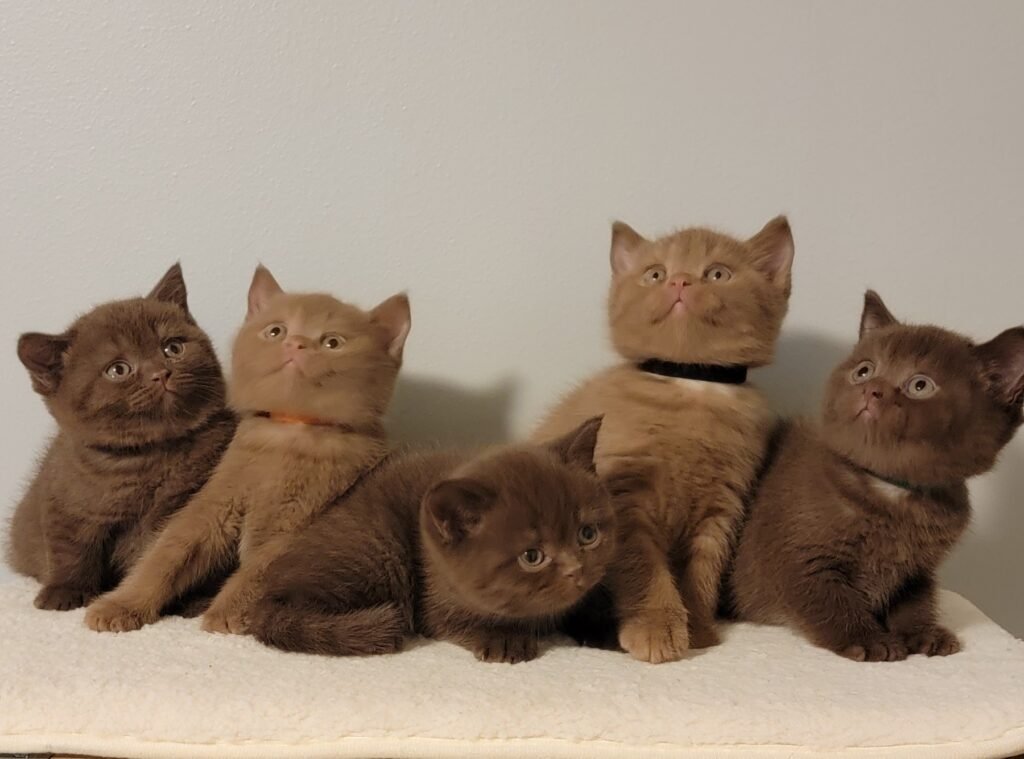
The British Shorthair is one of the most beloved cat breeds, known for its robust build, plush coat, and charming demeanor. Among the various color variations of this breed, the brown British Shorthair stands out for its striking appearance and unique personality traits. This article delves into what makes the brown variety so special, exploring its distinctive characteristics, historical significance, and the special care these kittens require. Whether you’re a seasoned cat lover or considering bringing a brown British Shorthair into your home, understanding the nuances of this captivating breed will enhance your appreciation and ensure a happy companionship.
Overview of British Shorthair Kittens
Origin and Breeding History
The British Shorthair is a true British icon, with roots tracing back to the Roman conquest of Britain. Brought over by Roman soldiers to control the local rodent population, these cats quickly adapted to life in the UK. Over the years, selective breeding honed their stocky physique and distinctive round faces, leading to the charming companions we adore today. They became quite popular, especially after the turn of the 20th century, and were even featured in literature—like that famous Cheshire Cat. In a nutshell, these kittens have an impressive pedigree that’s practically royal!
Physical Appearance and Traits
British Shorthair kittens are chubby little nuggets of joy, with stocky bodies, short legs, and plush, dense coats. Their heads are round, with prominent cheeks and big, expressive eyes that can be copper or blue, depending on their color. They just scream “cuddle me!” From their sturdy build to their short, thick tails, every aspect of the British Shorthair is designed for adorableness. Plus, have you seen their coat? It’s like petting a fluffy cloud that just happens to have a sweet purring engine attached.
The Unique Characteristics of the Brown Variety
Coloration and Coat Texture
When we talk about Brown British Shorthairs, we’re diving straight into a world of rich, chocolatey goodness. Their coats are a deep, warm brown that feels soft and luxurious—think a hot cup of cocoa on a winters day. The density of their fur gives them that signature cuddly look and feel. The color can vary slightly from light to dark, but all shades embody the essence of comfort. The plush texture adds an irresistible layer to the overall charm, making them a favorite for anyone looking to indulge in feline snuggles.
Comparison with Other Color Variants
While the Brown British Shorthair stands out like a delicious dessert at a dinner party, it’s worth noting that they have some colorful competition! Variants like the blues (grey, not sad!) and lilacs often steal the spotlight, but the rich brown variety has a unique elegance that’s tough to beat. Browns have a classic charm that harkens back to the breed’s historical roots, while colors like cream or golden have a more modern, trendy vibe. Each color has its fans, but the depth and warmth of the brown coat simply have a special place in the hearts of cat enthusiasts.
Historical Significance of Brown British Shorthairs
Role in British Culture and Folklore
Brown British Shorthairs have been entwined with British culture for centuries, often symbolizing comfort and companionship. Their stout, dependable presence has made them a staple in English households—think of them as the affectionate guardians of the hearth. In folklore, these cats have been depicted as wise companions, often seen lounging in the homes of literary figures. They’ve also inspired artists and storytellers, becoming an important feature in many British tales. If there’s a quintessential British cat, it’s certainly the Brown British Shorthair, lounging with a cuppa tea (that’s tea, not coffee!).
Recognition by Cat Associations
Cat associations worldwide recognize the British Shorthair, with its brown variety receiving particular accolades for its beauty and temperament. The Governing Council of the Cat Fancy (GCCF) and the International Cat Association (TICA) both acknowledge the breed, celebrating its distinct traits. In various cat shows, the Brown British Shorthair often struts its stuff, delighting judges and audiences alike with its plush coat and charming demeanor. Plus, let’s face it—there’s just something about seeing a brown fluff ball on the winner’s podium that feels oh-so-right!
Personality Traits and Temperament
Social Behavior with Humans
Brown British Shorthairs are known for their laid-back, affectionate nature. They’re the type of cats that will curl up on your lap, purring away while you binge-watch your latest series. Friendly but not overtly needy, they strike a perfect balance between being the life of the party and the cozy couch potato. Their easygoing temperament makes them excellent companions, and they’re often quite loyal to their humans. Just be prepared—once they’ve nestled into your heart (and lap), there’s no escaping their charm!
Interaction with Other Pets
When it comes to other pets, Brown British Shorthairs are generally quite adaptable. Their confident and calm demeanor allows them to coexist peacefully with other cats and even dogs, as long as proper introductions are made. They possess an innate ability to read social situations, often choosing to engage or retreat as the mood demands. Whether they’re playing a game of chase or simply sharing a sunny spot by the window, these kittens are skilled at making friends, proving that sharing is indeed caring.
Care and Maintenance for Brown British Shorthair Kittens
Feeding and Nutrition Guidelines
Feeding your brown British Shorthair kitten is like fueling a tiny, fluffy race car—quality matters! Opt for high-protein, age-appropriate kitten food packed with essential nutrients. A mix of wet and dry food will keep those little taste buds excited. Remember, kittens are like teenagers; they have growth spurts and will eat everything in sight, so monitor their portions to avoid an unintentional round belly. Always have fresh water available, and don’t forget to check with your vet for specific dietary recommendations!
Grooming Needs and Practices
Brown British Shorthairs have that plush, irresistibly soft coat that begs to be pet. Luckily, their grooming needs are relatively low-maintenance. A good brushing once a week will help keep their coat looking fabulous and will also help reduce shedding. It’s a win-win! Be sure to check their ears and trim their nails regularly—plus, those adorable little paws deserve some TLC. Start grooming them young so they get used to the routine; it’s bonding time disguised as a spa day!
Health Considerations Specific to the Brown Variety
Common Health Issues
Like all purebred cats, brown British Shorthairs can be prone to certain health issues. These fluffy companions can sometimes face challenges such as hypertrophic cardiomyopathy (HCM), a heart condition, or hip dysplasia. Regular vet check-ups and keeping an eye on their weight can help catch these issues early. Remember, a healthy kitty is a happy kitty, so enjoy those purrs while also being proactive about their health!
Preventive Care and Regular Checkups
Prevention is better than cure, and that’s especially true for our frisky friends. Schedule regular vet visits—that’s at least once a year, but more often for kittens. Routine vaccinations, parasite control, and dental care will keep your brown British Shorthair feeling sprightly. Pro tip: make the vet’s office feel less like a horror movie set by bringing along treats or toys. Your kitten will appreciate it, and so will your vet!
Choosing the Right Breeder for Brown British Shorthairs
What to Look for in a Breeder
When searching for the perfect brown British Shorthair, finding the right breeder is essential—think of it as adopting a new best friend! Look for breeders who are transparent about their breeding practices, provide health screenings, and encourage you to meet the kittens’ parents. A reputable breeder will prioritize the health and temperament of their cats over profit. Transparency is key; if they seem suspicious, run like your kitten just spotted a cucumber!
Questions to Ask Before Adoption
Before you bring home your new furry bundle of joy, whip out that notepad and ask the right questions. Inquire about health testing for genetic conditions, diet and care recommendations, and their socialization practices. Asking about the kitten’s personality will give you a glimpse of your future sidekick’s quirks. Lastly, don’t forget to ask about a health guarantee—it’s an extra layer of peace of mind as you embark on this adorable journey together.
Tips for Raising a Happy and Healthy Brown British Shorthair Kitten
Creating a Safe Environment
Safety first! Start your journey with your brown British Shorthair kitten by kitten-proofing your space. Hide electrical cords, secure windows, and stash away any toxic plants. Invest in a cozy bed, scratching posts, and plenty of toys for mental stimulation—because let’s be honest, your kitten’s playtime is paramount! Create a designated space where they can feel secure and have their own ‘cat cave’ to retreat to when they need a little solitude.
Socialization and Training Techniques
Socialization is crucial for your kitten’s development. Introduce them slowly to different people, pets, and environments—like a tiny diplomat on a very important mission. Gentle handling and playtime are essential for building trust. As for training, start with basic commands and litter box training; use positive reinforcement with treats and praises. A little patience goes a long way—remember, your brown British Shorthair is learning just like you!In conclusion, the brown British Shorthair kitten is not only a visually stunning pet but also a delightful companion with a unique personality and charm. By understanding their specific needs and characteristics, you can provide the best care for these wonderful felines. Whether you’re drawn to their rich coat color or their affectionate nature, welcoming a brown British Shorthair into your home can bring joy and companionship for years to come.
Frequently Asked Questions
1. What makes the brown British Shorthair different from other color variants?
The brown British Shorthair is distinguished by its rich, warm coat color, which can range from a dark chocolate to a lighter shade of brown. This unique coloration, along with specific traits in temperament and behavior, sets it apart from other color variants of the breed.
2. Are brown British Shorthairs prone to any specific health issues?
Like all British Shorthairs, the brown variety can be susceptible to certain genetic health issues such as hypertrophic cardiomyopathy (HCM) and obesity. Regular veterinary checkups and a proper diet are essential for maintaining their health.
3. How much exercise do brown British Shorthair kittens need?
Brown British Shorthair kittens are generally playful and active, requiring regular playtime and interaction to stay healthy and stimulated. Daily play sessions and opportunities for exploration are important for their physical and mental well-being.
4. What should I consider when choosing a breeder for a brown British Shorthair?
When selecting a breeder, look for someone who prioritizes the health and temperament of their cats. Ask about health screenings, socialization practices, and the environment in which the kittens are raised to ensure you are getting a well-cared-for pet.