
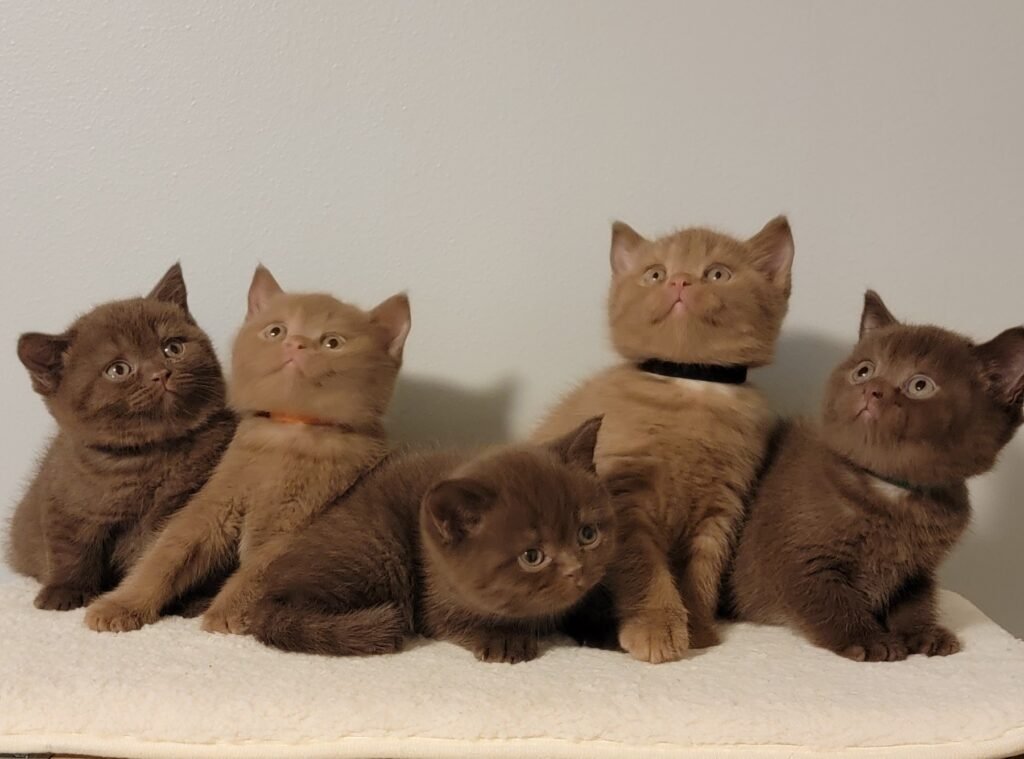
Bringing a Brown British Shorthair kitten into your home can be an incredibly rewarding experience, but it’s essential to be well-informed before making this commitment. Known for their striking looks and charming personalities, these cats require specific care and attention to thrive. From understanding their unique characteristics and health considerations to preparing your living space and financial budgeting, there are several key factors to consider. In this article, we will outline ten important things to know before purchasing a Brown British Shorthair kitten, ensuring that you are fully equipped to provide a loving and nurturing environment for your new furry friend.
Understanding the Brown British Shorthair Breed
Physical Characteristics
Brown British Shorthairs are the debonair cats of the feline world. With their plush, dense coats in a rich chocolate color and those iconic round faces, they look like living teddy bears ready for a cuddle. Their large, expressive eyes can range from copper to gold, making them look like they’re always judging your life choices. They boast a sturdy build, with broad chests and thick legs, giving them an air of regality that would make even a king envious. Plus, that chunky body means they love to lounge—an activity they excel at!
Temperament and Personality Traits
These cats are quite the characters! Brown British Shorthairs are known for their easygoing nature and affectionate demeanor. They’re not just lap cats; they’re the kind of companions who will sit next to you on the couch, silently judging your snack choices. They’re moderately playful, so don’t worry—your shoelaces aren’t safe from their playful pounces. Overall, they balance independence with a desire for companionship, making them perfect for both busy families and anyone who enjoys a little cuddly company.
Health Considerations and Genetic Traits
Common Health Issues
Like many breeds, the Brown British Shorthair isn’t immune to a few health hiccups. Common issues include obesity (those adorable fluffballs can be a bit too enthusiastic about snacks), dental problems, and heart disease. Regular vet check-ups and a healthy diet can ensure your furry friend stays in tip-top shape. Remember, a happy cat is a healthy cat—unless that happiness consists of a cookie jar raid!
Understanding Breed-Specific Diseases
In addition to general health issues, Brown British Shorthairs can be predisposed to a couple of breed-specific conditions, including Hypertrophic Cardiomyopathy (HCM), a heart condition that affects a cat’s ability to pump blood efficiently. Regular screening and responsible breeding practices are crucial for catching these issues early, so keep your vet close and your cat closer—especially if they seem to be indulging in too much catnip!
Choosing a Reputable Breeder
What to Look for in a Breeder
Finding the right breeder is like dating—don’t settle for the first one you meet! Look for breeders who are involved in cat shows and adhere to breed standards. They should be able to provide health clearances and be passionate about the breed. A good breeder will also encourage you to meet the kitten’s parents, which is a great opportunity to see if you’re getting the family charm or just a weird uncle vibe!
Questions to Ask Before Purchase
When you finally meet the breeder, have your list of questions ready! Ask about the health history of the kittens and their parents, their socialization practices, and if they perform any genetic testing. It’s also worth inquiring about their return policy—just in case things don’t go as planned. Remember, asking questions is not just allowed; it’s essential. Think of it as a job interview for your future furry roommate!
Preparing Your Home for a New Kitten
Essential Supplies and Equipment
Before you welcome your new fluffy friend, stock up on essentials! You’ll need the basics: food and water bowls, a cozy bed, litter box, and scratching posts (because your furniture deserves a break). Don’t forget toys—both interactive and solo—to keep those playful instincts alive. And maybe invest in a good vacuum cleaner, because there will be fur, and lots of it.
Creating a Safe Environment
Kittens are curious little explorers, and your home should be their playground. Childproofing isn’t just for toddlers! Secure loose wires, hide breakables, and keep toxic plants out of reach (because we all know curiosity can lead to trouble). Establish a quiet, safe space for your new bundle of joy to retreat to when the world gets overwhelming. Giving them a welcoming environment helps them settle in—and gives you some peace of mind as they adjust to their new kingdom!
Socialization and Training Tips
Importance of Early Socialization
Getting your Brown British Shorthair kitten acquainted with different people, pets, and environments is essential. The earlier you start, the more well-adjusted your kitty will be. Think of it like sending your new furry friend to a tiny cat university—socialization is their curriculum! Introduce them to various sounds and sights, but go easy on the overwhelming experiences; remember, they’re just small fluffballs finding their way in the world!
Basic Training Techniques
Training a Brown British Shorthair can be as easy as pie—if pie were a cat treat. Start with basic commands like “sit” or “come,” and reward them with treats or praise. Consistency is key; make sure everyone in the household is on the same page. And yes, they might look at you like you’re from another planet when you ask them to “roll over,” but patience and a sprinkle of humor go a long way in cat training!
Nutrition and Dietary Needs
Choosing the Right Food
Feeding your kitten the right mix of high-quality cat food is crucial for their growth and health. Look for food labeled “kitten” to ensure it has all the nutrients they need for their adorable little bodies. Whether you opt for dry kibble, wet food, or a blend of both, make sure it’s rich in protein—because let’s be honest, this is a cat after all. Talk to your vet for food recommendations that suit your kitty’s unique needs!
Feeding Schedule and Portions
Kittens thrive on consistency, so establish a feeding schedule early on. Aim for 3-4 meals a day when they’re young, transitioning to 2 meals as they mature. Check the food packaging for portion guidelines, but keep an eye on their weight—and those adorable chubby cheeks! You want your kitten to be healthy, not just the fluffiest ball of fur around.
Grooming and Care Requirements
Brushing and Bathing Guidelines
Brown British Shorthairs have plush coats that look luxurious but also require some TLC. Brush them a couple of times a week to keep their fur shiny and reduce shedding. Bathing? Well, that’s usually a once-in-a-while affair unless your kitten has found a way to get into a mud puddle—cats, right? Use a gentle cat shampoo, and your stylish kitty will be ready to strut their stuff in no time.
Regular Health Checks
Regular vet visits are a must to ensure your Brown British Shorthair is in tip-top shape. Schedule check-ups, vaccinations, and dental cleanings as needed. Keep an eye out for any unusual behavior (like sudden hide-and-seek skills), which could signal health issues. Think of it as a health spa day for your kitten—every little check-up helps keep them feeling fabulous!
Cost and Financial Commitment
Initial Purchase Costs
When welcoming a Brown British Shorthair into your home, prepare to shell out some cash upfront. Prices can vary based on pedigree, breeder reputation, and location, so do your homework! Don’t forget to factor in things like vaccinations, spaying/neutering, and initial supplies like litter boxes and toys. Your wallet might feel a bit lighter, but the joy your new kitten brings will be worth it!
Ongoing Expenses for Care and Maintenance
Once you’ve got your kitten, the financial fun doesn’t stop. Be ready for ongoing costs that include food, litter, grooming supplies, and routine vet visits. Plan for the unexpected—because kittens have a knack for getting into trouble! Budgeting for your fuzzy friend ensures that you can provide the best care, while still having a few bucks left for those emergency catnip purchases. In conclusion, welcoming a Brown British Shorthair kitten into your life can bring immense joy and companionship. By understanding their unique needs and characteristics, as well as preparing your home and budget accordingly, you can ensure a smooth transition for both you and your new pet. With the right knowledge and commitment, your journey together will be filled with love, laughter, and unforgettable moments.
Frequently Asked Questions
1. How much do Brown British Shorthair kittens typically cost?
The cost of a Brown British Shorthair kitten can vary widely depending on the breeder, location, and lineage, but you can expect to pay anywhere from $1,000 to $2,500.
2. Are Brown British Shorthairs suitable for families with children?
Yes, Brown British Shorthairs are known for their calm and tolerant nature, making them a great choice for families with children. They typically adapt well to various living situations.
3. Do Brown British Shorthairs require a lot of grooming?
While they have a dense coat that benefits from regular brushing, Brown British Shorthairs are relatively low-maintenance. Weekly grooming is usually sufficient to keep their fur in good condition.
4. What is the average lifespan of a Brown British Shorthair?
With proper care, Brown British Shorthairs can live between 12 to 20 years, making them a long-term companion for their owners.