
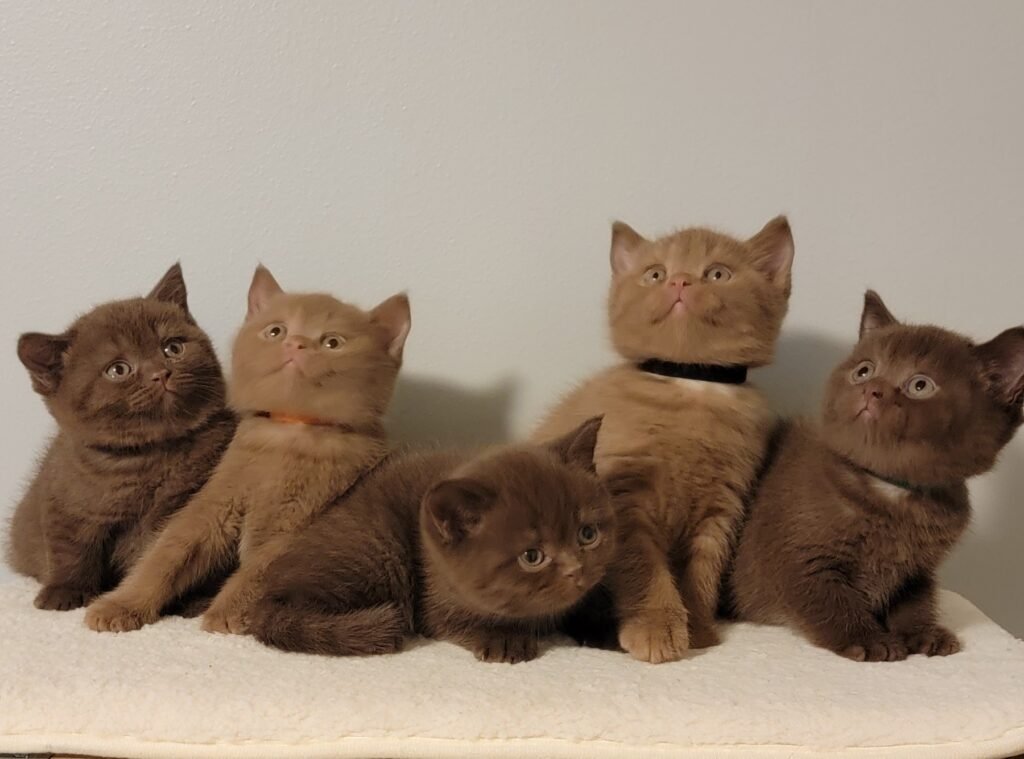
Finding a healthy brown British Shorthair kitten for sale can be an exciting yet challenging task for prospective cat owners. Known for their striking appearance, friendly demeanor, and playful nature, these kittens are a popular choice among feline enthusiasts. However, not all kittens are created equal, and ensuring that you choose a healthy one is crucial for both your peace of mind and the well-being of your future pet. This guide will provide you with essential tips and insights on how to identify a healthy brown British Shorthair kitten, covering everything from physical signs and behavioral indicators to questions you should ask potential breeders. With the right knowledge, you can make an informed decision and find the perfect companion to bring home.
Understanding the British Shorthair Breed Characteristics
History and Origin of the Breed
The British Shorthair breed has a long and illustrious history that could rival even the most riveting of historical dramas. Originating in the UK, these charming cats can trace their lineage back to ancient Rome, where they served as fluffy, little rodent control experts. Over the centuries, they’ve been pampered and adored, evolving into the stocky, gentle giants we know today. Their sturdy build and round faces have won the hearts of many cat lovers, making them one of the most popular breed choices in the UK.
Distinctive Features of the Brown British Shorthair
Brown British Shorthairs are like pint-sized tigers in a cuddly coat. Their distinctive features include a broad head, full cheeks, and big, expressive eyes that seem to hold a thousand secrets. Their short, dense coats are plush to the touch and come in a rich, warm brown color, often with a slight sheen that makes them look like little chocolate truffles. Plus, those sturdy legs and round, tufted paws add to their overall charm, making them look like they just hopped out of a cat-shaped fairy tale.
Physical Signs of a Healthy Brown British Shorthair Kitten
Coat Quality and Color
When it comes to coat quality, think of it as the kitten’s version of a glowing complexion. A healthy Brown British Shorthair will have a plush, thick coat that’s free of bald patches or mats. The rich, chocolatey color should be evenly distributed, with no signs of fading or discoloration. If you find a kitten whose coat looks more like a patchy sweater than a soft blanket, it might be time to keep looking. A healthy coat is a shiny coat!
Eye Color and Clarity
Eyes are the windows to the soul—or at least to the health of your kitten! A Brown British Shorthair should sport large, round, and striking eyes that are typically copper to gold in color. They should be clear and bright, with no discharge or redness. If the eyes have that “I’ve been up all night binge-watching cat videos” look, it might be a sign that something’s off. Healthy eyes equal a happy kitten, after all.
Body Condition and Weight
When judging a kitten’s fitness, use the paw test instead of the scale! A healthy Brown British Shorthair should have a solid, muscular build without being overweight, kind of like a tiny linebacker. You should be able to feel their ribs, but not see them. If the little furball feels like a squishy marshmallow or a bag of bones, it’s a red flag. Look for a kitten with sturdy legs and an overall plumpness that screams “I’m well-fed and living my best life!”
Behavioral Indicators of a Well-Adjusted Kitten
Curiosity and Playfulness
Kittens are notorious for their inquisitive nature—think of them as furry little explorers! A healthy Brown British Shorthair will display curious behavior, investigating every nook and cranny of their environment with the enthusiasm of a toddler in a candy store. If the kitten is bouncing around like a furry ball of energy, it’s a good indication that they’re mentally stimulated and ready to take on the world (or at least your living room).
Social Interaction with Humans and Other Animals
An adaptable Brown British Shorthair will show signs of being well-socialized. They should be friendly and comfortable when interacting with you, even if they’re still a little shy. Look for those sweet, inquisitive head tilts or playful pounces on your shoelaces. And if they get along with other pets, it’s a major bonus! A socially adjusted kitten is more likely to integrate smoothly into your household, turning your home into a bustling cat café in no time.
Response to New Environments
When introduced to new surroundings, a well-adjusted Brown British Shorthair should exhibit a healthy mix of curiosity and caution. Rather than bolting for the nearest hiding spot, they’ll likely explore their new domain with caution, pausing occasionally to investigate intriguing sounds or scents. If they’re not completely freaked out and are willing to interact, you might have found yourself a winner!
Health Checks to Conduct Before Purchase
Vaccination and Health Records
Before you take the plunge, make sure to ask for the kitten’s vaccination and health records. A reputable breeder will have this documentation handy, showing that the kitten is up-to-date on all necessary vaccinations. It’s akin to their health insurance policy—because who wants to deal with vet visits and unexpected bills as soon as they bring their new buddy home?
Signs of Common Health Issues
Keep an eye out for the telltale signs of common health issues. Sneezing, coughing, runny noses, or overly watery eyes can often signal respiratory problems. Additionally, check for signs of parasites, such as scratching or a rough coat. If your adorable potential companion looks more like a little gremlin than a kitten, you might want to reconsider that purchase. Remember, healthy kittens equal happy homes!
Veterinary Check-up Confirmation
Finally, consider getting a thumbs-up from a vet. A reputable breeder should have had the kitten checked by a veterinarian to confirm good health. Don’t be shy about asking for confirmation of this vet check-up. A clean bill of health is your ticket to feline happiness, and no one wants to deal with unexpected surprises—especially the kind that come with a hefty vet bill!
Questions to Ask the Breeder
Breeder Experience and Knowledge
When talking to a breeder, you’ll want to gauge their experience like a detective on a mission—ask how long they’ve been breeding British Shorthairs and what drew them to this majestic breed. A knowledgeable breeder should be able to answer your questions with confidence and passion while also sharing stories about the quirks and personalities of their kittens. If they seem more interested in your wallet than in the well-being of their felines, it’s a solid sign to take a step back.
Kitten’s Family Health History
Always inquire about the kitten’s family health history. A reputable breeder should have a record of the kitten’s parents, including any health tests conducted. Look for common genetic issues in British Shorthairs, like hypertrophic cardiomyopathy (HCM). If they can provide clear documentation of health screenings and test results, you’re on the right track. If they look confused or dodge the question, consider that a big red flag flapping in the wind.
Socialization Practices Used by the Breeder
Socialization is crucial for a happy, well-adjusted kitten. Ask the breeder about their practices—do they expose the kittens to different sounds, people, and environments? A good breeder will have a plan to help kittens interact with humans and other pets. If they merely respond with a shrug and a “they’re fine in the crate,” it might be time to whisk your decision elsewhere. Kittens deserve a little adventure, even before they find their forever home!
The Importance of a Clean and Safe Environment
Assessing the Breeder’s Facilities
When you arrive at the breeder’s facility, channel your inner Sherlock Holmes and observe your surroundings. Is the area clean and organized, or does it resemble a post-apocalyptic cat haven? Healthier environments lead to healthier kittens. Look for spacious areas where kittens can play without fear of bumping into unsanitary conditions. If you spot any signs of neglect, it’s time to exit stage left.
Hygiene Practices and Kitten Care
Proper hygiene is vital! Ask the breeder about their cleaning schedule and general care routine for the kittens. Are litter boxes cleaned regularly? Is the food fresh? A responsible breeder should be eager to share their practices, so don’t be shy! If they seem evasive or overly casual about hygiene, it might be time to re-evaluate your options. After all, you wouldn’t want your future furball to start life in a less-than-royal setting.
Socialization and Playfulness: What to Look For
Interaction with Littermates
Observing how the kitten interacts with its littermates can tell you a lot about its temperament. Look for playful tussles, gentle nibbles, and warm cuddles. A kitten that gets along well with its siblings will likely be more adaptable and socialized. If you see a little loner hiding in the corner, it might just want to be a hermit cat, and that could affect its future interactions in your home.
Engagement with Toys and Humans
Watch how the kitten interacts with toys and humans. Is it batting around a feather toy like a mini UFC champ, or does it glance at you with the enthusiasm of a sleepy sloth? Kittens should exhibit playful behavior, showing they are curious and engaged with their environment. If the kitten plays hard to get, like it’s auditioning for a role in a cat drama, consider seeking a more enthusiastic candidate for your lap.
Finding Reputable Breeders and Resources
Online Resources and Reviews
The internet is your best friend when it comes to finding reputable breeders. Scour online forums, breed-specific websites, and social media groups. Read reviews and check feedback from other kitten parents. Look for consistent praise about the breeder’s practices. If you see comments about “kittens that don’t exist” or “shady dealings,” steer clear. Your future feline companion deserves a trustworthy start!
Local Cat Shows and Breed Clubs
Hitting up local cat shows and joining breed clubs can be a goldmine for finding reputable breeders. You get to meet breeders face-to-face and see their kittens in action. Plus, you’ll be surrounded by fellow cat lovers who can share recommendations and experiences. Who knows? You may even make new cat-loving friends—just don’t let them steal your whiskered treasure!
Red Flags to Avoid When Choosing a Breeder
Beware of breeders who are more focused on making a sale than the welfare of their kittens. Watch out for a lack of transparency, the absence of health records, or warnings from other cat owners about their practices. If you feel rushed or pressured, it’s a strong indication to walk away. Remember, this decision is about finding a lifelong companion, not just a quick transaction. Always trust your gut—if it feels off, it probably is!In conclusion, selecting a healthy brown British Shorthair kitten involves careful observation and thorough research. By paying attention to physical signs, behavior, and the reputation of breeders, you can ensure that you are making a responsible choice for your new furry friend. Remember, a well-cared-for kitten will grow into a loving and loyal companion, enriching your life for years to come. Take your time in the selection process, and enjoy the journey of finding the perfect addition to your family.
Frequently Asked Questions
What are the common health issues to watch for in British Shorthair kittens?
Common health issues include hypertrophic cardiomyopathy (HCM), obesity, and dental problems. Regular veterinary check-ups can help in early detection and management.
How can I tell if a kitten has been well-socialized?
Look for kittens that are curious, playful, and comfortable interacting with people and other animals. A well-socialized kitten will be more adaptable to its new home.
What should I ask a breeder before purchasing a British Shorthair kitten?
Inquire about the breeder’s experience, the kitten’s family health history, vaccination records, and socialization practices. This information can help you assess the kitten’s overall health and temperament.
Is it better to adopt a kitten from a shelter or buy from a breeder?
Both options have their merits. Adopting from a shelter can save a life and often comes with a lower cost, while buying from a reputable breeder can provide specific breed characteristics and health guarantees. Consider your preferences and circumstances when making a decision.