
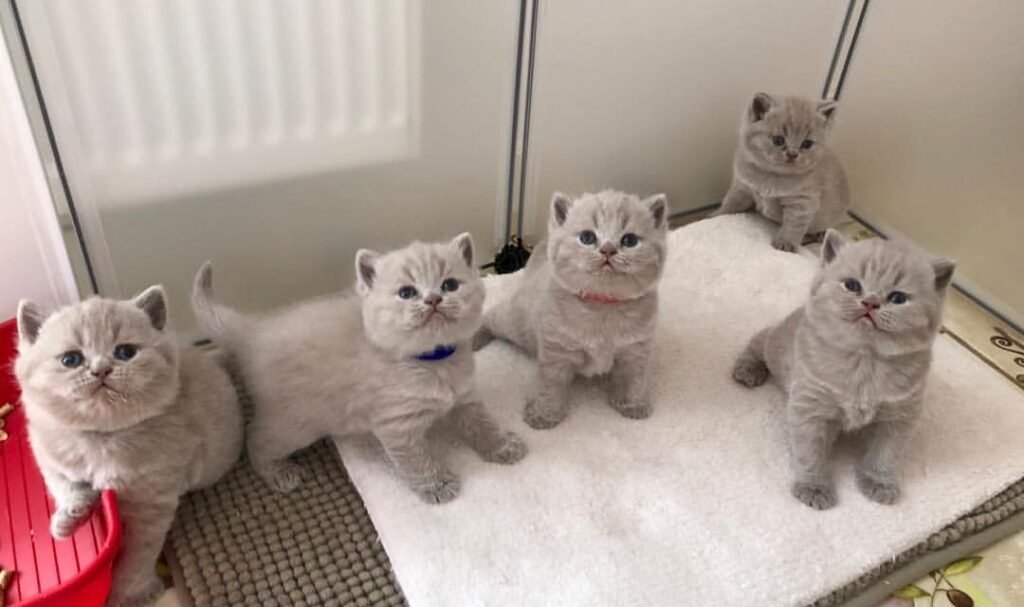
Bringing a new kitten into your home is a delightful experience, and if you’re considering a Lilac British Shorthair, you’re in for a treat. These charming felines are known for their striking appearance, gentle demeanor, and affectionate nature, making them a popular choice among cat lovers. However, owning a kitten comes with responsibilities and considerations that every prospective owner should be aware of. This buyer’s guide will provide you with essential information on the characteristics, care needs, and preparation required to ensure that your new Lilac British Shorthair thrives in its new environment. Whether you’re a first-time cat owner or an experienced feline enthusiast, understanding these aspects will help you make an informed decision and foster a loving relationship with your new companion.
Understanding the Lilac British Shorthair Breed
History and Origin
The British Shorthair has a history as rich as its luxurious coat, dating back to ancient Rome when they were bred for their sturdy physique and hunting prowess. Fast forward to the late 19th century, a surge of interest in purebred cats led to the establishment of cat shows, and voilà! The British Shorthair was born. The lilac variant, characterized by its soft, diluted coat color, emerged as breeders sought to introduce innovative hues into the breed. This charming shade is often a favorite in the cat-loving community, making lilac British Shorthairs the rock stars of the feline world.
Distinctive Features of the Lilac Color
Lilac British Shorthairs are like the lavender ice cream of the cat world—subtle yet irresistible. This enchanting color is a soft, muted shade of grayish-tan with a hint of pink undertone, resembling the lavender plants that sway gently in the breeze. Their coat is plush, dense, and oh-so-squishy, making it impossible not to want to cuddle them. These kittens typically have large, round eyes that gleam like marbles, adding to their undeniable charm. Trust us; one look and you’ll be saying, “Take my money!”
Characteristics and Temperament of Lilac British Shorthairs
Personality Traits
When it comes to personality, lilac British Shorthairs are the quintessential gentle giants of the cat universe. They’re known for their calm demeanor, making them perfect for homes with children or those looking for a low-key companion. While not overtly needy, they do enjoy companionship and will often follow you around the house, silently cheering you on as you attempt yet another DIY project. They’re also quite intelligent, so expect a curious cat who might occasionally try to outsmart you—good luck with that!
Interaction with Family and Other Pets
These sociable furballs thrive on interaction, often forming strong bonds with their human families. They have a knack for making everyone feel special, including the family pet—be it a dog, rabbit, or the neighbor’s goldfish. Lilac British Shorthairs are generally easygoing, adapting well to various living situations. However, it’s prudent to introduce them to other pets slowly and cautiously. After all, every cat is a diva deep down, and we wouldn’t want any meow-nificent meltdowns!
Health Considerations for Lilac British Shorthair Kittens
Common Health Issues
Like all breeds, lilac British Shorthairs come with their own set of potential health concerns. Common issues include hypertrophic cardiomyopathy (HCM), a fancy term for heart disease that can affect many cats. Additionally, they may experience obesity if they indulge too much in their love of food (we see you eyeing that second helping!). Regular monitoring and a balanced diet are crucial to keeping your feline friend healthy and happy, not to mention maintaining that adorable figure.
Regular Veterinary Care
Routine veterinary visits are your cat’s best friend—think of them as spa days, just with more poking and prodding. Regular check-ups help catch any health issues early and ensure your lilac British Shorthair is up to date on vaccinations. Your vet can also provide guidance on feeding, exercise, and dental care, which might not be as fun as catnip but is certainly essential. So get ready to schedule those appointments and keep your kitty in tip-top shape!
Choosing the Right Breeder
Questions to Ask Potential Breeders
When it comes to finding your lilac British Shorthair, not all breeders are created equal. It’s essential to ask the right questions to ensure you’re getting a healthy, well-socialized kitty. Inquire about the breeder’s experience, breeding practices, health testing for common issues, and whether you can meet the kitten’s parents. Also, don’t be shy to ask about any potential health guarantees. A reputable breeder will be upfront and proud of their work—just like a barista boasting about their latte art.
Signs of a Responsible Breeder
A responsible breeder is like a cat whisperer, with a genuine passion for the breed and a commitment to producing healthy kittens. Look for signs such as a clean and welcoming breeding environment, well-cared-for animals, and transparent communication. They should give you a chance to interact with the kittens and provide a health record to ensure you’re not adopting a surprise surprise package. If they seem more interested in your credit card than your kitty’s future, it might be time to walk (or run) away!
Preparing Your Home for a Lilac British Shorthair
Essential Supplies and Equipment
Before your lilac British Shorthair makes their grand entrance, you’ll want to roll out the red carpet – or at least a cozy cat bed. Here’s your shopping list for essential supplies: a scratching post (because they’ll want to leave their mark), food and water bowls (preferably double duty for the fancy cat), a litter box (your less-than-fancy friend), and quality kitten food (the good stuff, not the supermarket brand). Don’t forget toys – they’ll need something to pounce on between naps!
Creating a Safe and Comfortable Environment
Safety first! Look around your home and remove any potential hazards. That means no dangling cords or toxic plants – sorry, peace lilies! Set up a quiet space where your kitten can retreat and feel secure. Add a soft blanket, and maybe a few high perches for those curious climbing instincts. Make sure your windows are screened, so your lilac beauty can “supervise” the neighborhood without a daring escape.
Nutrition and Care Tips
Best Diet for Your Kitten
Feeding your lilac British Shorthair a balanced diet is crucial for their growth and health. Opt for high-quality kitten food rich in protein, taurine, and omega-3 fatty acids (hello shiny coat!). Wet food can help with hydration, while dry food keeps those pearly whites clean. Just remember, portion control is key. A fat cat isn’t a happy cat – unless it’s lounging like a king on your lap, of course!
Grooming and Hygiene Practices
Even though British Shorthairs have a short coat, they still benefit from regular grooming to keep shedding (and the amount of cat hair on your favorite black sweater) at bay. Brush them weekly to remove loose fur and distribute natural oils – they’ll love the extra attention! Don’t forget about dental care and nail trimming; starting early can make these grooming sessions a breeze rather than an Olympic sport.
Socialization and Training for Your Kitten
Importance of Early Socialization
Socializing your lilac British Shorthair early on is like throwing them a VIP party! Expose them to various sounds, sights, and people to help them grow into confident cats. Playdates with calm, friendly pets can also do wonders. A well-socialized kitten is more likely to embrace new experiences and become a well-rounded adult cat – not the neighborhood grump who hides under the couch at every knock.
Basic Training Techniques
Training a kitten might sound daunting, but it can be a walk in the park (or a roll in the catnip)! Start with basic commands like “sit” or “no” using positive reinforcement (treats, praise, you know the drill). Gently redirect unwanted behavior, like scratching your favorite chair, to appropriate outlets. And remember, patience is your best friend. Kittens will be kittens – they’re basically fluffy little anarchists!
Common Myths About British Shorthairs
Debunking Misconceptions
Let’s clear the air about some common misconceptions surrounding British Shorthairs. One myth is that they’re aloof and unfriendly. While they have an air of dignity (and royal sass), they’re actually quite affectionate and enjoy human companionship. Another tall tale is that they don’t need much exercise – wrong! These chubby cherubs love to play and explore, so get ready to join in on the fun!
Understanding Breed Stereotypes
Ah, stereotypes. They can be as misleading as a cat sitting on your keyboard while you’re trying to work. Some folks think British Shorthairs are lazy, but the truth is they have bursts of energy and playfulness. They’re also labeled as “easy-going,” which can mean they accept whatever life throws at them – including the occasional dog. Just remember, every kitty has their own personality, and it’s your job to embrace the quirks that make your lilac friend truly unique! In conclusion, welcoming a Lilac British Shorthair kitten into your home can be one of the most rewarding experiences for any cat lover. By understanding their unique characteristics, health needs, and how to properly care for them, you are setting the stage for a happy and healthy life together. Remember to choose a reputable breeder, prepare your home thoughtfully, and invest time in socializing and training your new furry friend. With the right approach, your Lilac British Shorthair will become a cherished member of your family, bringing joy and companionship for years to come.
FAQ
What is the lifespan of a Lilac British Shorthair?
The average lifespan of a Lilac British Shorthair is around 12 to 20 years, depending on their health and care. Regular veterinary check-ups and a balanced diet can help ensure a long, healthy life.
Are Lilac British Shorthairs hypoallergenic?
No, Lilac British Shorthairs are not hypoallergenic. While they may produce fewer allergens compared to some breeds, they still have fur and dander that can trigger allergies in sensitive individuals.
How much grooming do Lilac British Shorthair kittens require?
Lilac British Shorthairs have a dense, plush coat that requires regular grooming. Brushing them at least once a week will help reduce shedding and prevent matting, while also keeping their coat healthy.
What should I feed my Lilac British Shorthair kitten?
A high-quality kitten food that is rich in protein and designed for their developmental needs is essential. It’s important to choose a balanced diet that meets their nutritional requirements and consult your veterinarian for specific recommendations.