
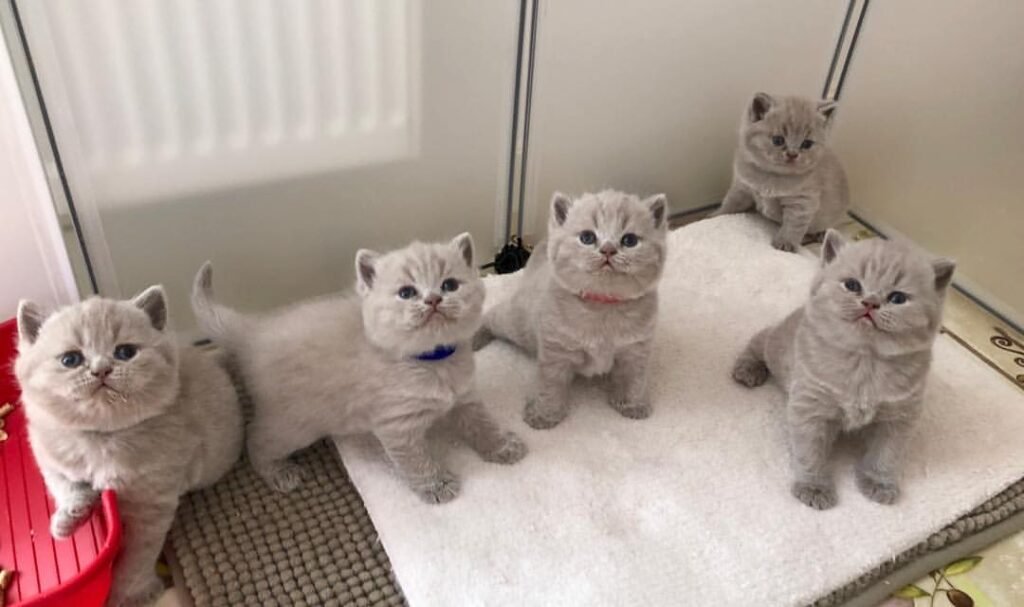
Finding the perfect lilac British Shorthair kitten can be an exciting yet challenging endeavor for potential pet owners. Known for their stunning coat color, affectionate nature, and unique personality traits, lilac British Shorthairs have become increasingly popular among cat enthusiasts. However, with so many options available, it’s crucial to understand the breed, identify reputable sources, and prepare adequately for the arrival of your new furry friend. This article will guide you through the essential steps to ensure that you find a healthy, happy lilac British Shorthair kitten that fits seamlessly into your lifestyle.
Understanding the Lilac British Shorthair Breed
History and Origins
The Lilac British Shorthair is a charming variant of the classic British Shorthair, tracing its roots back to Victorian England. The breed was developed from local domestic cats and imported cats, with an emphasis on sturdiness and adaptability. The ‘lilac’ color, a soft, muted tone resembling a light gray with pink undertones, emerged thanks to careful breeding practices. While they were initially bred for their utility as catchers of vermin, they quickly became beloved pets, finding a place in the hearts of cat enthusiasts everywhere.
Physical Appearance
Lilac British Shorthairs are the epitome of feline elegance and bulk—think fluffiness that could rival a well-stuffed pillow! They have a round face, plush fur, and robust bodies that exude strength. Their eyes, often a striking copper or gold, are round and expressive, perfectly complementing their soft lilac coats. With a dense, short, and velvety fur texture, they seem to beckon for endless petting. They truly are the feline equivalent of a gentle cloud!
Temperament and Personality
If you’re in search of a kitten with a personality to match its adorable looks, the Lilac British Shorthair won’t disappoint. They are known for their relaxed and easygoing nature, making them fantastic companions. They’re affectionate but not needy, often sticking by your side without being clingy. Their playful side shines through in short bursts, followed by lounging like true connoisseurs of comfort. With a blend of independence and loyalty, they’re perfect for those who enjoy a feline friend that knows how to chill.
Key Characteristics of Lilac British Shorthairs
Coloration and Markings
The lilac hue of these British Shorthairs is what sets them apart from their counterparts. This subtle and sophisticated color is classified as a dilute version of the chocolate coloration, giving it that smooth and gentle appearance. Look out for those stunning markings! While the base color is consistent, lilacs may also exhibit faint tabby stripes, but generally, they flaunt a uniform coat that can leave you weak in the knees.
Size and Build
These robust kitties are not just fluff—size matters! Lilac British Shorthairs are medium to large in size, with males typically weighing between 12-16 pounds and females around 8-12 pounds. Their strong, muscular build, combined with their broad heads and thick necks, gives them a stately presence. Don’t be fooled by their cute faces; these cats have the strength and determination to remind you they’re not just a pretty face!
Health Considerations
While Lilac British Shorthairs are generally healthy cats, they’re still prone to a few hereditary conditions. Be on the lookout for hypertrophic cardiomyopathy (HCM), a heart disease common in many breeds. Regular vet check-ups and a proper diet are key to keeping your lovable chunk of fur healthy. Ensuring that your kitten comes from a responsible breeder who prioritizes health testing can help sidestep potential health issues, ensuring your future feline companion grows into a healthy adult.
Reputable Breeders: How to Identify Them
Signs of a Responsible Breeder
When searching for the purrfect lilac kitten, it’s crucial to find a breeder who truly knows their stuff. Look for breeders who are transparent and passionate about their cats. They should offer a clean, safe environment, socializing their kittens with care. A responsible breeder will also be happy to show you health clearances and provide information on their breeding practices. If the breeder is dodging your questions like a cat avoiding a bath, it’s time to look elsewhere.
Questions to Ask Potential Breeders
You’ve spotted a potential supplier of your future cuddle buddy—great! Now, don your detective hat and start firing away with questions. Ask about the kitten’s lineage, health history, and temperament of the parents. Inquire about their socialization methods and whether they provide any health guarantees. If they’re willing to share references from previous buyers, even better! Remember, it’s not just a transaction; it’s about finding a companion for life.
Importance of Health Testing
Health testing may not sound as fun as picking out toys, but it’s crucial for a happy, long-lived kitty. Responsible breeders will screen for common genetic disorders that can affect the breed, such as HCM and certain conditions affecting the kidneys. This diligence not only ensures your lilac British Shorthair is healthy but also demonstrates the breeder’s commitment to the breed’s welfare. After all, you want a kitten that will spend more time snuggling than at the vet!
Online Platforms for Finding Kittens
Popular Websites and Marketplaces
In the age of the internet, finding your future feline friend has never been easier! Websites like Petfinder and Adoptapet are fantastic starting points for those looking to adopt, while specific breed registries and forums can help you find reputable breeders. Just make sure you’re not getting lost in a sea of cat memes—you’re hunting for an actual kitten, after all!
Social Media Groups and Forums
Social media is a treasure trove of fluffy goodness! Facebook groups and breed-specific forums are excellent resources for connecting with other British Shorthair aficionados. You can find leads on reputable breeders, get tips, and even join discussions about care and grooming. Just keep a close eye on the comments—some folks might be a bit too chatty about their cats’ latest antics.
Evaluating Online Listings
When perusing online listings, your detective instincts should kick into high gear. Look for detailed descriptions, high-quality photos, and information about the breeder’s practices. Beware of red flags like vague information, blurry images, or prices that seem too good to be true. A reputable listing will provide ample information, including health guarantees and socialization practices. After all, you want to find a kitten that’s been cared for, not just a product on a shelf!
Local Shelters and Adoption Options
Benefits of Adopting a Kitten
Adopting a kitten from a shelter is a win-win situation. Not only do you provide a loving home to a little furball in need, but you also help reduce the number of homeless pets. Plus, shelters often offer a wealth of resources, including free vet check-ups, vaccinations, and sometimes even spaying or neutering. It’s like getting a kitten with bonus perks!
Finding Local Shelters and Rescues
To track down local shelters and rescues, hop on the internet and use keywords like “kitten adoption near me” or “cat rescue in [your city].” Websites like Petfinder and Adopt a Pet can help you filter by breed, age, and location—so finding that adorable lilac British Shorthair will feel like a treasure hunt! Don’t forget to check social media; many shelters post about available kittens on their Facebook or Instagram pages.
What to Expect During the Adoption Process
The adoption process can vary, but usually involves filling out an application that’s a bit less strenuous than a college essay. Be prepared for an interview where you convince the shelter staff that you’re the best cat parent ever. Bring any other family members who will share the space, and answer questions about your lifestyle. If all goes well, you’ll be able to take home your new fur friend, possibly with a bumper sticker that says, “I adopted, not shopped!”
What to Consider Before Buying a Kitten
Assessing Your Lifestyle and Environment
Before bringing home a kitten, take a long, hard look at your life. Are you often on the go? Do you have roommates or small children? Kittens are like tiny tornadoes—adorable, but they need time and attention! Ensure your living situation can accommodate a playful little creature, and consider how much time you can devote to cuddles and playtime.
Budgeting for Your New Kitten
Kittens are not all cute cuddles; they also come with some bills. From the initial adoption fee to supplies like litter boxes, food, toys, and vet visits, it’s important to set a budget. On average, expect to spend a few hundred dollars at the start, then factor in ongoing costs for food, grooming, and healthcare—because, let’s face it, they can’t pay their own vet bills yet.
Long-term Commitment and Responsibilities
Bringing a kitten home means signing up for a long-term relationship (up to 15 years or more!). Be sure you’re ready for the commitment, which includes daily feeding, regular playtime, and the occasional poop-scooping duty. If you’re not ready for that kind of dedication, maybe a potted plant is a better option… at least it won’t give you that judgmental look when you miss a play session!
Preparing Your Home for a New Kitten
Essential Supplies and Gear
Alright, it’s shopping time! Before your lilac British Shorthair arrives, stock up on essential supplies. You’ll need a cozy bed, food and water bowls, high-quality kitten food (because they deserve the best), a litter box, and of course, an array of toys to keep them entertained. Cat trees and scratching posts are also a must—because your furniture deserves a break!
Creating a Safe Space
Kittens are curious little explorers, so it’s time to kitten-proof your home! Set up a safe space where your new furball can retreat. This could be a cozy corner with their bed, toys, and litter box. Remove any hazardous items like cords, small objects, and toxic plants. You want your kitten to feel like the king or queen of their castle without worrying about a surprise trip to the vet!
Introducing Your Kitten to Other Pets
If you have existing pets, introducing them to your new kitten can be like arranging a peace summit. Start by keeping them separated at first, allowing them to sniff each other under the door. After a few days, do a controlled meeting with supervision. Use treats to encourage good behavior and patience—because just like us humans, pets can be a little territorial.
Caring for Your Lilac British Shorthair: Tips and Best Practices
Nutrition and Diet Recommendations
Feeding your lilac British Shorthair a balanced diet is key to their health and happiness. High-quality cat food designed for kittens is your best bet; it’s packed with all the nutrients they need to grow strong and sassy. Always keep fresh water available, and don’t forget to limit treats—because they need to keep that adorable figure intact!
Grooming Requirements
British Shorthairs are known for their plush coats, which means regular grooming is in order. Aim for a weekly brushing to keep their fur looking fabulous and reduce shedding. They might not love it at first (who does?), but with some patience and maybe a little treat bribery, they’ll come to appreciate your grooming sessions as quality bonding time.
Regular Veterinary Care and Check-ups
Just like us, kitties need their annual health check-ups. Regular vet visits ensure your lilac British Shorthair stays up-to-date on vaccinations and gets the necessary preventative care. Plus, it’s a great opportunity to chat with your vet about any concerns and get tips tailored to your kitten’s specific needs. After all, a healthy cat is a happy cat!In conclusion, bringing a lilac British Shorthair kitten into your home can be a rewarding experience filled with companionship and joy. By following the guidelines outlined in this article, from researching reputable breeders to preparing your home, you can ensure that you make an informed decision. Remember to prioritize the health and well-being of your kitten, and enjoy the special bond that will develop as you welcome this charming breed into your family.
Frequently Asked Questions
1. What is the average price of a lilac British Shorthair kitten?
The price of a lilac British Shorthair kitten can vary widely depending on factors such as the breeder’s reputation, location, and the kitten’s lineage. On average, you can expect to pay between $1,500 and $3,000.
2. Are lilac British Shorthairs good with children and other pets?
Yes, lilac British Shorthairs are known for their gentle and affectionate nature, making them good companions for children and other pets when properly socialized.
3. How do I know if a breeder is reputable?
A reputable breeder will provide health guarantees, conduct health testing on their cats, allow you to visit their cattery, and offer ongoing support. They should also be willing to answer any questions you have about the breed and the kitten’s upbringing.
4. What are the grooming needs of a lilac British Shorthair?
Lilac British Shorthairs have a dense coat that requires regular grooming, ideally once a week. This helps to prevent matting and reduce shedding while keeping their coat healthy and shiny.