
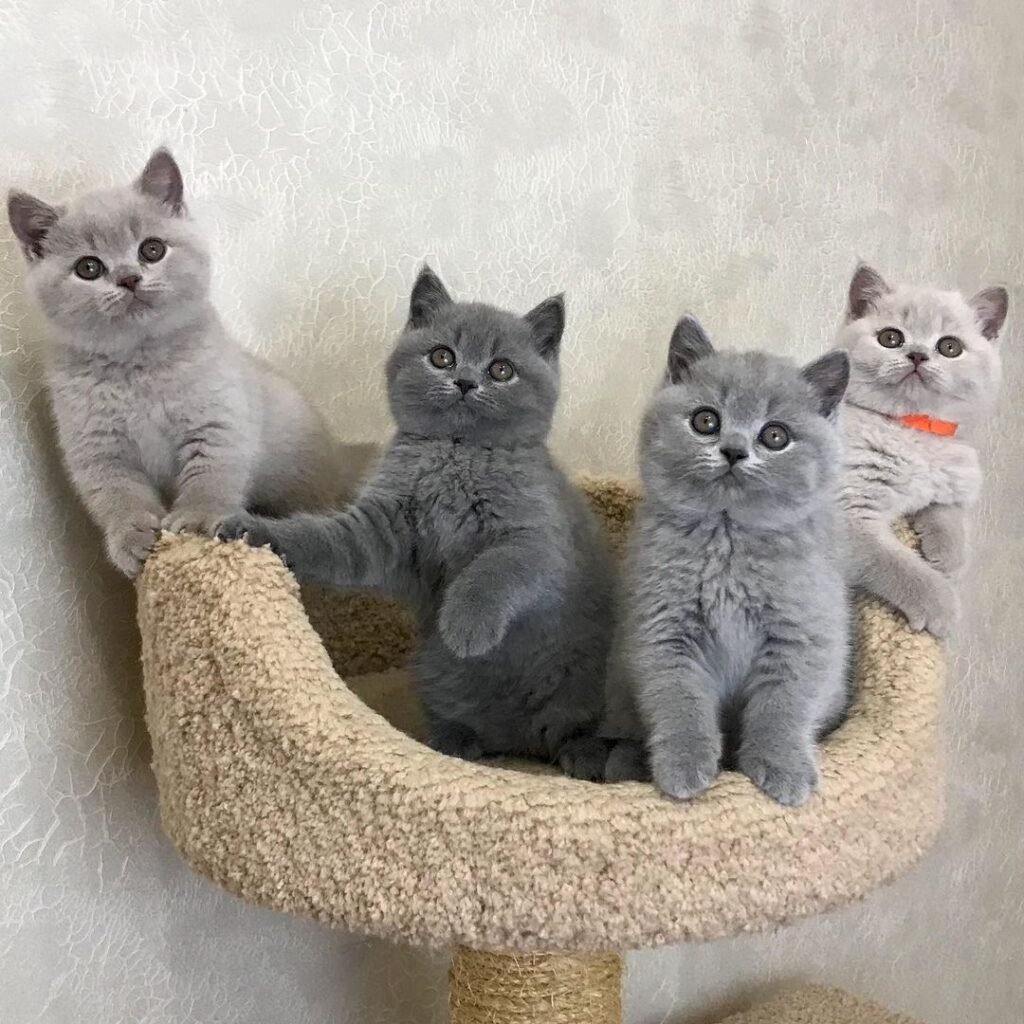
Bringing a new kitten into your home can be an exciting and rewarding experience, but it also requires careful preparation to ensure a smooth transition for both you and your furry friend. Kittens are curious, playful, and full of energy, but they also need a safe and nurturing environment to thrive. This article will guide you through the essential steps to prepare your home for a new kitten, from understanding their unique needs and selecting the right supplies to kitten-proofing your space and establishing a routine. With the right preparations, you can create a welcoming haven for your new companion and set the stage for a happy, healthy relationship.
Understanding Your New Kitten’s Needs
Age and Developmental Stage
When bringing home a new kitten, first consider their age. Kittens are typically weaned around eight weeks and start developing their little personalities soon after. By the time they’re four months old, they’re usually rambunctious little furballs with varying energy levels and quirks. Understanding their developmental stage helps you tailor your care: younger kittens might need more frequent meals and playtime, while older ones may just want to nap with occasional zoomies to keep you on your toes!
Behavioral Traits of Kittens
Kittens are like tiny, furry tornadoes—full of energy and a bit unpredictable. They love to pounce, chase, and sometimes, cause a little chaos! Playfulness at this age is crucial for their development, so it’s not just about cuteness; it’s about exercising those little paws and sharpening their hunting skills. They’ll also test boundaries, which means you’ll need to get used to saying “no” a lot while avoiding the urge to laugh at their shenanigans.
Socialization and Interaction
Kittens thrive on social interaction, not just with humans but also with other pets. Early socialization helps them develop into well-adjusted adults. Spend quality time playing and cuddling with your new furball to build trust and a strong bond. Consider inviting friends over (keeping it low-key, of course) to expose your kitten to new faces and experiences, but always keep an eye on their comfort level—this isn’t a kitten casting call!
Creating a Safe Space
Designating a Kitten Area
Creating a dedicated space for your kitten helps them feel secure and gives you peace of mind (and maybe fewer broken lamps). Choose a cozy, quiet corner of your home and set up their bed, food, and litter box. Ensuring this area is free from potential hazards will give your little explorer a safe zone to retreat to after their adventures.
Comfort Items: Bed, Toys, and Scratching Posts
Kittens need comfort and entertainment, so stock up on cozy beds, stimulating toys, and scratching posts that’ll save your furniture. Soft beds and blankets provide a snuggly spot for snoozing, while colorful toys encourage play—bonus points if they make cute noises! Scratching posts are essential, too; they’ll satisfy their natural instinct to scratch and protect your sofa in the process—talk about a win-win!
Safe Hiding Spots
Kittens love to hide and explore (unless you’re trying to catch them for a bath). Create safe hiding spots using cardboard boxes or cat caves. These spaces provide your kitten with a sense of security when they need some alone time—and a few good laughs for you when they pop out unexpectedly!
Essential Supplies and Equipment
Food and Water Bowls
When it comes to feeding time, opt for shallow bowls to accommodate those adorable little whiskers. Stainless steel or ceramic bowls are great choices since they’re easy to clean and can withstand a bit of kitten chaos. Make sure to always have fresh water available—hydration is key, especially when they decide to sprint around like mini race cars after a big meal!
Litter Box and Litter Options
A litter box is an absolute must, but not just any box will do. Get a shallow, accessible box for your kitten and consider clumping, unscented litter for easier cleanup. It’s a good idea to have one box per kitten, plus one extra, to avoid any territorial disputes. And remember, a clean litter box is a happy litter box!
Grooming Tools
Even though your kitten might think they can self-groom like pros, they’ll still need a bit of help. Invest in a good brush suitable for their fur type, a gentle nail clipper, and possibly some kitten-friendly shampoo for those unexpected mishaps. Making grooming a regular activity helps keep their coat shiny and reduces shedding—because let’s face it, fur on everything is a fashion statement… unless it’s unintentional!
Kitten-Proofing Your Home
Identifying Hazards
Kittens are curious creatures, and curiosity can lead to trouble. Identify potential hazards around your home like small objects, plants that are toxic to cats, and anything fragile. Ensure all dangerous items are either secured or out of reach—unless you want to turn your living room into a pet emergency room.
Safe Storage of Toxic Substances
Keep household cleaners, medications, and anything else potentially poisonous out of paw’s reach. A locked cabinet or high shelf should be your go-to storage solution. If you’re not sure what’s safe, look it up—there’s no need for your kitten to be the world’s first furball chemist!
Securing Cords and Small Objects
Kittens are like ninjas when it comes to cords and small objects. Tuck away electrical cords and secure them with cord organizers to prevent any mishaps. As for small objects, think like a kitten: if they can fit it in their mouth, they will. So, grab a basket and declutter like your kitten can sense a potential choking hazard from a mile away!
Introducing Your Kitten to the Family
Preparing Other Pets
Before your new furry friend arrives, it’s time to give your existing pets an upgrade in emotional preparedness. Start by introducing them to the concept of a new roommate. Let them sniff around the kitten’s toys or blanket—scent is everything in the pet world! You can even reward your current pets with treats when they investigate these new smells. If they react positively, that’s a purr-fect start! If not, a little extra love (and a few more treats) can help ease their jealousy.
Setting Ground Rules for Interaction
It’s important to set clear ground rules for your household when it comes to interacting with the new kid on the block. Decide in advance what behaviors are acceptable—like gentle petting and playtime—and what’s a no-go, such as chasing or swatting. Make sure everyone in the family is on the same page, so your kitten doesn’t find herself in a game of “dodge the toddler” or “who can grab the tail first.”
Supervised Introductions
When the big day arrives, don’t just throw the kitten into the lion’s den—supervised introductions are key! Keep initial meetings short and sweet. Hold your breath, try not to squeal with excitement (we know how cute they are), and watch how everyone interacts. If things get a bit too feisty, separate them and try again later. Gradually increasing their interaction time will help build a friendly rapport.
Establishing a Routine
Feeding Schedule
Kittens thrive on routine—think of them as tiny, furry alarm clocks. Establishing a feeding schedule not only helps you manage meals but also ensures that your little furball knows when to expect the culinary delights of cat food. Choose consistent times for meals and stick to them; soon enough, your kitten will become a master at mealtime timing. And yes, they will still insist on “helping” you cook dinner!
Litter Box Training
Litter box training is a rite of passage for both you and your kitten. Set up a designated litter area away from food and play zones. Show your kitten where it is and rejoice when they use it (you might even want to throw a mini celebration). Keep the box clean and accessible—no one wants to use a restroom that’s gone rogue. And remember, patience is key; accidents will happen, and that’s just part of kitten life!
Playtime and Exercise
Kittens have energy levels skyrocketing off the charts! Incorporate playtime into your daily routine to ensure your little one burns off all that zoomy energy. Interactive toys, feather wands, and laser pointers are great for giving your kitten a workout. Not only will this keep them healthy, but it’ll also save your furniture from becoming a scratching post. Plus, you’ll enjoy a good laugh watching them chase their own tails—adorable and hilarious!
Health and Wellness Considerations
Veterinary Visits and Vaccinations
Let’s talk about the vet—no one’s favorite topic, but it’s essential. Schedule a visit as soon as you welcome your kitten home. This is the time for vaccinations, health checks, and that all-important deworming. Keep in mind, while your kitten may be small, they’re warriors in the fight against illness, and a good vet visit can help set them up for a long, happy life.
Nutrition and Diet Choices
Choosing the right food can be a bit like discovering your favorite slice of pizza. With so many options out there, where do you even begin? Look for high-quality kitten food that provides the right nutrients for growth and development. Consider consulting your vet for recommendations—their expertise is invaluable, and they’ll help you avoid the dreaded “kitten food” confusion.
Monitoring Health and Behavior
Now that you’re a proud kitten parent, keep an eye on your little companion! Monitor their eating habits, litter box usage, and energy levels. If something seems off—like a sudden decline in appetite or lethargy—don’t hesitate to reach out to your vet. Just because they’re cute doesn’t mean they can’t have health issues, and being proactive is key to their well-being.
Preparing for the First Few Days
Setting Expectations
The first few days with a kitten can feel like you’ve brought home a tiny tornado. Set realistic expectations: there will be exploring, climbing, and possibly some chaos. Prepare yourself for the whirlwind of cuteness and mischief! Embrace the initial adjustment phase and remember that it won’t take long for your new fluffball to settle in and find their rhythm.
Dealing with Stress and Anxiety
Moving is stressful—not just for humans, but for kittens too. Help your furbaby feel secure by providing a cozy space with familiar scents (think blankets or toys from their previous home). You might want to keep things quiet and avoid overwhelming them with guests. Patience is crucial; just like you, they need time to adjust to their new digs, so expect a little shyness at first.
Building Trust and Bonding
Building a bond with your kitten is an adventure you’ll both embark on together! Spend time playing, cuddling, and just chilling in the same space. Slow and steady wins the race; don’t rush the affection. Eventually, your kitten will come to see you as their favorite human (and you’re in for a world of snuggles). Just remember, a little patience and a lot of love can work wonders!As you welcome your new kitten into your home, remember that patience and love are key to building a strong bond. By following the steps outlined in this article, you’ll create a safe and stimulating environment that allows your kitten to flourish. Enjoy watching your playful companion grow and explore, and cherish the moments you share together. With the right preparation, your home will become a loving sanctuary for your new furry family member.
FAQs
What vaccinations does my new kitten need?
Kittens typically require a series of vaccinations, including those for feline distemper, calicivirus, and rhinotracheitis. It’s important to consult with your veterinarian to establish a vaccination schedule tailored to your kitten’s needs.
How can I help my kitten adjust to a new home?
To help your kitten adjust, create a quiet, safe space where they can explore at their own pace. Provide familiar items, like a blanket or toy from their previous environment, and allow them to acclimate without overwhelming them with too much attention.
What should I do if my kitten is not using the litter box?
If your kitten is not using the litter box, ensure that it is clean, easily accessible, and in a quiet area. You may also want to try different types of litter or check for any signs of stress or health issues that may be affecting their behavior.
When should I schedule a vet appointment for my new kitten?
It’s best to schedule a veterinary appointment within the first week of bringing your kitten home. This visit will allow you to discuss vaccinations, health checks, and any concerns you may have about their care and well-being.