
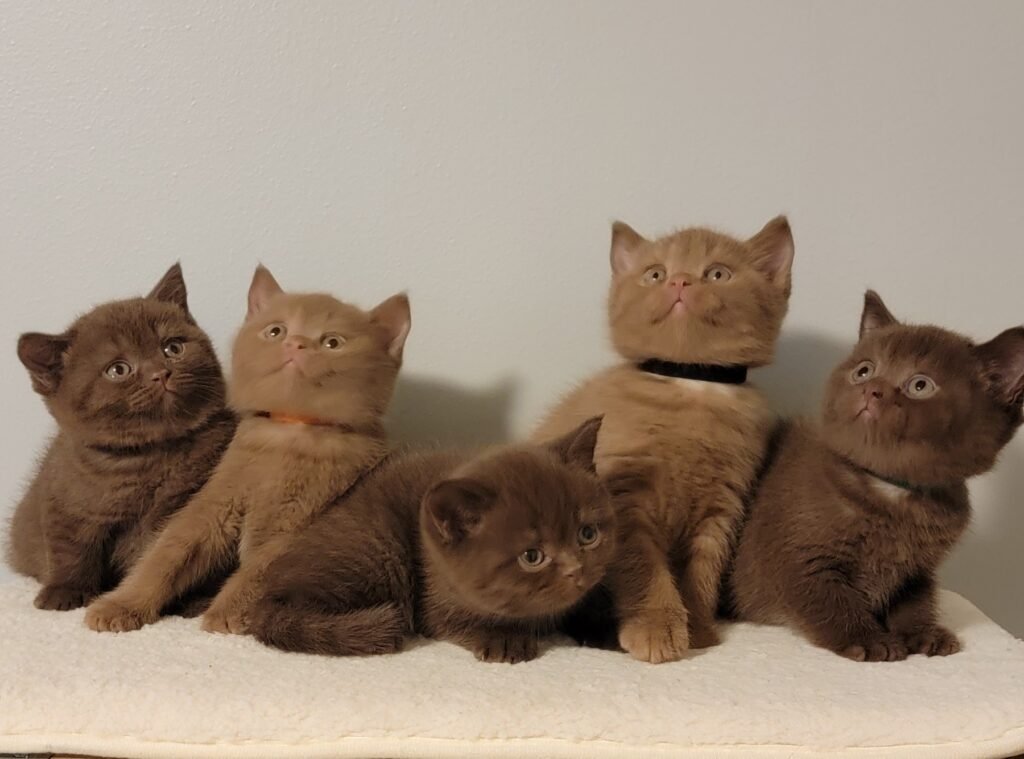
Bringing a British Shorthair kitten into your home can be an incredibly rewarding experience, as these charming felines are known for their affectionate nature and striking appearance. However, purchasing a kitten requires careful consideration and preparation to ensure that you are making the right choice for both yourself and the animal. From understanding the breed’s unique characteristics to finding a reputable breeder and preparing your living space, there are several key factors to keep in mind. This article offers top tips to guide you through the process of selecting and welcoming a British Shorthair kitten into your family, ensuring a smooth transition and a happy, healthy life together.
Understanding the British Shorthair Breed
History and Origin
The British Shorthair isn’t just any feline; it has a rich history that dates back to the Roman times when they were brought to Britain to help with pest control. Over the years, they’ve gained a reputation for being a solid companion, embodying the quintessential British charm. With their lineage linked to the wildcats of the Roman Legion, these kitties have been revered for their robust build and plush coats. It’s said that they were the favored pets in the Victorian era, making them the ultimate aristocrats of the cat world.
Physical Characteristics
These cats come with an undeniable presence, boasting a sturdy, muscular build that can make even the most regal of lion look a little jealous. Their iconic round faces, big eyes, and chubby cheeks give them that classic “cute potato” appearance, while their thick, plush coats (which can come in a variety of colors) make you want to hug them all day long. And let’s not forget about their adorable, somewhat stubby legs that scream “I’m too cute for my own good!”
Temperament and Behavior
If you’re looking for a purrfect blend of independence and affection, the British Shorthair fits the bill. They’re not the type to follow you around like a lovesick puppy, but they’ll definitely show up for cuddles when it suits them—think of them as the cool friend who only texts you when they want to hang out. Generally laid-back and easygoing, they can be playful but don’t have that hyperactive streak seen in some other breeds. They’re the ultimate companions, providing both comfort and entertainment without being overly needy.
Finding Reputable Breeders in the U.S.
Researching Breeder Credentials
When hunting for your British Shorthair, first check the breeder’s credentials. Are they registered with reputable organizations like The International Cat Association (TICA) or the Cat Fanciers’ Association (CFA)? A trustworthy breeder will have all the necessary paperwork and will be proud to share their success stories of previous litters—bonus points if they have pictures of happy, healthy kittens! A little detective work here can save you from an unforeseeable “cat-astrophe” down the line.
Questions to Ask Potential Breeders
Before you dive headfirst into kitten parenthood, it’s essential to grill your potential breeders with the right questions. Ask about health screenings, genetic testing, and what socialization practices they follow. You might even want to inquire about the kitten’s parents—after all, the apple doesn’t fall far from the tree! Trustworthy breeders will happily provide this information and won’t shy away from giving you a tour, so you can check out the living conditions of your future fluffball.
Visiting Breeder Facilities
If possible, schedule a visit to the breeder’s facility. This is a crucial step that deserves a big gold star! Observe how the kittens are raised: Are they in a clean, safe environment? Do they seem well-socialized and happy? Pay attention to how the breeder interacts with the kittens. A good breeder will treat their cats like family, ensuring they grow up to be well-adjusted members of the society—aka your future couch potato buddy!
Preparing Your Home for a New Kitten
Creating a Safe Space
Before your new feline friend arrives, set up a cozy, safe space where they can acclimate to their new home. This “kitty sanctuary” can be a separate room with a comfy bed, litter box, and some toys. Make it their ultimate chill zone, away from noise and chaos. Remember, every cat deserves a little slice of paradise—even if it’s just a plush blanket in a sunny spot!
Kitten-Proofing Your Environment
Get ready to put on your interior designer hat (or maybe your security guard uniform) because kitten-proofing is a must! Clear away any hazardous items, like electrical cords, toxic plants, and small objects that could become chew toys. Think like a kitten: If it’s shiny, dangling, or can fit in their mouth, it’s going to be investigated! Your home will be a much safer place once you’ve decluttered and hidden away the good stuff.
Essential Areas: Sleeping, Eating, and Playing
Designate specific areas for your kitten to sleep, eat, and play. A quiet corner with a soft bed is perfect for napping, while a clean, easily accessible spot for the food and water bowls ensures they stay fueled for all their mischievous adventures. Don’t forget about the play zone! A cat tree or some fun toys will keep your British Shorthair entertained and engaged. After all, a happy cat means a happy owner!
Health Considerations and Veterinary Care
Initial Health Checks
Your new kitten will need a thorough health check shortly after you bring them home. Schedule a vet appointment to make sure everything is on the up and up—from vaccines to overall health evaluations. Early detection can save you tons of heartache (and money), so don’t skip this essential step. Plus, your kitten might need a cute little carrier for this trip—it’s basically their first travel adventure!
Vaccination Schedule
Kittens are like tiny sponges, soaking up all the love and care you can give them, including their vaccines! Be sure to adhere to the recommended vaccination schedule. Core vaccines for kittens typically include feline distemper, calicivirus, and rhinotracheitis. Your vet will guide you through the process, and you can rest easy knowing your little buddy is protected against common feline illnesses. And don’t forget to ask for a shiny vaccination record to show off to your friends!
Common Health Issues in British Shorthairs
Though British Shorthairs are generally healthy cats, they can be prone to specific conditions, like hypertrophic cardiomyopathy (HCM) and obesity. Regular vet check-ups and a balanced diet will be key in keeping them in tip-top shape. Stay informed about any breed-specific issues and maintain an active lifestyle for your kitty. After all, being the cutest potato on the block requires some effort!
Choosing the Right Kitten: Temperament and Personality
Evaluating Kitten Behavior
When it comes to choosing a British Shorthair kitten, watching them in action is like going to a live performance—you’re scouting for the star of the show! Look for kittens that are curious, playful, and comfortable around humans. A little boldness is a plus, but if you find one that’s overwhelmed and hiding in a corner, it might not be the best fit for your home. Interact with them—play with a feather toy or dangle a string—and see who pounces into your heart (and your living room).
Understanding Litter Dynamics
Kittens are social creatures, and their early experiences can shape their personalities. If you can, observe them with their littermates. Are they the independent type or do they cling together like a furry circle of besties? Those who can play and share with others are likely to thrive in a household. But if you spot a lone wolf who prefers to play solo, check if that’s a fit for your own lifestyle. A social butterfly might need a playmate, while a lone ranger could be content to roam your castle alone.
Matching Kitten to Your Lifestyle
Not all kittens are created equal, and that’s okay! If you’re a busy bee who works long hours, a more independent kitten might fit your schedule better. On the other hand, if you’re a homebody who binge-watches Netflix, you might want a cuddly companion who loves to curl up on your lap. Consider your daily routine and how much time you can dedicate to playtime, cuddles, and, of course, the occasional kitten dance party.
Essential Supplies for Your British Shorthair
Food and Water Dishes
Your new British Shorthair has to eat, and while you might be tempted to put their dinner in any old bowl, think again! Invest in shallow, wide dishes to prevent whisker fatigue—yes, that’s a thing! High-quality food is a priority, so look for a brand that lists real meat as the first ingredient. Also, don’t forget the water! A fresh bowl of H2O should always be within paw’s reach for proper hydration—no one wants a dehydrated kitty!
Choosing the Right Litter Box
Ah, the litter box—a necessary evil in every cat owner’s life. For British Shorthairs, a spacious litter box is key; they’re not exactly the smallest of felines! Look for one that is low enough for easy access but high enough to contain any enthusiastic digging. Clumping litter can make cleanup a breeze, while a covered box can offer some privacy. Just remember, if you wouldn’t want to use it, your kitten probably won’t either!
Toys and Enrichment Activities
Keep your British Shorthair entertained! Kittens have boundless energy, so gather an arsenal of toys that help them channel their inner predator. Think feather wands, laser pointers, and even interactive puzzle toys that challenge them—like a kitty version of Sudoku. Rotating toys every so often keeps things fresh, like a new Netflix series! Just don’t forget to spend some quality time playing together; after all, the best toys are the ones you can enjoy together!
Training and Socialization Tips for Kittens
Basic Commands to Teach
Yes, you can teach a kitten new tricks! Start with basics like “sit” and “come,” reinforced by treats and lots of praise—who doesn’t love a good pat on the head? Use a clicker if you like, or simply snap your fingers to signify success. Keep training sessions short and fun; kittens have the attention span of a goldfish, and you don’t want them zoning out while you’re trying to teach them the art of the sit.
Socializing with People and Other Pets
The world can be a big, scary place for a tiny kitten, so early socialization is crucial! Introduce your British Shorthair to different people, sounds, and even other pets gradually. Offer treats and affection while exposing them to new experiences. If you’re introducing them to a dog, make sure it’s a calm one—no one wants to be the kitty that ends up on the floor after an overexcited pup comes barreling in!
Dealing with Behavioral Issues
Every kitten is bound to have its quirks, and when those quirks lead to behavioral issues, patience is key. Scratching furniture? A scratching post is your best friend. Excessive meowing? Try playtime or extra cuddle sessions to keep them entertained. If the issue persists, consult your vet or a feline behaviorist—after all, they’re the experts on kitty psychology and can help you navigate the sometimes perplexing world of cat behavior.
Long-Term Care and Nutrition for Your British Shorthair
Understanding Dietary Needs
British Shorthairs are known to be a bit on the heavy side, so make sure you’re serving up the right portions. A high-quality, protein-rich diet will keep your kitty’s muscles lean and their energy high. Pay attention to feeding guidelines, but also look for signs of hunger or fullness in your little one. Remember, those adorable begging eyes can be deceiving—keep the treats in check to avoid a feline who resembles a beach ball!
Routine Veterinary Check-ups
Regular vet visits are non-negotiable for keeping your British Shorthair in tip-top shape. Schedule annual check-ups and stay on top of vaccinations and preventative care. Consider it an investment in their health—and your sanity! A vet can also offer guidance on diet, behavior, and everything in between, so you can spend more time enjoying your kitty’s antics and less time worrying if they’re okay.
Grooming and Maintenance Tips
British Shorthairs have a plush coat that needs some TLC! Regular brushing helps reduce shedding and keeps their fur looking fabulously plush. Plus, it’s a great bonding activity! Don’t forget about nail trimming or paw-dicure—yes, it’s a thing! Keeping their claws in check prevents accidental furniture destruction and keeps the human-kitty relationship intact. And, of course, regular dental care is essential to keep those pearly whites sparkling!In conclusion, buying a British Shorthair kitten is an exciting journey filled with joy and companionship. By following the tips outlined in this article, you can make informed decisions that will benefit both you and your new furry friend. Remember to prioritize their health, well-being, and happiness as you embark on this new adventure together. With the right preparation and care, your British Shorthair will become a beloved member of your family for years to come.
Frequently Asked Questions
1. How much should I expect to pay for a British Shorthair kitten?
The price of a British Shorthair kitten can vary significantly depending on the breeder, lineage, and location, typically ranging from $1,000 to $2,500.
2. What should I look for in a reputable breeder?
Look for breeders who are registered with cat associations, provide health guarantees, and are willing to show you the kitten’s parents and living conditions.
3. Are British Shorthairs good with children and other pets?
Yes, British Shorthairs are generally known for their calm and friendly demeanor, making them suitable companions for children and other animals when properly socialized.
4. What kind of diet is best for a British Shorthair kitten?
A balanced diet formulated for kittens, rich in protein and essential nutrients, is ideal for British Shorthairs. Consult your veterinarian for specific recommendations based on your kitten’s needs.