
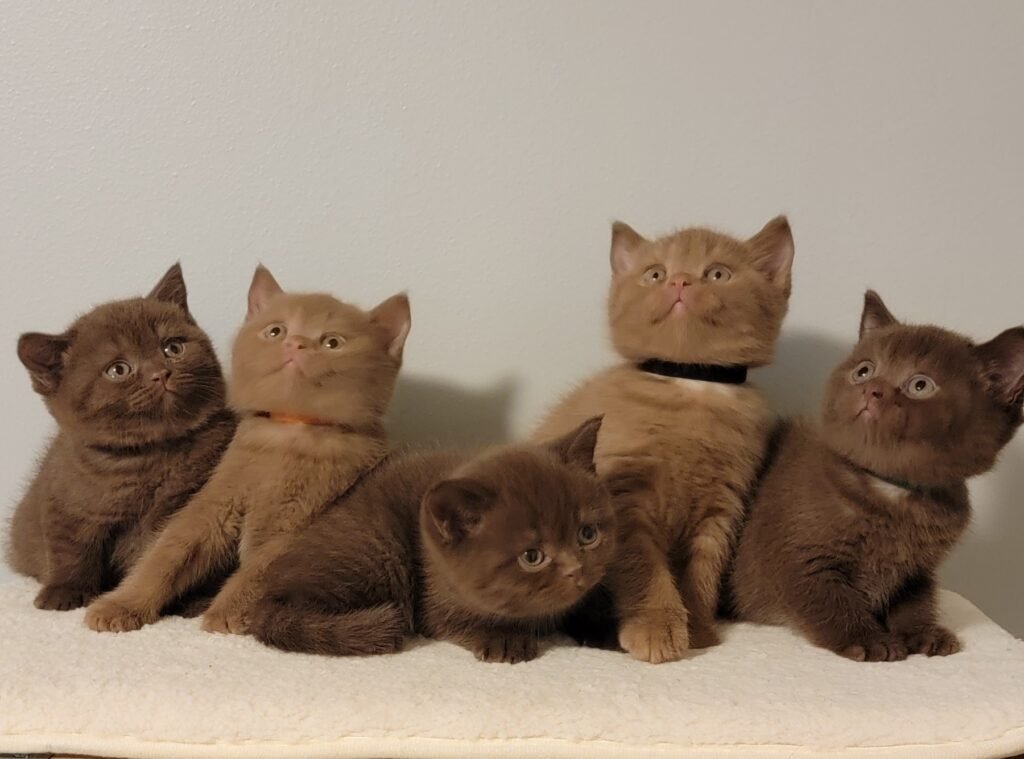
Bringing a chocolate British Shorthair kitten into your home can be an exciting and rewarding experience, but it also comes with a set of responsibilities and considerations. Known for their striking appearance and affectionate nature, these kittens require careful planning and preparation to ensure a smooth transition into your life. This checklist will guide you through the essential steps to determine if you’re ready for a new furry family member, from understanding the breed’s characteristics to preparing your home and budgeting for their care. By following this comprehensive guide, you’ll be well-equipped to welcome your new companion with open arms.
Understanding the Chocolate British Shorthair Breed
Distinctive Physical Traits
Chocolate British Shorthairs are like the fine chocolates you’d find in a luxury box—rich, smooth, and utterly delightful. They boast a dense, plush coat that gleams with a warm, chocolatey hue. Their large, round faces, with wide-set eyes that can be copper or gold, give them a charmingly expressive look. Stout bodies and sturdy limbs complete their adorable appearance, making them look like little teddy bears—if teddy bears had a mischievous streak!
Temperament and Personality
These felines are the epitome of cool cats. Chocolate British Shorthairs are known for their calm demeanor and affectionate nature. They’re not overly needy but enjoy human company—a perfect balance for those who want a furry friend without the constant “look at me!” antics. They can be playful and are often quite entertaining, but they also cherish their downtime, making them exemplary companions for all types of households.
Common Health Issues
While these cats are generally healthy, like any breed, they can be prone to specific health issues. Look out for heart conditions such as hypertrophic cardiomyopathy and issues related to obesity, which can stem from their love of lounging and snacking. Regular vet check-ups and a balanced diet can help keep these adorable chonks in tip-top shape. Remember, a healthy cat is a happy cat—so keep an eye on those playful paws!
Assessing Your Readiness for a Kitten
Time Commitment and Lifestyle
Before you dive headfirst into kittenhood, take a moment to assess whether your lifestyle is ready for this furry bundle of joy. Kittens require attention, training, and socialization. Are you ready to set aside time each day for play, cuddles, and the occasional game of “guess where the litter ended up”? If your schedule resembles that of a busy bee, it’s crucial to ensure you can provide the love and care a kitten needs.
Family Considerations
If you have little humans running around, it’s essential to consider how a new kitten will fit into the family dynamic. Discuss responsibilities and expectations—everyone should be on board! Chocolate British Shorthairs tend to be good with kids, but teaching them how to interact gently with a kitten is key. After all, we want a harmonious household, not a feline version of a sibling rivalry.
Long-term Responsibility
Adopting a kitten is a serious commitment—think of it as signing up for a long-term relationship where your partner is fuzzy and occasionally knocks over your favorite plant. British Shorthairs can live for 12 to 20 years, so you’ll want to ensure you’re prepared for the long haul. It’s not just about the initial cuteness; it’s about the daily adventures, vet visits, and cuddles over the years. Are you ready for a lifetime of meows and purrs?
Key Features to Look for in a Breeder
Reputation and Experience
Not all breeders are created equal—some are like that friend who can’t cook but insists on bringing the casserole to every potluck. Look for breeders with a stellar reputation and experience in producing healthy, well-socialized kittens. A quick internet search and some good old-fashioned word of mouth can help you sniff out reputable breeders who genuinely care for their cats.
Health Testing and Documentation
A responsible breeder will have clear health testing protocols for their cats. Be sure to ask for documentation and check if the breeder screens for common health issues in the breed. If they can provide you with health clearances and trustworthy info, you’ve found a gem. If they offer you just a cute face and a shrug, it’s time to keep scrolling.
Breeder’s Environment and Practices
When visiting a breeder, pay attention to their environment. Cleanliness is key! The kittens should be raised in a nurturing, socialized atmosphere. A good breeder will be open to questions and happy to show you around. If they’re hiding cats or evading inquiries, it’s a red flag that you might want to heed. After all, you want to bring home a kitten that’s been raised in an environment full of love, not a secret cat lair!
Essential Supplies for Your New Kitten
Basic Gear: Food, Litter, and Toys
Before you bring your new companion home, stock up on some essentials. Quality kitten food, a litter box, and some fun toys (because who doesn’t love a good catnip mouse?) are non-negotiable. Avoid the temptation to buy every whimsical item in the pet store; kittens have a way of deciding their favorite toy is a crumpled piece of paper. Start simple and let their personal preferences unfold!
Setting Up a Comfortable Space
Create a cozy nook for your new kitten—a space that feels safe and welcoming. A soft bed, some blankets, and a few hiding spots will make them feel right at home. Remember to keep their food and litter area separate; no one wants to eat and use the bathroom in the same place (yikes!). This is their domain, so let them have some say in how it’s decorated—who knows, they might have a flair for interior design!
Safety Precautions Around the Home
Kittens are curious little explorers, so it’s essential to kitten-proof your home before they arrive. Secure loose wires, stow away sharp objects, and remove anything that could harm a tiny paw. Consider purchasing childproof locks for cabinets where you keep cleaning supplies. It’s like preparing for a toddler, but fluffier! Your goal is to create a safe haven where they can safely explore and unleash their inner adventurer.
Preparing Your Home for a Kitten
Kitten-Proofing Your Space
Before your chocolate British Shorthair makes its grand entrance, it’s time to channel your inner home security expert. Start by removing anything that could be a potential chew toy or climbing challenge for your tiny tornado. Secure loose wires, stash away small objects that could become choking hazards, and keep plants out of reach (some are more toxic than your aunt’s fruitcake). Remember, kittens think they’re acrobats, so high shelves and open windows should be treated like live wire bars at a prison break.
Creating a Safe and Comfortable Environment
Think of your home as a luxurious kitten spa. You’ll want cozy napping spots, like soft blankets or cat beds, where your little diva can lounge. Provide scratching posts to keep their claws sharp and your furniture intact. Don’t forget to set up a litter box in a quiet corner—trust us, your kitten values privacy almost as much as it values that endless supply of catnip. Lastly, add some engaging toys to your space; after all, they need exercise for their stealth-stalking skills!
Introducing Other Pets
Bringing a new kitten into a household with existing pets? Easy peasy! Well, maybe not. Start with a slow introduction—think of it as a reality TV show where everyone needs to get used to one another. Allow the new kitty to explore one room while keeping the others at a distance. Scents can be swapped using blankets to help them get familiar without the hissing and growling. Patience is key, so take your time. Before you know it, they’ll be best buddies or at least engaging in that classic “who can ignore who longer” game.
Health Considerations and Veterinary Care
Initial Health Check and Vaccinations
Your kitten’s health is priority number one! Schedule an initial health check within a week of bringing your new friend home. This visit will include a thorough examination and vaccinations to keep your little furball healthy and happy. Ask your vet about common issues with British Shorthairs, like heart disease or dental problems. Don’t forget to keep tabs on the adorable little furball’s weight—overfeeding is a common rookie mistake!
Regular Health Monitoring
Kittens grow faster than you can say “paws and claws,” so regular check-ups are essential. Aim for annual visits to keep those vaccinations up-to-date and to discuss any health concerns. Pay attention to changes in behavior, eating habits, or litter box usage—it’s all part of your detective duties as a cat parent. Remember, a happy kitten means a happy home, which means fewer midnight zoomies!
Choosing the Right Veterinarian
Finding the right veterinarian is just as crucial as picking a name for your new kitten (though “Fluffy McFluffface” might not pass the vetting process). Look for one who specializes in felines and has experience with British Shorthairs. Read reviews, ask fellow pet parents, and don’t hesitate to schedule a meet-and-greet visit. You’ve got to feel comfortable asking questions—especially the ridiculous ones about why your kitten seems to think your shoelaces are public enemy number one.
Budgeting for Your Chocolate British Shorthair
Initial Purchase Cost
Let’s talk money, shall we? The initial purchase cost of a chocolate British Shorthair can vary widely, typically ranging from a few hundred to over a thousand dollars, depending on the breeder’s reputation and the kitten’s lineage. This initial investment is just the tip of the iceberg, so prepare to spend more than just your lunch money on this adorable furball.
Ongoing Expenses: Food, Supplies, Vet Care
Once you’ve brought your kitten home, don’t forget about the ongoing expenses. Quality food, litter, toys, and scratching posts will quickly add up. And let’s not forget about routine vet visits, vaccinations, and preventive care. Make sure to budget for these essentials—unless you want your new furry friend to be dining on instant ramen (not ideal).
Emergency Fund for Unexpected Costs
Life is full of surprises, and some are furrier than others. Set up an emergency fund for unexpected vet visits or health issues that may arise. A good rule of thumb is to aim for at least a few hundred dollars set aside for those “oops” moments—like when your kitten decides that a trip to the vet is an adventure. Better safe than sorry, right?
Tips for a Smooth Transition and Settling In
Introducing Your Kitten to New Surroundings
When your new kitten arrives, make sure to provide a designated “welcome zone” where they can feel safe and explore at their own pace. Make it cozy with a bed, toys, and, of course, some tasty treats to win their heart. Avoid overwhelming them with too much commotion or too many visitors at once. Think of it like introducing a nervous actor to their first big role—give them time to shine at their own pace.
Establishing a Routine
Kittens thrive on routine, so aim to set a regular schedule for feeding, playtime, and cuddle sessions. This will help your chocolate British Shorthair feel secure and reduce any anxiety. Plus, it gives you an excuse to indulge in those adorable snuggles. Just remember that your new kitty won’t know it’s Saturday—every day is a good day for playtime!
Building a Bond with Your New Kitten
Building that special connection with your new furry friend takes time, but it’s oh-so-worth it. Spend time playing, grooming, and just sitting quietly together. Use treats to reward good behavior and help forge a bond based on trust (and, let’s be honest, a bit of bribery never hurt). With patience and love, you’ll create a lifelong friendship with your chocolate cutie that makes every day feel like a fairytale.Bringing a chocolate British Shorthair kitten into your home is a journey filled with love, joy, and companionship. By following this checklist and taking the necessary steps to prepare, you can ensure that both you and your new kitten are ready for a successful start. Embrace the adventure ahead, and enjoy the many special moments that come with sharing your life with a furry friend.
FAQ
1. What is the average cost of a chocolate British Shorthair kitten?
The average cost can vary widely based on factors such as breeder reputation and geographic location, but you can typically expect to pay between $1,500 and $3,000.
2. How do I choose a reputable breeder?
Look for breeders with positive reviews, health testing for genetic conditions, and a clean, caring environment. It’s also beneficial to ask for references from previous buyers.
3. What kind of diet should I provide for my chocolate British Shorthair kitten?
A high-quality, age-appropriate kitten food is recommended. Look for options that list meat as the primary ingredient and ensure that the food meets AAFCO standards.
4. How can I help my new kitten adjust to their home?
Create a quiet, safe space for your kitten, gradually introduce them to different areas of your home, and establish a consistent routine for feeding and playtime to help them feel secure.