
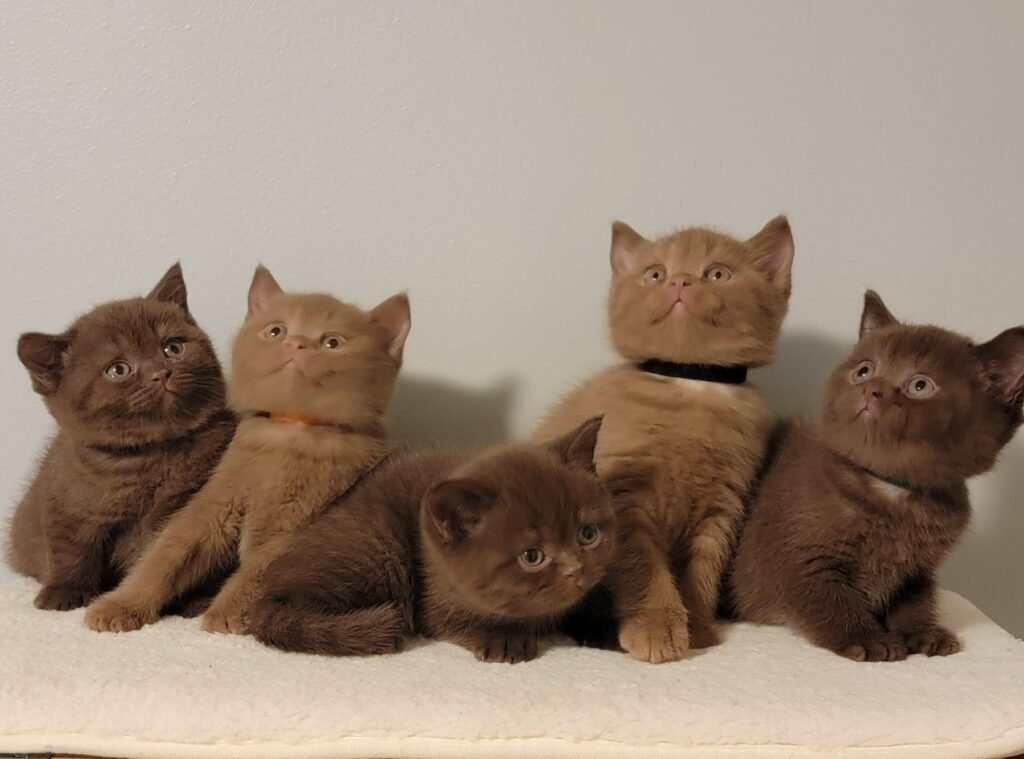
Welcoming a Chocolate British Shorthair kitten into your home is an exciting and rewarding experience. Known for their affectionate nature and stunning coat color, these kittens quickly become cherished members of the family. However, preparing your home for a new furry friend is essential to ensure their comfort, safety, and happiness. From creating a cozy space to selecting the right supplies, understanding how to cater to your kitten’s needs will help ease their transition and set the stage for a harmonious relationship. This guide will walk you through the crucial steps to prepare your home and give your Chocolate British Shorthair kitten the best possible start in their new life.
Understanding the Chocolate British Shorthair Breed
Characteristics and Temperament
The Chocolate British Shorthair is a feline delight! With their round faces, dense coats, and expressive eyes, they are both adorable and charming. These kittens tend to have a calm demeanor and are known for being affectionate and easygoing, making them great companions. They enjoy playtime but are equally content to curl up on your lap for a good cuddle session. Just be prepared for their charmingly stubborn moments—these little furballs certainly know how to get their way!
Common Health Issues
Like all breeds, Chocolate British Shorthairs come with a few potential health quirks. They can be prone to heart issues, like hypertrophic cardiomyopathy (try saying that three times fast), as well as obesity if their diets aren’t kept in check. Regular vet visits and an attentive eye on their weight and activity levels will help keep your kitty in tip-top shape. Also, don’t forget to keep an eye on those cute, chubby cheeks, as dental issues can pop up too!
Essential Supplies for Your New Kitten
Food and Water Bowls
Start your kitten’s adventure right with sturdy, easy-to-clean food and water bowls. Opt for ceramic or stainless steel, as these materials are less likely to harbor pesky bacteria and are a breeze to clean. Plus, your little diva will appreciate eating off something that looks good—style matters, after all!
Quality Kitten Food
Investing in high-quality kitten food is crucial as it provides the essential nutrients for your growing furball. Look for brands that list meat as the first ingredient and avoid anything resembling mystery meat. Remember, your little nibble monster needs all the energy they can get for those zoomies around the house!
Grooming Tools
Chocolate British Shorthairs have plush coats that require some pampering! A good brush and a quality comb should be part of your grooming arsenal. Regular brushing not only helps reduce shedding but also serves as a bonding experience, turning you into the ultimate pet-parent superstar. Don’t forget to stock up on nail clippers—those little claws can get sharp!
Comfortable Bedding
Your new kitten deserves a cozy spot to call their own. Invest in a fluffy bed—perhaps something that resembles a cloud—where they can snuggle up and nap. Cats are notorious for their napping prowess, and with the right bedding, your Chocolate British Shorthair will think they’ve hit the jackpot in the comfort department!
Creating a Safe and Comfortable Space
Choosing the Right Room
When prepping for your furry friend, pick a quiet, low-traffic room to serve as their sanctuary at first. Cats appreciate their privacy, especially when they’re getting used to all the new smells and sounds in their new abode. Ensure this room is a safe haven—no sneaky hazards lurking about!
Setting Up a Cozy Nest
Once you’ve chosen the room, set it up with a comfy bed, litter box, and some toys. A cozy nest can be made with soft blankets and a few stimulating toys to keep your little rascal entertained. A little nook where they can hide and pounce is always a bonus—kittens thrive on the element of surprise!
Providing Vertical Space
Cats are natural climbers (and professional perchers). Consider investing in a cat tree or shelves to give your kitten some vertical space to explore. This not only satisfies their curiosity but also helps them exercise and stretch their muscles. Plus, you’ll enjoy the view of your little acrobat in action!
Kitten-Proofing Your Home
Identifying Hazards
Kittens are like tiny tornadoes—curious and ready to explore anything in their path! Start by identifying potential hazards around your home, such as small objects they could choke on, breakable items, and even plants that could pose a risk. Better safe than sorry when it comes to your new furry friend!
Securing Cords and Wires
Those pesky cords and wires are practically calling your kitten’s name. To prevent them from turning into a chew toy, secure them with tape or cable covers, or better yet, hide them away. You don’t want your new addition thinking they can play their version of “Cat vs. Charging Cable”!
Storing Toxic Substances
Make sure to stash any cleaning products, medications, and toxic plants out of reach. Kittens are notorious for their adventurous snouts and curious paws. A quick clean-up and a few organizational tweaks will help keep your home safe—because who wants to give the vet any unnecessary visits when your new furry friend is trying to channel their inner explorer?
Introducing Your Kitten to Family Members and Pets
Preparing Family Members
Before your new chocolate British Shorthair kitten arrives, gather the family for a “Kitten 101” meeting. Discuss how to handle the little furball with care, emphasizing gentle petting and creating a calm environment. Assign each family member a fun task (like choosing a name or picking out toys) to create excitement and responsibility. And remember, no lunging or startling movements—save that for your Netflix action series!
Slow Introductions to Other Pets
When it comes to blending your new kitten into the furry family, patience is paramount. Start by letting your existing pets sniff around the newcomer’s belongings first. Then, through a door or baby gate, introduce them visually while keeping a safe distance, ensuring no one feels threatened. Gradually, allow supervised meetings, ideally with treats in hand, because who can resist a snack?
Monitoring Interactions
Once your pets meet, keep a watchful eye. Kittens can be sprightly, and older pets may not appreciate an overzealous playmate. Look for signs of stress, such as hissing or swatting, but don’t hit the panic button immediately. If things heat up, it’s time for a timeout. Remember, this is all part of their learning curve, especially for your kitten who’s just figuring out the ropes!
Establishing a Routine: Feeding and Playtime
Creating a Feeding Schedule
Kittens thrive on routine, and feeding time is no exception! Set up regular feeding times—2-3 times a day is ideal. You can use cute bowls that make your kitchen look like a fancy café, but make sure they’re low enough for your kitten to reach without employing any acrobatics. Consistency here is key, or they may start an impromptu hunger protest!
Engaging Play Activities
Playtime is not just fun; it’s essential for your kitten’s development! Invest in a variety of toys: feathers on sticks, laser pointers, and crinkly balls. Rotate toys weekly to keep the excitement alive, because who doesn’t love a good surprise? Aim for at least 15-30 minutes of playtime daily to help your kitten unleash their inner lion (or couch potato!).
Importance of Exercise
Just like we can’t binge on Netflix forever without a little stretch, your kitten needs exercise too! Encourage climbing and jumping with cat trees and shelves. Regular exercise helps prevent obesity and keeps their playful spirit intact. Trust me, you’ll have a lot more fun with a well-exercised kitten that’s physically and mentally stimulated.
Health and Veterinary Considerations
Initial Veterinary Visit
Schedule a vet visit shortly after your kitten arrives. This is like their first day at school—important for getting to know their health and vaccination needs. The vet will check for any sneaky health issues hiding behind that adorable face and help you set up a health plan to keep your feline in tip-top shape!
Vaccination Schedule
Kittens are vulnerable and need their vaccines to protect them against nasty diseases. Work with your veterinarian to get a vaccination schedule in place. Your kitten will need multiple doses in their first few months, but think of it as their superhero training—transforming them into invincible fluffballs!
Regular Health Check-ups
Just like you schedule your annual check-up (hopefully), your kitten needs regular vet visits too. Early detection is crucial, and routine exams help catch any issues before they turn into full-blown dramas. Plus, it’s a great excuse to spoil them with a post-vet treat!
Tips for Training and Socializing Your Kitten
Basic Commands and Litter Training
Start teaching basic commands like “sit” and “no” early on. Use treats as motivators—kittens love snacks, and who can resist being bribed? For litter training, place your kitten in the litter box after meals; they’ll often instinctively know what to do. If accidents happen, no need to panic—clean it up and try not to show disappointment.
Positive Reinforcement Techniques
Kittens respond best to positive reinforcement. When they do something right, celebrate their success with treats, praise, or their favorite toy. Avoid any harsh corrections; instead, redirect unwanted behaviors (like attacking your shoes) to a more suitable toy. Think of yourself as their personal cheerleader—pom-poms optional!
Encouraging Social Interactions
Introduce your kitten to different people and environments gradually to help them become a well-rounded superstar. Invite friends over or take them on playdates (once they’ve settled in). The more positive experiences they have, the more confident they will become. Plus, you get to show off your adorable new addition and bask in the glow of those “oohs” and “aahs” from visitors!Bringing a Chocolate British Shorthair kitten into your home is just the beginning of a wonderful journey filled with love and companionship. By taking the time to prepare your space and understand your new kitten’s needs, you are setting the foundation for a happy and healthy relationship. Remember, patience and consistency are key as you help your furry friend adjust to their new environment. Enjoy the playful moments and cherish the bond you will create together as you both grow and learn.
Frequently Asked Questions
What is the best age to adopt a Chocolate British Shorthair kitten?
It is generally recommended to adopt a kitten between 8 to 12 weeks of age, as this is when they are fully weaned and ready for socialization.
How can I help my new kitten adjust to their home?
Provide a quiet and safe space for your kitten, gradually introduce them to different areas of your home, and spend quality time with them to build trust and comfort.
What should I feed my Chocolate British Shorthair kitten?
High-quality kitten food that meets their nutritional needs is essential. Look for food that is specifically formulated for kittens to support their growth and development.
How often should I take my kitten to the vet?
Kittens should have their first veterinary visit within the first few weeks of adoption, followed by vaccinations and check-ups at least once a year. Regular visits are important for maintaining their health.