
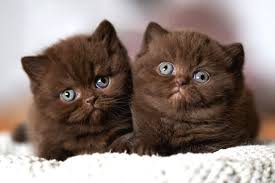
Bringing a chocolate British Shorthair kitten into your home is an exciting and rewarding experience that comes with its own set of unique challenges and joys. Known for their strikingly beautiful coat, round faces, and affectionate nature, these cats quickly capture the hearts of their owners. However, ensuring that your new furry companion grows up healthy, well-adjusted, and happy requires careful planning and attention. This ultimate guide will provide you with essential information on understanding the breed, preparing your home, and meeting the needs of your chocolate British Shorthair kitten, setting the stage for a fulfilling and harmonious relationship.
Understanding the Chocolate British Shorthair Breed
History and Origins
The Chocolate British Shorthair is the result of a delightful mix of history and feline genetics. Originating in the UK, the British Shorthair breed has roots that trace back to Roman times. The “chocolate” color, however, is a relatively recent addition to the breed’s palette, emerging from controlled breeding programs in the 20th century. Essentially, it’s like the breed got a delicious chocolate syrup drizzle on top of its classic British sundae!
Physical Characteristics
With their round faces, dense coats, and stocky bodies, Chocolate British Shorthairs are like plush little teddy bears come to life—if teddy bears had a sassy personality and superior hunting skills. Their distinctive chocolate coloration varies from a light milk chocolate to a rich dark chocolate, and let’s not forget those mesmerizing copper or gold eyes that truly complete the ensemble. Honestly, if they had their own fashion line, it would definitely be “Cuddle Couture.”
Temperament and Personality Traits
These kittens are the total package when it comes to personality: playful yet laid-back, affectionate but cool. Think of them as the chill roommate who’s down for snuggles but also respects your alone time. They tend to be social and can adapt easily to various environments, making them perfect for families or solo dwellers. Just be prepared for some mischievous antics—after all, they are part feline, part tiny overlord.
Preparing Your Home for a Kitten
Kitten-Proofing Your Space
Before bringing your little chocolate ball of fur home, it’s time to unleash your inner detective. Look for potential hazards—think power cords, small objects that could be swallowed, and plants that could make them ill. A kitten-proofed space means less stress for you and more freedom for your new friend to explore (without playing the game of “Will I Survive This?”).
Designating a Safe Area
Create a cozy haven just for your kitten—a dedicated space where they can feel secure and relaxed. This could be a small room or a comfy corner with their essentials. Make sure it’s away from loud noises and the chaos of daily life, so they can curl up and take a snooze without a care in the world. A little sanctuary goes a long way toward building confidence!
Setting Up a Comfortable Environment
Your kitten’s comfort is key, so think soft beds, cozy blankets, and perhaps even a scratching post (because let’s face it, those claws need a place to shine). Ensure there’s ample space for play and exploration but also nooks for them to hide away when they need a breather. Remember, a happy kitten is a mischief-making kitten, and that’s a win-win!
Essential Supplies for Your New Kitten
Food and Water Bowls
Invest in shallow, easy-to-clean food and water bowls. Consider options made of stainless steel or ceramic since they’re less likely to tip over during those enthusiastic dining sessions. Bonus points if they have a cute design—just because they’re a kitten doesn’t mean they can’t dine in style!
Choosing the Right Litter Box
Selecting a litter box is more than just a “cat” decision; it’s an art form. Opt for a box that’s large enough for your kitten to move around but not too tall for tiny legs to navigate. You might also consider a low-entry option for those dramatic leaps into the box. And remember, kittens can be picky, so placing it in a quiet area is crucial for their “business” trips.
Comfort Items: Beds and Toys
Every kitten deserves a cozy bed to call their own, and Chocolate British Shorthairs are no exception! Look for soft, plush options that invite snuggles. Plus, don’t forget toys! Teasers, balls, and soft mice are perfect for keeping your little one entertained—and give you an excuse to be silly during playtime.
Nutrition and Diet for a Healthy Start
Understanding Nutritional Needs
Kittens are growing machines, so their nutritional needs are sky-high. High-quality protein, healthy fats, and essential vitamins are crucial for their development. Think of it as fueling a high-performance sports car—it’s all about giving them the right stuff to zoom into adulthood with energy and vigor!
Selecting High-Quality Kitten Food
When it comes to kitten food, quality matters! Look for options specifically formulated for kittens that list real meat as the first ingredient and are free from unnecessary fillers. Trust us, your kitten will thank you later, probably with acrobatics and a few purring smooches.
Feeding Schedule and Portion Control
Establishing a feeding schedule will help you and your kitten get into a routine—and help you avoid the dreaded “What did I just knock over?” moment when they’re hungry. Start with multiple small meals throughout the day and keep an eye on portion sizes. It’s easy to spoil them with treats, but moderation is key to keeping those little tummies happy and healthy!
Socialization and Training Techniques
Importance of Early Socialization
When it comes to raising your chocolate British Shorthair kitten, socialization is like teaching them the ropes of all things feline (and human). Start early—between 3 and 9 weeks is prime time for these little furballs. Expose them to various sounds, people, and environments. This helps mold them into confident cats who can handle life with a flair that can only be described as “pawsitively fabulous.” A well-socialized kitten is less likely to become a fraidy-cat later on, making it easier for you both to enjoy life together.
Basic Training Commands
Training your kitten isn’t just for the overly ambitious—it’s actually a great way to bond! Start with simple commands like “come,” “sit,” and “no.” Using positive reinforcement, such as treats or affection, turns training into a fun game rather than a chore. Just remember, your chocolate British Shorthair might not be a dog, but they can still appreciate a good treat or two. With patience and a sprinkle of consistency, you can turn this tiny royal into a king (or queen) of obedience.
Addressing Behavioral Issues
Every kitten has its quirks, but if your little chocolate nugget starts developing unwanted habits (ahem, scratching the couch), it’s time to intervene. Identifying the root cause is key—often, they just need more playtime or something to scratch on that isn’t your favorite armchair. Redirect unwanted behavior with toys or training techniques, and don’t forget to reward good behavior with treats. If things spiral out of control, consult your vet or a feline behaviorist—they hold the keys to kitty wisdom.
Health Care and Regular Vet Visits
Vaccination Schedule
To ensure your chocolate British Shorthair grows up healthy and strong, sticking to a vaccination schedule is non-negotiable. Kittens typically receive their first vaccinations at about six to eight weeks and need several more as they grow. Regular visits to the vet ensure that they are protected from nasty critters like rabies and feline distemper. Plus, your vet can provide tips on diet and care—like an all-knowing oracle but with a stethoscope.
Preventative Care Practices
Prevention is the best medicine, and that’s especially true for our fluffy pals! Regular flea and tick treatments, along with heartworm prevention, should be part of your routine. Think of it as armor for your kitten against the outside world (minus the bulky knight gear). Keeping up with a balanced diet and maintaining a healthy weight will also save you from a host of future problems, ensuring that your British Shorthair remains as majestic as they were meant to be.
Recognizing Signs of Illness
Stay vigilant—kittens can’t tell us when they’re feeling under the weather! Keep an eye out for changes in eating habits, unusual behaviors, or any signs of lethargy. If your kitten suddenly decides they’re no longer a fan of their favorite treats or gives you sad eyes when playing, it’s time for a vet visit. Early detection is crucial, and your quick response can help turn a minor issue into just a hiccup in their kitty adventure.
Grooming and Maintenance Tips
Coat Care for a Chocolate British Shorthair
With their plush, dense coats, chocolate British Shorthairs are undeniably cute—but they do require some grooming love! Brushing them once a week helps manage shedding and keeps their coat looking glossy and soft. Treat grooming time as a bonding session—lots of pets and gentle brushes will keep your kitten comfortable and help them enjoy their spa day. You’ll have a well-groomed kitty that’s both sleek and stylish in no time!
Nail Clipping and Ear Cleaning
Regular nail clipping can be a game of cat-and-mouse (literally!), but it’s essential to keep those claws in check. Aim for every couple of weeks, and always have treats on hand to reward their bravery. As for ear cleaning, gently wipe the outer part of the ear with a damp cloth—no Q-tips needed! If you notice excessive wax buildup or irritation, it’s time to consult your vet. Your chocolate cutie will appreciate the care, and you’ll sidestep any accidental couch destruction.
Dental Care Basics
Dental hygiene isn’t just for humans—your chocolate British Shorthair needs fresh breath too! Start brushing their teeth early on with kitty-friendly toothpaste to make it a routine rather than a battle. If that sounds like a wrestling match waiting to happen, consider dental treats or toys designed to promote oral health. Regular vet check-ups will also help catch any dental issues before they become a problem—because nobody wants a kitten with a toothache!
Creating a Safe and Stimulating Environment
Interactive Playtime and Exercise
Kittens are bundles of energy, so it’s crucial to provide plenty of opportunities for play! Interactive toys, feather wands, and laser pointers are your best friends. Aim for at least 15-30 minutes of playtime a day to keep your chocolate British Shorthair physically and mentally stimulated. Trust us, a well-exercised kitten is a happy kitten—and possibly one that lets you sleep through the night!
Safe Outdoor Exploration Options
If you want to let your kitten experience the great outdoors, consider supervised outings in a secure harness or a catio (basically a cat patio). This keeps them safe while still giving them a taste of nature. If that sounds complicated, even a window perch to watch the world outside can be enriching. Just remember, unexplored grass isn’t always safe—better to keep your chocolate cutie out of the wilds of the neighborhood!
Enrichment Activities for Mental Stimulation
Keep your kitten’s mind as sharp as their little claws with enrichment activities! Puzzle toys filled with treats and hide-and-seek games can turn your home into a feline wonderland. Rotating toys regularly can also keep things fresh and exciting. A bored British Shorthair might just become a mischievous one—so give them plenty to engage their brains and watch their creativity spring to life!Raising a chocolate British Shorthair kitten can be an immensely rewarding journey filled with love, companionship, and joy. By following the guidelines outlined in this guide, you can create a nurturing environment that supports your kitten’s growth and development. Remember that patience and understanding are key as you both navigate this new chapter together. With the right care and attention, your chocolate British Shorthair will thrive and become a cherished member of your family for years to come.
Frequently Asked Questions
What is the typical lifespan of a chocolate British Shorthair?
The average lifespan of a chocolate British Shorthair is around 12 to 15 years, but with proper care, some may live even longer.
Do chocolate British Shorthairs require special grooming?
While chocolate British Shorthairs have a dense coat that requires regular brushing to prevent matting and to reduce shedding, they do not require specialized grooming beyond typical care.
What should I feed my chocolate British Shorthair kitten?
A high-quality kitten food that is rich in protein and essential nutrients is recommended to support their growth and development. It’s best to consult your veterinarian for specific dietary recommendations.
Are chocolate British Shorthairs good with children and other pets?
Yes, chocolate British Shorthairs are generally known for their friendly and adaptable nature, making them good companions for children and other pets, especially when properly socialized from a young age.