
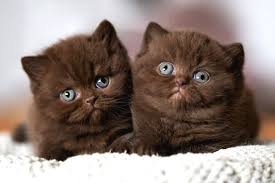
Bringing a new kitten into your home is an exciting and heartwarming experience, especially when that kitten is an adorable chocolate British Shorthair. Known for their striking appearance and charming personalities, these fluffy companions quickly become beloved members of the family. With their playful yet calm demeanor, British Shorthairs are not only affectionate but also easy to care for, making them an ideal choice for families and individuals alike. In this article, we will explore everything you need to know about chocolate British Shorthair kittens, from their unique traits and care requirements to tips for building a strong bond with your new furry friend.
Introduction to the British Shorthair Breed
British Shorthairs are not just a pretty face; they carry a rich history and a royal demeanor that makes them a favorite among cat lovers. Originally bred in the UK, these charming cats are known for their sturdy build, plush coats, and endearing personalities. Think of them as the cool, collected cats who always know how to liven up a dull room—without breaking a sweat.
History and Origins
The British Shorthair has roots that stretch back to ancient Rome, where they were set loose to control the rodent population (thank you, historic Roman catnip!). They’ve since evolved from tough, scrappy hunters into the affectionate, cuddly companions we adore today. Over the years, their robust physique and friendly disposition have made them a beloved breed in households around the world. While they might not wear crowns, British Shorthairs definitely bring a touch of regal charm to any home.
Distinctive Features
What truly sets the British Shorthair apart are its plush, dense coat and stunning round face—imagine a living teddy bear! Their large, round eyes often come in copper or gold, giving them a wise, all-knowing gaze. And let’s not forget their stocky build, chubby cheeks, and inviting demeanor. These cats are like the cuddly version of a bouncer at a cozy pub—ready to protect, yet so friendly you can’t help but want one in your lap.
The Charm of Chocolate Coloration
When it comes to British Shorthairs, chocolate isn’t just a treat; it’s a fabulous coat color that’s sure to melt hearts! The rich, warm hue of a chocolate British Shorthair makes them truly unique among their feline friends. They’re not just cats; they’re little living bars of delicious chocolate—minus the calories.
What Makes Chocolate British Shorthairs Unique
Chocolate British Shorthairs are a rarer find, which adds an extra dash of flair to their appeal. Their stunning coat boasts a velvety texture that looks good enough to eat (but please don’t!). This beautiful color is the result of a specific gene that gives them that alluring chocolate brown shade. With their rare coloring and charming personality, these kittens are sure to stand out—and make you the envy of all your friends.
Caring for Their Beautiful Coat
Caring for a chocolate British Shorthair’s coat is like tending to a fine piece of art; you want to keep it looking magnificent! Regular grooming is key to maintaining their plush fur. Brush them weekly to keep their coat shiny and free of tangles, and don’t forget the occasional bath if they manage to get themselves into a sticky situation (or just want to show you how much fun a puddle can be). A little love and attention will keep that chocolate coat looking fabulous!
Personality Traits of British Shorthairs
When it comes to personality, British Shorthairs are the complete package: playful, affectionate, and just a touch regal. They have a knack for knowing when you need a cuddle and when it’s time to entertain themselves with a good old-fashioned catnap.
Playful Yet Calm Temperament
British Shorthairs are the ideal blend of playfulness and calm. They enjoy a lively game of chase with a toy mouse but are equally content to lounge around like a tiny, fluffy couch potato. Their laid-back nature makes them excellent companions for both busy families and solitary souls alike. Plus, they can keep you company while you binge-watch that new series—without spoiling any plot twists!
Social Interaction and Compatibility
These furry charmers are known for their social butterflies—well, social cats! They get along famously with children, other pets, and even the occasional houseplant (though we can’t guarantee they won’t try to “play” with it). Their friendly disposition makes them adaptable to various living situations, so whether you live in a bustling household or a quiet apartment, a British Shorthair will thrive and bring joy to your life.
Care and Maintenance for Your Kitten
Bringing a British Shorthair kitten into your home is a joyous occasion, but it comes with responsibilities. Fear not; caring for your new furry friend is more fun than a cat video marathon!
Feeding and Nutrition
Feeding your British Shorthair kitten the right diet is crucial for their growth and health. A balanced diet of high-quality kitten food—preferably one that includes plenty of protein—will help them grow into the robust cats they’re destined to be. Just remember, they can be food enthusiasts, so portion control is essential! Treats are fine, but only as long as they don’t start plotting their own cooking show.
Grooming Essentials
Though British Shorthairs are relatively low maintenance, grooming still plays a vital role in their care. Regular brushing helps minimize shedding and keeps their coat looking spectacular. Make sure to check their ears, teeth, and nails periodically, too—because who wouldn’t want their royal fluff to look and feel their best? With a little bit of love and regular grooming, your kitten will be ready to strut their stuff like the true royalty they are!
Preparing Your Home for a New Kitten
Creating a Safe Environment
Before your adorable chocolate British Shorthair arrives, it’s essential to kitten-proof your home. Think of it as a mini renovation project—except this one won’t require a contractor. Start by removing any toxic plants, securing loose wires, and stashing away small items that could be potential choking hazards. Consider investing in a few baby gates if you want to keep your furball out of mischief in certain rooms (or to protect your collection of rare ceramic frogs—sorry, they just won’t understand).
Essential Supplies to Have Ready
Time to stock up on all the goodies your British Shorthair will need! You’ll want to grab a litter box (or two, because sharing is overrated in the kitten world), high-quality cat food tailored for kittens, food and water dishes (preferably stainless steel, nothing fancy—this isn’t a Michelin-star restaurant), and comfy bedding for those much-needed nap times. Don’t forget some engaging toys to keep them entertained, because a bored kitten equals a potential mini tornado in your living room.
Training Tips for Your British Shorthair
Basic Commands and Litter Training
Training your kitten can be an adventure filled with cuteness and a sprinkle of chaos. Start with basic commands like “come” and “sit.” Use treats for positive reinforcement—this is basically bribery, but we’ll call it encouragement! As for litter training, British Shorthairs are generally pretty good at it. Just show them the litter box and let their instincts kick in. If they miss the mark, don’t fret; just gently guide them back to their designated bathroom.
Encouraging Positive Behavior
Kittens thrive on praise like plants thrive on sunlight. If your little furball uses the scratching post instead of your new couch, shower them with affection and maybe even a treat (because positive reinforcement is the name of the game). If they engage in less-than-desirable behavior, redirect them to a toy instead of scolding them. Remember, they’re still learning the ropes of your home sweet home!
Health Considerations and Vet Visits
Common Health Issues in British Shorthairs
British Shorthairs are relatively healthy, but like everyone, they have their quirks. Be aware of possible health issues such as hypertrophic cardiomyopathy (say that three times fast), respiratory problems, and obesity. Regular check-ups will help catch any potential issues before they become a concern—think of your vet as your kitten’s personal trainer, monitoring their health and fitness goals!
Vaccination and Preventative Care
Start your new family member on the right foot (or paw) with their vaccinations. Kittens typically need a series of shots to protect them from diseases like rabies and feline distemper. Fairy godmothers don’t exist for pets, so regular vet visits for preventative care will ensure your furry friend leads a long and happy life. Talk to your vet about flea control and spaying or neutering, and voilà—your little one is set for a healthy future!
Building a Lasting Bond with Your New Furry Friend
Understanding Kitten Behavior
Getting to know your kitten’s behavior is like learning a new language—feline-ese, if you will. They may exhibit a delightful mix of curiosity, playfulness, and the occasional sudden zoom around the house. Understanding their body language (like those adorable slow blinks) will help you connect and ensure you’re on the same page. Remember, patience is key; they were living in a different world just a few days ago!
Activities to Strengthen Your Connection
Bonding time is essential! Engage in interactive play sessions with feather toys or laser pointers to keep them entertained and active. They’ll appreciate the exercise, and it will keep your heart warmed with all that cuteness. Cuddle sessions are also a must, and don’t forget to incorporate some gentle grooming. This not only helps you bond but also keeps your kitten’s coat in tip-top shape. Plus, who doesn’t love a little kitten snuggle time?Welcoming a chocolate British Shorthair kitten into your home is a rewarding journey filled with love, joy, and companionship. By understanding their unique traits, providing proper care, and investing time in training and bonding, you can ensure a happy and fulfilling life together. Remember, the key to a strong relationship with your new furry family member lies in patience, affection, and understanding. With the right approach, your chocolate British Shorthair will thrive and bring endless happiness to your household.
Frequently Asked Questions
1. How much exercise does a British Shorthair kitten need?
British Shorthair kittens are playful and energetic, requiring regular playtime to keep them stimulated. Aim for at least 15-30 minutes of active play each day to help them burn off energy and stay healthy.
2. Are British Shorthairs good with children and other pets?
Yes, British Shorthairs are known for their gentle and friendly nature, making them great companions for children and other pets. They typically adapt well to family life and enjoy social interactions.
3. What should I feed my chocolate British Shorthair kitten?
A high-quality kitten food that is rich in protein and essential nutrients is recommended for your chocolate British Shorthair. Consult your veterinarian for specific recommendations based on your kitten’s age and health.
4. How often should I take my kitten to the vet?
Kittens should have their first veterinary visit as soon as you bring them home, followed by vaccinations and wellness check-ups every 3-4 weeks until they are about 16 weeks old. Regular annual check-ups are important for their ongoing health.