
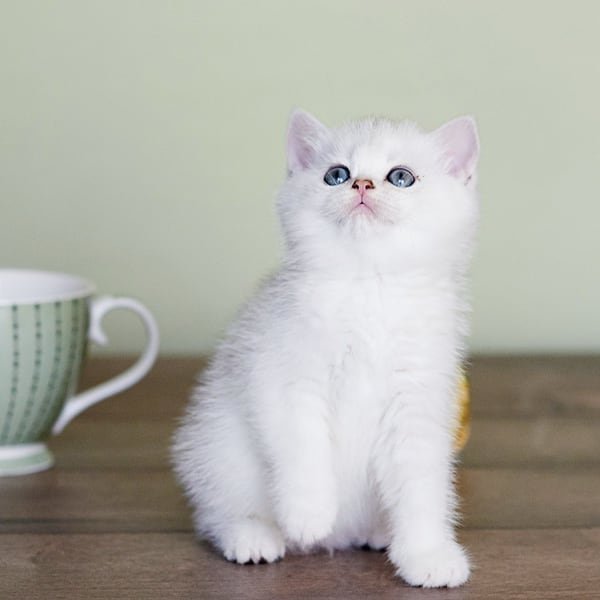
The White British Shorthair is a charming and adaptable breed that has captured the hearts of pet lovers across the globe, making it an increasingly popular choice for American families. Known for their striking appearance, affectionate nature, and easygoing temperament, these cats offer a unique combination of companionship and low-maintenance care. In this article, we will explore the various reasons why White British Shorthairs make ideal pets for Americans, from their health benefits and grooming needs to their compatibility with different lifestyles and family dynamics. Whether you’re a first-time cat owner or looking to expand your furry family, understanding the qualities of this delightful breed will help you make an informed decision.
Overview of the British Shorthair Breed
History and Origins
The British Shorthair cat is basically the royalty of felines, with a lineage that stretches back to ancient Rome where they frolicked in the streets (well, maybe more like lounged in the sun). They were bred for their robust physique, making them excellent mousers. Fast forward a few centuries, and breeders started honing in on their charming, plump features and dense coats, leading to the adorable British Shorthair we know today. These cats have a deep-seated history, making them a unique breed that carries a little bit of British charm in every purr.
Physical Characteristics of the White British Shorthair
The White British Shorthair is like the snowman of the cat world—plump, plush, and undeniably cute. With a round face, large eyes, and sturdy build, they exude a timeless appeal. Their short, thick fur is soft as a cloud, and in the case of the white variation, shines bright like a diamond (or a freshly bleached winter wonderland). These cats typically have a stocky frame, big rounded paws, and a bushy tail, making them look like a living, breathing teddy bear. They might not be able to hug you back, but they sure can steal your heart!
Temperament and Behavior Traits
Friendly and Affectionate Nature
White British Shorthairs are like the warm hug from a best friend you didn’t know you needed. They’re known for their friendly demeanor, often developing strong bonds with their humans. Expect plenty of cuddles, gentle nudges, and a few headbutts; it’s their way of saying, “I’m here, and I love you!” They thrive on companionship, making them perfect for families with lots of love to give.
Playfulness and Energy Levels
These cats are known for their playful spirit, but they’re not exactly hyperactive. Picture them as the mellow friend who enjoys a good play session but is just as happy to lounge around afterward. They enjoy interactive toys, laser pointers, and the occasional spirited chase of a feather. Unlike a toddler on a sugar high, they know when to chill out—perfect for the laid-back lifestyle of many Americans.
Independence and Adaptability
White British Shorthairs may be affectionate, but they also possess a delightful sense of independence. They are perfectly happy to entertain themselves with a cozy nap or an existential pondering (those kitty deep thoughts). Thanks to their adaptable nature, they fit seamlessly into different environments, from bustling families to quiet single-person homes. They’ve essentially mastered the art of being both a loving companion and a solo superstar!
Health Benefits of Owning a White British Shorthair
Common Health Issues and Prevention
Like any pet, keeping an eye out for health issues is a must. White British Shorthairs can be prone to certain conditions, such as hypertrophic cardiomyopathy (a heart condition) and obesity (because who can resist a treat?). Regular vet visits and a balanced diet can keep your charming companion happy and healthy, which, let’s face it, is what every pet parent wants!
Longevity and Lifespan Considerations
British Shorthairs generally enjoy a long life, ranging between 12 to 20 years, depending on their care. With their knack for balancing affection and independence, these cats not only provide years of joy but also become a cherished part of the family over time. Treat them well, and you might just find the perfect sidekick for almost two decades!
Adaptability to American Lifestyles
Suitable Living Environments
Whether you live in a sprawling suburban house or a cozy apartment, the White British Shorthair adjusts like a pro. They don’t need a mansion or a private garden; just a comfy spot by the window and a mountain of catnip will do. Their calm nature makes them ideal for many living situations, as they can find joy in most settings.
Compatibility with Children and Other Pets
Kids and other pets? No problem! White British Shorthairs often get along well with children, tolerating playful antics with grace and patience. They can also coexist with other pets, adapting their social skills to fit in—even with the most eccentric furry housemates. It’s like having a furry diplomat in the family—signing treaties with tail wags and gentle purrs!
Grooming and Maintenance Needs
Brushing and Coat Care
White British Shorthairs boast plush, dense coats that can make them look like fluffy clouds (the kind you want to snuggle, not the ominous storm kind). Regular brushing is essential to keep their fur in tip-top shape and minimize shedding. Aim for a gentle brush once a week; it’ll help prevent matting and keep that luxurious coat shiny. If you’re feeling ambitious, a little extra brushing during shedding seasons can work wonders. Plus, it’s an excellent excuse to bond with your feline friend.
Feeding and Nutrition Guidelines
Feeding your White British Shorthair is not unlike dating—choose the right match, and you’ll both thrive. A high-quality, protein-rich cat food is key, ideally tailored for their life stage (kitten, adult, or senior). Keep an eye on portion sizes to avoid turning your adorable kitty into a plump potato. Also, don’t forget fresh water—stay hydrated, folks! Regular vet check-ups can help ensure their diet is spot on and they remain the picture of health.
Comparison with Other Popular Breeds
British Shorthair vs. American Shorthair
Picture a classic British detective: cool, composed, and just a bit aloof. That’s your British Shorthair. Now, imagine a laid-back American surfer dude—enter the American Shorthair. Both breeds are fantastic, but they differ in temperament. The British Shorthair is a bit more reserved and dignified, while the American Shorthair is playful and more sociable. If you’re looking for a cat that will appreciate personal space while still being affectionate, the British Shorthair is your best bet!
White British Shorthair vs. Other Color Variants
While all British Shorthairs have their charm, the White British Shorthair often turns heads with its stunning, snow-white coat. The color isn’t just pretty; it can also highlight their big, expressive eyes, making them seem even more regal. Other color variants like blue, cream, and tabby might be equally adorable, but nothing screams “cuddle me” quite like that fluffy white ball of joy. Plus, if you’re into the “diva” aesthetic, the White British Shorthair is like the celebrity of the cat world—ready for their close-up at all times!
Training and Socialization Tips
Basic Commands and Tricks
Training a White British Shorthair is like teaching a toddler how to tie their shoes—charming but requires patience. Start with simple commands like “sit” and “high five” using treats as motivation. Keep sessions short and fun; nobody wants a bored cat. With a bit of consistency and praise, you’ll have your kitty impressing guests in no time. Remember, every cat has its own personality, so if your fluffy buddy seems more interested in napping than learning, that’s perfectly fine too!
Effective Socialization Strategies
Socialization for your White British Shorthair is all about introducing them to new experiences at their own pace. Start with family members and gradually introduce visitors. Make sure to reward your furry friend with treats and praise for positive interactions, creating a safe space for them to explore. Don’t rush it—allow your cat to approach new situations like a brave little explorer. With time, they’ll be a well-adjusted member of the family, ready to mingle at your next get-together (or at least lounge nearby while judging everyone).
Why White British Shorthairs Are a Family-Friendly Choice
Emotionally Supportive Companionship
A White British Shorthair isn’t just a cat; they’re like a soft, silent therapist who never runs out of cuddles. Their calm demeanor makes them ideal companions, especially for kids and adults alike. Whether it’s snuggling with a child during storytime or providing a comforting presence during a tough day, these cats have a knack for sensing emotions and offering purrs of support. They’re there to lend an ear (or a paw) when you need it most.
Engagement in Family Activities
These kitties love to be part of the family action! Whether you’re playing a game, watching TV, or just hanging out, a White British Shorthair is the purrfect addition to your family dynamic. They’re curious by nature and may even join in on family activities—think of them as the furry family member who can’t resist being the center of attention. Plus, their playful side ensures that there’s never a dull moment, keeping everyone engaged and entertained!In conclusion, White British Shorthairs are not only visually stunning but also make excellent companions for American households. Their friendly demeanor, adaptability, and low grooming requirements make them a perfect fit for a variety of lifestyles. Whether you’re looking for a playful addition to your family or a calm presence in your home, this breed offers the qualities that pet owners cherish.
FAQs
What is the average lifespan of a White British Shorthair?
The average lifespan of a White British Shorthair is typically between 12 to 15 years, although with proper care, some may live even longer.
Are White British Shorthairs good with children and other pets?
Yes, White British Shorthairs are known for their gentle and friendly nature, making them great companions for children and other pets when properly socialized.
How much grooming do White British Shorthairs require?
White British Shorthairs have a dense coat that requires regular brushing, ideally once a week, to reduce shedding and maintain coat health.
Do White British Shorthairs have any specific health issues?
While generally healthy, White British Shorthairs can be prone to certain conditions like hypertrophic cardiomyopathy (HCM) and obesity, so regular veterinary check-ups are important.