
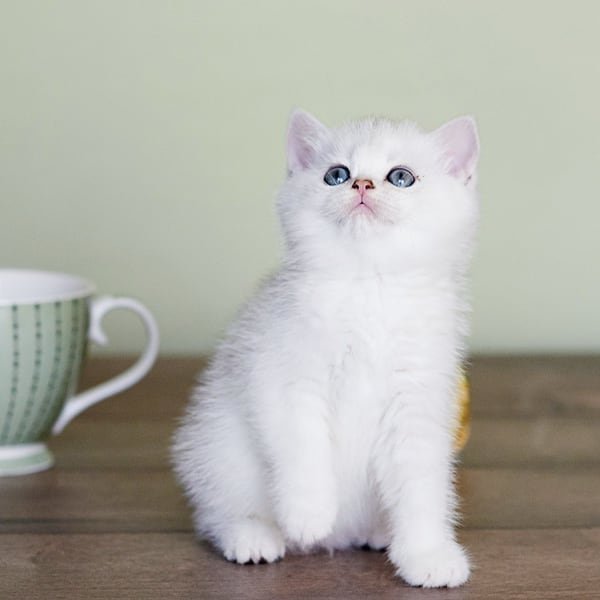
If you’re looking for a delightful addition to your family, look no further than the charming White British Shorthair kittens. Known for their stunning appearance and affectionate nature, these kittens embody a perfect blend of cuteness and companionship. With their plush, white coats and captivating round faces, they are sure to steal your heart at first sight. In this article, we’ll explore the unique characteristics that make this breed so special, provide essential care tips, and guide you in preparing your home for a new furry friend. Get ready for a journey into the adorable world of White British Shorthair kittens and the joy they can bring to your life!
Introduction to White British Shorthair Kittens
Overview of the Breed
The White British Shorthair is a stunningly adorable breed known for its plush coat, round face, and expressive eyes that can melt even the iciest of hearts. With their stocky build and charming demeanor, these kittens are not just cute but are also as cuddly as a cloud made of marshmallows. While they enjoy a good snuggle, they are also independent enough to entertain themselves, making them the perfect companion for both busy professionals and cozy cuddle enthusiasts alike.
Historical Background
The history of the British Shorthair is as rich as a warm cup of tea. This breed traces its roots back to ancient Rome, where cats were used to control pests. Over the centuries, they evolved into the beautiful, sturdy companions we know today. The striking white variety emerged later, capturing hearts with its stunning looks and friendly personality. If these kittens could talk, they’d probably tell you they were royalty in their past lives!
Characteristics of the Breed
Physical Traits
White British Shorthair kittens are like little puffs of cotton candy. They boast a broad, muscular structure, short legs, and a lovely round face that looks like it’s just waiting for a kiss. Their dense, plush coat, which is pure white, adds to their soft and cuddly appearance. With large, expressive eyes—often copper or blue—they can communicate everything from “I’m hungry” to “Let’s play!” with just a single glance.
Temperament and Behavior
These kittens are often described as easygoing, affectionate, and just a tad quirky. They possess a balanced mix of playful energy and relaxed vibes, making them perfect for families with kids or other pets. British Shorthairs are not the clingy type; they cherish their independence and will happily entertain themselves. However, they still adore attention and will reward your affection with headbutts and purring that feels like a warm hug.
Grooming Needs
Grooming a White British Shorthair is a piece of cake—or should we say, a piece of catnip? Their short, thick fur requires minimal grooming, but a regular brush helps to keep their coat sleek and reduces shedding. Plus, it’s a fantastic excuse for extra cuddle time! Also, don’t forget to check those claws and ears—keeping your kitty looking sharp is part of the deal.
The Appeal of White British Shorthair Kittens
Cuteness Factor
Let’s not beat around the bush: these kittens are absurdly cute. With their round faces, chubby cheeks, and fluffy tails, they could be the stars of any cat meme. Just one glance at their tiny paws and plush bodies is enough to send anyone into a cuteness-induced swoon. It’s scientifically impossible to resist their charm!
Companionship and Family Fit
White British Shorthairs are like the good friend we all wish we had—always there for you, but not in an overwhelming way. They fit seamlessly into family life, adapting well to various environments, whether it’s a bustling household or a quiet apartment. Their gentle nature makes them a great fit for families with children, and they often become beloved members of the family faster than you can say “feline royalty.”
Popularity in the Pet Community
In the vast world of pet appreciation, the White British Shorthair has claimed its throne. Their good looks and charming temperament have made them a popular choice among cat lovers worldwide. From Instagram to cat shows, these kittens are turning heads and winning hearts everywhere they go. It’s no surprise they’re one of the most sought-after breeds—who wouldn’t want a fluffy little friend like this?
Caring for Your White British Shorthair
Feeding and Nutrition
Feeding your White British Shorthair is akin to hosting a fancy dinner party—what you serve matters! Opt for high-quality cat food that meets their nutritional needs, focusing on a balanced diet rich in protein. Remember, these kittens have a tendency to pack on the pounds, so portion control is key unless you fancy a hefty little kitty. Always keep fresh water available; hydration is important for their health and will help them feel their best.
Exercise and Playtime
While they might not be Olympic athletes, your White British Shorthair still needs regular playtime to keep those little paws active. Engage them with toys—think feather wands and laser pointers—or even a good old-fashioned cardboard box for hours of feline fun. Not only does playtime keep them fit, but it also strengthens your bond. Plus, watching them sprint around is sure to trigger some giggles!
Socialization Tips
Socializing your White British Shorthair kitten is crucial to their development, so don’t skimp on the cuddle sessions and playdates! Introduce them to new experiences, people, and pets gradually to build confidence. Positive reinforcement—like treats and praise—will help them associate new encounters with good vibes. Before you know it, you’ll have a well-rounded kitty that’s ready to charm anyone who crosses their path.
Health Considerations and Common Issues
Genetic Predispositions
While White British Shorthairs are generally a robust breed, they do come with a few genetic predispositions to keep an eye on. These adorable fluff balls can be prone to hypertrophic cardiomyopathy (HCM), a heart condition that can be a bit alarming for pet parents. Regular check-ups can help catch any potential issues early on, so don’t skip that vet appointment— it’s crucial for their health (and for your peace of mind!).
Routine Veterinary Care
Just like you wouldn’t skip your annual doctor’s visit (we hope), your kitten will need a regular check-up schedule, too. Expect the vet to recommend vaccinations, deworming, and regular dental cleanings. Don’t forget about spaying or neutering—your kitten will thank you later when they’re not busy plotting a feline takeover of your living room.
Signs of Illness to Watch For
Keep an eye on your little furball for any unusual behavior. Is Fluffy suddenly antisocial or lethargic? Are they skipping meals like they’re on a diet? Watch for vomiting, diarrhea, or excessive grooming—these can be signs that something might be amiss. If you notice any red flags, don’t hesitate to reach out to your vet, because no one wants to play “guess what’s wrong with the kitty” at home.
Finding a Reputable Breeder
What to Look For
When searching for a breeder, you want someone who is as passionate about the breed as you are about cuteness overload. Look for breeders who prioritize health and temperament over just profit. A reputable breeder should be breeding for quality, not quantity, and they should have a clean, safe environment for their kitties. Bonus points if they’re willing to let you meet the kitten’s parents—get ready for some serious cuteness!
Questions to Ask Breeders
Don’t be shy when it comes to grilling your potential breeder. Ask about health clearances and any genetic testing they perform. Inquire about how they socialize their kittens—kittens raised with love and attention tend to be more well-adjusted. And don’t forget to ask about their return policy. If life throws you a curveball, it’s good to know that your kitten can go back to the breeder instead of joining the circus.
Understanding Adoption vs. Purchasing
While purchasing from a breeder can result in a purebred cutie, don’t overlook the option of adoption! Shelters and rescues often have British Shorthairs (and their adorable mixes) looking for forever homes. The adoption route can save a life and is often filled with just as many cuddles and purrs. Weigh your options, consider your lifestyle, and choose what’s best for you and your future fur baby.
Preparing Your Home for a New Kitten
Creating a Safe Space
Before your new kitten bursts onto the scene like a tiny, furry tornado, you need to create a safe and comfy space for them. Set up a designated area with a cozy bed, scratching post, and, of course, toys—lots of toys. Ensure any hazardous items (like cords, chemicals, and your favorite houseplants) are out of paw’s reach. You don’t want your new roommate to become an accidental acrobat!
Essential Supplies
You’ll need a checklist longer than your grocery list, but fear not! The essentials include a litter box, food and water dishes, and high-quality kitten food—because they deserve the best, right? Also, stock up on a carrier for vet visits, grooming tools, and interactive toys to keep them entertained and healthy. An empty box is also a must—because who are we kidding; that’s the real treasure!
Introducing Your Kitten to Other Pets
When introducing your new kitten to existing pets, patience is key. Give them a sniff test and let them adjust at their own pace—no need to force a meet-and-greet that resembles a soap opera plot. Start by keeping them separated and gradually allow them to explore one another’s spaces. Treats and praise are your best friends here, encouraging a warm welcome rather than an air of “What did you bring into my domain?”
The Joys of Owning a White British Shorthair
Unconditional Love and Affection
Brace yourself for an avalanche of cuddles and purrs! White British Shorthairs are known to be affectionate companions, often snuggling up to you like they’ve claimed your lap as their new throne. The bond you’ll develop with your fluffy companion will be filled with love, laughter, and the occasional cat sass—because what’s life without a little attitude?
Memorable Moments and Experiences
Every day with your British Shorthair will bring its own unique chapter of hilarity, from their playful antics to the way they orchestrate their daily naps. Get ready to capture everything on camera, as they will undoubtedly achieve viral stardom with their adorable quirks. Keep a scrapbook handy, because you’re going to want to look back on these memories that’ll make you smile for years to come.
Long-Term Commitment and Responsibility
Now, let’s get serious for a moment: owning a kitten is a long-term commitment that comes with both joy and responsibility. Your new furry friend will rely on you for everything, including food, vet care, and the occasional chin scratch. Remember, this is a relationship that flourishes over time, so buckle up for the journey and enjoy the ride—you’re in for a lifetime of love and laughter! In conclusion, welcoming a White British Shorthair kitten into your home can be one of the most rewarding experiences you’ll ever have. Their playful personalities and loving nature will undoubtedly bring joy and warmth to your family. By understanding their needs and providing a nurturing environment, you can ensure a happy and healthy life for your new furry companion. Embrace the cuteness overload and enjoy the many adventures that await with your adorable White British Shorthair!
Frequently Asked Questions
1. How much do White British Shorthair kittens typically cost?
The price of White British Shorthair kittens can vary significantly based on factors such as breeder reputation, lineage, and location, but you can expect to pay anywhere from $800 to $2,500.
2. Are White British Shorthair kittens good with children and other pets?
Yes, White British Shorthairs are known for their friendly and gentle temperament, making them great companions for children and other pets when properly socialized.
3. How often should I groom my White British Shorthair kitten?
Due to their dense coats, White British Shorthairs should be brushed at least once a week to prevent matting and reduce shedding.
4. What kind of diet is best for a White British Shorthair kitten?
A high-quality, balanced diet formulated for kittens is ideal, as it provides the necessary nutrients for their growth and development. It’s best to consult with a veterinarian for specific dietary recommendations.