
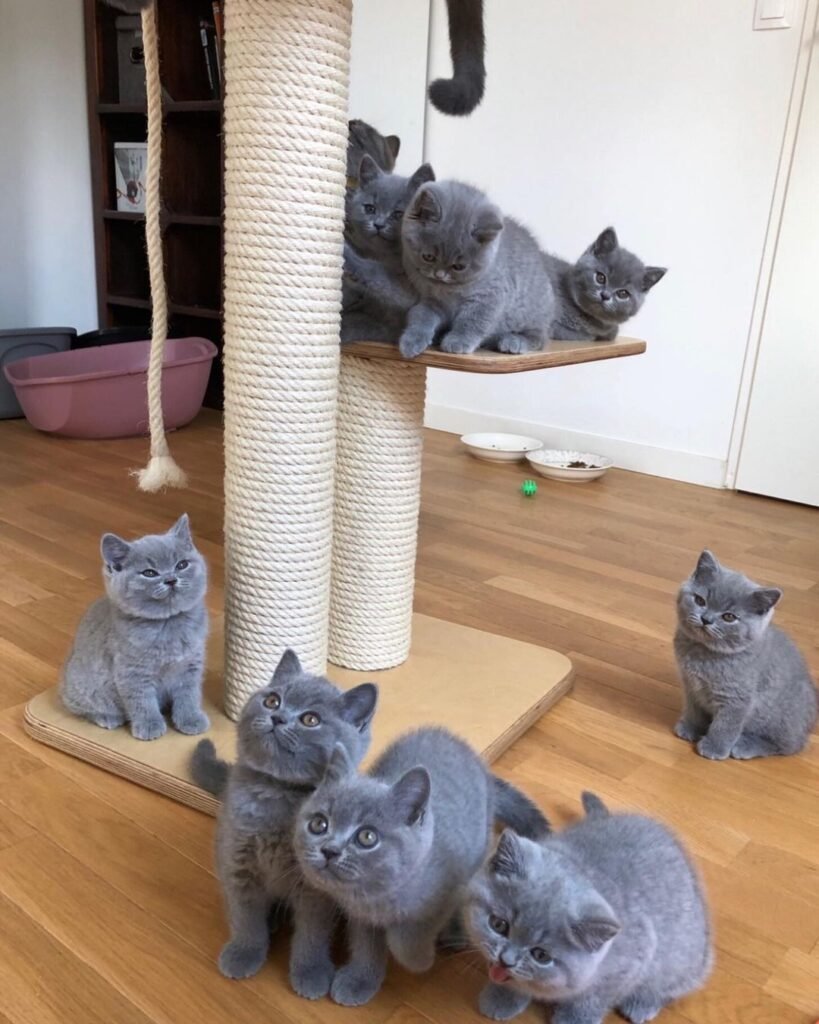
In recent years, the British Shorthair cat has captured the hearts of pet enthusiasts across the United States, emerging as one of the most sought-after feline companions. Renowned for their striking features, plush coats, and dignified demeanor, these cats are not only a symbol of elegance but also embody the charm of royalty. As their popularity continues to soar, many potential cat owners are drawn to their unique characteristics and affectionate nature, making them a favorite choice for families and individuals alike. This article will explore the allure of British Shorthairs, tracing their fascinating history, distinctive traits, and the reasons behind their meteoric rise in the American pet scene.
The Allure of British Shorthairs: A Royal Breed
Visual Appeal and Distinct Features
When it comes to feline fashion, British Shorthairs are the trendsetters of the cat world. With their plush, dense coats and round faces, they look like they’ve just stepped out of a cat-themed fairy tale. Those big, captivating eyes can range from copper to a stunning blue, making it nearly impossible to look away. Plus, their stocky build and broad shoulders give them that regal presence that screams “I am royalty, and you will bow to me.” Honestly, it’s like they were designed specifically for Instagram, with a jawline that most humans can only dream about!
Why They’re Considered a Status Symbol
Owning a British Shorthair isn’t just a pet ownership choice; it’s a statement. These cats have been associated with sophistication and luxury for centuries, making them the equivalent of a designer handbag in the cat world. Think of them as the feline divas who have their own fan club. Their unique charm and dispassionate demeanor can make even the most mundane home feel like a palace. It’s no wonder that cat lovers in the know see these plush companions as the ultimate status symbol. After all, who wouldn’t want to be seen with a “purr-fectly” poised British Shorthair by their side?
History and Origins of the British Shorthair
Early Beginnings in Britain
The British Shorthair has quite the storied past, tracing its roots back to ancient Rome. These sturdy cats were originally bred for their hunting prowess, keeping the rat population in check while lounging like champs. They were revered for their resilience and ability to adapt to the British climate—definitely not the type to turn up their nose at a little drizzle. In fact, they were so popular that they caught the eye of the aristocracy, quickly becoming the go-to companions for the well-to-do (and here we thought they were just good at napping).
The Influence of Victorian Cat Shows
Fast forward to the 19th century, when cats got their big break at Victorian cat shows. Suddenly, the British Shorthair was strutting its stuff under the spotlights, stealing hearts and winning ribbons left and right. Breeders began to refine and officially recognize the breed, focusing on those signature traits we adore today. Thanks to these glamorous exhibitions, British Shorthairs went from beloved pets to the poster children of feline elegance. Who knew cat shows could be so dramatic?
Characteristics That Make British Shorthairs Unique
Physical Traits and Appearance
Let’s talk about the looks—because if you walk into a room with a British Shorthair, you’re going to get noticed. Their plush, “teddy bear” appearance could make anyone want to cuddle them instantly. With rounded faces, stout bodies, and thick tails, they resemble cuter versions of bulldogs—always endearing, never intimidating. And those short, sturdy legs? Perfect for making a bold entrance— or just lounging on the couch, you know, same difference.
Color Varieties and Patterns
Diversity is the spice of life, and British Shorthairs come in a delightful array of colors and patterns. From the classic blue (that’s a fancy way of saying gray) to striking cream, chocolate, and even tabby varieties, there’s a British Shorthair to fit every aesthetic. Each cat is like a furry work of art, with their unique coat patterns adding an extra layer of charm. Think of them as tiny canvases, each with their own masterpiece, ready to turn your home into an artisanal gallery of feline elegance.
The Rise in Popularity of British Shorthairs in the US
Trends in Cat Adoption and Ownership
As more people have embraced pet ownership, it’s no surprise that British Shorthairs have found their way into the hearts (and homes) of many Americans. Trends have shown a significant uptick in the adoption of these charming cats, likely due to their easy-going nature and adaptability to busy lifestyles. They’re the perfect blend of low-maintenance and high-reward, making them a top choice for first-time cat owners and seasoned feline aficionados alike. Plus, who can resist those adorable faces in adoption ads? It’s basically purr-suasive marketing!
Celebrity Influences and Social Media
Let’s face it—celebrities have a way of making things go viral, and British Shorthairs are no exception. Social media is flooded with posts of these fluffy cuties, as influencers and A-listers showcase their regal companions. With hashtags like #BritishShorthair and #CatsofInstagram taking over feeds, it’s hard to scroll past without falling in love. The combination of their stunning looks and playful personalities makes them instant stars, proving that in the world of pets, British Shorthairs are the “it” breed who effortlessly steal the spotlight!
Owning a British Shorthair: Care and Maintenance Tips
Feeding and Nutrition Needs
British Shorthairs are like those friends who can eat anything and still look fabulous! However, they thrive best on a well-balanced diet tailored to their unique needs. A high-quality cat food with plenty of protein is a must; think chicken, turkey, or fish as the main ingredients. Since these cats tend to be on the stocky side, portion control is crucial to prevent them from turning into furry little bowling balls. Consult your vet for specific feeding guidelines based on their age, weight, and activity level, and remember—no sneaking treats from the dinner table!
Grooming and Health Considerations
Grooming a British Shorthair is like giving a fluffy cloud a spa day. Their dense, plush coats do require regular brushing—aim for at least once a week to keep it looking pristine and to minimize shedding. Regular brushing also helps combat hairballs, because nobody wants a surprise regurgitated gift on the rug. As for health, be on the lookout for common issues like obesity and heart conditions, and don’t skip those annual vet visits. Your feline friend may look regal, but they need your love and attention to stay healthy!
Understanding the Temperament of British Shorthairs
Personality Traits and Behavior
If British Shorthairs were celebrities, they’d be the charming yet introverted stars who enjoy their own company but still have an adorable fanbase. Known for their calm demeanor, these cats are affectionate without being clingy. They love to lounge around and observe the world from their comfy spots (preferably at the highest point in the room). Playful when the mood strikes, they will often engage in short bursts of activity, followed by lengthy naps—much like us after a big meal!
Socialization with Other Pets and Humans
These posh kitties are generally very sociable, making them great companions for other pets and humans alike. While they might give off a “I’m too cool for you” vibe, British Shorthairs often warm up quickly and enjoy interactive playtime, especially if it involves a laser pointer or feather toy. They’re known for their tolerance, which is especially handy if you have kids or other pets. However, introducing a new friend—human or animal—should be done gradually; give them the royal treatment they deserve!
Where to Find and Adopt British Shorthairs in the US
Reputable Breeders vs. Shelters
When hunting for your new feline companion, you might be torn between breeders and shelters. Reputable breeders can provide thorough lineage details, health guarantees, and a steady supply of whiskered cuteness. Just make sure they follow ethical practices and prioritize the welfare of the cats. On the flip side, shelters are teeming with loving cats waiting for their forever homes. Adopting from a rescue not only gives a kitty another chance but can also lead to finding a total gem—sometimes even a purebred if you’re lucky!
Considerations When Adopting
Before you dive headfirst into cat ownership, consider a few things to avoid any royal mishaps. Ensure you’re ready for the commitment—British Shorthairs can live well into their teens, so it’s a long-term relationship! Assess your living situation and whether it’s cat-friendly. Also, check your budget; between food, litter, vet visits, and cute toys, costs can add up. Finally, be prepared to shower your new kitty with love and attention—after all, they didn’t come here to be ignored!
The Future of British Shorthairs in American Households
Predicted Trends in Cat Ownership
As people continue to embrace the joys of feline companionship, British Shorthairs are poised to reign supreme in American households. Their charming looks and delightful personalities make them a top choice for those seeking a laid-back pet. Trends suggest that as more folks realize the benefits of cat ownership—like reducing stress and providing companionship—demand for these regal fluffballs will only increase. Who wouldn’t want a little royalty lounging on their couch?
The Impact of British Shorthairs on Popular Culture
British Shorthairs are not just pets; they’re becoming icons in popular culture! With their round faces and plush bodies, they’ve graced social media, appeared in viral memes, and even made cameos in movies. As more people fall in love with these adorable cats, we can expect to see them influencing fashion, design, and perhaps even pet food trends. So, buckle up! The British Shorthair takeover has just begun, and it’s about to get fabulously fluffy!As the British Shorthair continues to win over hearts and homes across the United States, it’s clear that this regal breed has found a special place in the lives of many cat lovers. With their charming personalities and low-maintenance care, British Shorthairs offer companionship that is both rewarding and enjoyable.
FAQ
What is the average lifespan of a British Shorthair?
The average lifespan of a British Shorthair is typically between 12 to 20 years, provided they receive proper care and regular veterinary check-ups.
Are British Shorthairs hypoallergenic?
While no cat is completely hypoallergenic, British Shorthairs are known to produce fewer allergens compared to some other breeds, making them a better option for allergy sufferers.
How much exercise do British Shorthairs need?
British Shorthairs are relatively low-energy cats and do not require extensive exercise. However, they benefit from daily playtime and mental stimulation to keep them healthy and engaged.
What kind of diet is best for a British Shorthair?
A high-quality, well-balanced diet is essential for British Shorthairs. It’s important to choose a cat food that is appropriate for their age, weight, and activity level, and to consult with a veterinarian for specific dietary recommendations.