
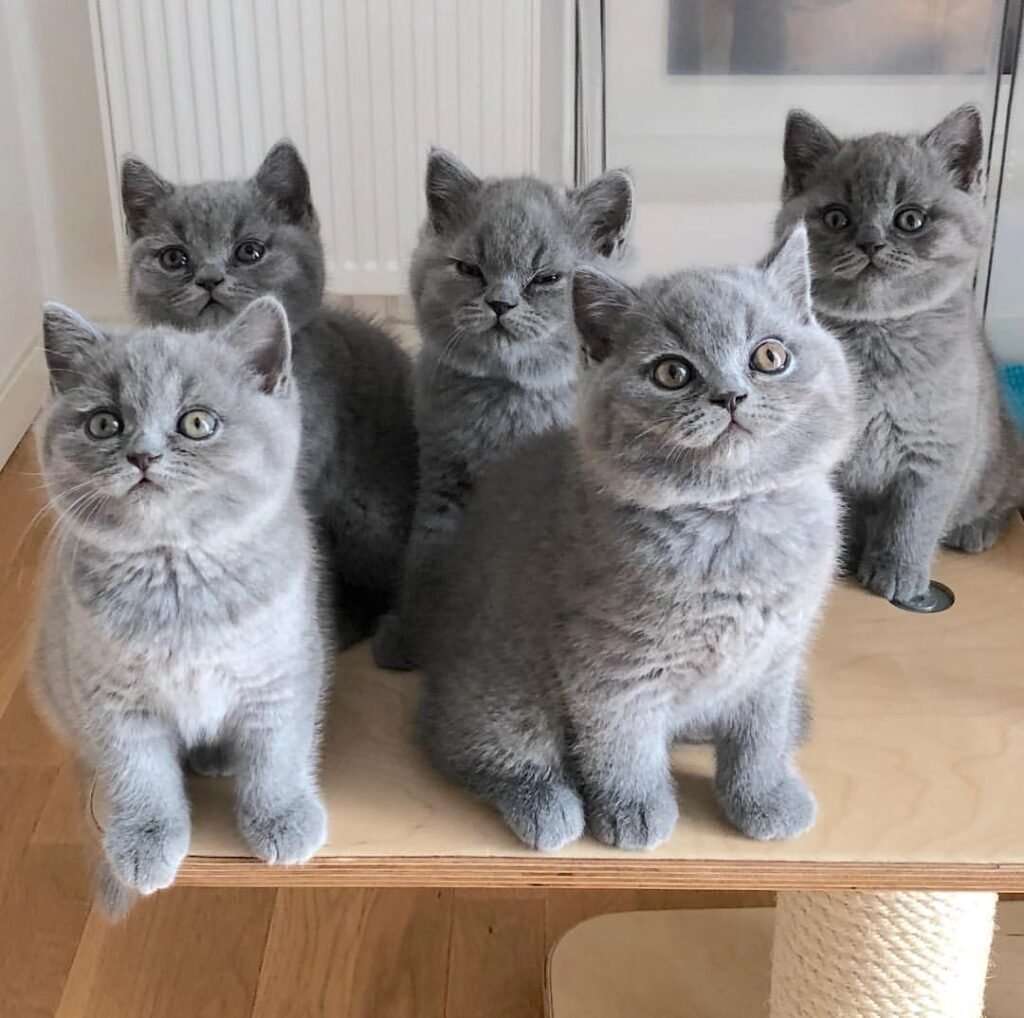
British Shorthair cats are known for their robust build, charming personalities, and distinctive round faces, making them one of the most popular cat breeds in the United States. As potential owners consider welcoming one of these affectionate felines into their homes, it’s essential to understand the associated costs and the importance of finding a reputable breeder. This article will explore the financial aspects of owning a British Shorthair, outline key factors that influence their price, and provide guidance on how to identify trustworthy breeders. Whether you’re contemplating adoption or purchasing, being informed will help ensure you make the best decision for both you and your future furry companion.
Overview of British Shorthair Cats
History and Origin
British Shorthair cats have a lineage as rich and diverse as a good cuppa. Originating from domestic cats in Rome, they’ve since become a cherished breed in the UK. After the Romans brought them over, they swiftly adapted, managing to charm their way into homes and hearts. By the late 19th century, their popularity soared, leading to their recognition as a distinct breed. They’ve even strutted their stuff in literature and pop culture—think of the tubby feline in “Alice in Wonderland”!
Physical Characteristics
With their round faces, dense coats, and stocky builds, British Shorthairs are the teddy bears of the cat world. They can weigh anywhere from 9 to 18 pounds, depending on how many treats they’ve swiped from the kitchen counter. Their plush, short fur comes in a stunning array of colors and patterns, though the classic blue (grey) is the breed’s hallmark. Those big, round eyes? They’re practically begging for chin scratches.
Temperament and Personality Traits
The British Shorthair is like that dependable friend who’s always up for a cuddle but knows when to step back. They’re typically calm, easygoing, and quite sociable, making them perfect couch companions. While they enjoy playtime (especially if there’s a laser pointer involved), they also appreciate their alone time—ideal for the busy cat parent! Their affectionate but not overly clingy demeanor means they can thrive in busy households or as solo stars.
Understanding the Costs of Owning a British Shorthair
Initial Purchase Price
Brace yourself: bringing home a British Shorthair isn’t a small investment. Prices can range from $1,500 to $3,000, depending on factors like pedigree and breeder reputation. If you’re picturing a good old-fashioned cat rescue, you might want to reconsider—these fluffballs are usually sought after by enthusiasts willing to pay premium prices for a quality feline!
Recurring Expenses
Once you’ve secured your fluffy friend, the costs keep rolling in. Food, litter, veterinary care (don’t forget those annual check-ups), and pet insurance can easily add up to $500-$1,200 per year. Just be prepared for the potential of spoiled treats—because let’s be honest, can you really say no to those pleading eyes?
Unexpected Costs
Ah, the joys of pet ownership! From surprise vet visits (thanks, mysterious cough) to the occasional destruction of your favorite couch (we’re looking at you, Fluffy!), unexpected costs can sneak up on you. It’s wise to budget an extra few hundred dollars annually for those “just in case” moments—because we all know life has a way of tossing curveballs when you least expect it.
Factors Influencing British Shorthair Prices
Lineage and Pedigree
Just like how you’d pay more for a designer handbag, the lineage of a British Shorthair can significantly impact its price. Cats with champion bloodlines and show-worthy traits come with a heftier tag, while those with less distinguished ancestry are usually more affordable. Remember: a cat’s pedigree isn’t just for show; it can also affect their overall health and temperament.
Geographic Location
Where you live can play a sneaky role in the total cost of acquiring a British Shorthair. Breeders in metropolitan areas may charge more, while those in less populated regions might have more competitive prices. Of course, if you’re in a cat-loving city, you might find a wider selection of reputable breeders—so it’s worth weighing the options before making that long drive (or flight) home.
Age and Availability
Kittens are charming, but they also come with a price tag. Younger British Shorthairs will likely hit your wallet harder than their older counterparts. Additionally, the time of year can impact availability and pricing—spring and summer often see a surge in litters. If you’re flexible on age, consider adopting an older cat; you might just snag a deal on a seasoned lap warmer.
How to Identify Reputable Breeders
Researching Breeder Credentials
Do your homework before handing over your hard-earned cash! Look for breeders who are members of recognized cat breeding associations and have credentials that speak to their expertise. A little internet sleuthing goes a long way—check reviews, ask for referrals, and don’t shy away from reaching out to fellow cat enthusiasts for recommendations.
Evaluating Breeder Facilities
The conditions in which kitties are raised speak volumes about a breeder’s ethics. A reputable breeder will provide a clean, safe environment for their cats, along with plenty of space to roam and play. If the facilities look more like a cat prison than a cozy home, it’s time to walk away—and fast. After all, you want a happy, healthy cat, not one with a bad case of the grumps.
Understanding Ethical Breeding Practices
Ethical breeders prioritize the health and temperament of their cats over profit. They conduct health screenings and don’t overbreed their felines. Ask questions about the breeding process, the cat’s lineage, and any health screenings. If a breeder dances around your inquiries or seems more interested in cashing a check than ensuring a good home, it’s time to keep looking. Your future feline friend deserves the best!
Questions to Ask When Choosing a Breeder
Health Screening and Genetic Testing
Before you get starry-eyed over those adorable blue eyes, make sure to ask the breeder about health screenings and genetic testing. Responsible breeders should provide evidence of tests for genetic diseases common in British Shorthairs, such as hypertrophic cardiomyopathy (HCM) and skeletal issues. Ask for certificates and don’t be shy—if they seem evasive, it might be time to hit the road (or the internet) in search of a more transparent breeder.
Socialization and Early Care
A well-adjusted kitty is a happy kitty! Inquire about how the breeder socializes their kittens. Have they been exposed to various sounds, people, and maybe even a friendly dog or two? The first few weeks of a cat’s life are crucial for their development, so it’s essential that they’ve had positive interactions. If the breeder rolls their eyes at this question, it’s a red flag!
Return Policies and Support
Things happen—trust us, no one is immune to late-night “what was I thinking” moments. When choosing a breeder, ask about their return policy. A good breeder should have a solid policy in place that reassures you (and the cat) that you’re not stuck in a bad situation. Additionally, inquire about support after adoption. Will they be available for questions, or should you seek a psychic for guidance?
Adoption vs. Purchasing: What You Need to Know
Benefits of Adoption
Adopting a cat is like finding a treasure chest filled with joy and love (and maybe a few cat toys). When you adopt, not only are you providing a home to a deserving cat, but you’re also often saving a life. Plus, adoption fees are usually lower than purchasing from breeders, and many shelters will ensure your new furry friend is spayed/neutered and vaccinated. Who doesn’t love a good bargain along with a cuddle?
Considerations for Purchasing from Breeders
While adoption is fantastic, sometimes you have your heart set on a specific breed—like the charming British Shorthair. When considering purchasing from breeders, just remember that it can be quite the investment, ranging from a couple of hundred to several thousand dollars. You also want a reputable breeder who prioritizes the health and well-being of their cats. Be prepared to ask lots of questions and maybe fill out an application—it’s like the world’s least exhilarating dating profile.
Finding Reputable Rescue Organizations
If you’re leaning towards adoption, savvy searching for reputable rescue organizations is key. Look for groups that specialize in breed-specific rescues to find a British Shorthair in need of a loving home. Online reviews, social media presence, and word-of-mouth recommendations can be invaluable. Remember, rescuing doesn’t mean you’re settling; you’re making a purr-fect choice!
Health Considerations and Care Costs
Common Health Issues in British Shorthairs
British Shorthairs are sturdy little nuggets, but they aren’t without their quirks. Be aware of common health issues, such as heart disease, obesity, and joint problems. Regular vet check-ups can catch these issues early, spurring you to become a cat parent detective. Just think of it as your new side gig—Inspector Whiskers on the case!
Veterinary Care and Preventative Measures
Vet visits aren’t just an obligatory trip; they’re essential to keeping your furry friend happy and healthy. Budget for annual check-ups, vaccinations, flea prevention, and any unexpected mishaps (like a pesky hairball). Preventative measures, such as good dental hygiene and regular exercise, will save you bucks in the long run, so you can splurge on fancy cat toys instead.
Nutrition and Diet Costs
Feeding your British Shorthair might just be the biggest expense you’ll encounter, aside from cat furniture acquisition (because we all know those scratchers cost an arm and a leg). High-quality cat food is essential for their health. Look for a balanced diet that caters to their nutritional needs, and don’t forget treats—because a well-fed kitty is a happy kitty, ready to grace your home with cuddles.
Tips for Bringing Your British Shorthair Home
Preparing Your Home Environment
Before your new feline overlord arrives, prepare your home for their royal debut. Cat-proof your space by ensuring that toxic plants, small objects, and anything that could be a potential hazard are out of paw’s reach. And don’t forget the essentials: a comfy bed, litter box, scratching post, and an array of toys—because boredom isn’t in their vocabulary.
Introducing Your Cat to Family Members
Introducing your British Shorthair to family members requires the finesse of a diplomatic envoy. Allow the cat to explore at their own pace, and encourage gentle interactions. Keep the initial meetings calm and casual—think warm greetings, not a surprise dance party. Remember, patience is key; everyone must adapt to the new family dynamic.
Establishing a Routine and Safe Space
Cats thrive on routine, so help your British Shorthair settle in by establishing a consistent feeding and play schedule. Create a “safe space” where they can retreat if they feel overwhelmed. This cozy nook could be a quiet room with their bed and litter box. Once they feel secure, you’ll enjoy the full range of their personality—quirky antics included!In conclusion, bringing a British Shorthair cat into your home can be a rewarding experience filled with companionship and joy. By understanding the costs involved and taking the time to find a reputable breeder, you can ensure a healthy and happy start for your new feline friend. Whether you choose to adopt or purchase, prioritizing the well-being of your cat will lead to a fulfilling relationship that lasts for years to come. With proper care and love, your British Shorthair will undoubtedly become a cherished member of your family.
FAQ
What is the average cost of a British Shorthair cat in the US?
The average price for a British Shorthair cat in the US typically ranges from $1,500 to $3,000, depending on factors such as lineage, location, and breeder reputation.
How can I identify a reputable British Shorthair breeder?
A reputable breeder will provide health screening documentation, allow you to visit their facilities, and offer a written contract. Look for breeders who are active in cat shows and breed associations.
Are there any common health issues associated with British Shorthairs?
Yes, British Shorthairs can be prone to certain health issues, including hypertrophic cardiomyopathy (HCM) and obesity. Regular veterinary check-ups and a balanced diet are essential for their health.
Is it better to adopt a British Shorthair or buy from a breeder?
Both options have their advantages. Adopting can save a life and often comes with lower costs, while purchasing from a breeder may provide a clearer lineage and health background. Consider your lifestyle and preferences when making a decision.