
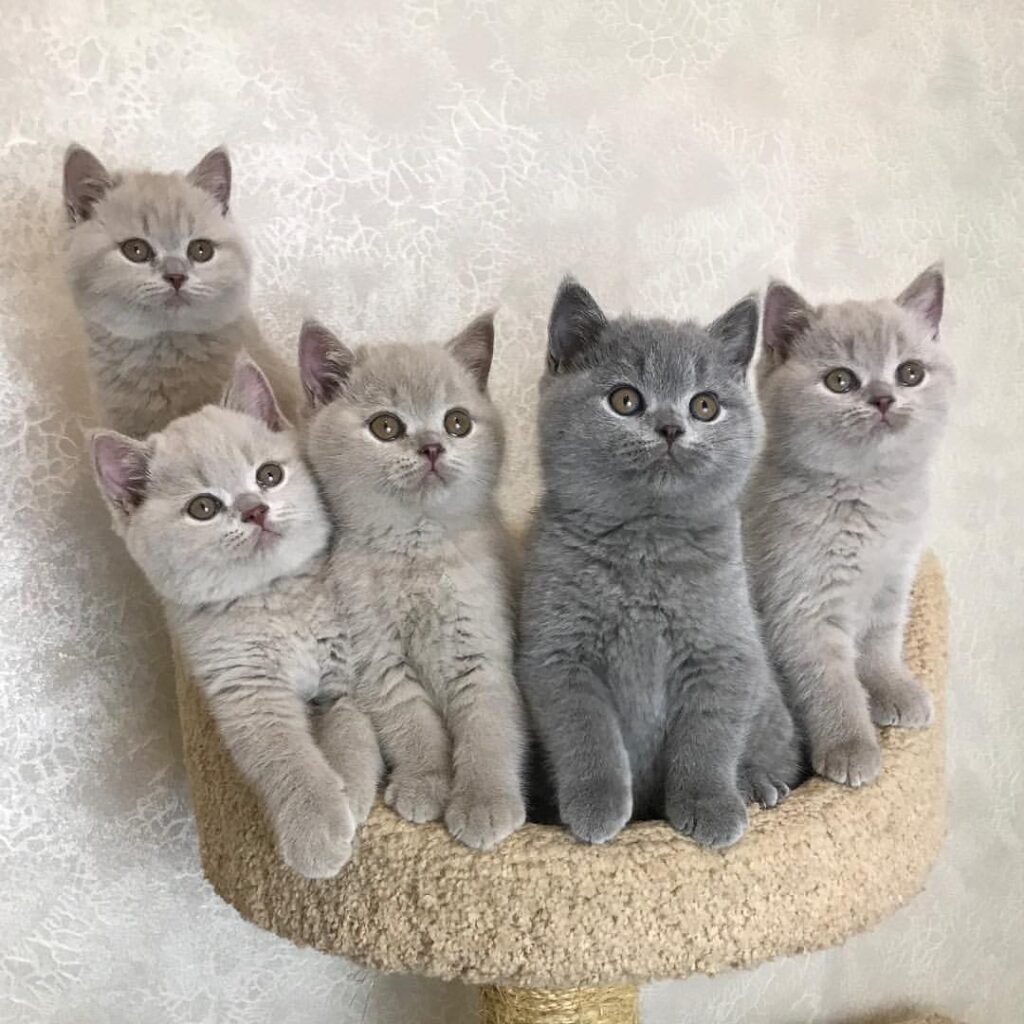
Choosing the right pet can be a rewarding yet challenging decision, particularly for those looking for a companion that perfectly fits their lifestyle. Among the myriad of cat breeds available, the British Shorthair stands out as an exceptional choice for many potential pet owners. Known for their distinctive appearance, gentle temperament, and adaptability, these cats offer a unique combination of personality and charm. In this article, we will explore the top five reasons why a British Shorthair could be the ideal addition to your home, helping you make an informed decision about your next furry friend.
1. Physical Characteristics and Appearance
1.1 Distinctive Features
The British Shorthair is like the rockstar of the cat world—the kind that grabs attention without even trying. With its round face, chubby cheeks, and big, expressive eyes, this feline can melt hearts faster than you can say “purring machine.” Their stocky build and dense, plush coat give them an almost teddy bear-like appearance, making them the perfect cuddle buddy when you require some serious comfort food for the soul.
1.2 Color Variations
One of the most delightful aspects of British Shorthairs is their stunning color palette. From the classic blue-gray that resembles a cloud on a good day to tortoiseshell, lilac, and even color-point variations that look like they just stepped off a fashion runway. These cats come in a smorgasbord of shades, meaning there’s practically a British Shorthair for every aesthetic—making it hard to resist that adorable furry face!
1.3 Size and Build
This breed is built like a tank—strong, sturdy, and oh-so-huggable. Adult British Shorthairs typically weigh between 9 to 18 pounds, depending on their gender and diet (yes, they do love their treats). Their muscular physique and dense bone structure give them a solid look, making them the feline equivalent of a bouncer at a nightclub—ready to keep you safe while offering all the charm and cuddles your heart desires.
2. Temperament and Personality Traits
2.1 Affectionate Nature
Don’t let their grumpy face fool you; British Shorthairs often have a heart of gold. They are known for their affectionate nature, forming strong bonds with their humans. While they aren’t the clingiest of cats, they enjoy being around you—whether it’s lounging next to you on the couch or following you around like an adorable little shadow. Prepare for endless head rubs and purrs of contentment!
2.2 Playfulness and Energy Levels
When it comes to playtime, British Shorthairs have the energy of a toddler on a sugar rush, but they also know when it’s time to chill. They love engaging in interactive play, chasing after feather toys or pouncing on a laser dot like it’s their job (which, let’s be honest, it totally is). They can entertain themselves, but they appreciate a good play session with their human—balance is key!
2.3 Independence and Loyalty
British Shorthairs are like that cool friend who gives you space yet is always there when you need them. They value their independence and won’t demand constant attention, but they’ll be loyal companions when you’re working at home or binge-watching your latest Netflix obsession. Their blend of independence and loyalty makes them great for those who enjoy a low-key yet loving pet relationship.
3. Low Maintenance Grooming Needs
3.1 Coat Care and Shedding
With their plush coats, you might expect a high-maintenance diva, but the British Shorthair is surprisingly low-key when it comes to grooming. While they do shed—especially during seasonal changes—regular brushing can keep your home fur-free and your kitty looking fabulous. A quick brush now and then is all it takes to keep their coat healthy and shiny while also saving your favorite couch from becoming a fur sofa.
3.2 Bathing and Grooming Frequency
Bathing a British Shorthair is akin to giving a cat a spa day they didn’t ask for. Luckily, their self-cleaning abilities mean you won’t need to bathe them often, if at all. A simple brush every week or two should keep them in tip-top shape, allowing you to save those long baths for your own pampering sessions instead.
3.3 Nail Clipping and Dental Care
Nail clipping and dental care are the least glamorous parts of pet ownership, but fear not! British Shorthairs are generally pretty cooperative regarding their claws. Regular nail trimming can become a bonding experience, and dental hygiene—a must for overall health—can be managed easily with treats and toys designed for kitty dental care. Your future British Shorthair will appreciate your efforts and reward you with snuggles!
4. Adaptability to Various Living Environments
4.1 Suitable for Apartments vs. Houses
Whether you’re living in a cozy apartment or a spacious house, a British Shorthair will fit right in. They adapt seamlessly to different environments, preferring a nice sunny spot to lounge in over having their own kingdom of cat trees. Just make sure they have enough space to stretch out and play, and you’ll have a happy kitty regardless of your dwelling.
4.2 Adjustment to Different Lifestyles
From busy professionals to laid-back retirees, the British Shorthair can adapt to your lifestyle like a purring chameleon. If you’re out and about, they will keep themselves entertained and won’t throw a tantrum. When you’re home, they’ll be ready to relax with you like the ultimate chill partner—never judging your choices in snacks or TV shows.
4.3 Compatibility with Urban Living
Urban living? No problem! British Shorthairs are well-suited for city life, often unbothered by the hustle and bustle around them. They can thrive in apartment settings but do enjoy a good view—so a sunny windowsill is a must. Just ensure they get some playtime and mental stimulation, and they’ll be perfectly content as a little urbanite, soaking in the city vibes from the comfort of your cozy abode.
5. Health and Longevity Considerations
5.1 Common Health Issues
British Shorthairs are typically healthy cats, but they can be prone to certain conditions like hypertrophic cardiomyopathy (HCM), which is a fancy way of saying their heart can get a bit too muscular. Additionally, they may experience obesity due to their love for food, so keeping an eye on their diet and exercise is essential. Regular monitoring can help catch any potential health issues before they become serious—after all, nobody likes a surprise trip to the vet!
5.2 Lifespan Expectations
With a little TLC, British Shorthairs can live well into their teens, often reaching 15 years or more. Some climbers of the feline food chain have been known to stretch that even further—perhaps even plotting to take over the world one laser pointer at a time! A healthy lifestyle, including a balanced diet and plenty of play, can ensure your furry friend is around for many years of companionship.
5.3 Importance of Regular Vet Check-ups
Just like we need our annual physicals (ugh!), British Shorthairs benefit from regular vet visits to keep their health in check. These check-ups can catch any lurking issues and ensure your cat is in purr-fect shape. Plus, it’s a great excuse to stock up on catnip and toys as a reward for your brave little buddy!
6. Compatibility with Families and Other Pets
6.1 Interaction with Children
British Shorthairs are known for their calm demeanor, making them excellent companions for kids. They’re generally patient and tolerant, which means they often take the rough-and-tumble play from little ones in stride. Just be sure to teach your child how to handle their feline friend gently—after all, a cat’s tolerance has its limits, and we don’t want a game of tag turning into a game of “run away from the cat!”
6.2 Socialization with Other Animals
These cats are usually sociable creatures, often getting along with other pets, including dogs who know how to respect their boundaries. They have a natural curiosity that can lead to playful interactions with other animals in the household. Just remember, introducing a new pet should be done slowly to avoid any feline drama—nobody wants a cat staring daggers at the new puppy!
6.3 Behavioral Traits in Multi-Pet Households
In a busy home brimming with life, British Shorthairs tend to adapt well. They have a laid-back attitude, often following the lead of the other pets. However, they still enjoy their alone time, so it’s important to provide a cozy spot where they can retreat and recharge. A cat tree or a sunny window ledge is ideal for their royal lounging needs—after all, every house needs a king (or queen) on their throne!
7. Availability and Breeder Considerations
7.1 Finding Reputable Breeders
When looking for a British Shorthair, it’s crucial to pick a reputable breeder who prioritizes the health and well-being of their cats. Seek out breeders who adhere to ethical breeding practices and are transparent about their kittens’ health histories. Word-of-mouth from fellow cat lovers or checking breeder registries can be invaluable in your search. Just trust your instincts—if something feels off, it probably is.
7.2 Adoption Options and Shelters
If you’re on a mission to add a British Shorthair to your family but want to be a hero, consider adopting! Some shelters and rescue organizations have a few fabulous cats waiting for their forever homes. While they might be a bit harder to find than a garden gnome, with a little persistence, you might just snag your own furry treasure. Plus, you’ll be celebrating the unique character of a shelter cat!
7.3 Costs and Budgeting for a British Shorthair
Before you start your feline adventure, it’s essential to crunch some numbers. The initial cost of a British Shorthair can be on the pricier side—often ranging from $800 to $2,000. But wait, there’s more! Budget for ongoing care, such as high-quality food, regular vet check-ups, grooming, and of course, a plethora of toys (because you can never have too many!). A budget-savvy pet owner prepares for all the meows and mayhem!
8. Conclusion: Making the Right Choice for Your Lifestyle
8.1 Recap of Key Benefits
With their charming personalities, low-maintenance grooming, and compatibility with families, British Shorthairs have a lot to offer. They’re sturdy, affectionate companions who can adapt to various lifestyles, making them a great choice for many households. Plus, who can resist that adorable round face? Not me!
8.2 Final Thoughts on Pet Ownership
Owning a pet is a joyful journey, filled with love, laughter, and maybe a bit of fur on your favorite sweater. Before diving in, consider how a British Shorthair aligns with your lifestyle, routines, and expectations. Remember, it’s not just about the cat—it’s about creating a harmonious life together.
8.3 A Purr-fect Match Awaits!
At the end of the day, adopting a British Shorthair can be a rewarding experience. With their blend of playful charm and laid-back attitude, these cats may just become the trusty sidekicks you never knew you needed. So go ahead, open your heart and home—your future feline friend is waiting! In conclusion, the British Shorthair’s appealing characteristics make it a fantastic choice for a pet. With their striking looks, affectionate nature, and low-maintenance care, these cats can seamlessly fit into various lifestyles and family dynamics. By considering the reasons outlined in this article, you can confidently decide if a British Shorthair is the perfect companion for you. Ultimately, bringing one of these charming felines into your home can lead to years of joy and companionship.
Frequently Asked Questions
1. Are British Shorthairs good with children?
Yes, British Shorthairs are known for their gentle and patient nature, making them great companions for families with children. They tend to be tolerant and enjoy playful interactions.
2. How much grooming do British Shorthairs require?
British Shorthairs have a dense coat that requires minimal grooming. A weekly brushing is usually sufficient to keep their coat healthy and reduce shedding.
3. Do British Shorthairs have any common health issues?
While generally healthy, British Shorthairs can be prone to certain genetic conditions, such as hypertrophic cardiomyopathy (HCM). Regular veterinary check-ups can help monitor and manage any potential health concerns.
4. What is the average lifespan of a British Shorthair?
British Shorthairs typically have a lifespan of 12 to 20 years, depending on their overall health, care, and living conditions.