
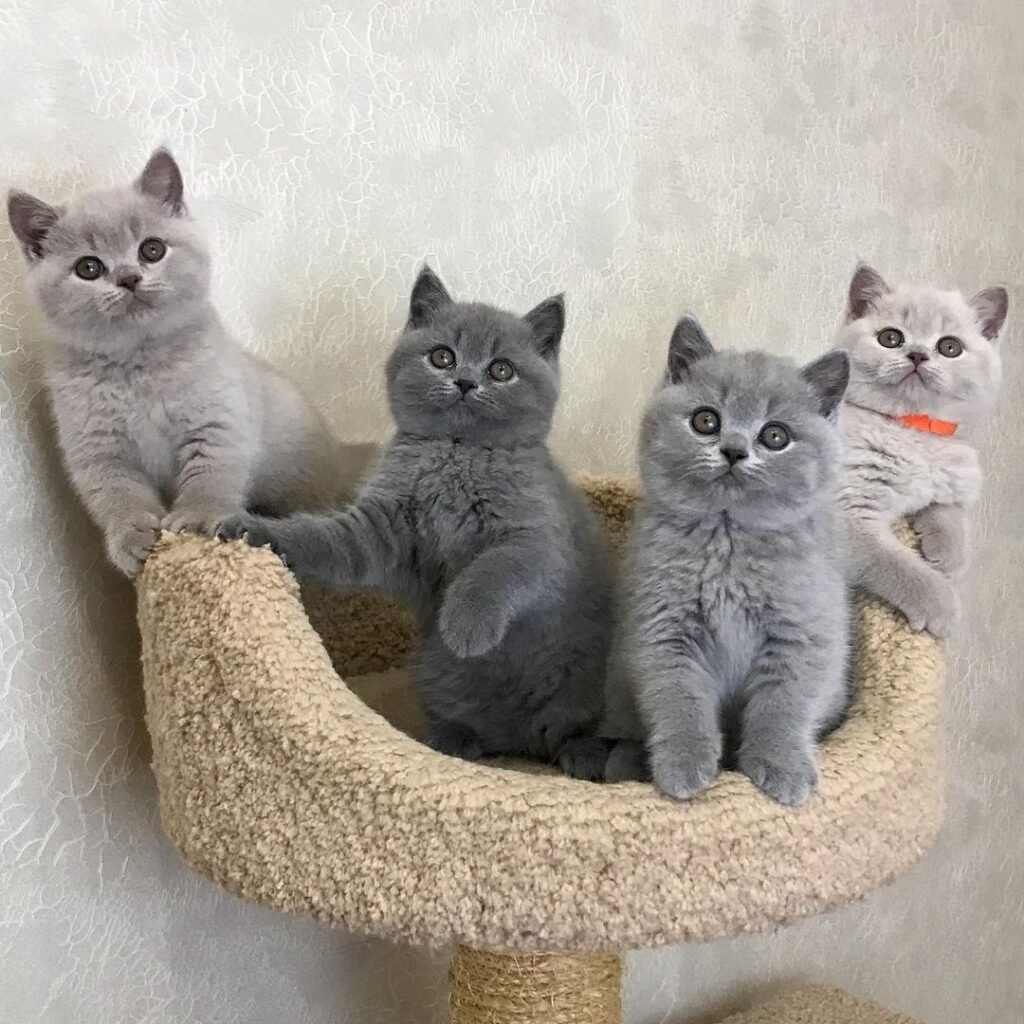
British Shorthairs have quickly risen to prominence as one of the most sought-after cat breeds worldwide, and for good reason. With their charming personalities, striking appearance, and unique characteristics, it’s no wonder that cat enthusiasts are drawn to them. Originating from the United Kingdom, these cats boast a rich history and a robust build that makes them not just appealing but also a great addition to various households. In this article, we will explore the many reasons behind their popularity, where to find them for sale, and essential tips for prospective owners to ensure a fulfilling companionship with these delightful felines.
The Allure of British Shorthairs: A Brief Overview
History and Origin
British Shorthairs have a rich history dating back to ancient Rome when they were bred to keep the rat population in check (truly the unsung heroes of their time). Over the decades, they’ve evolved into the cuddly companions we adore, thanks to their charming personalities and stunning looks. With roots deep in British culture, these charming felines were even featured in literature, including the famous Cheshire Cat from “Alice in Wonderland.”
Distinctive Appearance
When you think of a British Shorthair, imagine a round face, chubby cheeks, and a coat that’s softer than a cloud. They boast a stocky build, with a broad chest and sturdy legs—kind of like the bodybuilders of the cat world, but without the gym selfies. Their large, expressive eyes often come in shades of copper or blue, giving them a look that could melt even the iciest of hearts.
Unique Characteristics of British Shorthairs
Temperament and Personality
British Shorthairs are known for their easygoing demeanor. They’re the type of cat that would casually sip tea while watching the world go by. Friendly and sociable, they enjoy being around their humans without being overly clingy. Picture a laid-back companion who occasionally gives the “You may pet me now” look—it’s a perfect balance of affection and independence.
Physical Traits
These cats are not just a pretty face; they’re built like little tanks. Their stocky physique, dense bone structure, and broad heads make them look like they’ve just stepped off the pages of a feline fashion magazine. Plus, their plush coats give them a plush pillow vibe—seriously, you might just want to hug them.
Coat Colors and Patterns
One of the most delightful features of British Shorthairs is their variety of coat colors. From classic blue (which is basically a fancy name for grey) to cream, black, golden, and even rare tabby patterns, this breed covers the rainbow and then some. It’s like a buffet of colors for your eyes—there’s a perfect British Shorthair for everyone!
Why British Shorthairs Are So Popular
Their Affectionate Nature
If you’re looking for a snuggle buddy who will casually curl up next to you for hours, look no further. British Shorthairs have a knack for making their humans feel loved without being clingy. They enjoy attention but are also perfectly happy to settle down in their own little corner, so you can enjoy your peaceful Netflix binge.
Low Maintenance Requirements
Let’s be honest, we all love a cat that doesn’t require a full-time assistant. British Shorthairs are relatively low maintenance when it comes to grooming—just a weekly brush to keep those plush coats looking fabulous. They’re also not prone to a laundry list of health issues, making them even easier to care for. Less time worrying means more time cuddling!
Compatibility with Families and Other Pets
Whether you have kids, other cats, or even a dog that thinks it’s a cat, British Shorthairs are generally good with all. Their adaptable nature and sociable personality mean they can fit right in with almost any household dynamic. It’s like they were born with an innate ability to be the peacekeepers of the pet world.
Where to Find British Shorthairs for Sale
Reputable Breeders
If you’re ready to add a British Shorthair to your family, start by looking for reputable breeders. A good breeder will prioritize the health and temperament of their kittens, ensuring you get a furry friend who’s ready to roll. Don’t forget to ask questions; after all, you’re not just adopting a cat; you’re gaining a new family member!
Rescue Organizations and Shelters
Don’t underestimate the power of adoption! Many British Shorthairs end up in shelters or rescue organizations, waiting for their forever homes. By adopting, you not only give a deserving cat a loving family but also join the ranks of those fabulous people who believe in second chances. Plus, you might just find your perfect match!
Online Marketplaces
If you’re more of a digital shopper for your future feline companion, online marketplaces can be a good option. However, proceed with caution! Always do your research to ensure the seller is reputable and that the kittens are healthy and well-cared for. Because let’s face it, no one wants to end up with an online catfish situation.
Factors to Consider Before Purchasing a British Shorthair
Financial Commitment
Bringing a British Shorthair into your home is more than just an affectionate cuddle buddy—it’s also a significant financial investment. Expect to shell out anywhere from $1,500 to $3,000 for the initial purchase, depending on the breeder and pedigree. But that’s just the tip of the financial iceberg! Consider costs like vaccinations, routine vet check-ups, and quality food that will keep your furry friend as healthy as a horse (or a cat, in this case).
Space and Environment
British Shorthairs are famously laid-back and can adapt to apartment living or a spacious home. However, they do need space to roam and play. A tiny shoebox apartment may not provide the environment they deserve. Think about cat furniture, scratching posts, and cozy napping spots. Your new furry friend needs a kingdom to rule, so prepare your castle accordingly!
Time and Attention
These cats may not be needy lap warmers, but they definitely love their human companionship. British Shorthairs are social creatures who thrive on interaction and mental stimulation. Plan to spend quality time playing with them or simply chatting about the weather (because, let’s face it, that’s what Brits do best). If you’re often out of the house or can’t commit to regular playtime, you might want to reconsider this breed.
Caring for Your British Shorthair: Tips and Advice
Feeding and Nutrition
Feeding your British Shorthair is crucial because they love their food, and we all know what that means—a round kitty! Opt for high-quality cat food loaded with proteins and nutrients. Be mindful of portion sizes and schedule regular feeding times to keep your feline’s weight in check. No matter how persuasive they are with those adorable eyes, try not to give in to those begging antics!
Grooming Needs
British Shorthairs have plush, dense coats that are as soft as a cloud (seriously, you’ll want to pet them all day). While they’re not high-maintenance in the grooming department, a weekly brush will help keep shedding in check and prevent hairballs. Also, regular tooth brushing and nail trimming will keep them looking, and feeling, fabulous. Think of grooming as a spa day for your furry friend—who wouldn’t want that?
Exercise and Play
Even though they’re not hyperactive little tornadoes, British Shorthairs still need playtime to stay fit and mentally sharp. Engage them with interactive toys, laser pointers, or even a good ol’ cardboard box (seriously, cats love those). Regular exercise helps them maintain a healthy weight and can prevent boredom, giving you peace of mind—and a less destructive kitty!
Common Health Issues in British Shorthairs
Genetic Conditions
British Shorthairs are generally a robust breed, but they can be prone to certain genetic conditions such as hypertrophic cardiomyopathy (HCM), a heart disease that can be serious. Regular vet check-ups and monitoring can help catch any potential issues early on. It’s like having a personal health coach but cuter and with more fur.
Preventative Care
Staying ahead of health issues is essential. Regular veterinary visits, vaccinations, and a balanced diet are your best friends when it comes to ensuring your cat’s health. Think of it as a wellness plan for your furry soul mate—your British Shorthair will thank you with plenty of purrs and maybe a few laps around the living room.
The Cost of Owning a British Shorthair
Initial Purchase Price
As already mentioned, the road to cat ownership starts with a hefty price tag. Expect to pay between $1,500 and $3,000 depending on their background and breed quality. This initial investment is just the beginning—think of it as buying an exclusive concert ticket for the world’s cutest rockstar!
Ongoing Expenses
Beyond the initial purchase, the financial commitment continues with food, litter, routine vet check-ups, and toys. On average, you might spend around $1,000 a year to keep your furry friend happy and healthy. So, if you’ve ever thought of a cat as a cheap alternative to a dog, think again!
Insurance Considerations
Pet insurance could save you a lot of stress (and cash) down the line. Consider investing in a good policy that covers accidents and illnesses, especially since British Shorthairs can be prone to some genetic issues. It’s like having a safety net for your feline superstar, ensuring they get the best care when needed without breaking the bank!In conclusion, the British Shorthair is a wonderful breed that combines beauty, charm, and a loving temperament, making it a perfect companion for many households. Whether you’re drawn to their distinctive looks or their friendly nature, bringing a British Shorthair into your home can be a rewarding experience. By understanding their needs and finding a reputable source to adopt or purchase from, you can ensure a happy and healthy life for your new feline friend. With the right care and attention, your British Shorthair will undoubtedly become a cherished member of your family.
Frequently Asked Questions
1. Are British Shorthairs hypoallergenic?
While no cat is completely hypoallergenic, British Shorthairs are known to produce less Fel d 1 protein, which can reduce allergic reactions for some individuals.
2. How much exercise do British Shorthairs need?
British Shorthairs are relatively low-energy cats, but they still require regular playtime and mental stimulation to keep them healthy and happy.
3. Do British Shorthairs get along with children and other pets?
Yes, British Shorthairs are known for their gentle and adaptable nature, making them suitable companions for children and other pets when properly socialized.
4. What is the average lifespan of a British Shorthair?
With proper care, a British Shorthair can live between 12 to 20 years, depending on their overall health and living conditions.