
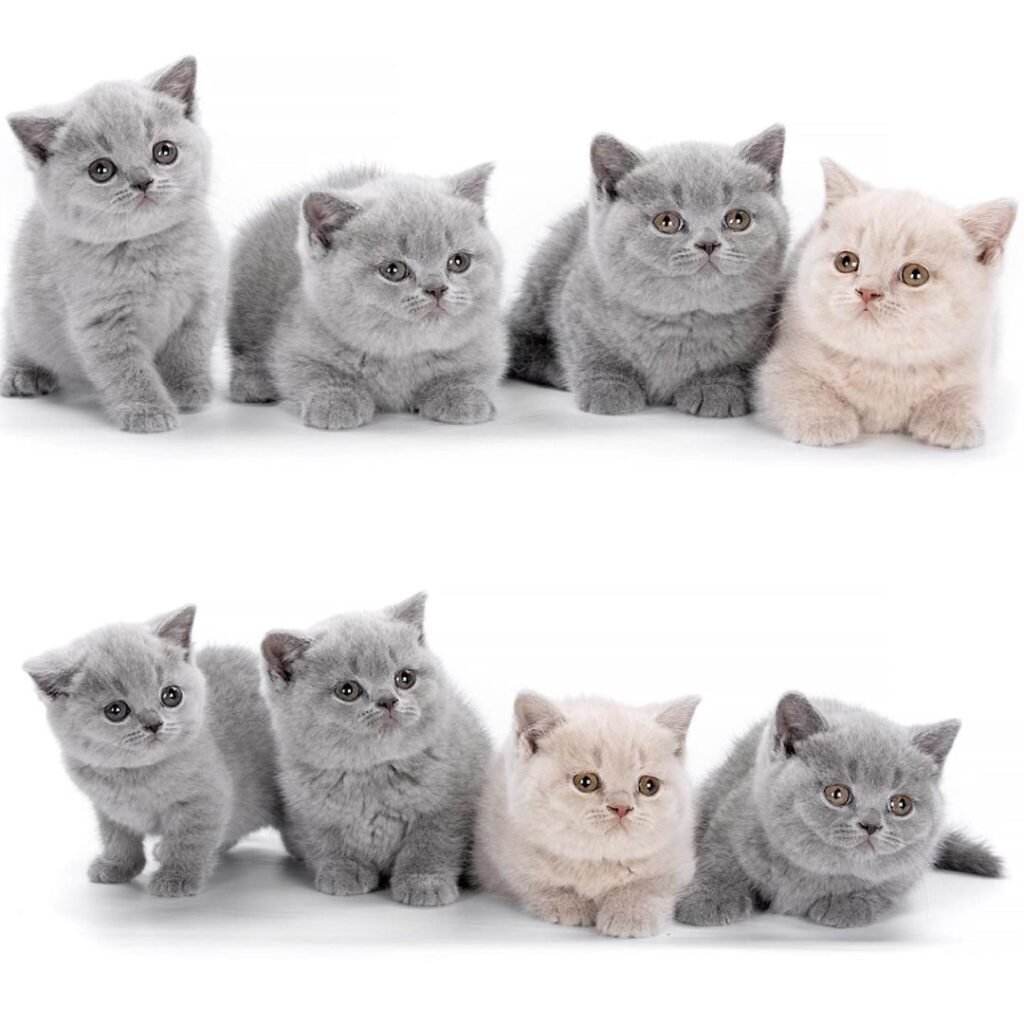
The British Shorthair cat, known for its robust build and charming personality, has captivated feline enthusiasts around the world. With a rich history dating back to ancient Rome, this breed is celebrated not only for its distinctive appearance but also for its affectionate and easygoing nature. As a potential cat owner, understanding the unique traits, care requirements, and overall needs of the British Shorthair is essential before making a commitment. This article will provide an in-depth look at important factors to consider, ensuring that you are well-equipped to welcome one of these delightful companions into your home.
Overview of the British Shorthair Breed
History and Origin
The British Shorthair boasts a history as rich as a cup of English tea. This breed’s roots can be traced back to ancient Rome, where they were valued for their ability to control rodent populations (yes, they were the original feline pest controllers). After the Romans left, these sturdy cats became a staple in British homes and farms. Their status skyrocketed in the late 19th century, earning them accolades in cat shows and love from cat enthusiasts across the UK. Today, they are often celebrated for their round faces and plush coats, embodying the quintessential “British cat” stereotype.
Recognized Breed Standards
The British Shorthair is like that well-dressed friend who always knows the dress code—smart yet effortlessly stylish. Breed standards typically highlight a robust, stocky build with a broad head, large round eyes, and tiny, tufted ears. Their coat is short, dense, and plush, giving them a teddy bear-like appearance that makes it hard to resist the urge to cuddle. Standards do allow for a variety of colors and patterns, from classic blue-gray to colorpoint and tabby, ensuring that every British Shorthair carries its own unique charm.
Physical Characteristics and Appearance
Size and Weight
British Shorthairs are like your sturdy friend who can outlast everyone at the buffet—solid and dependable. On average, males weigh between 9 to 17 pounds, while females tend to be slightly lighter, ranging from 7 to 12 pounds. Their stocky bodies and broad chests lend them an impressive presence, making them look even more adorable when they flop over for belly rubs.
Coat Colors and Patterns
Imagine a rainbow that has taken a cozy nap! The British Shorthair comes in a plethora of colors and patterns, including sleek blues, rich blacks, creamy whites, and even striking reds. You can also find them in tabby, bicolor, colorpoint, and more. This variety means that every British Shorthair is a unique, furry masterpiece, just waiting to be admired (and spoiled).
Distinctive Features
Their signature look includes a round face, chubby cheeks, and big, expressive eyes that can melt even the coldest of hearts. They have a short, thick neck and a compact body that gives them a solid, well-proportioned appearance. Add in those cute, stubby legs and you have a feline that’s as delightful to look at as it is to snuggle with.
Temperament and Personality Traits
Social Behavior and Interaction
British Shorthairs are the social butterflies of the cat world—if social butterflies were also affectionate yet independent. They enjoy spending time with their humans but don’t demand constant attention. Their laid-back, easygoing personality makes them great companions for families, singles, and seniors alike. They relish playtime, especially with interactive toys, but also appreciate quiet moments to lounge around and observe their kingdom (a.k.a. your living room).
Intelligence and Trainability
These cats are no dummies; they’re as clever as they are charming. British Shorthairs can pick up tricks and commands fairly easily, especially when treats are involved (isn’t that true for everyone?). However, don’t expect them to follow you around like a dog; they prefer to do their own thing, yet they’ll be delighted to join in on any training session if you keep it engaging and fun.
Health Considerations and Lifespan
Common Health Issues
While British Shorthairs are generally robust, they can have a few health quirks that potential owners should be aware of. Common issues include hypertrophic cardiomyopathy (HCM)—a fancy term for heart problems—and obesity, especially in less active cats. Regular vet check-ups can help catch these issues early, keeping your furry friend healthy and bouncy.
Preventative Care and Regular Check-ups
Prevention is the name of the game! Keeping up with your British Shorthair’s vaccinations, dental care, and regular vet visits can help nip health issues in the bud. A balanced diet and playtime are equally crucial in maintaining their health, especially since they can be prone to lounging (and maybe just a touch of laziness).
Expected Lifespan
With a bit of love and care, British Shorthairs can live a long, happy life—typically around 12 to 20 years. That’s plenty of time for them to charm your socks off and establish themselves as the undisputed ruler of your home. So, if you’re prepared for a long-term commitment, a British Shorthair could be the purr-fect addition to your family!
Grooming and Maintenance Requirements
Brushing and Bathing Needs
British Shorthairs have a plush, dense coat that could tempt anyone into a cuddle. While it’s relatively low-maintenance, a weekly brushing session is a great way to keep it looking fresh and help reduce shedding. Bathing is usually for special occasions or if your furry friend finds a mud pit irresistible. Keep it minimal, and your cat will appreciate it (and you’ll avoid a soggy mess).
Nail Trimming and Dental Care
Nail trimming is a necessity for British Shorthairs, especially if your home has furniture you value! Aim for a trim every couple of weeks to keep those claws in check. Dental care is equally crucial—consider incorporating tooth brushing into your routine (yes, your cat can learn this). Regular dental treats can also keep their pearly whites shining and reduce the risk of dental issues that could lead to pricey vet visits.
Ideal Living Conditions and Environment
Space Requirements
British Shorthairs don’t need a mansion, but they do appreciate space to roam. A cozy apartment or a small house with enough room to play will do just fine. They enjoy climbing, so cat trees or shelves can be great additions. Just remember, they like their territory—don’t crowd them with too many critters!
Indoor vs. Outdoor Living
While some might argue that outdoor life is the cat’s meow, British Shorthairs are best suited for indoor living. Their relaxed nature means they aren’t the most adept at dodging traffic or escape artists. An indoor environment can help avoid risks like injuries or feline shenanigans. A secure outdoor enclosure for supervised playtime could be a happy medium—everyone wins!
Cost of Ownership and Budgeting
Initial Purchase Price
Before you fall head over heels for those chubby cheeks, know that the initial purchase price for a British Shorthair can range anywhere from $1,000 to $2,000, depending on pedigree and breeder reputation. And yes, that’s a nice chunk of change, but consider it an investment in a furry friend that’s bound to steal your heart.
Ongoing Care Expenses
Once you’ve made the purchase, expect ongoing expenses such as food, litter, regular vet check-ups, and preventative care, which can run between $500 to $1,000 a year. Factor in quality food and litter, because let’s be honest—cats can be picky critics about their cuisine!
Insurance and Emergency Costs
Vet bills can add up faster than you can say “catnip.” Pet insurance is worth considering, especially for potential emergencies, which can easily cost you hundreds, if not thousands, of dollars. Budget for at least $200 to $500 a year for basic insurance, plus a little extra for unplanned “oops” moments.
Conclusion: Making an Informed Decision
Key Takeaways
British Shorthairs are charming, low-maintenance companions that thrive in stable and loving environments. With a little grooming, proper care, and a knack for budgeting, you can enjoy many happy years with your new furry roommate. Just be ready for some serious snuggle sessions and the occasional “cat-on-keyboard” incident!
Resources for Further Research
Looking to dive deeper? Check out the Cat Fanciers’ Association (CFA) for breed standards, or grab a book from your local pet store about British Shorthairs. Online forums and breeder websites can also be treasure troves of knowledge. The more you know, the better the paw-sibilities! In conclusion, the British Shorthair cat is a wonderful choice for many households, thanks to its friendly demeanor and manageable care requirements. By considering the insights provided in this article, you can make an informed decision about bringing one of these charming felines into your life. With proper care, attention, and love, a British Shorthair can become a cherished member of your family for years to come.
Frequently Asked Questions
1. Do British Shorthair cats get along with children and other pets?
Yes, British Shorthairs are generally known for their friendly and tolerant nature, making them suitable companions for children and other pets, provided they are properly socialized from a young age.
2. How much exercise do British Shorthair cats need?
While British Shorthairs are not overly active, they do benefit from regular playtime and mental stimulation. Engaging them with toys and interactive games can help maintain their physical health and prevent obesity.
3. Are British Shorthair cats prone to any specific health issues?
Yes, like all breeds, British Shorthairs can be predisposed to certain health concerns, including obesity, heart disease, and hip dysplasia. Regular veterinary check-ups and a balanced diet can help mitigate these risks.
4. How often should I groom my British Shorthair cat?
British Shorthairs have a dense coat that requires regular grooming, typically once a week, to reduce shedding and prevent matting. During shedding seasons, more frequent grooming may be necessary.