
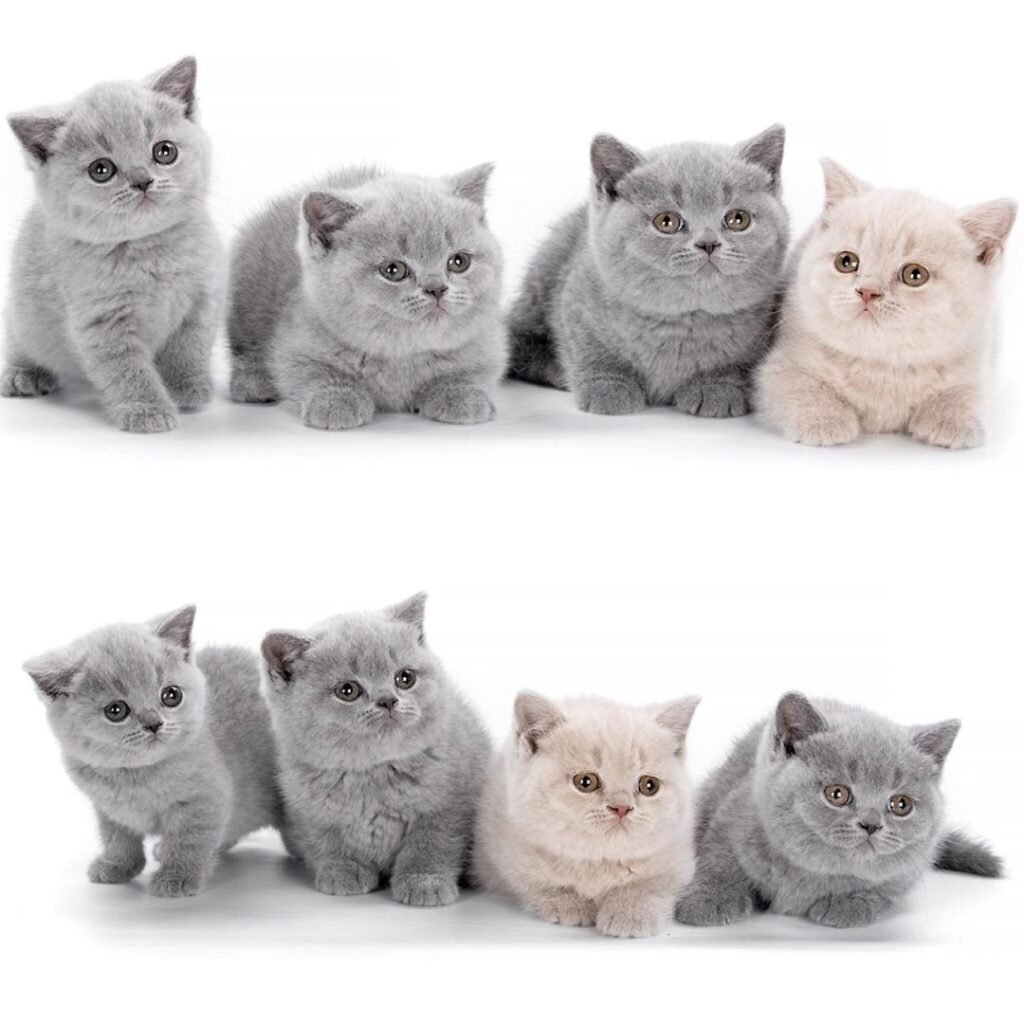
When it comes to choosing the perfect pet for American families, the British Shorthair cat stands out as a remarkable option. Known for their charming appearance, gentle demeanor, and adaptability, these feline companions can fit seamlessly into various household environments. With a rich history and a personality that balances affection with independence, British Shorthairs offer a unique combination of traits that make them ideal pets for families with children, other pets, or those seeking a loving companion. This article explores the many reasons why British Shorthairs are a fantastic choice for American families, from their temperament and health to their grooming needs and compatibility with family life.
1. Overview of the British Shorthair Breed
1.1 History and Origin
The British Shorthair cat has roots that stretch back to ancient Rome, where they were valued for their pest control skills. After the Romans bailed out of Britain, these cats adapted to the local climate and evolved into the stocky and robust felines we adore today. They gained popularity in the late 19th century, even snagging a cameo in art and literature, which helped cement their status as a beloved breed. Essentially, British Shorthairs went from being pest-fighting warriors to pampered royalty—and who wouldn’t want that kind of glow-up?
1.2 Distinctive Physical Characteristics
When it comes to looks, British Shorthairs are like the ultimate feline supermodels. They sport round faces, chubby cheeks, and large, expressive eyes that can melt even the coldest of hearts. Their plush, dense coats come in various colors and patterns, but let’s be honest: that classic blue-gray color is like the little black dress of cat fashion. With their sturdy bodies and short legs, they may not win any agility contests, but they sure look good while lounging around!
2. Temperament and Personality Traits
2.1 Laid-Back Nature
British Shorthairs have a reputation for being the couch potatoes of the cat world, and with good reason. They possess a laid-back demeanor that aligns perfectly with family life, making them excellent companions who are content to snooze on your lap or bat at the occasional feather toy. Their chill attitude means they adapt easily to varying levels of activity, whether it’s a wild game of chase or a quiet evening of Netflix binges.
2.2 Affectionate Yet Independent
These cats are like that friend who knows how to balance socializing and alone time. British Shorthairs are affectionate and enjoy spending quality time with their humans, but they also appreciate their personal space. They won’t be glued to your side like a needy puppy, and instead, will graciously allow you to adore them from a distance—how refined! This independence makes them an excellent choice for families, as they can thrive on their own while still bonding with their favorite humans.
3. Health and Longevity Considerations
3.1 Common Health Issues
Like all breeds, British Shorthairs come with their own set of health quirks. Some are prone to heart conditions, particularly hypertrophic cardiomyopathy (HCM), which sounds like a fancy word that only your veterinarian knows. They can also face issues like obesity, dental problems, and joint concerns if they let their love of napping get out of hand. Regular vet check-ups (and maybe a few less catnip cookies) can keep your furry friend in tip-top shape.
3.2 Lifespan Expectations
British Shorthairs are not only adorable but also relatively long-lived, often reaching 12 to 20 years with the right care. It’s like they know they have so much personality to share that they just can’t leave us yet. With proper health care, a balanced diet, and a sprinkle of love, your cuddly companion can stick around for many years of feline antics and warm snuggles.
4. Adaptability to Family Life
4.1 Living Arrangements
Whether you live in a cozy apartment or a sprawling house, British Shorthairs are pros at adapting to their surroundings. Their mellow nature means they won’t freak out if you invite over 12 friends for a raucous game night, nor will they mind if the kids want to parade them around like a royal pet. They typically do well in a variety of living situations, provided they have a comfy spot to curl up and a few engaging toys to keep boredom at bay.
4.2 Adjustment to New Environments
Moving to a new home? No problem! British Shorthairs tend to adjust to new environments relatively smoothly. They take their time surveying the new territory, making sure to sniff every corner (because the world is full of mystery, after all). Their calm demeanor makes them less prone to stress during transitions, which is music to every family’s ears. Just give them a little time to explore and settle in, and they’ll reign as the new rulers of your household in no time.
5. Grooming and Maintenance Needs
5.1 Coat Care and Grooming Frequency
British Shorthairs sport a plush, dense coat that’s nothing short of luxurious, but don’t worry—grooming them is as easy as pie! They typically only need brushing once a week to keep their coat looking fabulous and to minimize those pesky hairballs. During shedding seasons (hello, spring!), you might want to up the ante to twice a week. This grooming routine not only keeps their fur in top condition but also strengthens the bond between you and your feline friend. Who doesn’t love a grooming session turned snuggle fest?
5.2 Diet and Nutrition
Feeding your British Shorthair is like being the chef at a five-star restaurant—you want the best for your discerning guest! A high-quality diet rich in protein is essential to maintain their muscular build and overall health. Look for cat food labeled as “complete and balanced,” and watch those portion sizes, as British Shorthairs are known for their robust appetites. Keeping treats to a minimum will help avoid an overstuffed kitty. Balance is key—good nutrition equals a happy and healthy furball!
6. Compatibility with Children and Other Pets
6.1 Interaction with Children
British Shorthairs are like the teddy bears of the cat world—cuddly, gentle, and incredibly patient. They typically get along well with children of all ages, making them the purr-fect family pet. These cats have a laid-back nature that allows them to tolerate the enthusiastic love of kids—just make sure those little hands are gentle. With a little guidance on respectful play, your kids can have a furry companion they can grow up with, turning playdates into lifelong friendships.
6.2 Socialization with Other Animals
If you’ve already got a pack at home, fear not! British Shorthairs generally adapt well to other pets, whether they be dogs, cats, or even that lazy goldfish. Their calm demeanor and friendly disposition make them excellent candidates for multi-pet households. However, early socialization is important; the more experiences they have with other animals when they’re young, the more well-rounded they’ll be. After all, who wouldn’t want to host a pet party?
7. Training and Socialization Tips
7.1 Basic Training Techniques
Believe it or not, you can teach an old cat new tricks! British Shorthairs are intelligent and can learn basic commands and tricks, provided you’ve got the right approach. Use positive reinforcement techniques—treats, praise, and maybe an enticing toy or two. Start with simple commands like “sit” or “high five,” and be consistent in your training to see the best results. Remember, patience is key; a little humor can go a long way when you’re trying to communicate with your feline friend!
7.2 Encouraging Positive Behavior
Keeping your British Shorthair on the straight and narrow can be as easy as using a sprinkle of love and a dash of patience. Reward positive behavior with treats or a good scratch behind the ears. If they start engaging in unwanted antics, redirect their attention to more appropriate activities, like their toys. Cats respond better to encouragement than reprimands; so instead of yelling “no” when they knock over a plant, make it a game to chase after a ball instead. Who knew training could be this much fun?
8. Conclusion: The Ideal Family Companion
8.1 Summary of Benefits
In summary, British Shorthairs make fantastic pets for American families thanks to their affectionate nature, low-maintenance grooming needs, and compatibility with children and other pets. Their easy-going personalities and intelligence make them a joy to train and socialize, ensuring they fit seamlessly into family life. Plus, who could resist those adorable round faces and plush coats?
8.2 Final Thoughts on Choosing a British Shorthair
If you’re on the hunt for a furry friend who will be a loving, loyal companion for years to come, look no further than the British Shorthair. They strike the perfect balance between playfulness and calm, making them ideal for families of all shapes and sizes. So grab a cozy blanket and prepare for cuddles, because a British Shorthair might just be the ideal addition to your home sweet home!In conclusion, British Shorthairs make excellent pets for American families due to their friendly nature, adaptability, and low-maintenance grooming requirements. Their loving personalities and compatibility with children and other animals further enhance their appeal as family companions. If you’re considering adding a cat to your household, the British Shorthair may just be the perfect fit to bring joy and companionship into your lives.
Frequently Asked Questions
1. Are British Shorthairs good with children?
Yes, British Shorthairs are known for their gentle and tolerant nature, making them great companions for children. They are typically patient and can handle the playful antics of kids well.
2. How much grooming do British Shorthairs require?
British Shorthairs have a dense coat that requires regular brushing, typically once a week, to reduce shedding and keep their fur healthy. Bathing is not usually necessary unless they get into something messy.
3. Do British Shorthairs have any common health issues?
While generally healthy, British Shorthairs can be prone to certain genetic conditions such as hypertrophic cardiomyopathy (HCM) and obesity. Regular veterinary check-ups and a balanced diet can help manage these risks.
4. How much exercise do British Shorthairs need?
British Shorthairs are relatively low-energy cats, but they still benefit from regular playtime and mental stimulation. Engaging them with toys and interactive play can help keep them healthy and happy.