
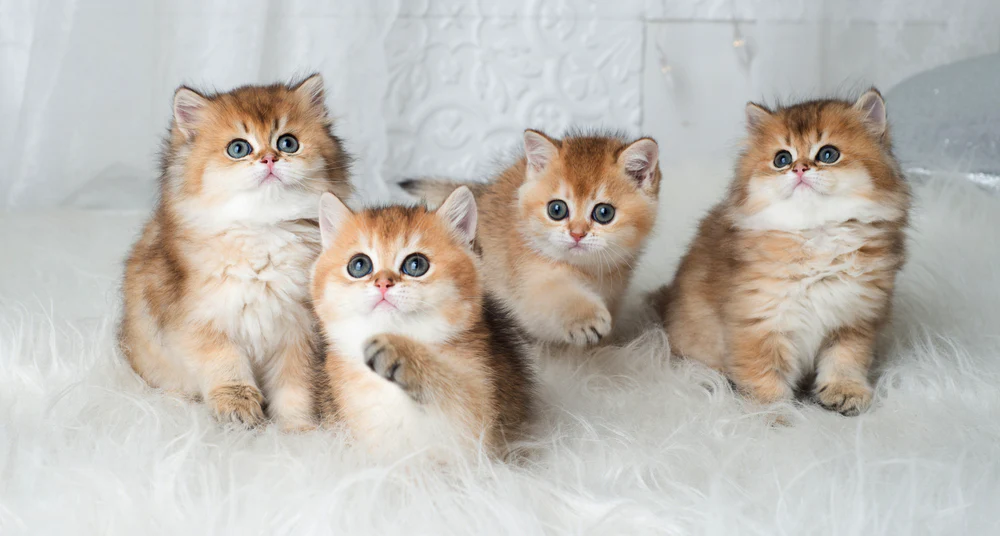
The Brown British Shorthair cat, a strikingly robust and charming breed, holds a special place in both the hearts of cat enthusiasts and the tapestry of British culture. Known for its rich, chocolate-colored coat and round, expressive face, this breed boasts a history that intertwines with the evolution of domestic cats in Britain. From its ancient ancestry to its modern-day popularity, the Brown British Shorthair has seen significant transformations and has been influenced by various cultural and breeding practices.
Origins of the British Shorthair Cat
Ancient Ancestry and Its Roots
The British Shorthair cat can trace its lineage back to ancient Rome, where it was admired for its hunting prowess. These stout little furballs were brought to Britain by the Romans, who valued them for their ability to keep pesky rodents at bay. Over time, these cats adapted to the British climate and became as much a part of the landscape as fish and chips. With their robust bodies and plush coats, these early ancestors are the great-great-great grandparents of the snuggly companions we know today.
Early Breeding Practices
In the 19th century, the British Shorthair began to emerge as a distinguished breed thanks to dedicated breeders who saw potential in these stocky fluff balls. The goal was to create a cat that not only had the brawn to hunt but also the grace to be a cherished household pet. Early breeding efforts focused on enhancing desirable traits like round faces and dense coats, leading to the lovable, plump figures we adore now. These efforts culminated in the first cat shows, where the British Shorthair made their glamorous debut, stealing hearts and showing off their impressive physique.
Development of the Brown Variant
Genetic Factors Influencing Color
The brown British Shorthair’s luxurious chocolate coat is a product of genetic magic (no, not the Harry Potter kind). The color comes from a specific gene that produces eumelanin, which gives cats that rich, brown hue. The brown fur isn’t just a pretty face; it’s a testament to generations of careful breeding, where the goal was to create a distinctly colored cat that still embodied the breed’s robust charm.
Milestones in Color Recognition
The journey toward recognition for the brown variant was less of a smooth catwalk and more of a bumpy road. It wasn’t until the early 20th century that the brown British Shorthair gained official recognition in cat shows, much to the delight of breeders and owners. The incorporation of the brown variant into cat fancier circles marked a significant milestone, giving enthusiasts something to purr about. Fast forward to today, and the brown British Shorthair is not just recognized; it’s celebrated for its unique charm, proving that sometimes, the underdog—err, the undercat—can take center stage.
Historical Significance in British Culture
Roles in Literature and Art
The brown British Shorthair has also made its mark in the literary and artistic worlds. From the charming cat characters in children’s literature to their presence in classic British art, these cats have captivated the imaginations of many. Who could forget that iconic scene of a plump cat lounging on a Victorian windowsill? Authors like Lewis Carroll and Beatrix Potter showcased feline companions who embodied wit and wisdom, profoundly influencing perceptions of cats in society. It turns out, those round faces weren’t just for looks; they were busy charming their way into the pages of history!
Symbolism in British Society
Beyond their literary fame, brown British Shorthairs symbolized coziness and domesticity in British society. As companions to the middle and upper classes, these cats became a staple in homes where the tea was plentiful, and the conversations flowed as easily as the cream. Their presence often suggested a certain level of affluence—who wouldn’t want a fluffy feline lounging in their manor? The brown British Shorthair became a visual shorthand for comfort and a beloved member of the family, proving that while they may have had humble beginnings, their cultural significance is anything but ordinary.
Characteristics of the Brown British Shorthair
Physical Traits and Appearance
With their round faces, chubby cheeks, and dense, plush fur, brown British Shorthairs are akin to living teddy bears. The iconic “British look” is characterized by a stocky build, large, well-rounded eyes, and a short, thick neck. Their chocolate-hued coat can range from a light fawn to a deep, rich brown, making them stand out in any room—even if that room is just the corner of your couch. It’s easy to see why they are often mistaken for the embodiment of cuddle-worthy perfection!
Temperament and Behavior
When it comes to personality, brown British Shorthairs are as chill as a cat can get. Known for their laid-back demeanor, they’re often described as easy-going and adaptable, making them perfect companions for families and individuals alike. These friendly felines are social but not overly demanding, often content to sit beside you with a lofty air of elegance while you go about your day. With a blend of playful antics and quiet moments of reflection, they manage to bring a delightful balance to the household—because honestly, who wouldn’t want a soft, purring presence to keep them company?
The Brown British Shorthair in Popular Media
Films and Television Appearances
It seems the Brown British Shorthair has a knack for stealing the show, both in films and on television. From charming sidekicks in family-friendly flicks to the discerning feline companions in cozy mysteries, these cats have graced the silver screen with their plush coats and curious gazes. Notable appearances include the lovable characters in animated features and their role as sophisticated pets in British period dramas, where they often end up as the unsung heroes (or at least the ones sleeping on the couch).
Social Media Influence
Fast forward to the age of Instagram and TikTok, where the Brown British Shorthair reigns supreme as a social media darling. With their round faces and plush fur, these cats have amassed a legion of fans, complete with dedicated accounts that feature their daily antics—from naps in sunbeams to slyly observing their humans. Various hashtags, like #BrownBritishShorthair and #FelineRoyalty, have made these cats a hit, proving they can rock a social media presence as effectively as they can pounce on a stray laser dot.
Breeding Practices and Standards
Recognized Breeders and Organizations
Maintaining the integrity of the Brown British Shorthair means working with reputable breeders who adhere to established guidelines. Organizations like The International Cat Association (TICA) and The Cat Fanciers’ Association (CFA) play a crucial role in promoting ethical breeding practices. These cat clubs are like the referees of the feline world, ensuring that no cat ends up looking like a poorly made dessert. They advocate for responsible breeding while keeping an eye on the health and well-being of the breed.
Standards for Show Cats
If you think preparing for a cat show is as simple as giving a cat a bath and dressing them in a bow tie, think again! The standards for showing Brown British Shorthairs are rigorous. Judges look for specific traits like round faces, dense coats, and stocky builds. A well-prepared kitty must also have a delightful personality that showcases their charming nature. It’s a beauty pageant, but with fewer tiaras and more purring.
Preservation of the Breed
Conservation Efforts and Challenges
As with any cherished breed, the Brown British Shorthair faces its fair share of challenges. Conservation efforts are crucial in maintaining their lineage and health. Breeders and enthusiasts must navigate issues like genetic disorders, which can often crop up uninvited like a distant relative at a family gathering. Balanced breeding programs focus on the well-being of the cats, ensuring that their distinct characteristics remain intact while preventing health complications.
Importance of Genetic Diversity
Genetic diversity is the spice of life (and breeding) for the Brown British Shorthair. By introducing new bloodlines, breeders can help mitigate potential health risks and enhance the overall vigor of the breed. This means less chance of common genetic maladies and more chances for cats to live long, happy lives. It’s about finding that sweet spot between preserving those adorable features and keeping the breed robust and resilient.
Frequently Asked Questions
What distinguishes the Brown British Shorthair from other British Shorthair colors?
The Brown British Shorthair is specifically recognized for its rich, chocolate-colored coat, which sets it apart from other color variations within the breed. Its unique coloration is due to specific genetic factors that influence coat color.
Are Brown British Shorthair cats good pets?
Yes, Brown British Shorthairs are known for their friendly and gentle temperament, making them excellent companions for families and individuals alike. They are typically affectionate, calm, and adaptable to various living situations.
How can I care for a Brown British Shorthair cat?
Caring for a Brown British Shorthair involves providing a balanced diet, regular veterinary check-ups, and routine grooming to maintain their coat. Additionally, engaging them in play and providing mental stimulation are essential for their overall well-being.
What is the average lifespan of a Brown British Shorthair cat?
The average lifespan of a Brown British Shorthair can range from 12 to 20 years, depending on factors such as genetics, diet, and overall health care. Providing proper care can help ensure a long and healthy life for your feline companion.