
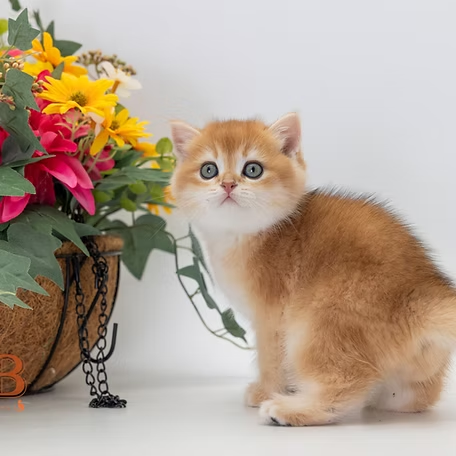
The Brown British Shorthair is a beloved breed known for its striking appearance and gentle demeanor. With their plush coats, round faces, and sturdy build, these cats are not only visually appealing but also make wonderful companions. Caring for a Brown British Shorthair requires attention to their unique needs, including proper nutrition, grooming, and health care. This article will guide you through essential tips and best practices to ensure your feline friend thrives in a loving and enriching environment, helping you build a strong bond with your cherished pet.
Understanding the Brown British Shorthair Breed
Physical Characteristics
The Brown British Shorthair is a sturdy and muscular feline with a distinctive dense coat that often resembles a plush teddy bear. Their round face, chubby cheeks, and large, copper-colored eyes give them a sweet and approachable look. They generally have a broad head, rounded ears, and a thick neck. Their short, plush coat comes in a warm chocolate brown that can make them look like a little chunk of chocolate cake—how’s that for tempting?
Temperament and Personality Traits
Brown British Shorthairs are typically laid-back and easygoing, embodying the classic “couch potato” vibe but with a side of charm. They enjoy human company but are not overly clingy, making them the perfect companions for both cuddling and solo Netflix binges. Known for their playful yet calm demeanor, they are less likely to engage in acrobatics atop your kitchen shelves—though don’t hold your breath, they can surprise you!
Differences Between Brown British Shorthairs and Other Variants
While British Shorthairs come in various colors like blue, cream, and even lilac, the brown variant stands out thanks to its rich, chocolate coloring. The brown coat is often more striking, and the combination of their robust build with this unique hue sets them apart from their pastel-toned cousins. It’s like comparing a classic dark roast coffee to a frothy vanilla latte—both are delightful but with distinctly different vibes!
Essential Nutrition and Diet
Choosing the Right Cat Food
Choosing the right cat food for your Brown British Shorthair is crucial to keeping that handsome face and plush body healthy. Look for high-quality dry and wet food that lists meat as the first ingredient, as these cats need protein to support their muscular build. And remember, just because your cat looks like a little round nugget doesn’t mean they can afford to be one—keep an eye out for calorie content!
Portion Control and Feeding Schedule
British Shorthairs can be notorious for loving their food, so portion control is key! Follow the feeding guidelines on the cat food package, adjusting based on your cat’s activity level and age. It’s usually a good idea to divide their daily allowance into two or three smaller meals instead of a buffet-style free-for-all. After all, nobody wants a feline that can’t fit through the cat door!
Common Dietary Restrictions or Allergies
Like many cats, Brown British Shorthairs can have food sensitivities. Common culprits include dairy (sorry, no cheese for you), grains, and certain proteins. If your kitty shows signs of upset stomachs or excessive grooming (think hairball central), consult your vet for dietary options that are easy on their bellies—because nobody wants a cat with digestive drama.
Grooming and Coat Care
Brushing Techniques for Short Hair
Even though Brown British Shorthairs have short hair, regular brushing is essential to keep their coat healthy and reduce shedding. Use a soft-bristle brush or a grooming glove to remove loose hair and prevent matting. Aim for a good brush-through once a week—your cat will appreciate the attention, and you’ll get to enjoy some quality time together. Just remember, the fluffier the cat, the more fluff in your living room!
Bathing and Skin Care Tips
Bathing is usually not necessary for British Shorthairs, but if they get into something particularly messy (or smelly), a gentle bath can help. Use cat-specific shampoos and warm water, and make sure to keep their ears dry. Also, keep an eye on their skin for dryness or irritation—if they’re scratching like they just heard a bad pun, it might be worth checking in with the vet.
Nail Trimming and Ear Cleaning
Regular nail trimming is a must to keep those adorable, chubby paws in tip-top shape—aim to trim every two weeks. As for ear cleaning, keep an eye out for wax buildup or dirt. A soft, damp cloth can do the trick, or use vet-recommended ear cleaners if necessary. Just be cautious; some cats may treat ear cleaning like an Olympic sport, so it might take both you and a friend to pull it off!
Health Care and Regular Vet Visits
Vaccination Schedule
Your Brown British Shorthair should have a vaccination schedule that includes core vaccines like rabies, feline flu, and feline calicivirus. Generally, kittens start their vaccines around six to eight weeks of age, and adults need boosters every year or so. Just remember: a vaccinated cat is a happy cat—plus it’ll save you from those heart-wrenching “Is my cat sick?” panic moments.
Importance of Regular Check-ups
Regular vet check-ups are the cat version of annual human physicals. Even if your kitty appears perfectly healthy, these visits can help catch any sneaky issues before they turn into big problems. Plus, your vet can provide valuable advice on diet, behavior, and general well-being—who wouldn’t want to chat with a professional about their favorite topic?
Preventative Treatments (Flea, Worming, etc.)
Your Brown British Shorthair deserves a life free of pests, so be sure to keep up with preventative treatments for fleas, ticks, and worms as recommended by your vet. These little critters can sneak up on even the most pampered felines, so a solid preventative plan is essential. After all, who wants to share their cozy home with uninvited guests? Not you, and definitely not your cat!
Exercise and Playtime Needs
Recommended Types of Play and Toys
Brown British Shorthairs may look like furry little couch potatoes, but they actually need their fair share of physical activity. Opt for interactive toys that stimulate their hunting instincts—think feather wands, laser pointers, or even treat-dispensing puzzles. They also love a good ball or toy mouse to pounce on. Just remember: no toys with small, swallowable parts, unless you fancy an impromptu visit to the vet!
Creating an Engaging Environment
Transform your living room into a feline wonderland! Cat trees, scratching posts, and cozy hideouts can become their playgrounds. Window perches are also a hit; who doesn’t love watching the world go by? Engaging them with climbing structures will not only keep them entertained but also satisfy their natural curiosity and need for exercise. Bonus points if you can sprinkle in some vertical space for climbing!
Signs of Boredom and How to Address It
If your Brown British Shorthair starts acting like a tiny tornado—knocking over plants, pouncing on your unsuspecting feet, or staring at you with those big, soulful eyes—it’s time to step up the playtime! Other signs include excessive grooming or meowing like they’ve just discovered a new opera talent. Counter their boredom with more interactive play sessions or introduce new toys for that instant thrill. Remember, a tired cat is a happy cat!
Creating a Comfortable Living Environment
Choosing the Right Cat Bed and Resting Spots
Let’s face it, cats are picky about where they nap, and your Brown British Shorthair is no exception! Choose a bed that’s cushy and warm, preferably in a quiet corner away from the hustle and bustle of the household. Give them choices—some cats prefer plush beds, while others like a sturdy box to curl up in. Just think: a bed fit for a king (or queen) of the house!
Safe and Enriching Indoor Spaces
British Shorthairs thrive in an environment that keeps them safe and stimulated. Ensure your home is cat-proofed (that means hiding those tempting cords and plants that can send them scurrying to the vet). Enrich their space with cat-safe plants, shelves for climbing, and a few cozy hideaways to retreat to when they need their alone time. Remember, a happy cat is one that feels secure in their domain!
Outdoor Access: Pros and Cons
Ah, the outdoors! It’s tempting to let your Brown British Shorthair roam free, but there are a few factors to consider. Outdoor access can provide great stimulation and exercise, but it also invites risks such as traffic, other animals, and the occasional encounter with a dastardly garden gnome. A controlled outdoor space like a catio might be the best compromise, giving them the taste of adventure without the danger. Safety first, furry friend!
Socialization and Training Tips
Introducing Your Cat to New People and Pets
Socializing your Brown British Shorthair is crucial for their emotional health. When introducing them to new people, take it slow. Let your cat approach at their own pace—offering treats can work wonders! When adding a new pet, keep them separated at first to avoid WW3. Gradually introduce them by swapping scents on bedding and allowing supervised meetings, so they feel like they’re not just auditioning for “Survivor: Home Edition.”
Basic Commands and Litter Training
Believe it or not, your whiskered friend can learn a few tricks. Basic commands like “sit” or “come” can be taught using clicker training or treats. Litter training is usually a breeze, as long as you keep the box clean and placed in a quiet area. If you want to add a flair for the dramatic, consider an adorable litter mat to catch any stray ninja litter—because a tidy human is a happy human!
Addressing Behavioral Issues
If your Brown British Shorthair starts showcasing behavior that would make a soap opera star proud—like excessive scratching or a sudden disdain for the litter box—don’t fret! First, identify underlying issues, like stress or boredom. Then, provide more engagement or consider a behavioral consult if things escalate. Remember, with a little patience and understanding, your cat can be both a drama queen and a well-behaved companion.
Common Health Issues and Prevention
Genetic Predispositions in British Shorthairs
Brown British Shorthairs are generally robust, but they can have their share of genetic quirks. Common concerns include heart disease and obesity. Be on the lookout for any signs of lethargy or changes in eating habits. Regular check-ups with the vet can help nip potential issues in the bud—after all, they can’t tell you where it hurts!
Recognizing Symptoms of Common Ailments
Keep an eye out for subtle signs that your feline friend might be under the weather. Changes in appetite, weight fluctuations, excessive grooming, or unusual behavior can all be red flags. If your cat suddenly decides that the litter box is the equivalent of an art installation, it’s time to call your vet. Better safe than sorry, right?
Maintaining Overall Wellness and Longevity
A healthy diet, regular vet visits, and plenty of exercise are the trifecta for keeping your Brown British Shorthair in tip-top shape. Feeding them high-quality cat food and ensuring they maintain a healthy weight can prevent many issues down the line. Plus, regular playtime and a stimulating environment contribute to their physical and mental wellness. Their well-being is worth every ounce of love and care! In conclusion, caring for your Brown British Shorthair involves understanding their specific needs and providing a nurturing environment that promotes their health and happiness. By focusing on proper nutrition, grooming, exercise, and regular veterinary care, you can ensure your feline companion thrives. Embrace the joy of sharing your life with this affectionate breed, and you’ll be rewarded with a loyal friend for years to come.
Frequently Asked Questions
1. How often should I groom my Brown British Shorthair?
It is recommended to brush your Brown British Shorthair at least once a week to keep their coat healthy and reduce shedding. During shedding seasons, you may need to groom them more frequently.
2. What type of diet is best for a Brown British Shorthair?
A high-quality diet formulated for indoor cats is ideal, as it supports their energy levels and helps maintain a healthy weight. Look for options that are high in protein and balanced with essential nutrients.
3. Are Brown British Shorthairs prone to any specific health issues?
Yes, like many purebred cats, they can be predisposed to certain genetic health issues such as hypertrophic cardiomyopathy (HCM) and obesity. Regular veterinary check-ups can help identify and manage these risks.
4. How much exercise does a Brown British Shorthair need?
Brown British Shorthairs require daily playtime and mental stimulation to stay healthy and engaged. Aim for at least 30 minutes of interactive play each day, using toys that encourage physical activity.