
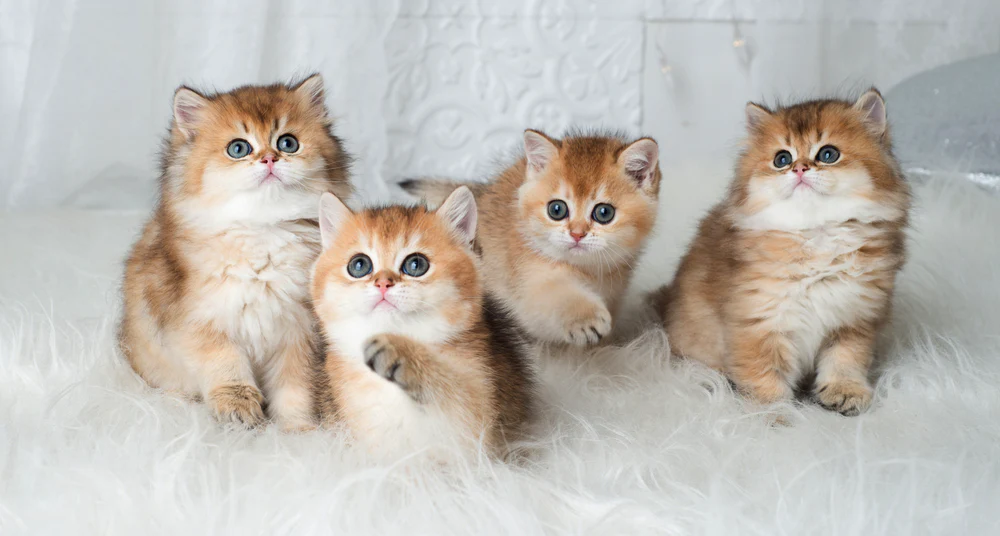
The British Shorthair Orange is a captivating breed known for its distinctive appearance and charming personality. With a rich history and a gentle demeanor, these cats have garnered a loyal following among pet enthusiasts. Their plush coats and striking orange hue make them stand out in any setting, while their affectionate nature endears them to families and individuals alike. In this article, we will explore ten fascinating facts about the British Shorthair Orange, uncovering what makes this breed so special and providing valuable insights for potential owners and admirers.
Overview of the British Shorthair Breed
The British Shorthair is a robust and well-muscled cat, renowned for its round face, dense coat, and stocky build. Originating in Britain, this breed has a history steeped in charm and character that can melt even the most stoic of hearts. With a calm demeanor and an affectionate disposition, they make excellent companions for families and individuals alike. And yes, they can be a little aloof, but that’s just their way of keeping us humans on our toes!
Physical Appearance
When it comes to physical appearance, British Shorthairs are hard to miss. Their round faces are accentuated with chubby cheeks and wide-set, expressive eyes that can either melt your heart or give you the “I’m judging you” look. The compact bodies sport sturdy legs and a plush, thick tail that adds to their adorable stockiness. Overall, they radiate a sense of strength and stability—think of them as the teddy bears of the cat world, just with sharper claws.
Common Color Variations
British Shorthairs are like the fashionistas of the feline world, flaunting a rainbow of color options. While you may be familiar with the classic blue-gray, they come in various hues including black, white, cream, and even tabby patterns. But let’s be real—the orange variant, often referred to as “red,” steals the show with its vibrant, eye-catching coat that practically demands attention. It’s like having a little sunbeam lounging in your living room!
Unique Characteristics of the Orange Variant
The orange British Shorthair isn’t just a pretty face; it has some unique traits that set it apart from its colorful cousins.
Coat Texture and Color Patterns
The orange variant boasts a plush, dense coat that feels like a warm hug every time you pet it. The color can range from a light, creamy orange to a rich, deep copper that resembles a sunset. What’s even cooler is the presence of subtle tabby stripes that may emerge in some individuals, adding some visual pizzazz to their already charming appearance.
Eye Color and Its Significance
When it comes to eye color, the orange British Shorthair typically sports stunning copper or gold eyes that sparkle with mischief and curiosity. This vivid eye color is thought to be a sign of good health and vitality. Plus, let’s be honest—the combination of bright orange fur and striking gold eyes is about as aesthetically pleasing as it gets in the feline world!
Temperament and Personality Traits
If you’re looking for a feline companion with personality, the British Shorthair orange variant is up to the task. These cats are known for their laid-back yet playful demeanor, making them the perfect sidekick for both quiet evenings and raucous play sessions.
Social Behavior with Humans
Orange British Shorthairs are often social butterflies. They enjoy human company and show affection in their own unique way, whether it’s through gentle headbutts or curling up in your lap like they own the place. They’re not overly demanding but appreciate a good chin scratch or a cozy snuggle. Just remember, their aloof moments are all part of their charm—like a cat version of a hipster who only occasionally shows their soft side.
Interaction with Other Pets
When it comes to their furry counterparts, orange British Shorthairs generally have a ‘live and let live’ attitude. They tend to get along well with other pets, including dogs, given that proper introductions are made. Just imagine a fluffy orange cat lounging next to a pup, sharing their sunny spot on the couch. They do well in multi-pet households, as long as everyone knows who the star of the show is!
Health Considerations for British Shorthairs
Like all breeds, British Shorthairs have specific health considerations to keep in mind. Regular check-ups and preventative care can help keep your orange buddy feeling their best.
Common Health Issues
As adorable as they are, orange British Shorthairs can be prone to certain health issues, including hypertrophic cardiomyopathy (a heart condition), obesity, and joint problems. But don’t worry; with proper care and attention, you can help mitigate these risks and ensure your feline friend lives a long, happy life.
Preventive Care and Regular Check-ups
Routine veterinary visits, a balanced diet, and regular exercise are essential to keeping your British Shorthair healthy and thriving. Think of it as their version of a spa day—just without the cucumber slices on their eyes. Schedule those check-ups, and your orange superstar will be ready to take on the world (or at least your living room) with vigor and charm!
Grooming and Care Requirements
Brushing and Bathing Tips
The British Shorthair Orange is a low-maintenance feline when it comes to grooming, but that doesn’t mean you can just leave them to their own devices. Regular brushing—ideally once a week—is recommended to keep their coat sleek and shiny while minimizing those pesky hairballs. Bathing? Not usually necessary, but if your furry friend finds themselves in a sticky situation (or a mud puddle), a gentle bath with cat-friendly shampoo should do the trick. Remember, cats are not fans of baths, so maybe save it for a special occasion—like right before your in-laws visit.
Dietary Needs and Nutrition
Feeding your British Shorthair Orange the right diet is crucial. These guys have hearty builds and a love for food that can rival their favorite napping spots. High-quality cat food—whether it’s wet, dry, or a combination of both—packed with protein is ideal for keeping their muscles strong and their coats gleaming. Pay attention to portion sizes to avoid turning your kitty into a rotund fluffball. As a rule of thumb, consult your vet about specific dietary needs, especially if your cat has any health quirks or is more of a couch potato.
History and Origin of the Breed
Development Through the Ages
The British Shorthair as we know it today traces its lineage back to the Romans, who brought their cats to England to combat pesky rodents. Over the years, these cats evolved, gaining their distinctive stocky build and plush coats. The breed was formally recognized in the late 19th century, becoming a star at cat shows and quickly capturing the hearts of British cat lovers everywhere. Talk about a royal history—this breed is practically royalty!
Influence of British Culture on the Breed
The British Shorthair has not only stood the test of time but also become a cultural icon in Britain. Featured in famous works like Lewis Carroll’s “Alice’s Adventures in Wonderland” (hello, Cheshire Cat!), these felines have become synonymous with British culture. Their sturdy, no-nonsense persona resonates with the British ethos—grabbing a cup of tea and a quick cuddle while watching the rain. These cats have their paws firmly planted on the British cultural landscape, and they wouldn’t have it any other way!
Popularity and Cultural Significance
Featured in Media and Literature
From the aforementioned Cheshire Cat to online memes that make us laugh (and cry) at their adorable faces, the British Shorthair Orange has made its mark on pop culture. You can find them in movies, commercials, and countless Instagram accounts flaunting their round faces and charming personalities. Their endearing looks and laid-back demeanor have catapulted them to the status of internet superstars, proving that this breed isn’t just a pretty face—they’ve got character, too!
Community and Breeders’ Associations
The British Shorthair has a dedicated fan base, with numerous breeders’ associations ensuring responsible breeding practices and the health of the breed. Communities online and offline are filled with enthusiasts ready to share tips, stories, and adorable photos of their beloved kitties. Whether you’re a seasoned cat owner or a curious newcomer, engaging with fellow British Shorthair lovers is a purr-fect way to learn more about the breed and share in the joy these charming cats bring to our lives.
Tips for Potential Owners and Enthusiasts
Choosing the Right Breeder
When looking to add a British Shorthair Orange to your family, it’s crucial to choose a reputable breeder. Look for someone who prioritizes the health and well-being of their cats over profit. A good breeder should be more than happy to answer your questions, provide health records, and let you meet the kitten’s parents (because, let’s face it, we all want to know where our future fluffball comes from!). A little research goes a long way in ensuring you bring home a happy and healthy kitty.
Training and Socialization Techniques
British Shorthairs are generally easygoing and not overly demanding, but they still need some guidance to flourish. Start with basic training—think litter box habits and not climbing on the kitchen counter (although we all know how well that usually goes). Positive reinforcement works wonders—treats, praise, and a sprinkle of playtime can make training feel less like a chore and more like a fun bonding session. Early socialization with people and other pets can help your cat develop into a well-rounded, confident feline companion. Just remember, they’ll always think they’re the boss, no matter how much you try to train them!In conclusion, the British Shorthair Orange is not only a visually stunning breed but also a wonderful companion characterized by its gentle temperament and playful spirit.
Frequently Asked Questions
Are British Shorthair Orange cats prone to any specific health issues?
Yes, like all breeds, British Shorthair Orange cats can be prone to certain health issues, including obesity, hip dysplasia, and heart conditions. Regular vet check-ups and a balanced diet are essential for their well-being.
How much grooming do British Shorthair Orange cats require?
British Shorthair Orange cats have a dense coat that requires regular brushing to prevent matting and reduce shedding. Typically, brushing them once a week is sufficient, with more frequent grooming during shedding seasons.
What is the typical lifespan of a British Shorthair Orange cat?
The average lifespan of a British Shorthair Orange cat ranges from 12 to 15 years, although some can live longer with proper care and a healthy lifestyle.
Are British Shorthair Orange cats good with children and other pets?
Yes, British Shorthair Orange cats are known for their friendly and easygoing nature, making them great companions for children and other pets. They often adapt well to various family dynamics.