
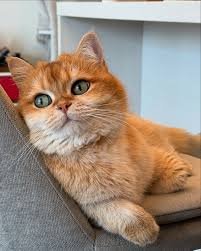
The British Shorthair Orange is a beloved breed known for its charming personality and striking appearance, characterized by a stunning orange coat that captivates cat enthusiasts. This shopper’s guide aims to provide potential owners with essential information on finding reputable breeders and understanding the adoption process, ensuring a smooth transition into feline companionship. Whether you are drawn to their affectionate nature or their playful antics, this guide will help you navigate the important considerations and decisions involved in bringing a British Shorthair Orange into your home.
Overview of British Shorthair Orange Cats
History and Origin
The British Shorthair breed has a history as rich and comforting as a cup of tea on a rainy day. These lovable felines can trace their roots back to Roman times when they were likely the original “mouser” cats, protecting grain from pesky rodents. Over the years, selective breeding brought about the stocky, plush cats we adore today. The orange variant, with its vivid hue, gained popularity in the 19th century, capturing the hearts of cat enthusiasts and art alike, making them a purrfect addition to any household.
Distinctive Color and Appearance
When you think of a British Shorthair Orange, imagine a fluffy, teddy bear-like companion who just stepped out of a storybook. Their dense, plush coat is a striking orange that can range from a soft, pastel shade to a deep, fiery hue. Add to that their signature round face, chubby cheeks, and large, expressive eyes, and you have a recipe for pure cat adoration. Those sturdy legs and robust bodies add to their charm, making them the feline equivalent of a cuddly armchair — the kind you just want to sink into after a long day.
Characteristics and Temperament
Personality Traits
British Shorthair Orange cats are the epitome of chill. They come with a personality that’s as warm as their color, blending a playful spirit with a laid-back attitude. Often described as easygoing and affectionate, they thrive on companionship but aren’t overly needy. More like the cool roommate who’s there for a chat but also respects your personal space. They’re also known for their intelligence, which means they can entertain themselves (and you) with amusing antics — just don’t be surprised if they decide your laptop is their new favorite sunbathing spot!
Socialization Needs
These sociable cats thrive on interaction and enjoy being part of the family. While they don’t require constant attention, they appreciate quality time spent playing or lounging together. It’s recommended to engage them with toys or a good old-fashioned laser pointer chase; just don’t be alarmed when they suddenly stop to groom themselves mid-chase — it’s a feline thing! Having other pets or even kids around can provide them with the companionship they crave, so long as everyone plays nice. Remember, a well-socialized British Shorthair Orange is a happy one!
Health Considerations
Common Health Issues
Like anyone with a penchant for indulging in too many snacks (we’re looking at you, mid-afternoon cat treats), British Shorthair Orange cats can be prone to certain health issues. They may face genetic conditions such as hypertrophic cardiomyopathy, which affects heart muscles, or hip dysplasia—an issue that’s as uncomfortable as it sounds. Regular vet check-ups can help catch these problems early. Just a heads up: expecting your cat to tell you they’re not feeling well might be asking a bit much from a creature whose first language is “nap.”
Preventative Care
To keep your British Shorthair Orange rolling in the aisles of happiness, regular preventative care is essential. Make sure they have a balanced diet — not that one with the ” gourmet tuna-flavored” label that catches their eye every time. Regular dental care, vaccinations, and parasite control can prevent a slew of issues. Don’t forget the importance of keeping them active; a good play session can help combat the “fluffiness” that comes with a sedentary lifestyle. As the saying goes, a healthy cat is a happy cat — and we all know how much happier they are when they think they’re the stars of the show!
Finding Reputable Breeder
Not all breeders are created equal, and finding a reputable one is key to ensuring that your future feline friend is healthy and well-adjusted. Look for breeders who are passionate about the breed and prioritize the health and temperament of their cats over quick profits. They should be willing to provide health clearances, offer a clean and safe environment, and be open to questions about their breeding practices. A good breeder will also want to match you with the right cat, not just sell you the first orange fluffball they have on hand.
Adoption vs. Buying: Pros and Cons
Benefits of Adoption
Adopting a British Shorthair Orange from a rescue or shelter is like finding hidden treasure: you’re not just getting a cat, but also saving a life. Adoption can be budget-friendly, as fees typically include vaccinations and spaying/neutering. Plus, you get the satisfaction of knowing you’ve made a difference. Many adopted cats come with unique personalities that are already developed, making them easier to integrate into your home. Oh, and let’s not forget the warm fuzzy feeling that comes with knowing you’re a hero—put that on your resume!
Considerations When Buying from Breeders
Buying from a breeder can ensure you’re getting a healthy kitten with a documented lineage, which is great if you’re a cat connoisseur. Reputable breeders often conduct health screenings and provide support, not to mention those adorable fuzzy faces that are hard to resist. However, this option can be pricey, often ranging from hundreds to thousands of dollars. Always make sure to do your homework to find a responsible breeder who prioritizes the health and well-being of their cats over profit. Remember, not all that glitters is gold—some breeders might just be in it for the bling!
Essential Supplies for Your New Cat
Basic Needs: Food, Litter, and Housing
First things first, your cat will need the essentials: high-quality cat food (not the cheap stuff that looks like it came out of a mystery box), a litter box filled with litter that doesn’t smell like a landfill, and a cozy bed worthy of a feline royal. A scratching post is also vital unless you want your furniture to become the latest cat scratch art project. Invest in a litter box that doesn’t invite you to the kitty odor fiesta and make sure your furry friend has a designated space to call their own.
Toys and Enrichment
Cats are natural hunters, so providing toys is like giving them a daily dose of “catflix and thrill.” Think feather wands, laser pointers, and those little toys that look like they’ve been through the mill (because they have!). Puzzles and interactive toys are fantastic for mental stimulation, keeping your British Shorthair Orange happy, engaged, and less likely to plot world domination (or at least conquering your living room). Rotate toys regularly to keep things fresh, just like your seasonal wardrobe—no one wants to get bored!
Caring for Your British Shorthair Orange
Grooming and Maintenance
British Shorthairs have that plush coat that’s almost irresistible—but don’t get too comfy! Regular brushing is essential to keep their fur looking fabulous and to minimize shedding. A good brush session can be bonding time, plus it’ll help you find out if your cat secretly enjoys being pampered or if they’re just pretending to tolerate it. Don’t forget about regular nail trimming and dental care, unless you enjoy the sound of a cat attempting to shred your arm during a grooming session!
Diet and Nutrition
Feeding your British Shorthair Orange a balanced diet is key to maintaining their health and vitality. Look for food that lists meat as the first ingredient—not some mysterious powder or by-products. Cats are obligate carnivores, so they really thrive on high-quality protein. Measure portions to avoid a chubby cat scenario because no one wants to deal with a sassy kitty that can’t jump onto the windowsill anymore. And remember, fresh water is a must—no one likes dehydrated cats (or dehydrates anything, really).
Frequently Asked Questions (FAQs)
How to Train Your British Shorthair
Training a British Shorthair Orange is all about positive reinforcement. Use treats, praise, and patience to teach them basic commands and litter training. They’re intelligent cats, so they can learn tricks like “sit” or “high five” if they feel like it. Just be prepared for that unmistakable “I’m not doing that” look they excel at giving. Socialization is also key—introducing them to various people and environments can help them become well-rounded cats.
Best Practices for Introducing a New Cat to Your Home
When bringing your British Shorthair home, start with a designated safe space where they can acclimate without the chaos of your household. Gradually introduce them to different areas of your home while supervising the encounters. If you have other pets, let them sniff each other under doors before actual face-to-face meetings—think of it as the feline version of “meet and greet.” Be patient; it might take time for everyone to become best buddies, but with love and care, harmony will reign in your kingdom! In conclusion, welcoming a British Shorthair Orange into your life can be a rewarding experience filled with love and companionship..
Frequently Asked Questions (FAQs)
What is the average cost of a British Shorthair Orange?
The cost of a British Shorthair Orange can vary widely depending on factors such as breeder reputation and location, but generally, prices range from $1,000 to $2,500.
Are British Shorthair Orange cats good with children and other pets?
Yes, British Shorthair Orange cats are known for their friendly and gentle temperament, making them well-suited for families with children and other pets, provided they are properly socialized.
How much exercise do British Shorthair Orange cats need?
British Shorthair Orange cats require moderate exercise to stay healthy and happy. Engaging them in playtime with toys and interactive activities for at least 15-30 minutes a day is recommended.
Do British Shorthair Orange cats shed a lot?
While British Shorthair Orange cats have a dense coat, they do not shed excessively. Regular grooming can help minimize loose hair and keep their coat in good condition.