
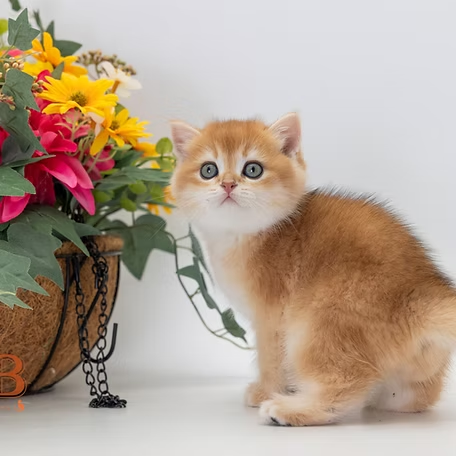
British Shorthair orange cats are not just striking in appearance; they are also beloved for their charming personalities and rich history. Known for their plush coats and round faces, these felines have captured the hearts of cat lovers around the world. Their unique color variation adds to their appeal, making them a popular choice among pet owners. This article explores ten fun facts about British Shorthair orange cats, shedding light on their origins, distinctive traits, and the joy they bring to our lives. Whether you’re considering adding one to your family or simply want to learn more about this delightful breed, you’ll find plenty of fascinating insights ahead.
Origin and History of British Shorthair Orange Cats
Early Beginnings and Development of the Breed
The British Shorthair breed began its journey in the Roman era, when they were brought to Britain to help control the rodent population. These sturdy felines quickly adapted to their new home, becoming the beloved companions of British households. With their robust build and charming demeanor, they were recognized for their intelligence and playful nature, eventually earning a place in cat shows by the late 19th century.
Introduction of the Orange Color Variant
While the British Shorthair comes in a delightful rainbow of colors, the orange variant, often referred to as “red,” started making headlines in the early 20th century. Breeders began selectively mating to enhance the orange hue, resulting in the striking, golden coats we adore today. This color quickly became a favorite, seducing cat lovers with its warm, inviting vibe and a certain royal flair, much like a feline King Midas!
Distinctive Physical Traits of Orange British Shorthairs
Coat Color and Patterns
The defining feature of orange British Shorthairs is, of course, their fabulous coats. Ranging from deep copper to soft ginger, these cats boast a plush, dense fur that feels like a warm hug. Their coats can come in various patterns, including classic tabby stripes or a solid, glossy finish, often leaving admirers wondering if they’ve stumbled into a feline fashion show.
Body Structure and Size
British Shorthairs are all about that beefy physique – think of them as the gym bros of the cat world. They have a round face, thick neck, and short, powerful legs, which all contribute to their stocky appearance. Adult orange British Shorthairs typically weigh between 9 to 18 pounds, making them the kind of cat you can *definitely* count on to keep your lap warm during chilly nights.
Eye Color Variations
Orange British Shorthairs usually flaunt captivating copper or gold eyes, which perfectly complement their luscious coats. However, you might occasionally find one with odd-colored eyes, a genetic rarity that adds an air of mystery and intrigue. Just imagine the conversations that can spark over their mesmerizing gaze – it’s definitely a great icebreaker at a cat café!
Personality Traits: What to Expect from Orange British Shorthairs
Temperament and Behavior
These kitties are not just gorgeous; their personalities are as vibrant as their coats! Orange British Shorthairs typically possess a balanced temperament – they’re playful yet laid-back, making them perfect cuddle buddies or playful partners during your Netflix marathons. They tend to be affectionate, enjoying a good petting session, but aren’t the clingiest of cats, maintaining a healthy boundary of independence.
Socialization with Humans and Other Pets
With their friendly and easygoing nature, orange British Shorthairs generally get along well with humans and other pets alike. They’re the social butterflies of the cat world, ready to greet guests with a purr and a headbutt. Their adaptable demeanor helps them blend seamlessly into family settings, ensuring they’ll be the life of any party – or, at the very least, the most charming spectator.
Popularity and Cultural Significance in the UK
Rise in Popularity Over the Years
Orange British Shorthairs have seen a surge in popularity over the years, becoming one of the most sought-after breeds in the UK. Their charming looks and affectionate nature have made them frequent stars in social media posts and online cat videos, prompting many pet enthusiasts to declare them the reigning champions of feline cuteness. It seems that our ginger friends have officially captured the crown in the realm of fluffy companions.
Depictions in Literature and Art
These captivating cats haven’t just taken over homes; they’ve also made their mark in literature and art. From classic tales to modern-day novels, you’ll often find orange British Shorthairs making cameo appearances, stealing the spotlight left and right. Their regal presence and charming antics have inspired countless artists, with paintings and illustrations that celebrate their beauty and charisma. After all, who could resist the allure of a well-posed orange cat?
Care and Maintenance Tips for Orange British Shorthairs
Dietary Needs and Recommendations
Orange British Shorthairs are not just adorable fluffballs; they also have a hearty appetite! To keep your chubby little sunshine healthy and happy, opt for high-quality cat food that meets their nutritional needs. A balanced diet rich in protein is essential to fuel their playful antics. Watch out for those extra snacks, though—those stunning orange coats can quickly disguise a bit of extra fluff! Aim for portion control and maybe a few healthy treats, such as freeze-dried meat, so your whiskered wonder doesn’t turn into a cuddle monster with a bit too much cushion.
Grooming and Hygiene Practices
While their plush fur may beckon you for endless cuddles, it also requires some TLC. Regular brushing—not too much, just enough—will help keep that orange coat looking magnificent and free from mats. Aim for a session once a week with a slicker brush to remove loose hair and reduce shedding. And let’s be honest, who doesn’t love a good groom date? Also, make sure to check their ears, trim those adorable nails, and keep an eye on dental hygiene because even fluffy felines can have a cavity crisis!
Exercise and Mental Stimulation
Orange British Shorthairs have an impressive balance of playfulness and a touch of lazy elegance. To keep them from endlessly napping in sunbeams, introduce engaging toys and activities. Puzzle feeders can keep their minds busy, while interactive toys like feather wands will fuel their hunting instincts. Daily play sessions are crucial. Just remember, it’s not just a workout for them; it’s a workout for you too—those back-and-forth fetch games can get intense!
Health Considerations Specific to the Breed
Common Health Issues
Like all breeds, orange British Shorthairs come with their fair share of potential health hiccups. One of the most common concerns is hypertrophic cardiomyopathy (HCM), a heart condition that can sneak up on them. Another issue is obesity—#NotJustANiceCoat. Keeping them at a healthy weight and ensuring they get regular exercise can help mitigate some of these risks. Regularly check in with your vet to stay ahead of any potential problems. Better safe than sorry, right?
Regular Veterinary Care and Check-ups
Don’t let those charming eyes charm you into forgetting about vet visits! Regular check-ups are essential for maintaining your orange British Shorthair’s health. Annual visits can help catch any lurking issues like those pesky dental problems or weight gain before they balloon into bigger health concerns. Plus, you can brag to your vet about how well your cat has mastered the art of unbothered lounging.
Fun Quirks and Behaviors Unique to Orange British Shorthairs
Playful Habits and Preferences
Don’t be fooled by their dignified looks; these cats are pure mischief in a fluffy package! Expect spontaneous bursts of energy where they zoom around the house like furry tornadoes. They have a knack for finding the sunniest spots for naps but will suddenly spring into action for a rogue piece of crinkled paper or a laser pointer dot that just dared to cross their path. They are known for their charming ability to turn everyday household items into an exciting adventure—like the ultimate feline obstacle course (or their very own “American Ninja Warrior”).
Vocalizations and Communication Styles
When it comes to communication, orange British Shorthairs have their own special language—sometimes it’s a “meow” that sounds like a dignified proclamation, while other times it’s a barely audible chirp that makes you think they’re just being polite. They communicate through body language too—watch for those slow blinks that say, “I adore you” and tail positions that can rival any interpretive dance. So, prepare yourself for chats with your furry friend—who knows what they might have to say about their day of sunbathing and snack inspecting?
Famous Orange British Shorthairs in Media and Pop Culture
Iconic Characters in Movies and TV Shows
If you thought your orange British Shorthair was an original masterpiece, just wait until you hear about the iconic character, Garfield! This lasagna-loving tabby has stolen hearts and become the epitome of feline hilarity. Then there’s Puss in Boots from Shrek—talk about charisma! Both characters showcase the playful, sassy nature that orange British Shorthairs are known for. Who wouldn’t want to be best friends with a charming feline like that?
Notable Cat Influencers and Their Stories
In the age of Instagram, some fabulous orange British Shorthairs have taken the influencer world by storm! Take, for instance, the viral sensation of the account featuring a cutie named Maru. Who knew that a simple cardboard box could lead to such fame? These furry superstars, with their irresistible cuteness and quirky antics, have captured the hearts of millions. Following them on social media might just inspire you to document the daily adventures of your own orange fluffball!In conclusion, British Shorthair orange cats are a delightful blend of beauty, personality, and charm that make them incredibly appealing companions. From their rich history to their unique quirks, these cats have much to offer to anyone lucky enough to share their home with them.
Frequently Asked Questions
What is the lifespan of a British Shorthair orange cat?
The lifespan of a British Shorthair orange cat typically ranges from 12 to 20 years, depending on their health, diet, and care.
Are British Shorthair orange cats good with children?
Yes, British Shorthair orange cats are known for their friendly and tolerant nature, making them great companions for children.
Do British Shorthair orange cats require special grooming?
While their short coat requires less grooming than long-haired breeds, regular brushing is recommended to reduce shedding and maintain coat health.
How do I know if my British Shorthair orange cat is healthy?
Regular veterinary check-ups, a balanced diet, and observing their behavior for any changes can help you determine if your British Shorthair orange cat is healthy.