
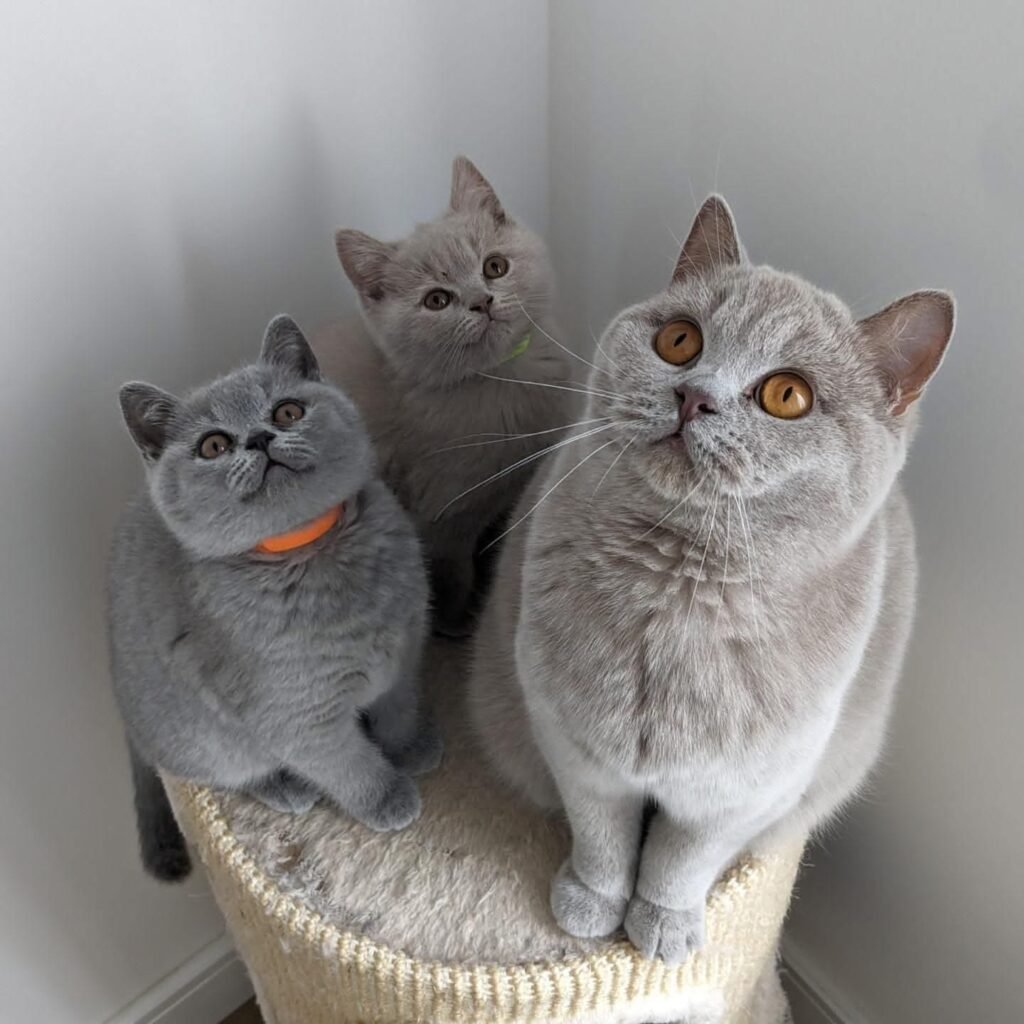
The British Shorthair Orange Cat is not just a delightful pet; it is a captivating companion that brings warmth and charm into any home. Renowned for their striking appearance, these cats boast a dense, plush coat adorned in vibrant shades of orange, complemented by their round faces and expressive eyes. Beyond their physical beauty, they possess a friendly and affectionate temperament that makes them ideal for families and individuals alike. In this article, we will explore the allure of British Shorthair Orange Cats, delving into their history, unique features, personality traits, and essential care tips to help you decide if this breed is the perfect addition to your household.
Introduction to British Shorthair Orange Cats
Overview of the Breed
The British Shorthair is like the cool, laid-back cousin at the family reunion—charming, sturdy, and just a bit aloof. Known for their round faces, broad bodies, and plush coats, these cats are the embodiment of feline charisma. The orange variant, specifically, is often seen as the superstar of the breed, with its eye-catching color and heartwarming personality. Whether they’re lounging on your couch or gracefully prowling around your home, they bring a unique flair to any living space.
Why Choose an Orange Variant?
Orange British Shorthairs are like the sun on a cloudy day—impossible to ignore! Their vibrant coats can brighten up even the dullest room, and they come with a personality that’s just as warm. Choosing an orange variant means you’re opting for a cat that’s not just a pretty face; they often exhibit an extra dash of charm and joviality, making them a delightful companion for families and individuals alike.
History and Origins of the Breed
Development of the British Shorthair
The British Shorthair has quite the historical pedigree, tracing its roots back to ancient Rome, where it was bred for its hunting prowess. Fast forward to the late 19th century, this breed strutted its stuff in cat shows, and it didn’t take long for them to win hearts (and trophies). The British Shorthair is revered not just for its looks but also because it embodies a rich tapestry of British culture, much like a good cup of tea!
Significance of the Orange Color
Orange British Shorthairs, often dubbed “ginger cats,” have a significance that goes beyond just their appearance. The orange hue became popular due to its striking brightness and the association of this color with warmth and friendliness. Historically, this particular shade was sought after by breeders and has become emblematic of the breed, captivating the hearts of cat lovers around the world.
Distinctive Features of Orange British Shorthairs
Coat and Color Characteristics
The coat of an orange British Shorthair is undeniably its crowning glory. With a rich golden hue that can range from a deep, fiery orange to a more subdued, creamy shade, it’s like having a slice of sunshine in your home. Their plush, dense fur isn’t just for looks; it’s also perfect for those who enjoy a snuggle fest on chilly evenings. Plus, they shed less than you’d think—so no need to worry about constantly vacuuming those cat hairs off the couch!
Body Structure and Size
From their solid, muscular build to their stocky legs, orange British Shorthairs are quite the sturdy little beasts. Typically, they are medium to large in size, boasting a broad chest and a tail that matches their overall robust physique. They are more than capable of handling a good game of fetch (yes, some do enjoy that!), while still being perfectly content to lounge around and look fabulous.
Eye Color Variations
One of the most enchanting aspects of the orange British Shorthair is their eye color. From striking coppery golds to deep, mesmerizing greens, their eyes can be as varied as a box of chocolates. Those vibrant peepers not only enhance their adorable faces but also seem to convey an unmistakable sense of curiosity and mischief—perfect for those “caught in the act” moments!
Personality Traits and Temperament
Affectionate and Social Behaviors
If you’re looking for a cuddly companion, the orange British Shorthair is your go-to! Known for their affectionate nature, they thrive on companionship and love to be part of the family. They may not be the most demanding cats, but don’t be surprised if they follow you from room to room, eager to see what mischief you’ll get into together. These felines boast a lovely balance of independence and sociability, making them the perfect addition to any household.
Playfulness and Activity Levels
These orange gems are not just lap warmers; they have a playful side that can rival any kitten! While they enjoy their downtime (and who doesn’t?), they’re always up for a good bout of chasing toys or engaging in playful antics. Their activity levels can vary, but they appreciate a little playtime to keep both their minds and bodies sharp—because a bored cat is a mischievous cat, and we wouldn’t want that!
Intelligence and Trainability
Don’t let those adorable faces fool you; orange British Shorthairs are intelligent and can surprise you with their cleverness! They can be trained to perform tricks or follow commands—yes, some can even be leash-trained for walks! Their inquisitive nature means they enjoy interactive toys and puzzles that challenge their minds, proving that they’re not just a pretty face, but also a sharp cookie in the feline world.
Care and Maintenance for Your Orange Cat
Feeding and Nutrition
Feeding a British Shorthair orange cat is like giving your favorite cartoon character a nourishing meal—important and satisfying! Opt for high-quality cat food that’s rich in protein to support their charm and robust stature. Look for formulas designed for their age and weight. You don’t want your new furry friend resembling a furry orange balloon! Balance wet and dry food to keep mealtimes interesting, and always make sure there’s fresh water available. It’ll keep them hydrated and happy, which in turn, keeps you happy!
Grooming Tips and Best Practices
Grooming your orange kitty is like a spa day, while they may act like they’re at a dentist’s office. These cats have a dense coat that benefits from regular brushing—ideally once a week. This helps reduce shedding and mats, and also removes any stray orange hairs from your favorite black outfit. Keep some grooming tools handy and aim for a gentle approach. And if they give you the “I’m not in the mood” look, just remind them that grooming equals extra treats later!
Regular Health Check-ups
Just like your yearly trip to the doctor (minus the embarrassing waiting room), your British Shorthair will need regular vet check-ups. Aim for at least once a year for a complete health assessment. These visits can catch issues before they become a problem, and help keep your cat’s purring engine running smoothly. Vaccinations, dental check-ups, and overall health assessments should be part of the routine, keeping your cuddly friend as healthy as their adorable, round face suggests!
Creating a Cat-Friendly Home Environment
Essential Supplies for Your Cat
Every orange cat needs their essentials to thrive, much like every superhero needs their cape. Make sure you have a cozy bed (preferably one that matches your décor—because aesthetics matter), scratching posts (because your furniture deserves a break), and litter boxes (a vital life necessity!). Playtime toys are a must—think jingly balls or feather wands that will have them thinking they’re on an Olympic training mission. With these supplies, your home will be a five-star resort for your feline friend!
Safe Spaces and Enrichment Activities
Your orange cat craves stimulation as much as a Netflix binger craves popcorn. Create safe spaces for them to explore, like cat trees or cozy hideaways where they can pretend to be lions on the savannah. Rotate enrichment toys to keep their interest alive—those boxes usually hold more joy than the toys inside! Keep their senses engaged with interactive toys, and don’t forget to schedule playtime. A tired cat is a happy cat, and likely less inclined to engage in your shoelaces as a personal plaything!
Integrating Your Cat into Family Life
When it comes to family, your orange cat is here for it all—cuddles, chaos, and the occasional intrusion during zoom calls. To help your feline fit in, introduce them gradually to family members and pets. Give your cat a space to retreat if it gets too busy. Encourage gentle play with kids, and remind everyone that a cat’s tail is not a toy. With some patience and love, your British Shorthair will be weaving through your family life like a pro, leaving trails of orange fur and joy in their wake!
Health Considerations and Common Issues
Genetic Predispositions and Health Risks
While British Shorthair orange cats are generally robust, they can be prone to a few genetic issues like hypertrophic cardiomyopathy (a fancy way to say heart disease) and obesity. Keep an eye on their weight and heart health, and consider regular vet consultations. Remember, just because they have a round face doesn’t mean they need to be round in the belly too!
Signs of Illness to Watch For
As a responsible cat parent, you’ll want to be a keen observer of your orange furball. Watch for any unexpected behavior such as lethargy, changes in appetite, or litter box habits. If they suddenly act like a grumpy old man instead of the beloved feline you know, it’s time for a vet visit. Keeping an eye on these signs can help catch issues early, saving you and your cat from many “uh-oh” moments later.
Preventive Care and Vet Visits
Preventive care is the name of the game when it comes to keeping your British Shorthair healthy. Regular vet visits for vaccinations and health check-ups can help fend off potential problems before they arise. Keep an eye on their dental hygiene, as those pearly whites are just as important as the rest of their enchanting charm. If you treat those check-ups like a social event (think of it as a fancy brunch minus the mimosas), they might just become a little more fun for both of you!
Conclusion: Enriching Your Life with a British Shorthair Orange Cat
Benefits of Owning an Orange British Shorthair
Having a British Shorthair orange cat is like owning a little bundle of joy wrapped in fur. Their easy-going nature, playfulness, and charming personalities make them wonderful companions. They can turn your mundane days into delightful adventures, all while being the most photogenic cat on your Instagram feed. Plus, who can resist that adorable round face? Spoiler: nobody!
Final Thoughts on Choosing the Right Pet
Choosing the right pet is a significant decision—much like picking the right snack during a binge-watching session. Take your time, consider your lifestyle, and think about whether a British Shorthair orange cat fits into your plans. If you’re ready for love, laughter, and possibly a bit of orange fur on everything you own, then this delightful breed might just be the perfect companion for you! Welcome to the club of cat lovers—may your home be filled with purrs and snuggles!In conclusion, British Shorthair Orange Cats are more than just a pretty face; they are loving, loyal companions that can bring joy and warmth to your life. With their stunning appearance and gentle nature, they make wonderful pets for families and individuals alike. By understanding their needs and providing a nurturing environment, you can ensure a happy and fulfilling relationship with your orange feline friend. Embrace the charm of the British Shorthair Orange Cat and enjoy the countless moments of love and companionship they offer.
Frequently Asked Questions
1. What is the average lifespan of a British Shorthair Orange Cat?
The average lifespan of a British Shorthair Orange Cat is typically between 12 to 20 years, depending on their overall health, diet, and care.
2. Are British Shorthair Orange Cats good with children and other pets?
Yes, they are known for their friendly and gentle temperament, making them great companions for children and generally sociable with other pets.
3. How often should I groom my British Shorthair Orange Cat?
Regular grooming is recommended, ideally once a week, to help manage shedding and keep their coat healthy and shiny.
4. Do British Shorthair Orange Cats have any specific health issues to be aware of?
While they are generally healthy, they can be prone to certain genetic conditions, such as hypertrophic cardiomyopathy. Regular vet check-ups can help monitor their health.