
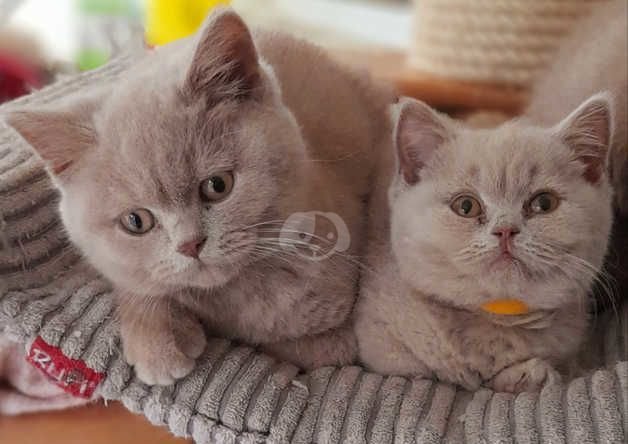
The British Shorthair Orange has rapidly become one of America’s favorite feline companions, captivating cat lovers with its charming personality and striking appearance. Known for its plush, dense coat and round, expressive face, this breed stands out not just for its aesthetic appeal but also for its endearing temperament. As more households embrace the joy of pet ownership, the British Shorthair Orange’s unique traits and loving nature make it a perfect fit for families and individuals alike. In this article, we delve into the history, characteristics, and growing popularity of this delightful breed, exploring why it has become a cherished addition to homes across the country.
The Allure of the British Shorthair Orange
A Stunning Color Variation
The British Shorthair Orange isn’t just a cat; it’s a walking ball of sunshine that seems to have been dipped in a pot of honey. With their rich, warm coats ranging from vibrant copper to soft ginger, they’re like the fuzzy equivalent of a sunset. This striking coloration isn’t just about looks; it’s the cherry on top of an already delightful character that has feline fans swooning.
Why They Capture Hearts
Beyond their eye-catching hue, British Shorthair Oranges have a charm that draws people in like moths to a lit lamp. Their round faces, big eyes, and plush bodies create a cuddly temptation that’s hard to resist. Plus, their calm demeanor and affection towards their humans make them the perfect companions for cat lovers seeking a little warmth in their lives—both literally and figuratively!
History and Origins of the Breed
Early Beginnings in Britain
Like the best stories, the British Shorthair has humble beginnings that trace back to ancient Rome, where these chubby little hunters were admired for their mousing skills. Over time, they adapted to the British climate and culture, evolving into the adorable fluffballs we adore today. The Orange variant popped up as a delightful twist in this storied tale, adding a splash of color to a breed already steeped in tradition.
Development of the Breed Standards
As the British Shorthair gained popularity, especially in the show circuits, specific breed standards were established to highlight their best features—think of it as their own personal grooming regimen. In the 19th century, with the creation of the first cat shows, traits like a rounded head, stocky base, and of course, that warm orange coat were ushered in as essentials. Fast forward, and these cuties are not just show-stoppers but also beloved household pets across the world.
Distinctive Features of the British Shorthair Orange
Physical Characteristics
The British Shorthair Orange is like a plush teddy bear come to life. With their dense, short-to-medium coat, rounded faces, and sturdy builds, they look like they could star in a cat food commercial—fluffy and snack-worthy. Their large, expressive eyes—often copper or gold—add to their captivating charm, making it tough to resist those pleading looks when snack time rolls around.
Coat Patterns and Colors
While these feline beauties are primarily known for their bold orange coats, they come with a delightful array of subtle patterns and shades. Some may sport tabby markings, while others are solid, making them the ultimate fashionistas of the cat world. Regardless of the color nuances, each British Shorthair Orange exudes warmth and personality, making them not just pets, but colorful members of the family.
Personality Traits and Temperament
Common Behavioral Traits
If there were a cat version of the “chill” button, the British Shorthair Orange would have it. Known for their laid-back nature, these cats are the zen masters of the feline universe. They’re friendly but not overbearing, often striking the perfect balance of affection and independence. If you’re looking for a cuddly companion that doesn’t hover like a helicopter parent, this is your dream cat.
Socialization with Humans and Other Pets
British Shorthair Oranges are social butterflies with a knack for charming their humans and fellow pets alike. They typically get along with dogs, other cats, and even the occasional toddler—though your toddler might want to check their pace before racing towards such a royal feline. Their gentle demeanor makes them the perfect addition to any household, effortlessly fitting into the family dynamic without making any dramas that would rival a soap opera.
Care and Maintenance of Your British Shorthair Orange
Nutritional Needs
The British Shorthair Orange, with its robust frame and playful demeanor, needs a diet that matches its lively spirit. Ideally, you’re looking at high-quality cat food rich in proteins, vitamins, and minerals. Think gourmet meals that would make your feline friend feel like royalty. A mix of wet and dry food keeps things interesting—no cat likes a monotonous menu! Keep an eye out for feeding guidelines based on weight, age, and activity level. And remember: sharing your pizza is not on the menu!
Grooming Requirements
When it comes to grooming, the British Shorthair Orange is low-maintenance, but that doesn’t mean you can skip it altogether! These cats have dense, plush coats that benefit from a weekly brush to prevent hairballs and keep their fur looking fabulous. A good quality brush will handle any shedding while giving your cat the royal treatment they deserve. Oh, and don’t forget regular nail trimming and the occasional cat spa day—because even a furry friend loves a little pampering!
Health Considerations
Like all breeds, the British Shorthair Orange has its fair share of potential health issues, including obesity, heart conditions, and dental problems. Regular vet check-ups and a watchful eye on their diet can head off most problems. Keeping them active with playtime and engaging toys is key to avoiding weight gain. Just remember: a healthy cat is a happy cat, and a happy cat is a cat that won’t plot your demise for running out of treats!
Popularity Surge in America
Social Media Influence
In the age of Instagram and TikTok, it’s no surprise that the British Shorthair Orange is stealing hearts—one adorable paw at a time. With its squishy cheeks and striking coat color, this feline has become a social media star, racking up likes and hearts faster than you can say “cat videos.” Pet influencers are showcasing their British Shorthair Oranges in all their glory, from plush cat beds to chic toys. And let’s face it: who can resist an orange kitty frolicking in a sunbeam?
Celebrity Owners and Their Impact
When it comes to pet ownership, celebrities wield power like a cat wields a laser pointer—swift and all-consuming. With stars like Taylor Swift and Ed Sheeran flaunting their British Shorthair Oranges, fans can’t help but want one of their own. These feline companions have become the ultimate status symbol, proving once again that the blend of fame and furry cuteness can create a purring phenomenon! Expect to see more Brits in orange popping up in Hollywood and beyond, dazzling their way into our hearts.
Adoption and Responsible Ownership
Finding a Reputable Breeder
If you’ve decided to welcome a British Shorthair Orange into your home (and who wouldn’t want to be greeted by that adorable face?), it’s crucial to find a reputable breeder. Look for those who prioritize health testing, socialization, and, of course, a love for the breed. A good breeder will happily answer your questions and invite you to meet the kittens—bonus points if you leave with a purring bundle of joy! Just beware of kitten mills; they’re the fast-food version of cat breeding—quick, impersonal, and definitely not good for your new furry friend.
Adoption vs. Purchase
When it comes to getting your paws on a British Shorthair Orange, you may be torn between adoption and purchase. Adopting from a shelter means providing a home to a cat in need, which is a fantastic option! Just keep in mind that finding this specific breed in a shelter is a bit like finding the Holy Grail. If you choose to purchase from a breeder, that’s perfectly fine too—as long as you’re doing it responsibly. Whichever route you take, remember: the goal is to give your new feline friend a loving, forever home.
The Future of the British Shorthair Orange in America
Trends in Cat Ownership
With Americans increasingly treating pets as family members, the demand for unique and charming breeds like the British Shorthair Orange is on the rise. From fancy feline fashion shows to Instagram accounts dedicated to their daily antics, this breed is capturing the hearts of more people than ever. Expect to see an uptick in kitty cafés, specialized cat toys, and even furniture designed specifically for our orange companions. Who knew owning a cat could turn you into a lifestyle guru?
Potential Challenges Ahead
As the popularity of the British Shorthair Orange continues to soar, it’s not all catnip and sunshine. With popularity comes the risk of irresponsible breeding and increased health issues. There’s also the chance of overpopulation in shelters if potential owners don’t consider adoption. This means that along with all the love and adoration, we need to advocate for responsible ownership and breeding practices. Let’s keep those adorable orange balls of fluff around for generations to come—because who could possibly resist such charm?In conclusion, the British Shorthair Orange has captured the hearts of many across America, thanks to its distinctive looks and amiable nature.
Frequently Asked Questions
1. Are British Shorthair Orange cats good with children and other pets?
Yes, British Shorthair Orange cats are known for their friendly and sociable nature, making them great companions for children and other pets when properly socialized.
2. How much grooming do British Shorthair Orange cats require?
They have a dense coat that benefits from regular brushing to reduce shedding and matting, typically once a week is sufficient.
3. What is the average lifespan of a British Shorthair Orange?
With proper care, British Shorthair Orange cats can live between 12 to 20 years, depending on their health and lifestyle.
4. Are there any common health issues associated with this breed?
While generally healthy, British Shorthair Orange cats can be prone to certain genetic conditions, such as hypertrophic cardiomyopathy (HCM), so regular veterinary check-ups are essential.