
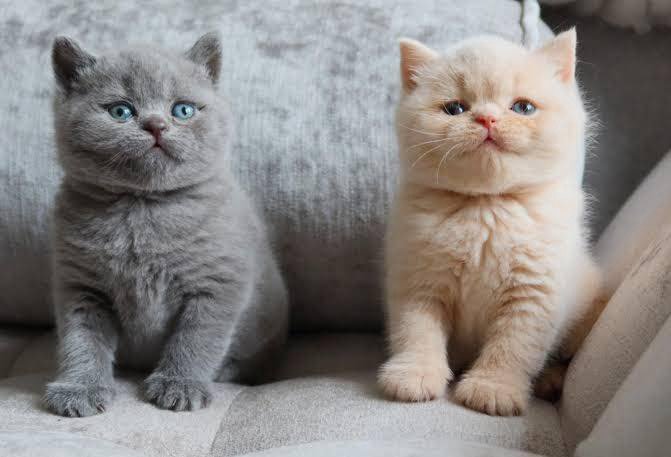
Creating the perfect home for a British Shorthair Orange involves understanding the unique characteristics and needs of this beloved breed. With their striking orange coats, muscular build, and charming personalities, British Shorthairs are not only visually appealing but also make wonderful companions. To ensure that your feline friend thrives, it’s essential to provide an environment that caters to their physical, emotional, and social needs. This article will guide you through the key aspects of designing a cat-friendly home, including space requirements, safe outdoor areas, nutrition, and enrichment activities, all tailored to enhance the well-being of your British Shorthair Orange.
Understanding the British Shorthair Orange Breed Characteristics
Physical Features and Appearance
British Shorthair Oranges are like the teddy bears of the feline world—plump, plush, and irresistibly cuddly! They boast a round face, large copper-colored eyes, and a stocky build that makes them look like they just emerged from a warm, fluffy cloud. Their coat is dense, short, and, you guessed it, a delightful orange hue that can range from a soft cream to a rich, deep gold. You’ll want to pet them all day long, but be warned: they might steal your snacks while you’re distracted!
Temperament and Personality Traits
These cats are the embodiment of chill; they combine a laid-back demeanor with just the right amount of playfulness. British Shorthair Oranges tend to be friendly, social, and affectionate, making them great companions for both humans and other pets. Their gentle nature means they usually get along well with kids, too—so they may just let your toddler tug on their tail (though, let’s not test that theory too much). On the flip side, they also appreciate a bit of “me-time,” so don’t be surprised if your fluffy friend vanishes for a catnap every now and then.
Common Health Issues
Like all breeds, British Shorthair Oranges have their fair share of potential health considerations. They can be prone to obesity (thanks to those irresistible snacks we love giving them), so keeping an eye on their diet and exercise is crucial. Additionally, they may face certain genetic conditions like hypertrophic cardiomyopathy (a fancy term for heart disease) and hip dysplasia. Regular vet check-ups, a balanced diet, and playtime will keep your purring pal happy and healthy!
Essential Space Requirements for Your Cat
Indoor vs. Outdoor Living
When it comes to the great indoors versus the wild outdoors, British Shorthair Oranges are content to lounge inside where it’s cozy and there’s no risk of an unexpected rain shower ruining their glorious fur. While supervised outdoor time can be stimulating, most cats of this breed thrive in a safely contained environment—think catio or secured patio. Let’s be real, who needs the drama of a squirrel chase when you can enjoy a sunbeam from the comfort of your favorite window?
Minimum Space Guidelines
In terms of space, the British Shorthair Orange needs plenty of room to stretch those furry legs! Ideally, a home should provide at least 18 square feet for a happy kitty. This can be a combination of floorspace, vertical climbing areas, and cozy napping spots. Remember, they aren’t fans of cramped quarters, so the more room you can provide to wander and pounce, the better. Just don’t be surprised if they claim your favorite chair as their own!
Multi-Cat Households Considerations
If you’re planning to add a British Shorthair Orange to your feline family, consider their social nature. They generally get along well with other cats but still need their own space to chill out. Designate separate areas for feeding, litter boxes, and resting spots to avoid territorial disputes. You know how it goes—everyone wants the best sunbeam! A little extra room and some patience can go a long way in keeping the peace (and avoiding furball wars).
Designing a Cat-Friendly Living Environment
Choosing the Right Flooring
When selecting flooring, think soft, cozy, and non-slip—because nobody wants a cat-tastrophe! Carpet is fantastic for providing traction and warmth. If you prefer hardwood or tile, try adding area rugs or mats to soften the blow during those enthusiastic leaps. Bonus points if you pick a color that matches your feline friend’s fabulous fur! A cat’s life is all about comfort, and every step should feel like a luxurious spa day.
Creating Climbing and Exploration Areas
Cats are natural climbers and explorers, so give your British Shorthair Orange a vertical playground! Cat trees, shelves, and climbing structures cater to their adventurous spirit while providing an excellent view of their domain. Just imagine them perched like royalty, surveying their kingdom—complete with strategically placed catnip toys for added enrichment. You might even catch them executing daring leaps like they’re auditioning for the feline Olympics!
Safe Hiding Spots and Resting Areas
Every cat needs a cozy nook to curl up in or a secret hideout to escape the world and pretend they’re the star of their own movie. Create safe resting spots using cat beds, soft blankets, or even cardboard boxes (yes, they somehow find joy in simple boxes). Just be sure these spots are away from drafts and noise. Your British Shorthair Orange deserves a sanctuary of peace and quiet—just don’t be surprised when they judge your every move from their newly claimed throne!
Choosing the Right Furniture and Decor
Cat-Safe Materials and Design
When decorating your home with a British Shorthair Orange in mind, prioritize furniture that can withstand a feline’s curiosity and playful antics. Opt for cat-safe materials—think sturdy fabrics and scratch-resistant surfaces. Avoid delicate items that scream “knock me over!” because let’s face it, a cat’s mission is to test the fragility of your prized vase. Stylish yet practical should be your motto; after all, a happy cat means a happy home!
Essential Cat Furniture Items
Your feline diva will need a cat tree, scratching post, or perhaps a window perch to feel like the royalty they are. Be sure to include a litter box (preferably in a private area—no one wants an audience during that moment of vulnerability). You might also want to stock up on cozy beds, a few toys, and maybe a cat tunnel for when they’re feeling particularly adventurous. Just remember, if they start stealing your furniture, it’s a sign they’re not impressed with your choices!
Incorporating Style with Functionality
Who says cat furniture has to be an eyesore? Look for stylish pieces that complement your decor while serving their feline function. Think chic scratching posts, sleek litter box enclosures, and elegant cat trees. By finding the perfect blend of style and substance, you can create an environment that even your cat approves of, plus one that keeps you from hiding in the closet every time guests come over. Because every cat deserves to live in a home that looks as fabulous as they do!
Creating a Safe and Secure Outdoor Space
Options for Cat Enclosures
If your British Shorthair Orange has a penchant for the great outdoors, consider creating a cat enclosure. Think of it as a luxury penthouse for your furry friend! Options range from simple mesh tunnels to elaborate outdoor catios that resemble a feline paradise. These enclosures allow your kitty to soak up the sun and watch the birds without the risk of wandering off on their own adventurous escapades.
Safety Precautions for Outdoor Time
Even with an enclosure, it’s wise to supervise your British Shorthair during outdoor time. They might look like fluffy little lions, but those instincts can kick in! Ensure that windows and doors to the outdoor area are secured, and never leave them unattended. If they venture outside without an enclosure, a harness and leash can provide a bit of control—just make sure it’s stylish!
Plants and Hazards to Avoid
When setting up your British Shorthair’s outdoor space, be a plant detective. Some common plants, like lilies and azaleas, are toxic to cats. Stick to cat-safe greenery, such as catnip, cat grass, and non-toxic flowers. Don’t forget to check for potential hazards like sharp tools, toxic chemicals, and pesky critters that could spoil their outdoor fun!
Nutrition and Feeding Essentials
Understanding Dietary Needs
British Shorthair Oranges are not just cute faces; they have specific dietary needs. These sturdy cats thrive on a balanced diet rich in protein and healthy fats. They’re kind of like your fitness-obsessed friends—always on the lookout for the best nutrients! Make sure they get enough calories to support their playful antics without tipping into “fluffy” territory.
Selecting High-Quality Cat Food
When it comes to food, quality is key! Opt for high-quality cat food that lists meat as the first ingredient. Avoid the dreaded fillers like corn or wheat—your kitty isn’t a grain-eating animal, after all. Consult your vet for recommendations based on age, weight, and activity level, and don’t forget the occasional treat to keep them motivated during training sessions (or just because they look at you with those big eyes).
Establishing a Feeding Routine
Cats are creatures of habit, so establishing a feeding routine can make your British Shorthair feel secure. Whether you opt for scheduled meal times or free feeding, consistency is crucial. Just make sure to keep an eye on those portion sizes; nobody wants a cat that can’t fit through the cat flap!
Health and Wellness Considerations
Regular Veterinary Check-Ups
Regular trips to the vet are essential for keeping your British Shorthair healthy and happy. These check-ups help catch potential issues before they become major dramas. Think of it as their annual spa day—minus the cucumber slices over the eyes! Aim for at least once a year, or as the vet advises based on their age and health.
Vaccination and Preventative Care
Getting your cat vaccinated is like providing them with a superpower against diseases! Discuss a vaccination schedule with your vet, and don’t forget about preventative treatments for fleas, ticks, and worms. Keeping up with these measures can save you (and your feline) from a lot of stress later on.
Grooming and Hygiene Practices
Grooming isn’t just for show; it’s an essential part of your cat’s health. British Shorthairs have a dense coat that can benefit from regular brushing to prevent matting and control shedding—unless you want your home to resemble a feline hair factory. Also, make sure to keep their litter box clean (they’re picky about their bathrooms) and check their ears and teeth for cleanliness—no one wants a cat with a bad case of the kitty breath!
Enriching Activities and Playtime Ideas
Choosing Engaging Toys
Your British Shorthair isn’t just a couch potato; they need stimulation! Invest in engaging toys that challenge their hunting instincts—think feather wands, laser pointers, and puzzle feeders. Rotate toys regularly to keep things fresh; your cat will appreciate the mental workout, and you’ll appreciate fewer shredded curtains.
Interactive Playtime Strategies
Interactive playtime should be a daily ritual, because let’s be honest, your British Shorthair can’t self-entertain all day. Schedule short play sessions throughout the day to keep them active and engaged. Try out various games—hide and seek with toys, or even a mini obstacle course. Yes, it’s as cute as it sounds!
Stimulating Your Cat’s Mind
Just like you wouldn’t want to binge-watch the same show on repeat, your cat craves mental stimulation, too. Consider food puzzles, which challenge them to work for their meals, or training sessions to teach tricks. Engaging their minds keeps your British Shorthair happy and healthy—and you might just impress your friends with a cat that can “sit” and “high-five.”In conclusion, creating the perfect home for your British Shorthair Orange is a rewarding endeavor that prioritizes their comfort, health, and happiness. By understanding their specific needs and implementing thoughtful design choices, you can establish a nurturing environment that allows them to thrive. Remember that a happy cat leads to a happy home, so invest time in building a space that fosters their unique personality and lifestyle. With the right care and attention, your British Shorthair will not only feel at home but will also become a cherished member of your family.
FAQ
What type of food is best for a British Shorthair Orange?
A high-quality, balanced diet that meets the nutritional needs of cats is essential. Look for premium cat food that lists meat as the first ingredient, and consider options formulated specifically for indoor cats or those prone to weight gain.
How much exercise does a British Shorthair Orange need?
While British Shorthairs are generally laid-back, they still require regular playtime and mental stimulation. Aim for at least 20-30 minutes of interactive play each day to keep them active and engaged.
Can British Shorthair Oranges live in small apartments?
Yes, British Shorthair Oranges can adapt well to apartment living as long as they have enough space to roam and play. Providing vertical spaces, scratching posts, and interactive toys can help keep them happy in smaller environments.
How often should I groom my British Shorthair Orange?
Regular grooming is recommended to minimize shedding and maintain a healthy coat. Aim to brush your British Shorthair at least once a week, and increase the frequency during seasonal shedding periods.