
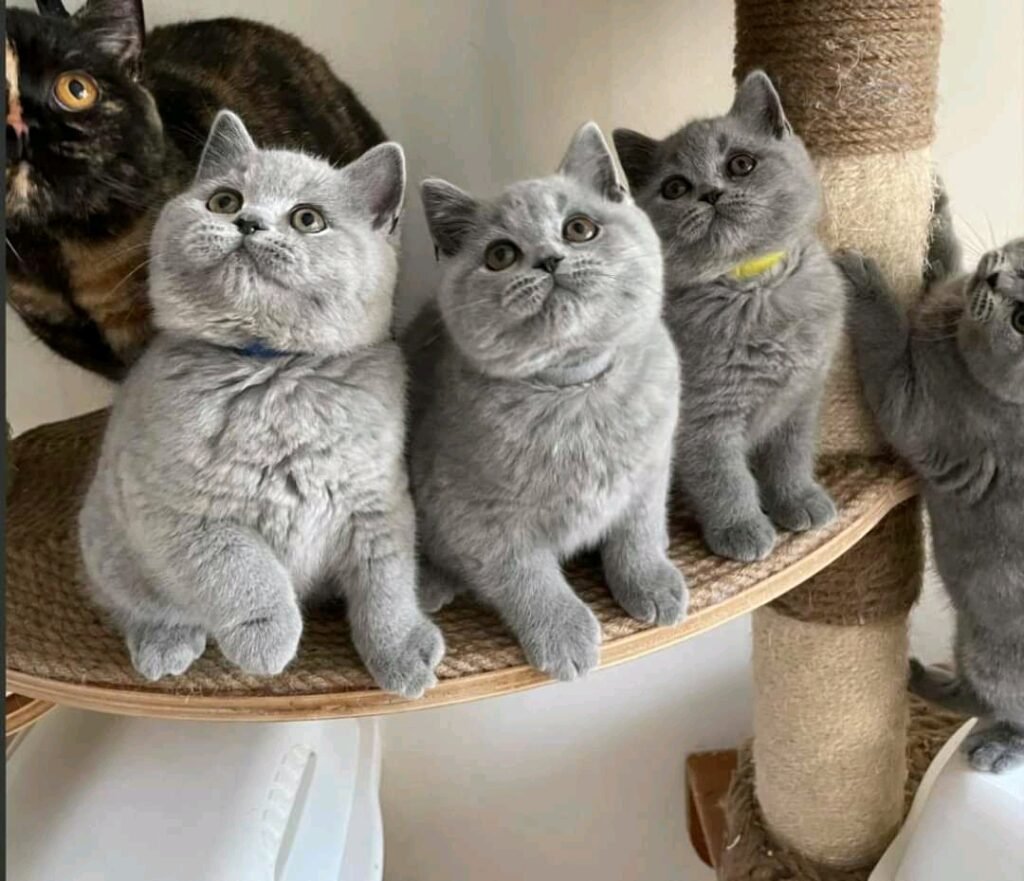
Caring for a British Shorthair orange cat can be a rewarding experience, as these charming felines are known for their affectionate nature, striking appearance, and playful personalities. With their plush coats and round faces, they capture the hearts of cat lovers around the world. However, ensuring that your British Shorthair receives proper care involves understanding their unique needs, from nutrition and grooming to health care and socialization. This article will guide you through essential tips and best practices to help your orange cat thrive, ensuring a happy and healthy life together.
Understanding the British Shorthair Orange Cat
Origin and History
The British Shorthair has a lineage steeped in history, dating back to ancient Rome when they were prized for their prowess in rodent control. The orange variant of this breed, with its vibrant coat, became popular in the 19th century. While they may not have been the feline companions of Julius Caesar, these whiskered wonders have certainly earned their spot in modern homes as beloved pets.
Physical Characteristics
With their round faces, stocky bodies, and plush, dense coats, British Shorthairs are like living teddy bears—just with sharper claws. The orange variety flaunts a striking golden hue that can range from a light ginger to a deep, rich orange. Their large, copper-colored eyes add an extra layer of charm, making it hard to resist their adorable gaze.
Personality Traits
British Shorthair orange cats are known for their calm and friendly demeanor. They’re the type of feline that “goes with the flow” and enjoys being around people without demanding constant attention. Think of them as the laid-back friend who prefers cozy nights in rather than raucous parties. They’re affectionate but maintain an air of independence—perfectly balancing snuggles with solitude.
Nutrition and Diet Requirements
Optimal Nutritional Needs
To keep your British Shorthair orange cat thriving, it’s essential to feed them a balanced diet rich in protein, moderate in fat, and low in carbohydrates. Their muscular build requires quality meat sources, while essential vitamins and minerals support their overall health. Look for formulas specifically designed for indoor cats to ensure they stay healthy and sprightly.
Recommended Food Brands
Brands like Royal Canin, Hill’s Science Diet, and Wellness are reputable choices, providing high-quality nutrition tailored for felines. Royal Canin even offers a specific line for British Shorthairs, ensuring your furry friend gets the best. Just be sure to check the ingredient list—no one wants a cat food with a mystery meat!
Feeding Schedule and Portion Control
Establishing a feeding routine is crucial. Offer two meals a day—one in the morning and one in the evening—so they don’t feel like a continuous buffet. Portion control is key; aim for about 1/2 to 1 cup of dry food daily, depending on their size and activity level. And remember, no sneaking them extra treats unless you want a cuddle buddy with a waistline!
Grooming and Coat Care
Brushing Techniques
Despite their plush coats, British Shorthair orange cats are relatively low-maintenance when it comes to grooming. Aim to brush them once a week using a slicker brush or a rubber grooming mitt to remove loose hair and prevent matting. Think of it as a spa day for your kitty—it’s a win-win!
Bathing Guidelines
Bathing should be a rare affair unless things get particularly messy (we’re looking at you, mud puddles). If you need to bathe your British Shorthair, use a gentle cat shampoo and ensure it’s a stress-free experience. Make it fun! Think of it as a cat version of a bubble bath—without the actual bubbles, unless you want to risk an epic feline drama.
Managing Shedding
Shedding happens, especially during seasonal changes. To manage this, maintain a regular brushing schedule and consider investing in a vacuum that doubles as a cat hair removal machine (trust us, they exist). Keeping their coat healthy with a proper diet and hydration will also reduce shedding and keep your home looking less like a fur-covered wonderland.
Health Care and Preventative Measures
Regular Veterinary Check-ups
Routine vet visits are essential for your British Shorthair orange cat’s health. Aim for at least once a year, or more often for senior cats. Your vet will check their weight, dental health, and overall condition while keeping you updated on the latest feline trends (yes, cat Instagram accounts count!).
Vaccination Schedule
Keep your furry friend safe from preventable diseases with a proper vaccination schedule. Typically, kittens receive their first vaccinations around 6-8 weeks, followed by boosters until they are about 16 weeks old. After that, annual boosters for rabies, FVRCP, and FeLV are recommended. Because, let’s face it, nobody wants to deal with cat flu!
Common Health Issues
British Shorthairs can be prone to certain health issues, including obesity, heart disease, and dental problems. Watch their diet and ensure they get plenty of exercise to keep them in tip-top shape. Regular dental check-ups and at-home teeth brushing can also help prevent those pesky dental ailments. After all, you wouldn’t want your cat to miss out on the joy of gnawing on their favorite toy due to a toothache!
Exercise and Enrichment Activities
Importance of Physical Activity
Exercise isn’t just for humans trying to fit into their jeans; it’s crucial for keeping your British Shorthair orange cat healthy and happy. Regular physical activity helps maintain a healthy weight, reduces the risk of health issues, and keeps your kitty mentally stimulated. Think of it as their version of going to the gym, but instead of lifting weights, they might prefer chasing a feather toy or stalking a laser pointer.
Types of Play for British Shorthairs
British Shorthairs are like the couch potatoes of the cat world, but that doesn’t mean they don’t enjoy a good romp! Engage them with a mix of solo and interactive play. Try tossing a crumpled piece of paper for solo play or engaging them with a wand toy to encourage their inner hunter. They may not be Olympic athletes, but a good chase can turn your laid-back kitty into a playful pouncer in no time!
Interactive Toys and Games
Interactive toys are a game-changer for your British Shorthair. Puzzle feeders that dispense treats or battery-operated toys that mimic prey can keep their minds sharp and their bodies active. Plus, who doesn’t love a good snack after some exercise? Just make sure to rotate the toys to keep things fresh; nobody likes the boredom of the same old game!
Socialization and Training Tips
Early Socialization Strategies
Socialization is key to raising a well-rounded feline. Start early by exposing your British Shorthair to different people, pets, and environments. Host a small gathering, let your cat roam, or gently introduce them to other pets. The goal is to make them feel comfortable and confident, rather than turning them into the introverted weirdo at the party!
Basic Training Commands
Yes, your cat can learn! Basic commands like “sit,” “come,” and “high five” may seem like a stretch for a feline, but with patience and tasty treats (the secret weapon), it’s possible. Short training sessions are key; think of it like a fun game rather than a chore. Who knows, you might have the next feline superstar in your household!
Addressing Behavioral Issues
If your British Shorthair starts acting like a person who skipped their morning coffee—grumpy and irritable—you might need to step in. Address behavioral issues like litter box problems or excessive meowing with positive reinforcement and consistent routines. If it feels like you’re taking a crash course in cat psychology, remember: patience is crucial, and don’t forget to celebrate small wins!
Common Behavioral Traits
Understanding Vocalizations
As purr-fectly charming as they are, British Shorthairs have their unique ways of communicating. From the infamous “I’m starving” meow to the “I’m bored” chirp, understanding their vocalizations can help you respond to their needs better. Sometimes, it’s just a meow for attention, but other times it might be a fur-midable request for food or playtime. Listen closely; they’re more talkative than your average cat.
Playful vs. Laid-back Behavior
British Shorthairs are masters of balance. One minute they’re chasing a toy like they’re in the Olympics, and the next, they’re a fluffball lounging on your lap. Recognizing when your cat wants to play versus when they want some chill time will save you from embarrassing moments of trying to engage a cat that’s clearly in ‘do not disturb’ mode.
Signs of Stress or Discomfort
Every cat has its quirks, but if you notice changes in behavior, it might be time to investigate. Signs like hiding, excessive grooming, or changes in appetite can indicate stress or discomfort. Keep an eye on your British Shorthair—if they’re acting off-kilter, consider consulting a vet or a feline expert to pinpoint the issue. Cats may be mysterious creatures, but with your help, they don’t need to suffer in silence!
Choosing the Right Environment for Your Cat
Creating a Safe Space
Your British Shorthair needs a cozy nook to call their own, free from chaos and ordinary human traffic. A quiet corner with a soft bed, scratching post, and a view of the outside world can work wonders. Think of this as their safe bubble where they can recharge after a long day of supervising your every move.
Ideal Living Conditions
British Shorthairs are pretty adaptable, but they thrive in a calm environment. Ensure they have access to fresh water, quality food, and a clean litter box (no one likes a dirty bathroom!). A bit of natural light and a few sunny spots for napping wouldn’t hurt either. Bonus points if you can provide a window perch for bird-watching—your feline will appreciate the entertainment!
Enrichment Ideas for Home
Keeping your British Shorthair entertained is paramount! Hide treats around the house for a scavenger hunt or invest in a cat tree for climbing and scratching. You could also create a catio for outdoor adventures while keeping them safe. Remember, a well-stimulated cat is a happy cat; boredom only leads to mischief, and nobody wants their favorite couch shredded!In conclusion, caring for your British Shorthair orange cat involves a combination of proper nutrition, regular grooming, and attention to their health and well-being. By understanding their unique traits and providing the right environment, you can foster a loving and enriching relationship with your feline companion. With the right care, your British Shorthair will not only thrive but also bring joy and companionship to your life for years to come.
Frequently Asked Questions
1. How often should I groom my British Shorthair orange cat?
It is recommended to brush your British Shorthair at least once a week to maintain their coat and reduce shedding. During heavy shedding seasons, you may need to increase the frequency.
2. What is the best diet for a British Shorthair orange cat?
A balanced diet that includes high-quality cat food rich in protein and essential nutrients is ideal for British Shorthairs. Consult your veterinarian for specific dietary recommendations based on your cat’s age, activity level, and health needs.
3. Are British Shorthair orange cats prone to certain health issues?
While British Shorthairs are generally healthy, they can be prone to certain conditions such as obesity, heart disease, and hip dysplasia. Regular veterinary check-ups and a healthy lifestyle are essential for prevention.
4. How can I keep my British Shorthair orange cat mentally stimulated?
Engage your cat with interactive toys, puzzle feeders, and regular playtime. Creating a stimulating environment with climbing structures and scratching posts can also help keep your cat mentally and physically active.