
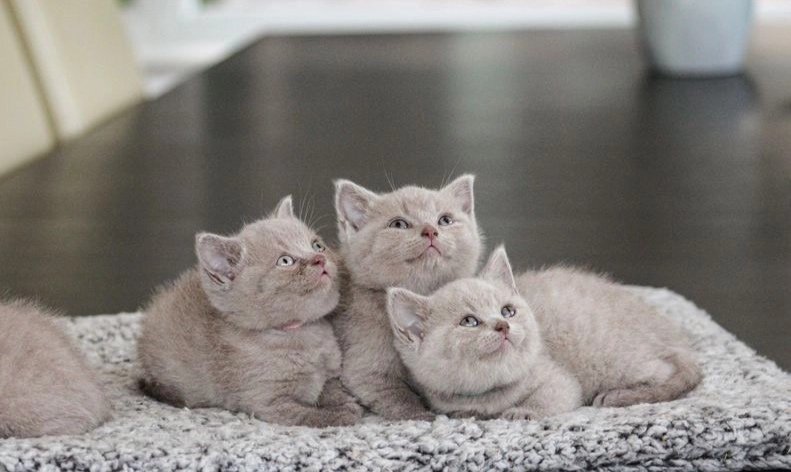
Bringing a British Shorthair kitten into your home is an exciting and rewarding experience, but ensuring that you make a healthy and informed purchase is crucial for both you and your new feline friend. Known for their distinctive round faces, plush coats, and friendly dispositions, British Shorthairs can be a wonderful addition to any family. However, with the rise of unethical breeding practices, it’s essential to navigate the purchasing process with care. This article will guide you through key considerations, from understanding the breed’s characteristics and selecting reputable breeders to assessing your kitten’s health and preparing your home for their arrival. By following these guidelines, you can ensure a happy and healthy start for your new companion.
Understanding the British Shorthair Breed Characteristics
Physical Traits and Appearance
The British Shorthair is like the bulky teddy bear of the cat world, sporting a stocky build, rounded cheeks, and a plush coat that could make any fabric store jealous. They often sport mesmerizing eye colors ranging from copper to blue, depending on their coat. Their lush, dense fur comes in a rainbow of colors and patterns, including the classic “British Blue.” If you’re looking for a cat that’s as cuddly as it is cute, you’ve found your match!
Temperament and Personality
These cats are the epitome of chill. British Shorthairs tend to have a calm and laid-back demeanor, making them perfect companions for both families and individuals. They’re not overly needy but enjoy company—think of them as the introverted friend who’s always happy to watch Netflix on the couch with you. Friendly and loyal, they have a playful side too, and their quirky antics will keep you entertained (or, at the very least, give you something to laugh about when the in-laws visit).
Common Health Issues
Like any breed, British Shorthairs come with their own set of potential health quirks. Some may be prone to heart disease, specifically hypertrophic cardiomyopathy (HCM)—a condition that sounds scary but can be managed with regular vet check-ups. Additionally, they might be susceptible to obesity due to their love of lounging (aren’t we all?), so keeping an eye on their diet and exercise is crucial. Regular health checks can help catch these issues early, letting your fluffball live a long, happy life.
Researching Reputable Breeders
Identifying Trusted Breeder Directories
Finding the right breeder is like dating—don’t rush in! Look for reputable directories such as The International Cat Association (TICA) or The Cat Fanciers’ Association (CFA). These organizations have ticked the boxes for quality standards and ethical practices. Remember, a good breeder will see you as much as a potential pet owner as you see them as a breeder.
Checking for Breed Associations
Always check if your potential breeder is aligned with breed associations. Membership in these organizations typically means they’re committed to the health and welfare of their cats. Plus, they often have access to educational resources that keep breeders informed about the best practices in breeding and caring for their kittens. If they’re not part of these clubs, it might be time to swipe left.
Reading Reviews and Testimonials
Don’t shy away from doing a little sleuthing. Check online forums, social media groups, or even ask fellow cat lovers for recommendations. Honest reviews can give you an insight into the breeder’s practices and the health of their kittens. A glowing testimonial can be as good as a glowing recommendation from your mom about her favorite lasagna recipe— if it’s good, you’ll know it!
Assessing Kitten Health and Wellness
Signs of a Healthy Kitten
A healthy kitten is usually a bundle of energy, with bright eyes, a shiny coat, and a personality that screams, “I’m ready to play!” Look for an alert demeanor, clean ears, and a well-fed appearance. If your future furball seems a little sluggish or has an unkempt coat, it might be time to reconsider that particular squish.
Important Health Checks and Vaccinations
Before signing on the dotted line (or paw print), ensure the kitten has received its core vaccinations. They should be up-to-date on essentials like feline calicivirus, feline herpesvirus, and rabies—just your typical kitty starter pack. A reputable breeder will have a clear health history and be willing to share it with you. Bonus points if they have a little scrapbook!
Understanding Genetic Testing
Genetic testing can sound like something out of a sci-fi movie, but it’s super helpful in determining if your kitten is prone to any inherited conditions. Ask your breeder if they’ve done any genetic health screenings. This way, you can better prepare for your kitty’s future health and avoid any surprises down the line—like a sudden interest in gourmet cat food that would make Gordon Ramsay proud.
Importance of Socialization and Early Development
What to Look for in Early Socialization
A well-socialized kitten is usually the life of the paw-ty. Early socialization is crucial; look for signs that the kitten has been exposed to various people, sounds, and environments. Kittens that are comfortable around humans, children, and even other pets are more likely to grow into well-adjusted adults.
The Role of Play in Development
Playtime isn’t just about fun and games—it’s essential for a kitten’s emotional and physical development. Watch how your potential pet interacts with toys and how they respond to you during play. A playful attitude usually indicates a curious and confident kitten. If they’re more interested in snoozing than chasing a laser pointer, they might need a bit more encouragement!
Fostering Good Behaviors
Instilling good habits early is key to avoiding a feline disaster later. Look for kittens that respond well to gentle correction and exhibit curiosity rather than aggression. If they’re already displaying some positive behaviors, like using a litter box or not shredding the furniture (yet), you’re probably on the right track to bringing home a delightful feline companion!
Questions to Ask Your Breeder
Inquiries About the Kitten’s Parentage
When it comes to understanding your future cuddle buddy, knowing their family tree is essential — no, not like “who invited Grandma to Thanksgiving” level, but more about the health and temperament of the kitten’s parents. Ask the breeder about the health histories of both mom and dad, including any genetic disorders common in British Shorthairs. It’s like getting a little background check but cuter and less awkward.
Health Screening Practices
A responsible breeder will have a health check-up checklist longer than a grocery list on a Sunday afternoon. You want to hear about vaccinations, regular vet visits, and any testing done for common feline diseases. If they start pulling out certificates like they’re auditioning for “Britain’s Got Talent,” you’re on the right track!
Breeding Practices and Ethics
It’s important to dive into how the kittens are bred, because this is no ordinary puppy mill. Ask about the breeder’s philosophy on breeding. Are they prioritizing the health and well-being of their cats over profit? A reputable breeder should be happy to share their ethics and practices, showing you they care about more than just making a quick buck.
Evaluating the Breeder’s Environment
Signs of a Clean and Safe Space
When you walk into a breeder’s space, you should feel a bit like a detective on the hunt for clues. Look for cleanliness: litter boxes shouldn’t resemble a war zone, and food and water should be fresh and plentiful. A nasty environment is a big red flag — the only red flags we want are for the cute little kittens to play with!
Interaction with Other Animals
Kittens need socialization, but too much chaos can be overwhelming. Observe how the breeder’s other animals behave. If they’re friendly and well-adjusted, it’s a good sign. If they’re seething like a soap opera villain, you might want to reconsider. You want to take home a kitten that’s got a good sense of cat etiquette, not one that’s ready to throw paws at anything that moves.
Understanding the Kitten’s Living Conditions
Are the kittens roaming around freely or cooped up in cramped quarters? A healthy environment will not only allow your kitten to explore but should also provide safe spaces for retreat when they want a little alone time. It’s all about balance — you wouldn’t want to adopt a kitten that feels like it’s been living in a tiny studio apartment, would you?
Health Guarantees and Documentation
Understanding Health Guarantees
Fingers crossed you find a kitten that comes with a health guarantee longer than your last New Year’s resolution. This is your safety net if you discover any genetic issues down the line. Read the fine print, as it should cover a decent timeframe and outline what happens if your little furball doesn’t come out as healthy as promised.
Required Documentation for Purchase
Make sure you’re not just getting a cute kitten and a “Best Friend” certificate. Important documents, such as vaccination records and contracts that confirm ownership, are essential. You’ll want to keep these on hand, not only for your reference but also for your kitty’s future trips to the vet.
Importance of Microchipping
Microchip your kitten, folks! It’s like giving them a tiny little ID card that’ll help you track them down if they decide to go on an unexpected adventure (and you know they will)! Ask your breeder if they microchip the kittens before adoption. It’s an extra layer of security because let’s face it, we all know that kittens can be more stealthy than the ninjas from those action movies.
Preparing for Your New British Shorthair Kitten
Creating a Safe Home Environment
Before bringing your tiny feline overlord home, you’ll need to kitten-proof your castle. Get rid of hazards like toxic plants, small items that can be swallowed, or unsecured windows. Think of yourself as a cat-proofing superhero — cape optional, of course, but highly encouraged for dramatic effect!
Essential Supplies for Your Kitten
Stock up on the essentials: litter box, scratching post, toys, food, and water dishes. You want to create a feline paradise, not a barren wasteland. And don’t forget cozy spots for napping; after all, a British Shorthair needs their beauty sleep to maintain that majestic fluff!
Establishing a Routine
Cats thrive on routine, so once your new best friend arrives, try to maintain a consistent feeding schedule, playtime, and cuddle sessions. Just know that routines might go out the window when they suddenly decide 3 AM is the best time for a marathon of zoomies. But hey, at least it will keep life interesting!In conclusion, ensuring a healthy British Shorthair purchase involves careful research, thoughtful questions, and a commitment to providing a nurturing environment for your new kitten. By taking the time to choose a reputable breeder and assessing the health and socialization of your kitten, you can pave the way for a joyful and fulfilling relationship with your feline companion. Remember, a little diligence in the beginning can lead to a lifetime of happiness with your British Shorthair.
Frequently Asked Questions
What should I look for in a reputable breeder?
Look for breeders who are registered with recognized breed associations, provide health guarantees for their kittens, and are transparent about their breeding practices. A good breeder will also encourage you to visit their facility and meet the kitten’s parents.
How can I tell if a British Shorthair kitten is healthy?
A healthy kitten should be active, curious, and have clear eyes, a clean coat, and no signs of respiratory distress or digestive issues. Always ask for health records and vaccinations before making a purchase.
What are common health issues associated with British Shorthairs?
British Shorthairs can be prone to certain genetic conditions such as hypertrophic cardiomyopathy (HCM) and obesity. Regular veterinary check-ups and a balanced diet can help mitigate these risks.
Is it necessary to socialize my British Shorthair kitten?
Yes, proper socialization is essential for a British Shorthair’s development. Early exposure to various environments, people, and other animals will help your kitten grow into a well-adjusted and confident adult cat.