
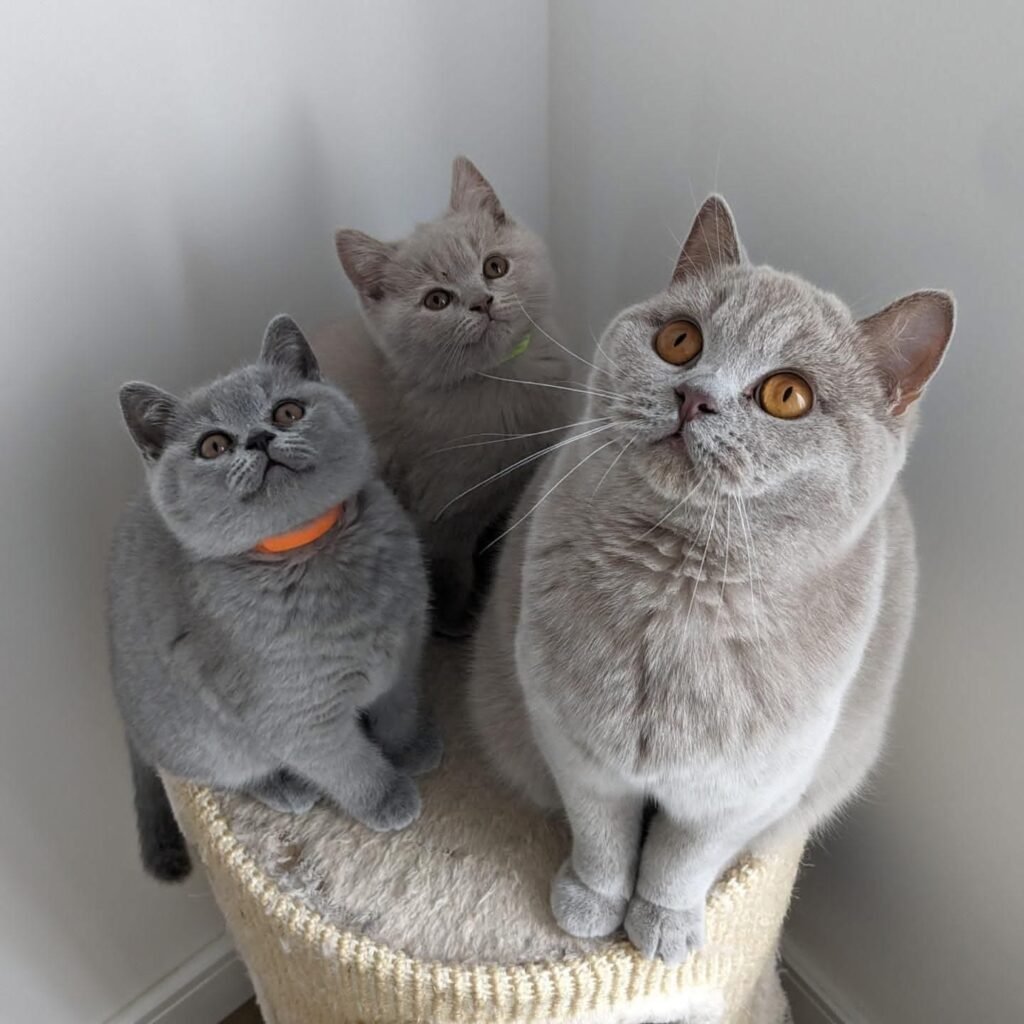
The British Shorthair is quickly becoming one of America’s most sought-after pets, captivating feline enthusiasts with its charming personality and distinctive appearance. Known for their round faces, plush coats, and affectionate nature, these cats are not just beautiful companions but also adaptable and loving members of the family. As pet lovers across the country discover the appeal of this breed, the demand for British Shorthairs continues to rise, making them a trending choice for households seeking a new furry friend. In this article, we will explore the reasons behind their popularity, delve into their unique characteristics, and offer guidance on bringing one of these delightful cats into your home.
The Rise of the British Shorthair in America
History and Origins of the Breed
The British Shorthair can trace its roots back to the Roman invasion of Britain, when cats were brought over to keep mice at bay. These sturdy felines quickly became beloved for their distinctive looks and easygoing nature. With their plush coats and round faces, they seem to have leapt right out of a storybook—and legends say they might just be the inspiration for the Cheshire Cat in “Alice in Wonderland.” It’s a royal legacy, and it’s no wonder these cats are capturing hearts across the pond!
Growing Popularity Among Pet Owners
These days, British Shorthairs are the kittens on everyone’s lips (and Instagram feeds). Their charming demeanor and adorable looks have made them a top choice for pet owners seeking a friendly, low-maintenance companion. As people increasingly opt for pets that fit seamlessly into busy lifestyles, the British Shorthair’s calm temperament and independent nature make them a match made in cat heaven. Who wouldn’t want to come home to a furry ball of fluff that looks like it just strolled off a movie set?
Social Media Influence on Pet Trends
Ah, social media—the catapult of countless trends, including our fluffy friends. Platforms like Instagram and TikTok have turned the British Shorthair into a bona fide sensation, with viral videos showcasing their adorable antics. From lounging in cardboard boxes to making questionable life choices (like playing with houseplants), these cats seem to know how to work the camera. Their popularity continues to soar as influencers showcase their plush bodies and mesmerizing eyes, making them the new “it” pet for the masses.
Unique Traits and Characteristics of British Shorthairs
Physical Appearance: Size and Coat
With a robust frame, the British Shorthair carries a certain heft that says, “Yes, I’m the king (or queen) of this house.” Their dense, plush coat comes in a variety of colors—though the classic blue-gray version is perhaps the most iconic. And those round faces? With big, expressive eyes and chubby cheeks, they could easily inspire a thousand “cute” memes. Just be prepared: that coat requires some serious pet-stroking and occasional vacuuming if you want to keep your furniture looking nice!
Temperament and Personality
British Shorthairs possess a calm and laid-back demeanor, making them the ultimate couch potatoes. They’re known for being affectionate but not overly demanding—think of them as the “cool cats” of the feline world. They love to cuddle but also appreciate their me-time (hello, introverted king!). These cats are generally friendly and get along with people and other pets, making them an excellent addition to any household.
Health Considerations
Like all breeds, British Shorthairs have certain health quirks to keep in mind. They can be prone to obesity due to their love of lounging—so keep an eye on their diet. Regular vet visits are essential to check for common issues like hypertrophic cardiomyopathy (a fancy term for heart problems). But don’t worry too much; with a little love and care, they’ll thrive and continue to rule your household for years to come!
Why They Make Great Companions
Affectionate Nature
These plush companions are like walking blankets—always ready for a snuggle. British Shorthairs bond with their humans and enjoy being part of family activities, whether that’s lounging on the couch or overseeing your cooking skills from a safe distance. Their gentle demeanor makes them perfect cuddle buddies for both young and old. Expect a lot of purrs and nudges when they’re in the mood for some affection!
Adaptability to Different Lifestyles
Whether you’re a bustling urbanite or a quiet suburban dweller, these adaptable cats can fit into just about any lifestyle. They’re equally happy curling up on your lap during your Netflix marathon or keeping themselves entertained while you’re at work. As long as you provide a comfy space and some stimulating toys, your British Shorthair will thrive, proving that they can be the low-maintenance addition to your life you never knew you needed.
Good with Children and Other Pets
If you have kids or other pets, fear not! British Shorthairs have a reputation for being gentle and patient, making them excellent playmates for little ones. Their easygoing nature means they often tolerate the exuberance of children and the antics of other furry friends. Just remember to supervise playtime, as with all pets, to ensure everyone is safe and happy. It’s like having your very own family mascot!
Care and Maintenance for a British Shorthair
Diet and Nutrition
Feeding your British Shorthair a balanced diet is crucial to keeping them healthy and happy (and not resembling a furry beach ball). High-quality, protein-rich cat food is a must! Since these cats can be prone to weight gain, keep portions controlled and avoid too many treats. After all, we don’t want them judging you for snacking while they are trying to maintain their dazzling figure!
Grooming Needs
While British Shorthairs have a luxurious coat, they’re relatively low-maintenance when it comes to grooming. A good brush once a week will help control shedding and keep their coat looking lush. They love the attention, and it’s the perfect excuse for some quality bonding time. Just imagine the serene vibe of you and your cat, sharing a moment of tranquility as you brush them while listening to lo-fi beats!
Regular Veterinary Care
Just like you go for your check-ups, your British Shorthair needs their share too! Regular vet visits will help keep them in tip-top shape and catch any potential health issues early. Vaccinations, dental care, and spaying/neutering are crucial parts of cat parenting. So, channel your inner helicopter parent and keep your feline friend happy and healthy—after all, they might just be the most regal addition to your home!
Training Tips for Your New Feline Friend
Socialization Techniques
Getting a British Shorthair to warm up to you is as crucial as convincing them that their favorite spot on the couch is still available. Start with gentle interactions; let them approach you first. Use treat-based rewards to encourage friendly behavior, and expose them to different environments and people—think of it as little kitty field trips. Just remember, a little patience goes a long way; after all, they might take their sweet time to decide you’re truly worthy of their affection.
Litter Box Training
Good news: British Shorthairs are usually pro litter box users right off the bat! Set up a spacious box in a quiet area and use unscented litter—because, let’s face it, nobody wants to smell “tropical breeze” when nature calls. Show them where it is, and keep it clean; cats are particular about hygiene. If they decide to use the living room carpet instead, just remember: it’s not personal, it’s just a cat thing.
Understanding Feline Behavior
British Shorthairs are the laid-back philosophers of the cat world—think of them as the furry Socrates. They can be aloof but affectionate, and recognizing their mood swings can save you from a surprise scratch. If your new friend is staring blankly into space, they’re probably just pondering the meaning of life (or plotting their next nap). Watch for tail movements and vocalizations; a wagging tail can mean “stay back, buddy,” while a soft purr is your green light to cuddle.
The Cost of Bringing Home a British Shorthair
Initial Purchase or Adoption Fees
Bringing home a British Shorthair can cost you anywhere from $1,000 to $3,000 if you’re buying from a reputable breeder. Adoption fees from shelters or rescues can be a steal at $100 to $300, but don’t forget to factor in the additional delights like toys, scratching posts, and a small budget to bribe them into liking you. Either way, prepare your wallet; this furry prince or princess doesn’t come along cheaply!
Ongoing Expenses: Food, Health, and Care
Once your British Shorthair is home, the real expenses start rolling in. Quality cat food (because they deserve nothing less) will set you back around $40 to $80 per month, while regular vet check-ups, vaccination, flea treatments, and the occasional “oops, they ate the entire fern” incident can add another $200 to $500 a year. Don’t forget to budget for toys—they’ll need something to entertain themselves while they plot their feline world domination.
Potential Unexpected Costs
Even the most prepared pet parent can face surprise expenses. Emergencies can pop up like a jack-in-the-box, so it’s wise to set aside a few hundred bucks for unexpected vet visits or sudden behavioral issues (like “why is my cat suddenly terrified of the toaster?”). Also, consider pet insurance; it can save you a lot of heartache—and cash—when your cuddly friend decides to eat that random sock.
Finding a Reputable Breeder or Rescue
Identifying Ethical Breeders
When scouting for a British Shorthair, make sure you’re dealing with ethical breeders who prioritize health over simply pushing out kittens for profit. Look for breeders who are transparent about genetics and health screening. A good breeder will invite you to visit their space, let you meet the parents, and chat about the cat’s lineage—basically, they should be like a proud parent showing off baby photos!
Considering Adoption from Shelters
Adopting from a shelter not only gives a cat a forever home, but it’s also a fantastic way to save money and feel like a superhero. Many shelters have British Shorthairs looking for loving homes. Plus, they often come vaccinated, spayed/neutered, and might even throw in some free cuddles. Don’t be afraid to ask about the cat’s personality; the staff usually knows their residents better than we know our own quirks!
Questions to Ask Before Bringing One Home
Before you sign those adoption papers or hand over cash to a breeder, arm yourself with a few questions. Ask about health history, socialization experiences, and personality traits. What’s their favorite toy? Are they more of a couch potato or a mini tornado? Getting this intel will help you determine if this British Shorthair is the match of your dreams or just a “cat-astrophic” decision in the making.
The British Shorthair Community: Clubs and Resources
National and Local Cat Clubs
Joining a cat club specific to British Shorthairs is like getting a VIP pass to the coolest cat conventions. These organizations often host events, competitions, and provide valuable resources for new cat parents. Whether you’re in it for the social aspect or to learn more about breed standards, being part of a community makes the journey even more fun—plus, you can bond over shared cat tales (pun intended).
Online Forums and Social Media Groups
In this digital age, you don’t have to go far to find other British Shorthair enthusiasts. Engage in online forums or search for social media groups dedicated to the breed. From photo contests to sharing tips and tricks, these online communities are a treasure trove of support. Just be prepared for the inevitable overload of adorable cat pictures—your feed might never recover!
Resources for Education and Support
Don’t wing it alone—there are tons of resources available to make your British Shorthair parenting journey easier. Check out websites, YouTube channels, and books on feline care, health, and behavior. This knowledge is your secret weapon against any issues that may arise. After all, a well-informed cat parent is a happy cat parent, and who doesn’t want that? In conclusion, the British Shorthair is more than just a passing trend; it is a wonderful companion that can enrich your life with its affectionate demeanor and unique charm. Whether you choose to adopt or buy from a reputable breeder, bringing a British Shorthair into your home is a decision that promises joy and companionship for years to come. By understanding their needs and characteristics, you can ensure a happy and fulfilling life together, making the most of the pet craze that is sweeping across America.
Frequently Asked Questions
1. Are British Shorthairs good with children and other pets?
Yes, British Shorthairs are known for their gentle and calm demeanor, making them great companions for children and adaptable to living with other pets.
2. How much do British Shorthairs typically cost?
The cost of a British Shorthair can vary widely based on factors such as breeder reputation, location, and lineage, but you can expect to pay anywhere from $1,000 to $3,000 or more.
3. What type of care do British Shorthairs require?
British Shorthairs need regular grooming to maintain their coat, a balanced diet for optimal health, and routine veterinary check-ups to prevent any health issues.
4. How can I find a reputable breeder or rescue organization?
Research local cat clubs, visit shelters, and ask for recommendations from other cat owners or veterinarians to find a reputable breeder or rescue organization dedicated to the welfare of British Shorthairs.