
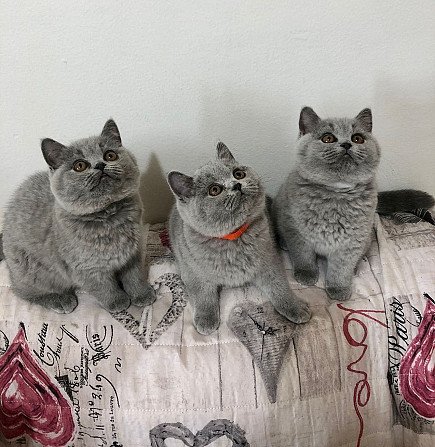
The British Shorthair cat, known for its charming round face and plush coat, has captured the hearts of feline enthusiasts around the globe. With its regal demeanor and gentle personality, this breed is now making its mark in the United States, allowing cat lovers to welcome a touch of royalty into their homes. As the demand for these adorable companions continues to rise, prospective owners are eager to learn more about their history, characteristics, and care requirements. This article will explore the enchanting world of British Shorthairs, providing insights into their availability in the U.S. and what it takes to adopt and care for these delightful cats.
Overview of British Shorthair Cats
What Makes Them Unique
British Shorthair cats are the epitome of feline royalty with their plush coats and round faces that could melt the coldest of hearts. Known for their stocky build and large, expressive eyes, these felines exude charm and elegance. Their unique blue-grey coloring is iconic, akin to the blue blood of British aristocrats. But it’s not just their looks—these cats are also famous for their friendly and laid-back demeanor, making them the perfect companions for just about anyone, from busy families to solitary writers in need of a muse.
Popularity in Other Countries
Across the pond, British Shorthairs are anything but shy. They’ve been strutting their stuff in the UK for over a century and have become a beloved fixture in households thanks to their easy-going nature. In Europe, they’ve captured hearts and homes alike, often appearing in cat shows and competitions with that nonchalant attitude that says, “Yes, I know I’m adorable.” Their popularity is steadily climbing in other regions as more people discover the joys of sharing their lives with these regal creatures.
The History of British Shorthairs
Origins of the Breed
The Royal lineage of British Shorthairs dates back to ancient Rome, where their ancestors were used as skilled vermin hunters (think of them as the original micro-managers). As these furry protectors made their way to Britain, they began to evolve, developing into the round-headed, stocky cats we know and adore today. They became popular among the upper-crust households during the Victorian era, often snuggled in the laps of literary figures and artists—definitely the “it” pet of the 19th century!
Evolution Over the Years
While their look has remained relatively consistent, their popularity has ebbed and flowed, much like a cat’s interest in a laser pointer. The breed faced challenges in the 20th century, including near extinction during the two World Wars. Thankfully, dedicated breeders kept the British Shorthair legacy alive, helping them claw back into favor post-war. Fast forward to today, and it’s clear these cats have reclaimed their throne, with a growing fanbase eager to adopt their royal charm.
Characteristics of the Breed
Physical Traits
British Shorthairs boast a sturdy build that’s almost too cute to handle. With broad heads and thick-set bodies, they look like they’ve been lifting weights at the local kitty gym. Their dense, plush fur feels like a fluffy cloud, and while they come in various colors, that signature blue-grey is the stuff of dreams. Those lovely round eyes can be copper, gold, or green, each one sparking joy as they gaze back at you—usually asking for yet another treat, of course.
Temperament and Behavior
If you’re looking for a cat that is both affectionate and independent, your search ends here! British Shorthairs are known for their calm demeanor and gentle nature, making them excellent companions. They are not the type to demand constant attention but will happily join you on the couch for a Netflix marathon or hang out while you work (probably with an unimpressed stare). They’re playful but prefer to engage in low-key games rather than running laps around the house, so if you’re a fan of a chill vibe, these kitty royals are ready to oblige!
Availability in the U.S. Market
Current Breeders and Adoption Centers
If you’ve decided to add a touch of British royalty to your life, you’re in luck! A number of dedicated breeders are now offering British Shorthairs across the U.S., ensuring that you can find your perfect feline match. Additionally, some shelters and adoption centers are beginning to recognize the breed and may have British Shorthairs looking for forever homes. It’s always a good idea to do your homework on breeders or organizations to ensure they uphold the best practices for animal care.
Legal Considerations for Importing
Thinking of importing a British Shorthair from abroad? While it sounds like a glamorous adventure, there are some legal hoops to jump through. Each state has its own regulations regarding pet importation, often requiring specific vaccinations and health certificates. It’s essential to check these requirements before scheduling that first-class flight for your future feline friend. Remember, you want to bring home a cat, not a whole set of legal fees!
Caring for Your British Shorthair
Diet and Nutrition
British Shorthairs are quite the culinary connoisseurs, and their diet should reflect that. Opt for high-quality cat food that is rich in protein and low in fillers like corn and wheat. These plump little princes and princesses need around 200-300 calories a day, depending on their size and activity level. Don’t forget to provide fresh water—after all, even royalty needs to hydrate!
Grooming Needs
With their dense, plush coats, British Shorthairs are like living teddy bears. Luckily, they’re relatively low maintenance! A good brushing once a week keeps their fur looking regal and reduces shedding. They might not mind a pampering session, but don’t expect them to roll over for a spa day. Regular nail trimming and dental care are equally important to keep your royal companion in tip-top shape.
Health Considerations
Like all noble breeds, the British Shorthair is prone to some health issues, so keeping a vigilant eye is essential. Look out for hypertrophic cardiomyopathy (HCM) and obesity, as they can be couch potatoes. Annual vet check-ups will help you catch any potential problems early. A balanced diet and regular exercise can keep your furry friend frolicking around like the royalty they are!
Cost and Adoption Considerations
Initial Purchase Price
Bringing home a British Shorthair is an investment worthy of a king’s ransom—well, sort of! You can expect to pay anywhere from $1,500 to $3,000, depending on the breeder and the pedigree of your chosen kitty. This royal price tag often reflects their popularity and the effort breeders put into ensuring healthy, well-socialized kittens.
Ongoing Expenses
Once you’ve established your feline kingdom, the ongoing expenses begin to add up. Budget for food (you wouldn’t want them to go hungry!), routine vet visits, grooming, and, of course, toys and scratching posts (royalty needs playtime, too!). Expect to spend around $600 to $1,200 annually. It’s a small price to pay for the companionship of a cat that considers you part of their court!
Popularity and Demand Trends
Market Growth in the U.S.
The British Shorthair has rapidly gained popularity in the U.S., thanks in part to their charming appearance and easy-going personalities. Cat enthusiasts have jumped on the bandwagon, and rescue organizations are also starting to see an influx of this regal breed. All signs point to a growing demand for these fluffy citizens of the feline realm, making them more common in homes across the nation.
Comparison with Other Breeds
When stacked against other breeds, British Shorthairs hold their ground quite well in terms of demand. While Siamese and Maine Coons might have their loyal fans, British Shorthairs have a unique appeal with their round faces and stocky bodies that capture hearts—quicker than a cat can chase a laser pointer! Their stable temperament makes them a favorite among families, further solidifying their place in the cat hierarchy.
Testimonials from British Shorthair Owners
Real-Life Experiences
Don’t just take our word for it—here’s what actual British Shorthair owners have to say. Many have shared stories of their feline companions’ quirky antics, from their fondness for lounging in the sun to their dignified yet goofy personality. One owner noted, “My British Shorthair, Sir Purrs-a-lot, has the personality of a teddy bear but the grace of a ballerina!” Sounds like a royal match made in heaven!
Why Choose a British Shorthair?
So why choose a British Shorthair? In addition to their charming looks and delightful demeanor, they are known for their adaptability—perfect for city dwellers and country folk alike. They are affectionate but not overly clingy, striking that perfect balance in a companion. Plus, who wouldn’t want a cat that looks like it walked straight out of a storybook? It’s a recipe for happiness, fur, and plenty of purring! In conclusion, the British Shorthair cat offers a perfect blend of companionship and charm, making it a wonderful addition to any household. As they continue to gain popularity in the U.S., potential owners have the opportunity to embrace this affectionate breed. By understanding their needs and characteristics, you can ensure a fulfilling and joyful relationship with your new feline friend.
FAQs
Are British Shorthair cats good for families with children?
Yes, British Shorthairs are known for their gentle and adaptable nature, making them a great choice for families. They typically get along well with children and other pets.
How much do British Shorthair cats cost in the U.S.?
The cost of a British Shorthair can vary significantly based on factors such as pedigree and breeder reputation, typically ranging from $1,500 to $3,000.
Do British Shorthairs require special grooming?
While their dense coat does require regular brushing to minimize shedding, British Shorthairs are relatively low-maintenance compared to other breeds. Weekly grooming is usually sufficient.
What are common health issues associated with British Shorthairs?
British Shorthairs are generally healthy, but they can be prone to certain genetic conditions such as hypertrophic cardiomyopathy (HCM). Regular veterinary check-ups can help monitor their health.