
When considering adding a feline companion to your home, the British Shorthair often stands out not only for its charming appearance but also for its unique personality and characteristics. However, potential owners may be surprised by the costs associated with acquiring and caring for this beloved breed. Understanding these expenses is crucial, as they extend beyond the initial purchase price and encompass long-term care, health considerations, and the invaluable emotional benefits of pet ownership. This article explores why British Shorthairs are worth every penny, providing insights into the costs involved and the rewards of bringing one of these affectionate cats into your life.
The British Shorthair: An Overview of the Breed
History and Origin
The British Shorthair is like the Beatles of the cat world—timeless and beloved with a rich history that dates back to ancient Rome. These fluffy companions were originally bred for their mousing skills, blending the wild with the domesticated. Over the centuries, they’ve evolved from hard-working pests’ enemies to the cuddly lap warmers we know and adore today, especially after gaining fame in literary works, including Lewis Carroll’s “Alice’s Adventures in Wonderland.”
Physical Characteristics
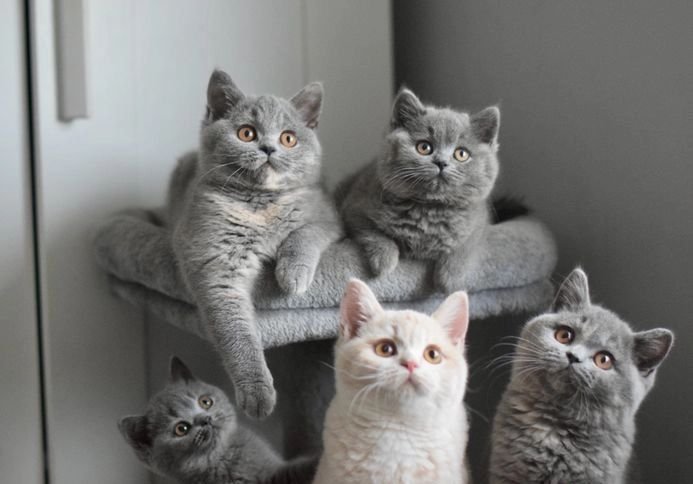
The British Shorthair is a veritable teddy bear of a cat, boasting a stocky build, round face, and big, expressive eyes that could melt even the iciest hearts. Their dense, plush coat—almost like a comforting cloud—comes in a plethora of colors and patterns, though the classic blue-gray is iconic. They have sturdy legs and a tail that’s thick at the base and tapers to a rounded tip, making them look like the purr-fect blend of strength and cuddly softness.
Personality Traits
If the British Shorthair were a person, they’d be the one who shows up at your parties with a six-pack of soda, charmingly engaging but also content to lounge on the sofa. These cats are known for their calm, trainable demeanor, making them easy-going companions. They’re not overly needy but enjoy affection on their terms, often entertaining you with their quirky antics, followed by a blissful snooze in the sun.
Distinctive Features and Temperament
Coat Colors and Patterns
From the classic silver-blue to shades of cream, chocolate, and lilac, the British Shorthair flaunts a spectrum of stunning tapestry worthy of an art gallery. Their coat can come in solid colors, tabby, or even bicolor varieties. Each one is unique, like a feline snowflake—but a lot fluffier and with fewer cold fingers.
Behavioral Traits
This breed strikes a delightful balance between playfulness and serenity. You might catch them engaging in a random bout of zoomies, running like they just drank a pot of coffee, but they’re equally likely to lounge peacefully in your lap. British Shorthairs are known to be less vocal than some other breeds, often communicating with subtle glances, nose boops, and a demanding “pet me” posture.
Socialization Needs
While they appreciate the company of humans, British Shorthairs are not overly demanding. They can be independent but still thrive on social interaction—think of them as the introverted friend who enjoys a good chat but also loves a cozy night in. To keep them happy, regular playtime and gentle socialization are key, ensuring they feel loved without being smothered.
The Cost Breakdown: Initial Purchase vs. Long-Term Care
Purchase Prices from Breeders
When it comes to acquiring a British Shorthair, expect to shell out a pretty penny—typically between £800 to £2,000 depending on their pedigree and the breeder’s reputation. That’s right, folks, this fluffy gem comes with a price tag worthy of its royal lineage. Make sure to choose a reputable breeder; after all, you’re investing in more than just a pet; you’re acquiring a furry family member!
Initial Supplies and Setup Costs
Before your British Shorthair struts into its new domain, make sure to budget for the essentials—think scratching posts, comfy beds, litter boxes, toys, and perhaps a stylish carrier for jaunts to the vet. Setting up your kitty kingdom can run you easily into the hundreds, but fret not; it’s an investment in feline happiness (and your sanity).
Ongoing Expenses: Food, Litter, and Supplies
Once your kitty settles in, prepare for the ongoing costs of cat parenthood. High-quality cat food, litter, and regular supplies can average around £50 to £100 monthly, depending on your cat’s diet and habits. And trust us, your British Shorthair has a knack for making you feel guilty if you’re not serving gourmet kibble on a silver platter.
Health Considerations and Preventative Care Expenses
Common Health Issues in British Shorthairs
While British Shorthairs are generally robust, they’re not without their quirks. They can be prone to weight gain, hypertrophic cardiomyopathy, and dental issues. Regular check-ups and a keen eye on their health can help avoid major issues, making your life easier (not to mention your wallet).
Routine Veterinary Care
Expect to set aside around £200 to £400 annually for routine vet visits, vaccinations, and basic care. This will also cover those awkward moments when your fluffball gets into something they shouldn’t—because let’s face it, they’re curious little creatures!
Pet Insurance: Is It Worth It?
Pet insurance for your British Shorthair can offer peace of mind and save you from astronomical bills during emergencies. While it may seem like an additional expense, the potential for high vet costs due to their predispositions makes it a savvy investment. Just like that gym membership you never use, it’s great to have when you need it!
Quality Breeding: Why It Matters
The Importance of Responsible Breeders
When it comes to British Shorthairs, you want a breeder who treats their cats like royalty. Responsible breeders prioritize the health and temperament of their felines, ensuring you get a kitten that’s not just cute but also has a dash of personality and vitality. They invest time in researching lineage, not just for bragging rights at the next cat show, but to minimize hereditary issues that can lead to expensive vet bills—and we all know that catnip doesn’t come cheap!
Genetic Testing and Health Clearances
A quality British Shorthair comes with a pedigree, and that doesn’t mean just a printed certificate. Responsible breeders usually conduct genetic testing and health clearances, covering conditions like hypertrophic cardiomyopathy (HCM) which can be a real heartbreaker—both literally and financially. This preemptive measure means fewer trips to the vet down the road, keeping both your bank account and your heart intact.
Long-Term Benefits of Choosing Quality
Choosing a quality breeder might feel like a splurge today, but it’s an investment in peace of mind for years to come. Well-bred British Shorthairs tend to enjoy better health, more stable temperaments, and longer lifespans. Think of them as the fine wine of the cat world—while they might cost a bit more upfront, they’re well worth it when you consider the joy they bring for years, or rather, the happiness you’ll sip from that wine glass while your purring companion makes everything feel right.
The Value of Companionship and Emotional Benefits
Impact on Mental Health
Adopting a British Shorthair is like signing up for a furry therapist. Studies have shown that having pets can reduce stress, anxiety, and even depression. The soft purr of a British Shorthair is proven to release oxytocin—yes, the love hormone—making your worst days just a little more bearable. Who needs a fancy spa day when your fluffball is on the couch, ready to lend an ear (and a paw)?
Building Relationships with Pets
The bond you form with your British Shorthair is something truly special. These cats are known for their affectionate and easy-going nature, making them great companions. Building a relationship with them is a bit like a slow-cooked stew; it takes time and patience, but the rewards are filling (and wonderfully comforting). You’ll soon discover they have moods and quirks that make them as unique as a fingerprint—or a catnip-stuffed toy.
The British Shorthair’s Role in Family Dynamics
British Shorthairs can be the glue that holds your family together. Their calm demeanor and social personality often make them the perfect addition to households of all shapes and sizes. They teach kids responsibility, provide companionship, and can even reduce sibling squabbles by being the ultimate distraction. Plus, who can resist the charm of a round-faced kitty stealing the spotlight in family photos?
Comparing Costs with Other Popular Breeds
Price Ranges of Competing Breeds
Let’s face it, cats can be pricey, but not all felines are created equal. British Shorthairs typically fall into the upper tier of cat prices, but they often come with a list of features their competitors can’t boast. While others may tempt you with lower price tags, you might find yourself forking over more dough in vet bills and behavioral training. The devil’s in the details, and sometimes it pays to go with the priciest option.
Care Requirements: A Comparative Analysis
Some breeds are high-maintenance, demanding constant grooming, while others are more “do not disturb” in their daily lives. British Shorthairs are the happy medium: low grooming needs mixed with high snuggle potential. They thrive with regular vet check-ups, quality food, and a few toys—much simpler than some other breeds that require more specialized care, so even if they come with a higher price tag upfront, they’re the smart choice for the easygoing cat owner.
Long-Term Investment and Value Perception
When considering the cost of a British Shorthair, think long-term. Investing in a well-bred cat often means fewer surprises down the line, as they’re less likely to suffer from chronic health issues. You’ll find that the initial investment can lead to a better quality of life and fewer costs down the road, all while enjoying the loving companionship that comes with your fluffy friend. Remember, it’s not just a purchase; it’s a lifelong relationship.
Conclusion: Investing in a British Shorthair
Summarizing the Financial and Emotional Value
So, are British Shorthairs worth every penny? Absolutely! With their quality breeding, emotional benefits, and lower long-term care costs compared to other breeds, they’re not just a pet; they’re a furry investment in happiness. Every penny spent on that charming ball of fluff is an investment in a happier you, complete with joyful moments and purring reminders that you’re never alone.
Final Thoughts on Ownership Commitment
Bringing a British Shorthair into your life is akin to committing to a thrilling romance. There will be highs, lows, and plenty of unexpected hairballs. But if you’re ready for unwavering love, adorable antics, and the occasional judgmental stare, then buckle up—because this is one relationship that’s bound to be a purr-fect match! In conclusion, while the initial and ongoing costs of owning a British Shorthair may seem significant, the companionship, joy, and love they bring into our lives are truly priceless. By investing in a quality breed and understanding the associated expenses, you can ensure a fulfilling and rewarding relationship with your feline friend. Whether you’re drawn to their striking appearance or their affectionate nature, a British Shorthair proves to be a worthy investment for any cat lover.
Frequently Asked Questions
1. What is the average cost of a British Shorthair kitten?
The average price for a British Shorthair kitten from a reputable breeder typically ranges from $1,500 to $3,000, depending on factors such as pedigree, color, and breeder reputation.
2. Are British Shorthairs prone to any specific health issues?
Yes, British Shorthairs can be prone to certain health issues, including hypertrophic cardiomyopathy (HCM) and obesity. Regular veterinary check-ups and a balanced diet can help mitigate these risks.
3. How much should I expect to spend on food and supplies for a British Shorthair?
Monthly expenses for food, litter, and basic supplies can range from $50 to $100, depending on the quality of products chosen and individual cat needs.
4. Is it worth getting pet insurance for a British Shorthair?
Many owners find pet insurance beneficial, as it can help manage unexpected veterinary costs, especially given the potential health issues associated with the breed. Evaluating different plans can help you find one that suits your budget and needs.