
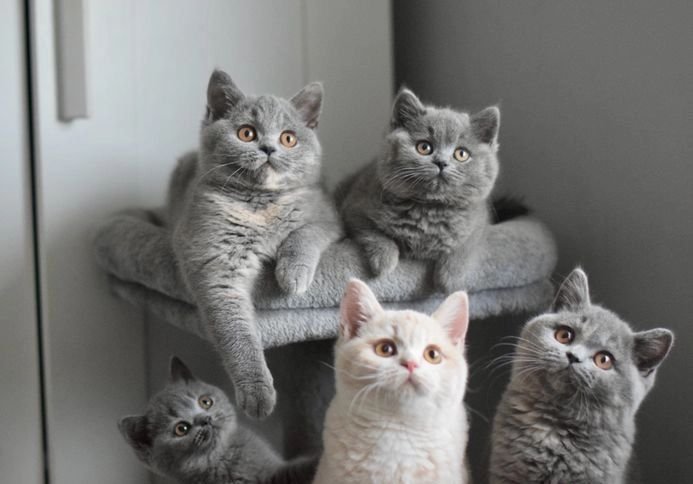
The British Shorthair, with its plush coat, striking round face, and easygoing temperament, has rightfully earned its reputation as one of the most beloved feline companions in American households. Known for their royal demeanor and charming personalities, these cats bring an air of elegance and warmth to family life. Their gentle nature and adaptability make them ideal pets for families and individuals alike, while their rich history adds an intriguing layer to their appeal. As we explore the unique traits, care requirements, and overall allure of British Shorthairs, you’ll discover why these furry royals are the must-have companions for cat lovers across the nation.
Introduction to British Shorthairs: The Furry Royals
The Allure of British Shorthairs
If cats were royalty, British Shorthairs would sit atop the throne with a fluffy crown and a scepter made of catnip. Their round faces, plush fur, and stocky bodies are practically begging to be adored. With a demeanor as regal as their appearance, these felines exude an undeniable charm that captures the hearts of cat lovers everywhere. Whether they’re lounging on your favorite chair or engaging in a majestic nap, they effortlessly combine sophistication with a sprinkle of silliness.
A Brief Overview of Their Popularity in America
Once just a British secret, British Shorthairs have taken the U.S. by storm, prancing their way into the hearts and homes of many Americans. Their popularity has surged thanks to social media, where these chunky cuties have become internet sensations, boasting millions of followers who can’t resist their cuddly charm. From cat shows to Instagram feeds, it seems that everyone wants a piece of the British Shorthair magic!
Unique Characteristics and Traits of British Shorthairs
Physical Appearance and Distinctive Features
British Shorthairs are like the teddy bears of the cat world, but with a side of elegance. Their dense, plush fur comes in an array of colors, though the classic blue-grey is the most iconic. With large, round eyes that can melt even the coldest hearts, and a face that looks like it’s perpetually pondering life’s great mysteries, these cats are the epitome of adorableness. Their sturdy build adds to their cuteness factor—imagine a mini bulldozer of fluff!
Temperament and Personality Traits
If you’re looking for a feline drama queen, keep searching. British Shorthairs are the confident, cool cats of the pet world. They’re affectionate but not clingy, playful yet dignified—think of them as the wise old sage of your living room. They enjoy a good play session but are equally thrilled with a cozy nap on your lap. Their laid-back attitude makes them the perfect companions, always ready to provide a comforting presence without being overly demanding.
The History and Origins of the British Shorthair Breed
Early Beginnings and Historical Significance
The British Shorthair has a history as rich as a British pudding. Believed to be descendants of the cats used by Roman soldiers to control pests, these furry companions have been around since at least the Roman conquest of Britain. Over the centuries, they’ve been revered for their hardiness and charm, eventually becoming a staple in British households. Their strong lineage makes them not just pets, but a piece of history you can cuddle with!
The Role of British Shorthairs in Culture and Art
These fluffy felines have strutted their stuff in culture and art since time immemorial. From the famous Cheshire Cat in Lewis Carroll’s “Alice in Wonderland” to countless paintings depicting their majestic presence, British Shorthairs have left their paw prints all over the artistic landscape. They’re not just cats; they’re living art, often inspiring affection and admiration in literature, films, and, of course, social media!
Why British Shorthairs Make Perfect Pets for American Families
Adaptability to Various Living Environments
Whether you live in a cozy apartment or a sprawling house, British Shorthairs are like the Swiss Army knives of the cat world—they fit in everywhere! Their easygoing nature allows them to adapt to various living environments without turning your home into a feline circus. They’re content watching the world go by from a sunny windowsill or joining you for family game night—just don’t expect them to carry the dice!
Compatibility with Children and Other Pets
British Shorthairs are the cat equivalents of gentle giants, making them ideal for families with children and other pets. They have an almost saintly patience, tolerating the occasional enthusiastic tug on their tail or a poorly executed cuddle session from little humans. With a friendly disposition and amiable nature, they tend to get along well with other pets, making them the ideal addition to a bustling family household. After all, every family needs a furry royal to keep the peace!
Care and Maintenance: Keeping Your British Shorthair Happy and Healthy
Nutritional Needs and Diet Recommendations
Feeding your British Shorthair isn’t just about filling their bowl; it’s an art form. These plush furballs thrive on high-quality, protein-rich diets, ideally containing real meat as the first ingredient. Look for cat food labeled “for indoor cats” to help manage their tendency to be a bit lazy. You can also throw in wet food for a splash of hydration and variety. And remember, portion control is key—nobody wants a chubby kitty wiggling their way through life!
Grooming and Hygiene Practices
Your British Shorthair’s coat is like a luxurious blanket, and it deserves royal treatment! While they have a dense, plush coat that requires minimal grooming compared to other long-haired breeds, regular brushing—at least once a week—will help reduce shedding and keep their fur looking fabulous. Don’t forget to check their ears and trim their nails to keep them feeling like the true dignitaries they are. A bath is rarely necessary, but if they do get a bit funky, use a gentle cat shampoo and prepare for a grumpy yet glamourous feline.
Exercise and Mental Stimulation
Despite their regal appearance, British Shorthairs aren’t couch potatoes—well, not always! Engage your furry royal with interactive toys, feather wands, and puzzle feeders to keep their minds sharp. They enjoy a good chase, so set up a mini obstacle course or toss a few crumpled paper balls for them to pounce on. Aim for at least 15-30 minutes of playtime each day; combine that with some climbing fun (a cat tree will do) to keep them in tip-top shape!
Common Health Issues and Lifespan of British Shorthairs
Understanding Potential Health Concerns
Every breed has its quirks, and British Shorthairs are no exception. They can be prone to specific health issues like hypertrophic cardiomyopathy (a fancy way of saying heart disease) and obesity due to their love for food (who can blame them?). Being alert to these conditions, along with dental issues and urinary tract problems, will go a long way in keeping your fluffball happy and healthy.
Preventive Care and Regular Veterinary Check-ups
Regular veterinary visits are crucial for your British Shorthair—think of it as their royal health audit. Schedule annual check-ups to catch potential issues early. Vaccinations, dental cleanings, and parasite control will keep your kitty feeling like the king or queen they are. Also, don’t skip on spaying or neutering unless you’re planning to join the kitty matchmaking game.
Finding a Reputable Breeder or Adoption Center
What to Look for in a Breeder
When searching for a breeder, be as picky as a cat choosing its sunniest spot. Look for someone with a good reputation who prioritizes health and temperament over just cashing in on cuteness. Visit their facility if possible, meet the kitten’s parents, and ask about health screenings. Good breeders want you to be a paw-sitive fit for their cats, so if they seem eager to help, you’re on the right track.
Adoption vs. Buying: Pros and Cons
Adoption is a noble quest filled with heartwarming potential, and there are plenty of British Shorthairs waiting for their forever homes! Adopting from shelters or rescues can save lives and often comes with lower costs. On the other hand, buying from a breeder might guarantee a purebred kitty with a known lineage and fewer surprises. Weigh your options carefully, but either way, both paths can lead to a fur-ever friend.
Conclusion: Embracing the British Shorthair Lifestyle in America
The Joy of Sharing Life with a British Shorthair
Welcome to the world of fluffy companionship! Living with a British Shorthair means daily doses of love, laughter, and the occasional royal side-eye. These charming kitties will curl up on your lap and make even the grumpiest days a little brighter.
Final Thoughts on Bringing Home Your Furry Royal
So, are you ready to invite a British Shorthair to reign over your home? With their playful yet dignified demeanor, they are sure to win over your heart (and possibly your favorite chair). Prepare your castle, stock up on catnip, and get ready for the fluffy adventures ahead—the regal life awaits!In conclusion, the British Shorthair stands out as a remarkable breed that combines charm, loyalty, and a regal presence, making them a perfect addition to any home. Whether you’re drawn to their striking appearance, gentle temperament, or rich history, these furry companions promise to bring joy and companionship to your life. By choosing to welcome a British Shorthair into your family, you are not just adopting a pet; you are gaining a loving friend who will enrich your days with their playful spirit and affectionate nature.
Frequently Asked Questions about British Shorthairs
1. Are British Shorthairs good for first-time cat owners?
Yes, British Shorthairs are known for their easygoing and adaptable nature, making them great companions for first-time cat owners. They are generally low-maintenance and have a calm demeanor, which can be comforting for new pet parents.
2. How much grooming do British Shorthairs require?
British Shorthairs have a dense coat that benefits from regular grooming. A weekly brushing is typically sufficient to keep their fur in good condition and to reduce shedding.
3. Do British Shorthairs get along with children and other pets?
Yes, British Shorthairs are known for their friendly and sociable nature, making them suitable for families with children and other pets. However, proper introductions and supervision are essential to ensure a harmonious environment.
4. What is the average lifespan of a British Shorthair?
The average lifespan of a British Shorthair is typically between 12 to 20 years, depending on their overall health, diet, and care. Regular veterinary check-ups can help monitor their health and longevity.