
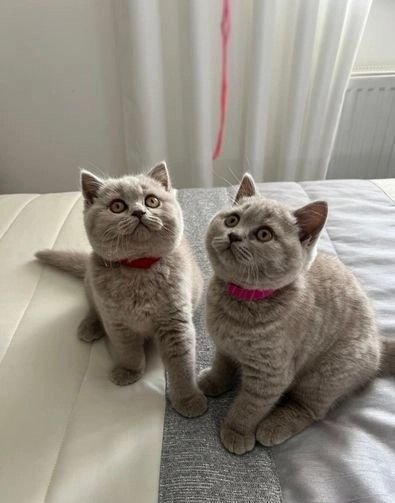
In recent years, the British Shorthair has emerged as one of America’s most beloved cat breeds, captivating feline enthusiasts with its charming demeanor and striking appearance. Known for their round faces, dense coats, and stocky build, these cats possess a unique blend of playfulness and calm that makes them ideal companions for both families and individuals. As their popularity continues to surge, more people are discovering the joys of welcoming a British Shorthair into their homes. This article delves into the reasons behind their rise in favor, exploring their distinctive characteristics, appealing personalities, and what prospective owners should know before adopting one of these delightful felines.
The Rise of the British Shorthair in American Households
Historical Background of the Breed
The British Shorthair is not just a pretty face; they have a rich history that dates back to Roman times when they were brought to Britain to control the mouse population. Fast forward to the late 19th century, and these felines strutted their stuff at the first cat show at Crystal Palace in London, where they snagged everyone’s attention. With their charming round faces and dense coats, it’s no wonder they captured hearts and became a symbol of feline grandeur.
Factors Contributing to Their Popularity
Today, American households are swooning over British Shorthairs for various reasons. Their plush personas are Instagram gold, making them internet sensations. Moreover, their laid-back, friendly disposition appeals to busy families and laid-back singles alike. With their striking appearance and charming demeanor, they seem to have found the purrfect niche in American homes—no catnip required!
Distinctive Characteristics of the British Shorthair
Physical Traits and Appearance
If there’s one thing British Shorthairs excel at, it’s being utterly adorable. These sturdy cats boast a muscular build, broad faces, and round, expressive eyes that could charm the socks off anyone. Their plush coats are like a cloud you can hold, and their iconic “chubby-cheeked” look is practically a cuddle magnet. Whether they’re lounging in a sunbeam or stalking a rogue piece of fluff, they do it all with an air of dignified grace.
Color Varieties and Patterns
One look at a British Shorthair, and you might think they were painted by an artist with a penchant for variety. These kitties come in a smorgasbord of colors and patterns, from the classic blue-gray to cream, chocolate, and even tabby variations. Whether you prefer a monochrome masterpiece or a colorful patchwork of meows, there’s a British Shorthair out there ready to steal your heart (and perhaps your sandwich).
The Appeal of Their Temperament and Personality
Affectionate and Playful Behavior
Contrary to their regal appearance, British Shorthairs have a playful side that can send you into fits of giggles. They enjoy interactive playtime, but they also appreciate their downtime—like a perfect blend of chaos and calm. With a gentle nudge or a soft headbutt, they express love in the most delightful ways. These affectionate furballs are known to form strong bonds with their humans, ensuring you’ll never feel alone during a Netflix binge.
Adaptability to Family Life
British Shorthairs are the ultimate sidekicks for family life. They adapt well to various living situations, be it a bustling household with kids or a quiet apartment. Their chill vibes and easygoing nature make them excellent companions for children and other pets, as they can effortlessly roll with the punches (and the toys). So whether your lifestyle is a busy circus or a serene retreat, a British Shorthair will fit right in and make it all the more enjoyable.
Health and Care Considerations for British Shorthairs
Common Health Issues
While British Shorthairs are generally healthy cats, they are not immune to certain breed-specific health issues. Pay attention to their weight, as obesity can become a problem if they indulge in too many treats (we’ve all been there). Additionally, they can be prone to heart diseases like hypertrophic cardiomyopathy, so regular vet check-ups are key to keeping your furry friend in tip-top shape.
Diet and Nutrition Requirements
To keep your British Shorthair as healthy as they are cute, a balanced diet is essential. High-quality cat food tailored to their age and activity level will help them maintain a healthy weight. Don’t forget portion control; those big eyes will make you feel guilty when they beg for food! Always provide fresh water and resist the temptation to share your leftovers (even if they give you that “I love you” face).
Grooming and Maintenance Tips
Grooming a British Shorthair is as easy as pie (that’s a saying, right?). Their dense coats require regular brushing to prevent mats and reduce shedding, but they are relatively low-maintenance compared to some other breeds. Aim for a good brush once a week, and don’t forget those adorable little ears and those precious paws need checking too! Regular grooming can turn into a bonding experience, and who wouldn’t want to spend extra time with their fluffy companion?
Comparing British Shorthairs to Other Popular Breeds
Similarities and Differences with Persians
British Shorthairs and Persians might both be the epitome of cute, but they have some distinct differences. For starters, the British Shorthair is known for its plush, dense coat and round face, while Persians bring a whole different level of fluff with their long, luxurious fur and squishy features. When it comes to personality, British Shorthairs are more laid-back and independent, whereas Persians often demand a little more attention (think feline divas). Both breeds have charm in spades, but if you prefer your cat to exude a cool, composed vibe, the British Shorthair might steal your heart.
How They Compare to Maine Coons
While the British Shorthair and Maine Coon both boast impressive sizes and striking looks, their personalities and care requirements differ. Maine Coons are like the gentle giants of the cat world – loving, sociable, and playful, often playing fetch with their owners (yes, really!). In contrast, British Shorthairs tend to be more reserved and enjoy lounging like plush little aristocrats. Their grooming needs also vary: British Shorthairs require less maintenance with their short coats, while Maine Coons have silky fur that demands regular brushing to avoid matting. If you want a chill companion who’s not needy, the British Shorthair is the way to go; if you’re up for playful antics and a bit of fluff management, consider a Maine Coon.
British Shorthairs in Popular Culture
Famous British Shorthairs in Movies and TV
British Shorthairs have strutted their stuff in popular culture, winning over hearts beyond the living room. From literary masterpieces to cinematic delights, this breed has graced our screens. Who can forget the charming character of Puss in Boots? While not a direct British Shorthair, that suave feline spirit echoes the breed’s playful yet dignified nature. In the animated realm, we also see characters inspired by the British Shorthair’s plump cheeks and regal demeanor, reminding us that being a cat can be a heroic endeavor too!
Their Representation in Social Media
Scroll through your social media feeds, and you’re bound to come across countless British Shorthair fan accounts. These photogenic felines are the Instagram darling of the cat world, with their round faces and plush bodies perfectly designed for a good old-fashioned selfie. From cat influencers posing majestically on designer furniture to adorable videos of them goofing around with their humans, British Shorthairs are dominating social media one paw at a time. With hashtags like #BritishShorthairLove flooding timelines, it’s clear they’ve clawed their way to fame.
Adoption Trends: Why More Americans Are Choosing British Shorthairs
The Role of Breeders vs. Shelters
As the British Shorthair craze escalates, both breeders and shelters are getting in on the action. While breeders typically showcase flashy show-stoppers with well-defined lineage, shelters often have adorable British Shorthair mixes waiting for their forever homes. Adopting from a shelter not only rescues a cat in need but also helps combat the rising demand for purebreds. Whether you go the breeder route or the shelter path (we advocate for the latter!), you can be sure of one thing: you’ll be getting a furball of love and cuddles.
Understanding Adoption Demographics
The rise in British Shorthair adoptions isn’t just a phase; it reflects changing demographics and lifestyles. Younger generations, who prioritize both companionship and convenience, are flocking to this breed’s easygoing nature. They love that British Shorthairs are typically healthy and relatively low-maintenance, fitting seamlessly into busy lives. With more Americans living alone or in smaller spaces, this breed’s adaptability and lovable temperament make them the purrfect choice for many households, proving that sometimes, big personalities can come in furry little packages.
Tips for Prospective British Shorthair Owners
Choosing the Right Breeder
Before diving into the feline world, it’s crucial to find a reputable breeder who prioritizes health, temperament, and ethical practices. Look for breeders who are transparent about their cats’ health history and allow you to meet the kitten’s parents. A good breeder will be happy to answer all your questions, so don’t be shy! If they seem evasive or if the kittens live in less-than-ideal conditions, it might be time to take your search elsewhere and channel your inner cat detective.
Preparing Your Home for a New Cat
Once you’ve secured your future British Shorthair, it’s time to catify your home! Create a cozy haven filled with scratching posts, comfy beds, and litter boxes. Remove any hazards like toxic plants or unsecured cords (no one wants a surprise electrocution!). Consider creating a vertical space with cat trees or shelves, as British Shorthairs love to survey their kingdom. Lastly, don’t forget to stock up on toys to keep your new companion entertained while they plot world domination… or at least how to nap in the sun.
Essential Supplies and Equipment
Every first-time British Shorthair owner should be armed with the essential supplies before bringing home their new furry friend. Start with high-quality food and a sturdy water bowl because hydration is key, even for diva cats. Invest in a litter box and litter that suits their preferences, along with a comfortable bed (preferably something that looks like a cloud). Cat trees or interactive toys are also must-haves to stimulate their playful side. And, because every cat deserves a little bling, don’t forget a stylish collar with an ID tag – after all, your British Shorthair should always look like the royalty they are!In conclusion, the British Shorthair’s blend of charm, adaptability, and low-maintenance care makes them an ideal choice for many cat lovers across America. Their growing popularity reflects not only their striking looks but also their friendly nature and compatibility with various lifestyles.
Frequently Asked Questions
What is the average lifespan of a British Shorthair?
The average lifespan of a British Shorthair is typically between 12 to 20 years, depending on factors such as genetics, diet, and overall care.
Are British Shorthairs good with children and other pets?
Yes, British Shorthairs are known for their gentle and affectionate nature, making them great companions for children and generally accepting of other pets.
How much exercise do British Shorthairs need?
British Shorthairs are moderately active and enjoy playtime, but they do not require extensive exercise. Regular interactive play and mental stimulation should suffice to keep them happy and healthy.
What type of grooming do British Shorthairs require?
British Shorthairs have dense coats that benefit from regular brushing, ideally once a week, to prevent matting and reduce shedding. During seasonal changes, more frequent grooming may be necessary.