
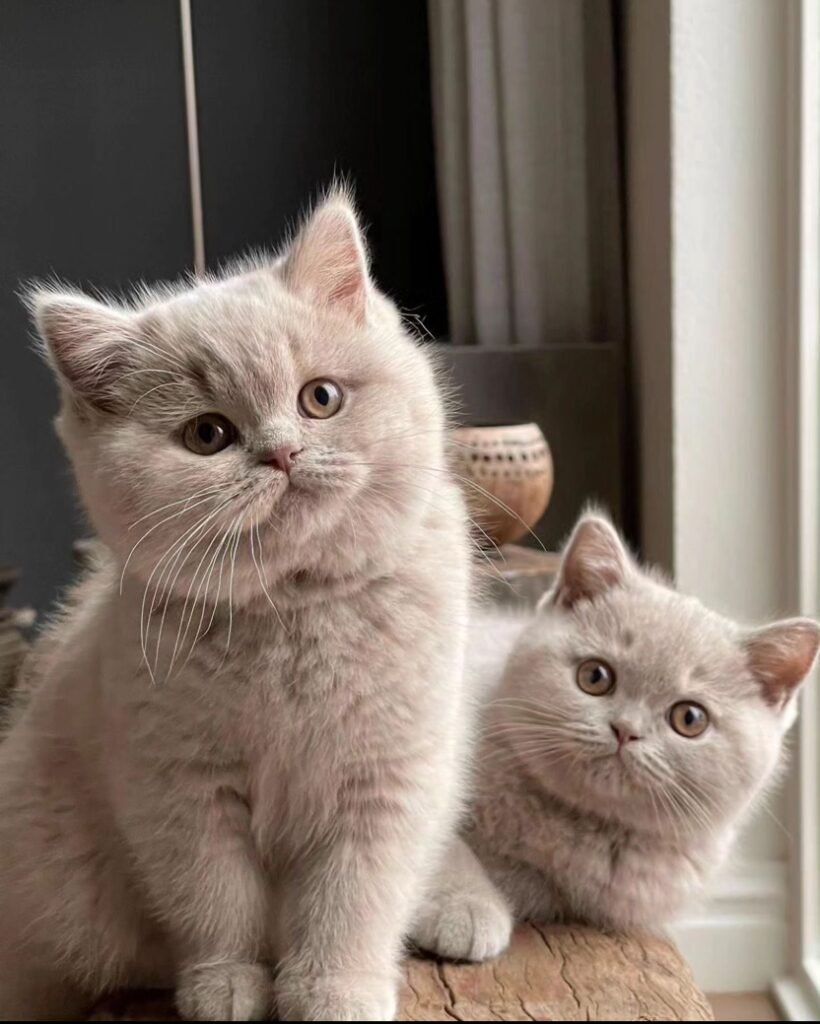
The British Shorthair is not just a delightful presence in any home; it’s a perfect companion for families of all shapes and sizes. Known for their charming appearance and gentle temperament, these cats bring a unique blend of playfulness and affection that resonates well with both children and adults. In this article, we will explore the top reasons why the British Shorthair stands out as an ideal choice for families, highlighting their adaptability, low maintenance needs, and compatibility with various household dynamics. Whether you’re a seasoned pet owner or welcoming your first furry friend, the British Shorthair has much to offer in terms of companionship and joy.
Overview of the British Shorthair Breed
The British Shorthair is a charming feline known for its robust build and plush coat. Originating from the UK, this breed is a true classic with a rich history that stretches back to Roman times. With their stocky bodies and round faces, they look like the ideal teddy bear—just one that happens to come alive and purr! British Shorthairs have become increasingly popular in households, thanks to their easygoing nature and adorable appearance.
History and Origins
The roots of the British Shorthair can be traced back to the domesticated cats brought to Britain by the Romans in 43 AD. These early felines bred with local breeds, resulting in the sturdy cats we know today. Initially, they were revered for their rat-catching prowess. Fast forward a couple of centuries, and the breed gained popularity in the cat fancy world, particularly during the 19th century, thanks to their unique appearance and amiable nature.
Physical Characteristics
The British Shorthair is distinguished by its broad, round head, chubby cheeks, and large, expressive eyes that can be copper, blue, or even gold. Their bodies are muscular and well-proportioned, leading to a slightly hefty appearance—a look that not only makes them adorable but also demands a solid dinner and a good cuddle session! Their short, dense coat comes in a variety of colors and patterns, giving families plenty of options to choose from.
Temperament: The Gentle Giant
If you’re looking for a feline companion who exudes a calm and composed vibe, the British Shorthair is the way to go. Known as the gentle giants of the cat world, these cats strike a balance between being affectionate and independent—ideal for families with kids or other pets.
Friendly and Affectionate Nature
British Shorthairs are not only friendly but also quite sociable. They thrive on companionship and enjoy spending time with family members, whether it’s curling up on your lap during a movie night or following you around seeking attention. However, they are not overly demanding, which means that they will happily entertain themselves when you’re busy, making them the perfect family cat.
Calm Demeanor
These cats are known for their laid-back personalities. British Shorthairs aren’t generally prone to the hyperactivity that some other breeds display, allowing for more serene family life. Their calm demeanor helps them adapt well to the hustle and bustle of daily family activities, making them ideal companions for kids who can be energetic at times.
Adaptability to Family Life
When it comes to family dynamics, the British Shorthair adapts like a pro. From bustling households to more laid-back environments, this breed can fit in seamlessly, ensuring everyone feels at home.
Adjustment to Different Living Environments
Whether you live in a small apartment or a spacious house, the British Shorthair adjusts beautifully to various living situations. They are quite adaptable and can manage without ample space, so long as they have some toys and a warm place to nap. Plus, their easygoing nature means they often get along well with children and other pets, providing a harmonious environment.
Ease of Training
While they might not be in the running for a cat Olympics anytime soon, British Shorthairs can be surprisingly trainable. They respond well to positive reinforcement and can learn tricks and commands just like a dog. Teaching them to use a litter box or come when called is usually a breeze, making them an excellent choice for families who want a pet that’s both fun and manageable.
Low Maintenance Grooming Needs
One of the many perks of having a British Shorthair is their low maintenance grooming requirements. For busy families, this is a game-changer.
Coat Care and Shedding
With their short, dense coats, British Shorthairs require minimal grooming—just the occasional brush to remove loose fur. They shed moderate amounts, but nothing that will have you vacuuming every five minutes. Plus, their coat is quite resilient, so they won’t be needing those fancy spa days like some diva breeds!
Regular Health Check-ups
Like all pets, British Shorthairs benefit from regular vet visits to keep them in tip-top shape. Thankfully, they are generally healthy cats, but annual check-ups can help catch any potential issues early on. A little preventative care goes a long way in ensuring that your cuddly companion stays healthy and happy for years to come!
Compatibility with Children and Other Pets
Socialization with Kids
British Shorthairs are like the cool, calm babysitters of the cat world. They have a patient demeanor that makes them ideal companions for children. These cats are known to tolerate the good-natured chaos that comes with little ones exploring their world. They can handle the occasional tug on their tails or surprising hug without turning into a ball of fur-fueled fury. Instead, they’ll likely just settle down for a nap in the nearest sunny spot, letting the kids learn the gentle art of being respectful pet owners.
Interaction with Other Animals
When it comes to other pets, British Shorthairs are the ultimate social butterflies. They tend to be easygoing and adapt well to living with dogs, cats, or even that pet hamster you’ve got hiding in the corner. Their sociable nature means they’re less likely to engage in feline squabbles and more likely to become your household’s unofficial peacekeeper. With their charming personality, they can bring harmony to a multi-pet environment, transforming your home into a furry United Nations.
Health and Longevity
Common Health Issues
While British Shorthairs are generally robust, they can be prone to a few health issues, like hypertrophic cardiomyopathy (HCM) and obesity. But don’t worry! With a little bit of vet love and some responsible pet parenting, these concerns can be managed effectively. Keeping an eye on their diet and ensuring they get regular exercise can help your furry friend live a long, happy, and healthy life. Think of it as their version of a gym membership—only with more naps!
Importance of Regular Veterinary Visits
Just like you wouldn’t skip your dentist appointment, your British Shorthair shouldn’t miss out on regular vet check-ups either. These visits are crucial for catching any potential health issues early and keeping vaccinations up to date. Plus, your cat might even get a few treats and a cozy pat from the vet—because who doesn’t love a little pampering? Committing to a routine check-up can ensure that your feline friend stays fit and fabulous for years to come.
Engaging Playfulness and Affection
Playful Behavior and Activities
British Shorthairs have an irresistible blend of playfulness and grace that keeps them young at heart. They love engaging in interactive play, whether it’s chasing after feather toys, pouncing on unsuspecting laser dots, or diving into a box like it’s the most thrilling thing since catnip. Their playful nature means they can easily entertain your family, providing endless joy and laughter in the process. Plus, you get to join in on the fun—who doesn’t want to be the one tossing toys around like a professional cat wrangler?
Bonding with Family Members
These cats excel at developing a bond with each family member. They have a knack for recognizing who needs a cuddle after a long day or who just wants to watch TV without being disturbed. Their affectionate tendencies mean they’ll curl up next to you during movie nights, ensuring nobody has to tackle the couch alone. Building a relationship with a British Shorthair is like creating a cozy circle of love, making every family member feel special and appreciated.
Conclusion: Ideal Family Companion
Recap of Key Benefits
In a nutshell, British Shorthairs shine as family companions thanks to their kid-friendly nature, sociability with other pets, and a generally healthy disposition. When you throw in their playful antics and loving personalities, it’s clear why they fit so well into family life. They’re the purring little diplomats you didn’t know you needed, blending seamlessly into the chaos of family dynamics.
Final Thoughts on Choosing a British Shorthair
If you’re on the fence about which feline friend to bring into your family, look no further than the British Shorthair. Their perfect combination of companionship, playfulness, and adaptability makes them the ideal choice for families of all shapes and sizes. So, embrace the cuddles, enjoy the playful moments, and get ready for a lifetime of love—because with a British Shorthair, every day is a family adventure!In conclusion, the British Shorthair truly embodies the qualities that make it an exceptional family pet. With their loving nature, adaptability, and low grooming requirements, they fit seamlessly into family life while bringing endless joy and companionship. Whether you have children, other pets, or simply want a loyal friend by your side, the British Shorthair is sure to enrich your home and create lasting memories. If you’re considering adding a feline member to your family, this breed is undoubtedly worth serious consideration.
Frequently Asked Questions
Are British Shorthairs good with children?
Yes, British Shorthairs are known for their gentle and friendly temperament, making them excellent companions for children. They are typically patient and tolerant, which helps them get along well in family environments.
How much grooming do British Shorthairs require?
British Shorthairs have a low grooming requirement due to their short, dense coat. Regular brushing once a week is usually sufficient to remove loose hair and keep their coat healthy, with additional grooming needed during seasonal shedding.
Do British Shorthairs get along with other pets?
Yes, British Shorthairs are generally sociable and adaptable, which allows them to coexist peacefully with other pets, including dogs and other cats. Early socialization is key to ensuring positive interactions.
What is the average lifespan of a British Shorthair?
The average lifespan of a British Shorthair is typically between 12 to 15 years, though with proper care, some may live even longer. Regular veterinary check-ups and a balanced diet contribute to their longevity and overall health.