
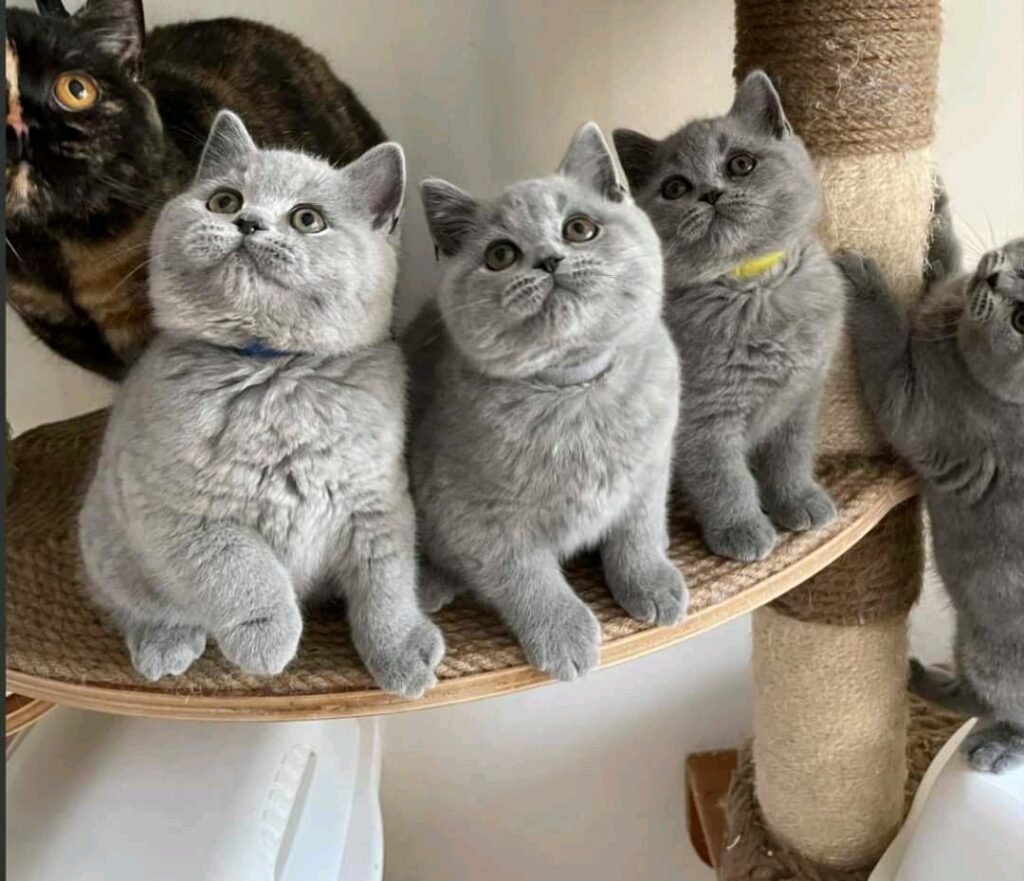
British Shorthair cats have captured the hearts of cat lovers around the world with their charming personalities and striking looks. Known for their robust build and plush, dense coats, these felines are not just a pretty face; they are also renowned for their affectionate yet independent nature. Whether you are a first-time cat owner or a seasoned enthusiast, understanding the unique qualities of the British Shorthair can help you appreciate why they are considered the ultimate companions. In this article, we will explore their history, physical characteristics, temperament, and the joys of having one of these delightful cats as part of your family.
Overview of British Shorthair Cats
Unique Features of the Breed
British Shorthair cats are like the bodybuilders of the feline world—muscular, stocky, and oh-so-adorable! Their broad heads and chubby cheeks give them a teddy bear-like appearance that has been melting hearts for generations. These cats come with dense, plush coats that invite endless petting sessions. And let’s not forget their signature round face and big eyes, making them look perpetually surprised or inquisitive, as if they’ve just heard the best joke ever.
Popularity and Common Misconceptions
These fluffy companions have gained a cult following, frequently ranking among the top cat breeds worldwide. However, some misconceptions abound! Many people assume they’re aloof or standoffish—false! While they do enjoy their independence (they’re not clingy like a toddler with a juice box), they also revel in human company. So, if you’re picturing a British Shorthair plotting world domination from the corner of your couch, think again. They’re more like a laid-back, slightly chubby philosopher pondering the meaning of life while casually nudging your hand for pets.
History and Origin of the Breed
Ancient Roots in British History
The British Shorthair boasts a history that dates back to Roman times, when they likely accompanied soldiers to help control the rodent population (cats: nature’s exterminators!). They were revered for their hunting skills and were the original felines of Britain, sprouting from the common cat population. Over centuries, they’ve been associated with British culture, even being immortalized in art and literature. If only their ancestors could have predicted a future filled with cat memes!
Development of the Breed Standard
Fast forward to the late 19th century, when the British Shorthair was formally recognized as a breed. With an increasing interest in purebred cats, enthusiasts created a breed standard, emphasizing their distinct physical characteristics and temperament. They became stars of the first cat shows, where their charm and charisma began winning over hearts left and right. So, next time you see one lounging regally, just remember: they’re royalty of the feline kind.
Physical Characteristics and Appearance
Body Structure and Size
British Shorthairs are the sprinters of the couch-lounging world—solidly built and surprisingly hefty! Males typically weigh between 11 to 18 pounds, while females tend to be a bit daintier at 6 to 12 pounds. Their broad, muscular frames and short legs contribute to a sturdy, powerful presence. They may not run marathons, but they’ll definitely jog into your heart with ease.
Coat Colors and Patterns
With a coat as versatile as a Swiss Army knife, British Shorthairs come in a staggering array of colors and patterns. From the classic blue (which is more grey than cobalt, mind you) to tabby, tortoiseshell, and even point coloration, these cats have it all. Each furball’s unique look adds to their charm, offering a color palette that could rival a modern art exhibit.
Facial Features and Eye Color
Their round faces and short noses give them an adorable, muggy look that inspires an immediate “awww.” The big, round eyes, available in gold, copper, or even blue, are like little windows into their charming souls—always sparkling with curiosity. These features make them not just pets, but also the ultimate conversation starters wherever you go. You can’t help but stop and admire a British Shorthair’s imposing visage at least once, right?
Temperament and Personality Traits
Playful Yet Independent Nature
Don’t let their calm demeanor fool you; British Shorthairs have a playful spirit that occasionally surfaces, like a catnip-fueled ninja! They love a good game of chase (preferably involving a laser pointer) but are also content to lounge around like furry overlords. They find the perfect balance between independence and companionship, allowing you to breathe easy while they survey their kingdom from your favorite chair.
Socialization with Humans and Other Pets
British Shorthairs are social butterflies (well, maybe more like social fluff balls) and can charm just about anyone—whether they’re two-legged or four. They enjoy human interactions and are generally good with other pets. While they might not be the life of the party, they’ll happily grace you with their presence, occasionally participating in family bonding time.
Intelligence and Trainability
These cats are not just adorable; they’re also smart cookies! While they may not fetch your slippers or memorize Shakespeare, they can be trained to do tricks or even walk on a leash. Their intelligence means they need mental stimulation to stay happy, so keeping them engaged with toys or puzzle feeders is key. With the right encouragement, they can master basic commands—just don’t expect them to perform on cue like a dog. Remember, they’re still cats, after all!
Health Considerations and Lifespan
Common Health Issues
British Shorthair cats are generally robust, yet like all breeds, they have their quirks when it comes to health. Common issues include hypertrophic cardiomyopathy (a fancy term for heart enlargement), obesity (those round bodies just love their snacks!), and dental diseases. Regular check-ups can help catch these issues before they become serious—and before your cat decides that knocking over your favorite mug is the best way to express their displeasure.
Preventive Care and Regular Check-ups
Prevention is the name of the game when it comes to keeping your British Shorthair in tip-top shape. Annual vet visits are essential for vaccinations and health screenings—because nothing says “I love my cat” more than scheduling that biannual dental cleaning. Regular check-ups can help nip potential health problems in the bud, ensuring your furry friend lives their best life—and that you can keep enjoying good-natured shenanigans instead of vet drama.
Life Expectancy and Aging
British Shorthairs have a life expectancy of around 12 to 20 years, which is fantastic—assuming you have enough catnip to keep them entertained! As they age, you might notice them slowing down (and possibly becoming even more of a couch potato). Keep an eye on their health, offer a cozy space for napping, and maybe invest in some joint supplements if they start to get creaky. Remember, elderly cats may require a bit more pampering and extra vet visits, but the added cuddles will be worth it.
Care and Maintenance Requirements
Feeding and Nutrition Needs
When it comes to feeding your British Shorthair, think quality over quantity. A balanced diet rich in protein will keep their muscular frame in shape—just be careful not to let those adorable eyes convince you to overindulge them! They thrive on high-quality dry kibble or wet food formulated for their specific age and needs. And while a sprinkle of treats can be a delightful bonus, watch out for those sneaky “extra snacks” that contribute to a less-than-ideal waistline.
Grooming and Hygiene Practices
Luckily for the less-than-enthusiastic groomers among us, British Shorthairs have short, dense fur that doesn’t require a full-on grooming spa day. However, a weekly brush can help minimize shedding and prevent hairballs, which is basically nature’s way of reminding you that cats are still part-time dinosaurs. Also, don’t forget about oral hygiene—you don’t want their breath to resemble an ancient swamp! Regular tooth brushing and dental treats can keep their smiles looking as charming as their personalities.
Exercise and Mental Stimulation
Despite their reputation for being chill, British Shorthairs need regular exercise to stay fit (and to keep their human from going broke on vet bills). Daily play sessions with feather wands or laser pointers can do wonders for keeping their minds sharp and their bodies agile. Plus, who wouldn’t want to witness a fluffy ball of stoic elegance suddenly springing into action like a ninja? Create a stimulating environment with puzzle toys, scratching posts, and perhaps even a cat tree for their royal highness to perch upon and observe their kingdom.
Benefits of Owning a British Shorthair
Companionship and Emotional Support
Ah, the joys of companionship! British Shorthairs are known for their affectionate and laid-back nature. They’re like the perfect couch buddy: supportive, calm, and always up for a cuddle (while maintaining an air of dignified aloofness). Their purring is an instant stress-relief, making them the furry therapists you didn’t know you needed. While they might not give you advice, their soft presence takes the edge off a rough day.
Low Maintenance Compared to Other Breeds
Compared to some high-maintenance feline divas, British Shorthairs are the chill cousins of the cat world. They don’t require extensive grooming or extravagant play schedules. They’re happy to lounge around while you binge-watch your favorite shows, only occasionally gracing you with their presence for some quality cuddle time. Perfect for busy cat lovers who appreciate the beauty of companionship without the never-ending demands!
Adaptability to Different Lifestyles
Whether you live in a bustling apartment, a cozy cottage, or a mansion with more room than you know what to do with, the British Shorthair fits right in. They are adaptable and can thrive in various environments. Just make sure they have some cozy spots to nap and an array of toys to keep their hunter instincts sharp. Small spaces and large families? No problem! These fluffy companions can handle it all—just like your favorite pair of sweatpants.
Conclusion: Why Choose a British Shorthair Cat?
Recap of Key Qualities
In summary, British Shorthairs are the purr-fect blend of charm, adaptability, and low-maintenance care. Their affectionate personalities make them ideal companions, and their overall health and grooming requirements are manageable even for meticulous cat parents. Plus, let’s face it, who could resist their adorable round faces and plush coats?
Final Thoughts for Prospective Owners
If you’re considering adding a British Shorthair to your family, get ready for a lifetime of love and laughter! With their unique blend of independence and affection, you’ll find that these charming felines make the ultimate companions—as long as you’re ready to embrace a few round-the-clock cuddles and an occasional clumsy leap. So go ahead, adopt a British Shorthair, and get ready to be part of a warm-hearted, whiskered family! In conclusion, British Shorthair cats make exceptional companions with their unique combination of charm, independence, and affection. Their rich history, distinctive appearance, and lovable personalities truly set them apart in the feline world. Whether you seek a playful friend or a calm presence in your home, a British Shorthair can meet your needs and enrich your life. If you’re considering adding a furry friend to your family, this breed may just be the perfect match for you.
FAQs about British Shorthair Cats
1. Are British Shorthair cats good with children and other pets?
Yes, British Shorthair cats are generally known for their calm and friendly nature, making them good companions for children and other pets. They tend to be patient and tolerant, which helps them adapt well to family environments.
2. How much grooming do British Shorthair cats require?
British Shorthairs have dense coats that require regular grooming to prevent matting and reduce shedding. Weekly brushing is usually sufficient, but during shedding seasons, more frequent grooming may be needed.
3. What is the typical lifespan of a British Shorthair?
The average lifespan of a British Shorthair cat ranges from 12 to 20 years, depending on genetics, health care, and living conditions. Regular veterinary check-ups and a balanced diet can contribute to a longer, healthier life.
4. Do British Shorthair cats have any specific health issues?
While generally healthy, British Shorthairs can be prone to certain genetic conditions such as hypertrophic cardiomyopathy (HCM) and obesity. Regular vet visits and a proper diet can help manage these risks.