
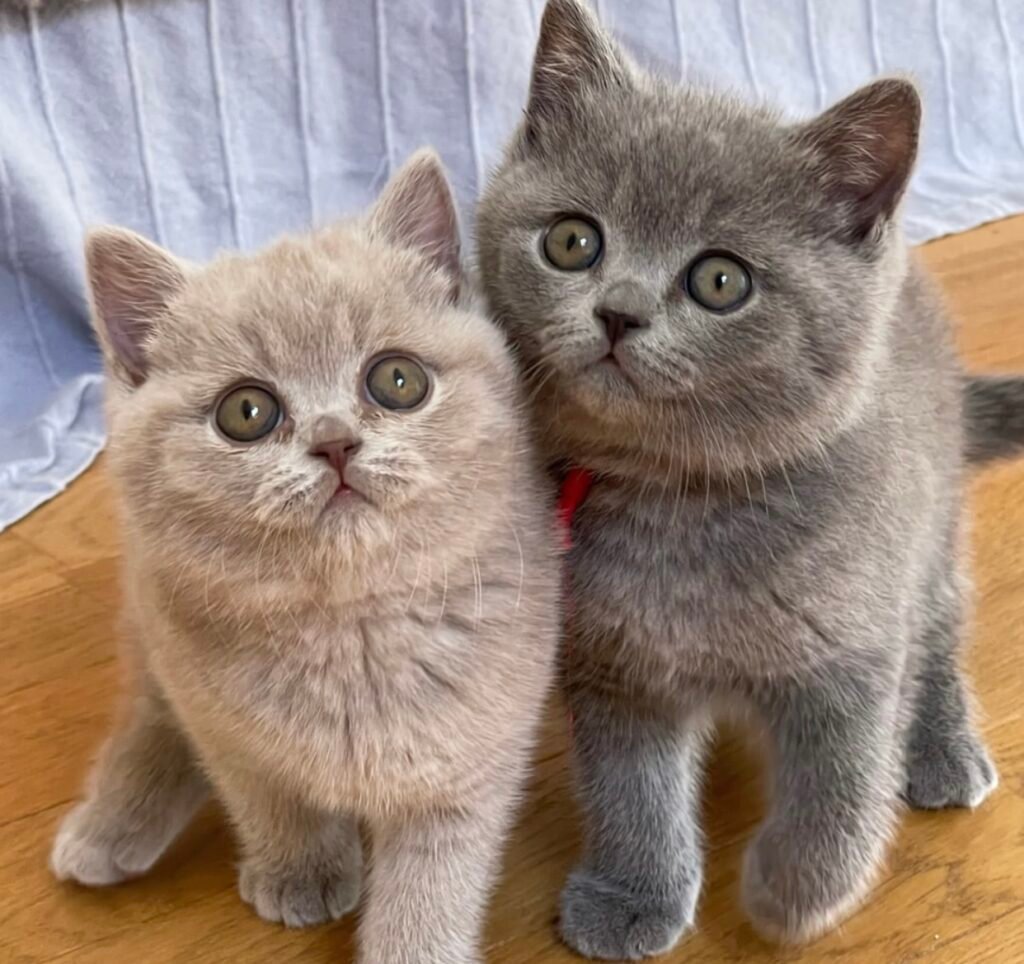
The British Shorthair is a beloved cat breed known for its distinctive appearance and charming personality. With its round face, dense coat, and sturdy build, this breed exudes a sense of elegance and strength. Originating from Britain, the British Shorthair has a rich history that intertwines with the evolution of domestic cats. Renowned for their easygoing nature and affectionate demeanor, these cats make exceptional companions for families and individuals alike. This article explores the various aspects of the British Shorthair, including its history, physical traits, care requirements, and overall appeal, providing a comprehensive guide for both potential owners and cat enthusiasts.
Overview of the British Shorthair Breed
The British Shorthair is the cool cat on the block—literally. Known for their stocky build, plush coat, and round faces, these felines exude an aura of quiet confidence and a bit of aristocracy. They have a reputation for being laid-back and affectionate, making them the perfect companions for both couch potatoes and busy families alike.
Defining Characteristics
British Shorthairs are the ultimate cuddle bugs wrapped in plush fur. They typically boast a robust body, rounded head, and chubby cheeks that could make anyone weak in the knees. Their eyes are large and expressive, often glowing with a golden or copper hue, which adds to their charm. With a dense, soft coat that feels like a cloud, they’re practically the teddy bears of the cat world.
Common Colors and Patterns
These cats come in a buffet of colors and patterns, leaving feline fashionistas spoiled for choice! The classic blue-gray might be their signature look, but you’ll also find them in shades of cream, black, white, and even a stunning tortoiseshell. As for patterns, they can exhibit everything from stripes and spots to the delightful marbled effect, ensuring that there’s a British Shorthair to suit everyone’s taste.
History and Origins
The British Shorthair has a lineage that stretches way back, weaving through the tapestry of Britain’s history. These cats were the companions of the Romans and have been admired for their sturdy physique and charming demeanor ever since.
Early Beginnings in Britain
The origins of the British Shorthair can be traced to ancient times, where they roamed the land as skilled hunters. Brought to Britain by the Romans, these cats quickly found their paws in the hearts of the locals. Over time, they became the go-to felines for keeping vermin at bay, serving a practical purpose while simultaneously winning favor for their good looks.
Influence of Other Breeds
In the late 19th century, British Shorthairs experienced an upgrade when breeders infused them with genes from Persians and Russian Blue cats. This crossbreeding gave rise to the distinctive British Shorthair we know today—with their plush coats, sturdy bodies, and lovely, round faces. Talk about a glow-up!
Modern-Day Developments
Today, the British Shorthair holds a special place in the hearts of cat lovers worldwide. Their popularity boomed, leading to a myriad of breeding standards and increased recognition in cat shows. They’re now cherished not only for their beauty but also for their delightful personalities, making them a beloved choice for families everywhere.
Physical Characteristics
If you’ve ever laid eyes on a British Shorthair, you’d know they’re not your average house cat. They’re like the bodybuilders of the feline world—strong, sturdy, and irresistibly huggable.
Size and Build
These cats can weigh anywhere from 9 to 18 pounds, so they’ve got some serious heft! With their broad chests, powerful limbs, and overall compact frame, British Shorthairs radiate strength and stability. They’re the kind of cats who could probably bench-press their human if they were so inclined.
Coat and Grooming Needs
Their coat is a luxurious feature that requires minimal grooming to maintain its plushness. A good brush once a week should keep their fur in top-notch shape and help reduce shedding. Just remember, they’re not high-maintenance divas; they just appreciate a little pampering now and then!
Facial Features
The British Shorthair’s round face is as adorable as it gets. With those chubby cheeks, it’s hard not to want to pinch them! Their broad forehead and short, thick neck only enhance their cute factor. Add in large, expressive eyes and you have a feline that could melt anyone’s heart with just one look.
Temperament and Behavior
British Shorthairs are known for their easygoing nature and delightful personalities. They’re the kind of cats that can hold a conversation but are equally content to lounge around and ponder life’s mysteries.
Typical Personality Traits
These cats are the epitome of calm and collected. They’re affectionate but not clingy, making them ideal companions for anyone who appreciates a little independence. They have a curious mind and a playful spirit, but they also know how to kick back and relax after a busy day of inspecting their kingdom.
Social Interactions with Humans
British Shorthairs are friendly and sociable creatures, often forming strong bonds with their humans. They enjoy being involved in daily activities, whether that involves curling up next to you while you work or supervising your cooking escapades from a safe distance. They’ll gladly accept affection, but they also value their personal space—classic introvert behavior!
Compatibility with Other Pets
If you have other pets, you’re in luck! British Shorthairs tend to play nice, exhibiting a calm demeanor that helps them coexist peacefully with various animals. Whether it’s a dog or another cat, they usually adjust well and slightly roll their eyes at the chaos—just your typical, laid-back Brits!
Care and Maintenance
Feeding Requirements
British Shorthairs have a tendency to become fluffy little marshmallows if not monitored, so feeding them a high-quality diet is key. Aim for a balanced diet rich in protein and fat—think chicken or fish, not just a buffet of crunchy nuggets. Divide their daily intake into two meals to avoid the dreaded cat counterpart of a food coma, which we like to call the “flop.”
Exercise and Playtime
Although these cats look like they’ve mastered the art of lounging, they do need exercise to maintain their hefty cuteness without turning into hefty cats. Engage them with interactive toys, feather wands, and laser pointers for at least 20-30 minutes a day. They may look like they’re plotting world domination while lounging, but trust us, they can be surprisingly agile when the mood strikes!
Grooming Practices
British Shorthairs have plush coats, which means they need a bit of regular TLC. Brushing them once a week should do the trick to keep their fur looking fab and reduce shedding around your home. Don’t forget to check their ears and trim their nails occasionally—unless you’re aiming for a cat that looks part grizzly bear. They’ll probably appreciate the grooming sessions, especially if they come with treats!
Health Considerations
Common Health Issues
Like all purebreds, British Shorthairs come with a list of potential health issues, including hypertrophic cardiomyopathy (HCM), obesity, and dental disease. Regular check-ups can help spot any early warning signs before you find yourself Googling “cat cardiologist.” Keep an eye on their weight too; those extra pounds can sneak up faster than you can say “catnip.”
Regular Veterinary Care
Routine vet visits are essential for keeping your British Shorthair in tip-top shape. Aim for yearly check-ups; they’re not just for vaccines but also for that reassuring “yep, your cat is still a majestic loaf” confirmation. Your vet can keep you updated on the best dietary habits and exercise routines based on your feline’s specific needs—because who wouldn’t want a personalized cat fitness plan?
Preventative Measures
Preventative care is your best friend when it comes to ensuring a long, healthy life for your British Shorthair. This includes regular vaccinations, parasite control, and a proper diet. Consider investing in dental treats or toys to promote oral health, because no one wants a feline friend with a less-than-pleasant breath that could knock you over from across the room!
Training and Socialization
Basic Training Techniques
Training a British Shorthair is truly a labor of love. Start with the basics like “sit” or “high five.” Using positive reinforcement—think treats, cuddles, or those little chin scratches they adore—will go a long way. Remember, patience is key; these cats often have a “why should I?” attitude that just adds to their charm.
Socialization Tips
Socializing your British Shorthair is vital to ensure they grow up to be friendly and confident cats. Introduce them to new people, environments, and even other pets gradually. Let them explore while being close by to ensure they feel safe. Just like humans at a social gathering, some cats need a little nudge to mingle, while others will jump right in like they own the place!
Behavioral Training Needs
If your British Shorthair is acting out or developing quirks (like knocking over every plant you own), you might need to step in with some behavioral training. Redirect unwanted behaviors with toys or interactive play, and be sure to praise them when they make the right choices. If you find their antics too overwhelming, consulting a cat behaviorist can be a game changer—kind of like getting a professional coach for your kitty!
Popularity and Cultural Significance
Recognition by Cat Associations
The British Shorthair is a superstar in the cat world! With recognition from major cat associations like The International Cat Association (TICA) and the Cat Fanciers’ Association (CFA), they are considered one of the most desired breeds. Their blue-gray fur and round faces often leave judges swooning, and they’ve won hearts (and awards) across the globe.
British Shorthairs in Popular Media
These charming cats have made their mark on popular culture, appearing in everything from cartoons to internet memes. With a look that can express either utter disdain or pure joy, it’s no surprise they’ve become icons of the feline world. Whether it’s a commercial or a viral video, British Shorthairs are the epitome of “cats being cats”—and we love them for it!
Trends in Ownership and Adoption
In recent years, British Shorthairs have seen a surge in popularity, especially as people search for pandemic companions. Many are adopting them from shelters, giving these lovable furballs a second chance at a forever home. As their fame continues to rise, we may see more British Shorthairs strutting their stuff on social media, flaunting their plush coats and purr-sonalities like feline royalty.In conclusion, the British Shorthair stands out as a remarkable breed that combines beauty, resilience, and a friendly temperament. Their rich history and unique characteristics make them a cherished choice for cat lovers around the world. Whether you are considering adding one to your family or simply admire them from afar, understanding their needs and traits can enhance the bond between you and this delightful feline companion. As you explore the joys of owning a British Shorthair, you will undoubtedly find them to be a loving and loyal addition to your life.
FAQ
What is the typical lifespan of a British Shorthair?
The average lifespan of a British Shorthair is around 12 to 20 years, depending on factors such as genetics, diet, and overall care.
Are British Shorthairs good with children and other pets?
Yes, British Shorthairs are generally known for their calm and friendly demeanor, making them great companions for children and compatible with other pets when properly socialized.
How much grooming do British Shorthairs require?
British Shorthairs have a dense coat that requires regular grooming, ideally once a week, to reduce shedding and maintain coat health.
What are common health issues for British Shorthairs?
Common health concerns for this breed include obesity, heart disease, and certain genetic conditions such as hypertrophic cardiomyopathy. Regular veterinary check-ups are essential for early detection and prevention.