
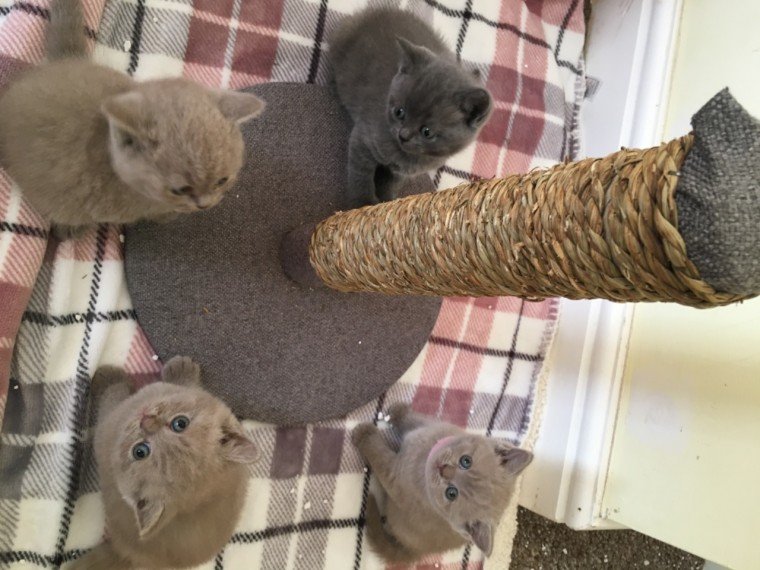
Bringing a British Shorthair kitten into your home is an exciting decision that comes with a unique set of considerations. Known for their charming appearance, robust build, and affectionate nature, British Shorthairs make wonderful companions. However, before you embark on this journey, it’s essential to understand the specific needs and characteristics of the breed. From choosing a reputable breeder to preparing your home and budgeting for their care, this guide will provide you with the key insights you need to ensure a smooth transition for both you and your new furry friend.
Understanding the British Shorthair Breed Characteristics
Physical Traits and Appearance
British Shorthairs are the suave models of the feline world, boasting a muscular, rounded build that makes them look like little teddy bears. With their dense coat that comes in a variety of colors, but let’s be real, the iconic blue is the favorite, they have large, round heads with chubby cheeks that make them irresistibly cute. Their eyes, often copper or blue, can convey everything from curiosity to utter disdain—classic cat behavior, right?
Temperament and Personality
When it comes to personality, British Shorthairs are the epitome of chill. They’re laid-back and tend to be quite independent, making them great companions for busy humans. Don’t expect them to follow you around like a puppy, but they’ll certainly grace you with their presence when they feel like it. They’re affectionate in their own dignified way and prefer to engage in mellow activities—think lounging in sunbeams and gentle headbutts, rather than acrobatics and wild chases.
Common Misconceptions about the Breed
One common myth is that British Shorthairs are aloof and uninterested in human interaction. While they may not be the life of the party, they do enjoy spending time with their humans—just on their own terms. Another misconception is that their stocky build means they’re lazy; in reality, they just enjoy the finer things in life, like a comfy spot on the couch. So, if you’re looking for a kitty that’ll snuggle up but not demand endless attention, you’ve found your match!
Health Considerations and Genetic Factors
Common Health Issues in British Shorthairs
Like any breed, British Shorthairs have their quirks—healthwise, they can be prone to certain issues. You might encounter conditions like hypertrophic cardiomyopathy (a fancy term for heart issues) or hip dysplasia. With their stocky build, being mindful of their weight is important to keep them sprightly rather than sluggish (and we all know the struggle of those extra kitty snacks).
Importance of Health Screenings
Regular vet check-ups are essential for your furry friend’s health. Health screenings can help catch potential issues before they become serious. Plus, nobody wants a surprise vet bill or, worse, a sick kitty. A little preventive care goes a long way, so stay on top of those vet appointments like a pro.
Vaccination and Preventive Care
Vaccination is the superhero cape for your kitten’s health! Keeping up with their vaccination schedule is vital to protect them from nasty diseases. Along with vaccinations, preventive care like flea control and dental hygiene will help ensure your British Shorthair leads a long and healthy life. After all, a happy kitty means a happy you!
Choosing a Reputable Breeder
What to Look for in a Breeder
Finding the right breeder is like dating; you want to make sure you’re getting the real deal! Look for breeders who prioritize the health and well-being of their cats over profit. They should provide a comfortable living environment for their felines and be happy to show you the conditions where the kittens are raised. A good breeder will also be knowledgeable about the breed and excited to share information with you—bonus points for cat-themed jokes!
Questions to Ask Before Purchasing
Before you sign on the dotted line, come prepared with a checklist of questions. Ask about health screenings, socialization practices, and whether the kittens have been raised in a home environment. Don’t shy away from asking about the parents—knowing their temperament can give insight into your kitten’s future personality. And yes, “Will my kitten be a couch potato?” is a legitimate question.
Understanding the Adoption Process
The adoption process can feel like a rollercoaster, but it’s well worth the ride. Most reputable breeders will have an application to ensure you’re a good match for their kittens. They may also require a deposit to hold your furry friend (think of it as a love reservation!). Additionally, be prepared for a potential waiting period—great things (and kittens) often take time!
Preparing Your Home for a New Kitten
Creating a Safe Environment
Before your new kitten arrives, it’s time to kitty-proof your home! Remove any hazardous items (like plants that can make them sick) and secure loose cords. Ensure that any nooks and crannies are sealed off to avoid curious little explorers getting stuck in places they shouldn’t be. Basically, think of your home as a feline fortress!
Designating a Kitten Space
Create a cozy corner just for your new bundle of joy. A designated kitten space with a comfy bed, toys, scratching posts, and a litter box will help your British Shorthair settle in smoothly. This will be their haven for play and relaxation—like their very own kitty spa, minus the cucumber slices!
Introducing Your Kitten to Other Pets
Introducing a new kitten to any existing pets should be a gradual process. Give them time to adjust to each other’s scents and presence before a face-to-face meeting. Supervise their introductions to prevent any cat-astrophic misunderstandings. With patience and a sprinkle of treats, they’ll be buddy-buddy in no time—at least until the food bowl comes into play!
Essential Supplies for Your British Shorthair
Must-Have Items for Your Kitten
Before your British Shorthair graces your home with its adorable face, you’ll want to gather a few essential supplies. First up, a cozy bed—because every royal needs their throne. A sturdy litter box and high-quality litter are must-haves for those royal bathroom breaks. Don’t forget toys! British Shorthairs can be playful, so get some interactive toys to keep them entertained (and off your keyboard). Oh, and a scratching post to prevent your furniture from becoming their personal canvas is non-negotiable!
Choosing the Right Food and Nutrition
Nutrition is key to keeping your British Shorthair as robust and fluffy as possible. Look for high-quality cat food packed with protein—after all, you’re raising a future feline royal, not a couch potato! Check the labels for real meat as the first ingredient and avoid fillers like corn and soy. Consult your vet for specific dietary recommendations, especially as your kitten grows, so they can flourish like the little champion they are.
Grooming Tools and Accessories
While British Shorthairs have short coats, they do enjoy a good grooming session (think of it as their spa day). A slicker brush and a grooming glove are excellent toys for keeping their fur tidy and reducing shedding. Don’t forget nail clippers; no one wants to be mistaken for a scratching post! And while you’re at it, stock up on a soft towel for those occasional post-bath groomings (because, yes, you’ll want to bathe your soon-to-be fluffy overlord from time to time).
Socialization and Training Tips
Importance of Early Socialization
Socialization is vital for your British Shorthair to grow into a well-adjusted adult cat. The earlier, the better! Expose your kitten to different people, pets, and environments to help them feel confident and comfortable in various situations. Those first few months are like cat kindergarten—pack in the socialization and watch them flourish into the charming socialite they were born to be.
Basic Training Techniques
Contrary to popular belief, cats can be trained! Positive reinforcement is the name of the game—treats and praise will have your British Shorthair responding to commands faster than you can say “treat time.” Start with basic commands like “sit” or “come,” and don’t forget to keep training sessions short and sweet. A few minutes a day will work wonders; you want their trust, not a feline revolt!
Handling Behavioral Issues
If your British Shorthair starts showing less-than-desirable behavior (like ignoring your pleas for personal space), don’t panic. First, assess the cause—stress, boredom, or maybe they just spotted a particularly intriguing dust bunny. Redirect their energy with toys or give them their space if they need it. Consistency is key; gentle corrections and plenty of patience will keep the peace in your kingdom.
Budgeting for Long-Term Care and Expenses
Initial Costs of Purchasing a Kitten
So, your heart is set on a British Shorthair? Get ready to shell out a bit of cash! The initial purchase price can range from $1,000 to $2,000, depending on the breeder and the cat’s pedigree. Add in the cost of vaccinations, spaying or neutering, and a health check, and you’re looking at a significant upfront investment. But hey, who knew love came with a price tag?
Ongoing Monthly Expenses
Once you’ve welcomed your furry royalty, be prepared for ongoing monthly expenses that range from food and litter to the occasional toy (or five). Count on spending anywhere from $50 to $150 a month, depending on your kitten’s needs and lifestyle. Don’t forget to budget for routine vet visits, so your feline friend stays in tip-top shape.
Emergency and Unexpected Costs
Life with a British Shorthair is rarely dull, but it can sometimes throw curveballs. Emergencies can happen, and they tend to come with a price tag. Set aside a small emergency fund—ideally around $1,000—to cover unexpected vet bills or, you know, that time they decided to eat your phone charger. Trust me; your wallet will thank you later! In conclusion, purchasing a British Shorthair kitten can be a rewarding experience filled with love and companionship. By understanding the breed’s characteristics, preparing your home, and being mindful of their health and care needs, you can create a nurturing environment for your new pet. Remember, taking the time to research and plan will not only ease the transition for your kitten but also enhance the bond you share for years to come. Enjoy the journey of welcoming your new furry friend into your life!
Frequently Asked Questions
What is the average cost of a British Shorthair kitten?
The average cost of a British Shorthair kitten can range from $1,000 to $3,000, depending on factors such as the breeder’s reputation, the kitten’s lineage, and location.
How do I know if a breeder is reputable?
A reputable breeder will provide health clearances, allow you to visit their breeding facility, and answer all your questions about the breed. They should prioritize the well-being of their cats and be willing to show you the kitten’s living conditions.
What kind of diet is best for a British Shorthair kitten?
A high-quality diet formulated for kittens is essential, as it provides the necessary nutrients for growth and development. Look for food rich in protein and fats, and consult your veterinarian for specific recommendations based on your kitten’s needs.
How much exercise does a British Shorthair require?
British Shorthairs are generally moderate in their activity levels, requiring regular playtime and mental stimulation. Interactive toys, climbing structures, and a daily play session will help keep them healthy and happy.